
The experience of planting it

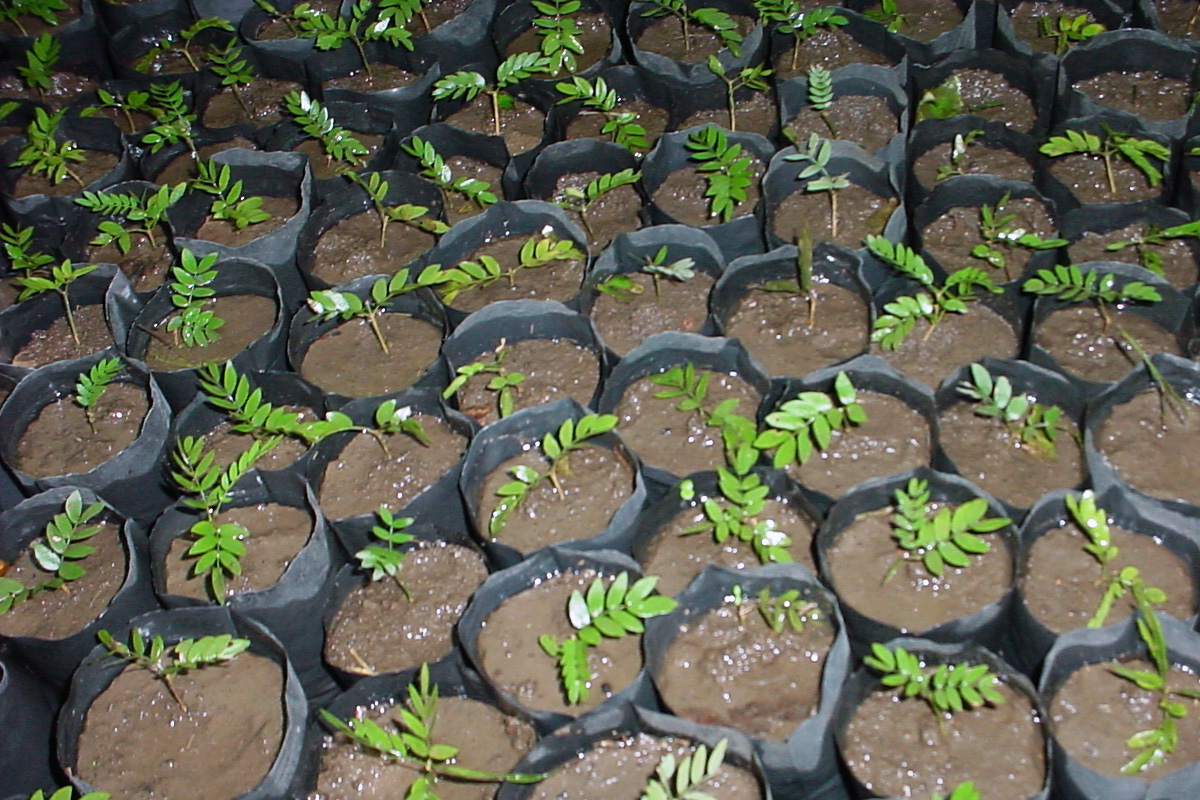
The Guaiacum sanctum (genuine lignum vitae) trees planted at Finca San Lorenzo, as part of the Guayacán Real Project, were kept in nursery conditions for approximately three years, allowing them to reach a suitable size for transplantation.
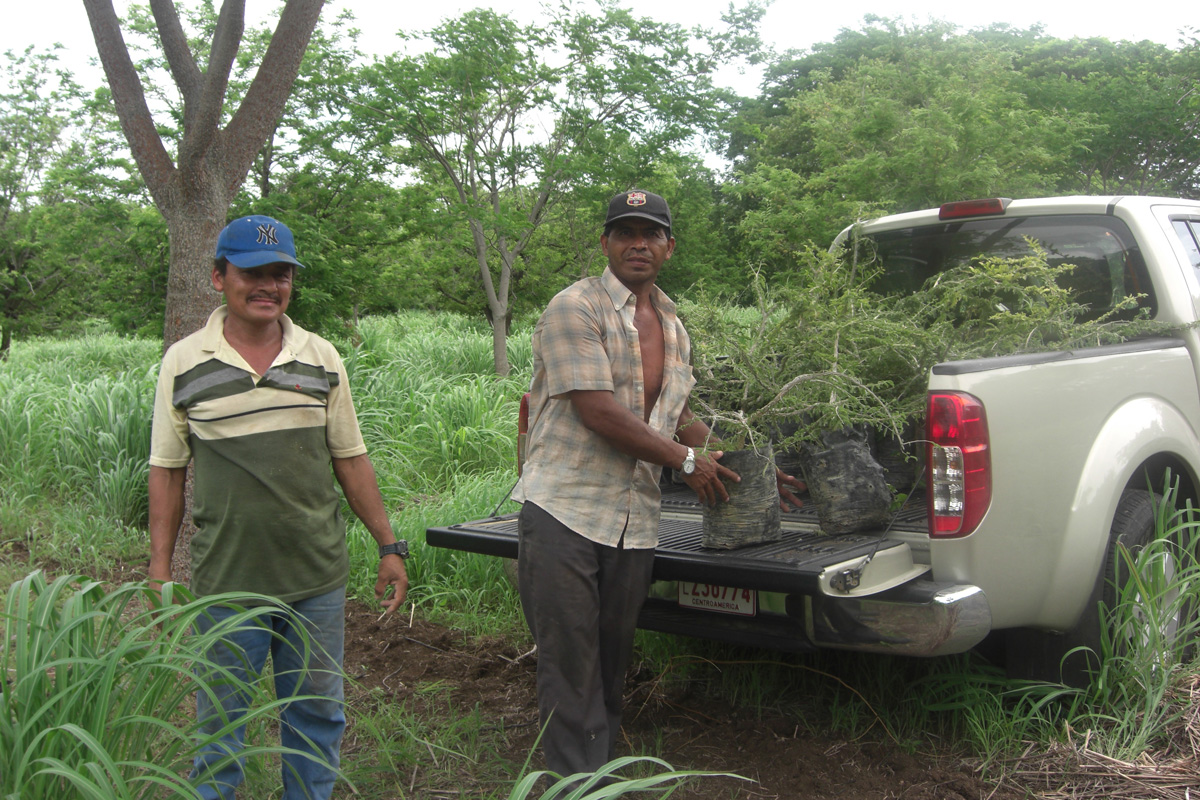
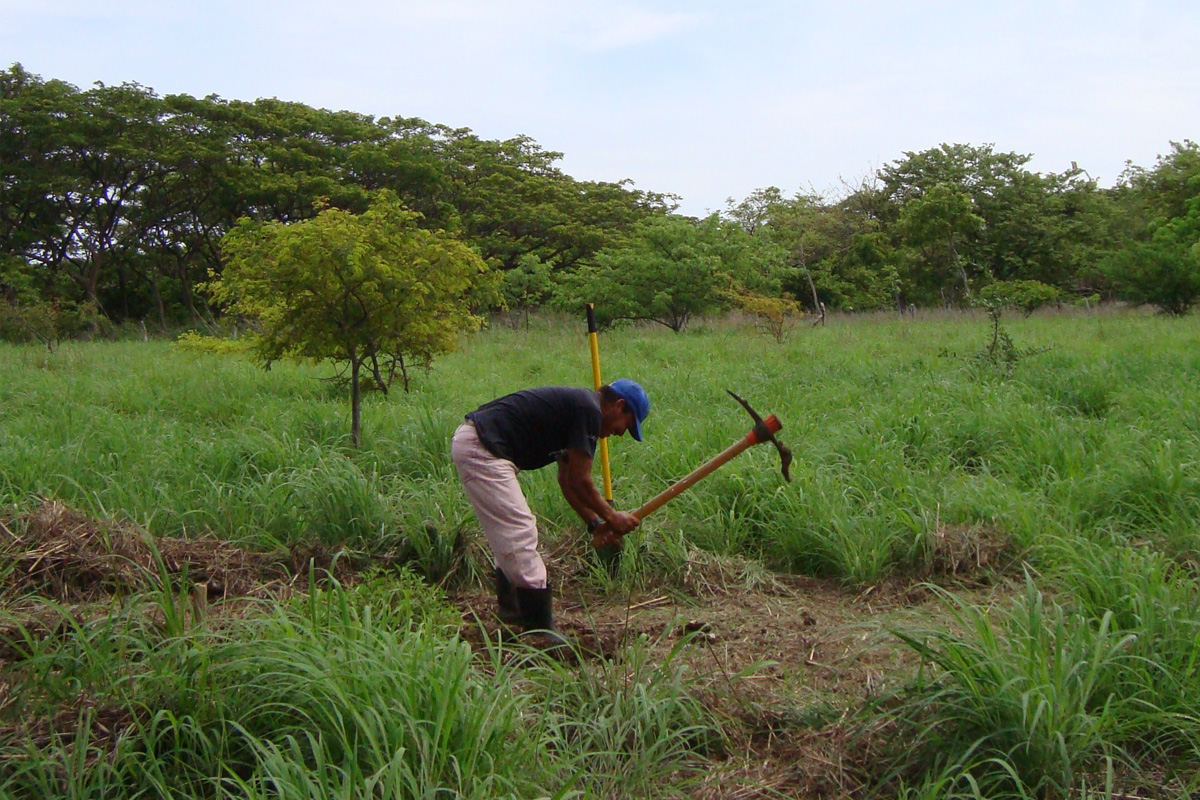
Once planted, the Guaiacum sanctum (genuine lignum vitae) saplings were irrigated for several subsequent years, until they reached a level of development that allowed them to survive the dry season without supplemental watering.
The experience of planting Guaiacum sanctum (genuine lignum vitae) trees in San Lorenzo has yielded valuable insights—among them, the observation that shade provided by mature trees of various species significantly stimulates the early growth of Guaiacum sanctum saplings growing beneath their canopy.
Shade may offer an additional benefit: it discourages excessive branching in Guaiacum sanctum (genuine lignum vitae) saplings, a trait commonly observed when they grow fully exposed to sunlight from an early age. Of course, this observation can be somewhat subjective—especially if the tree is intended for ornamental purposes, in which case such branching may be considered an attractive feature.
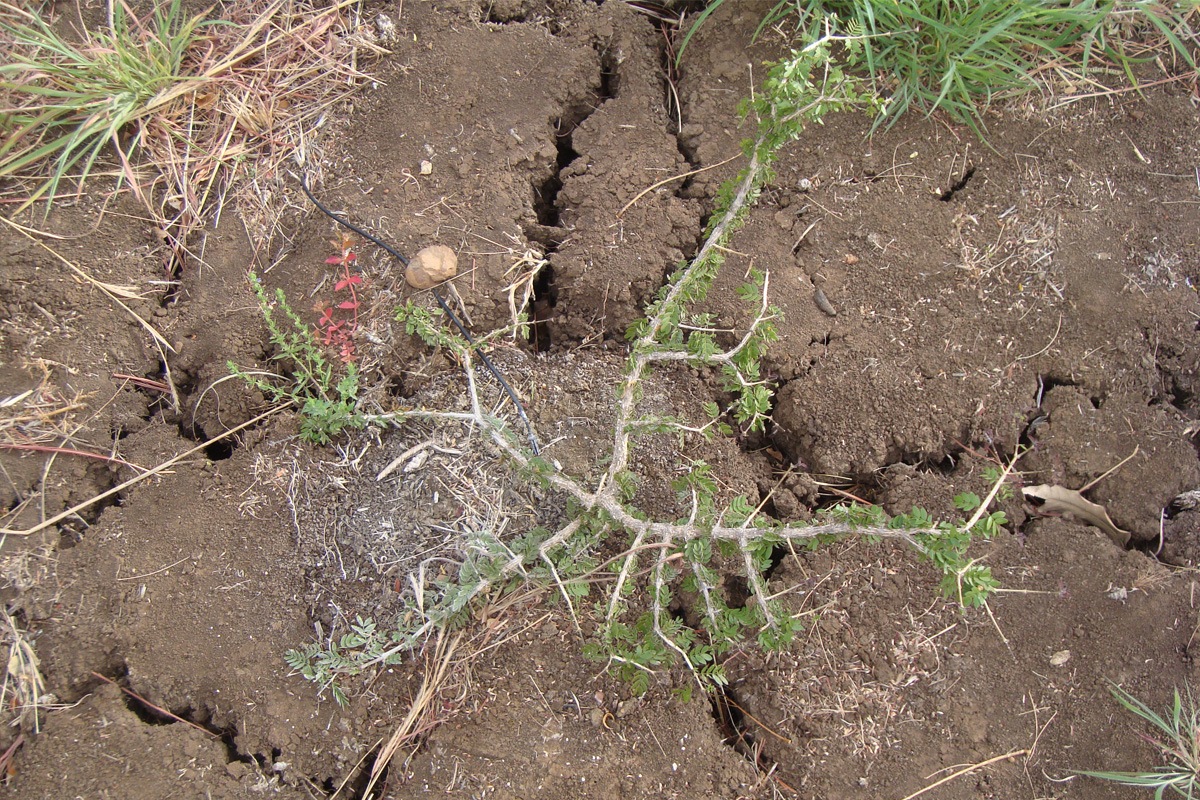
Regardless of interests or preferences, nearly all Guaiacum sanctum (genuine lignum vitae) saplings planted in San Lorenzo had to be established without any protective cover, due to the absence of mature trees that could provide shade. This situation became especially critical for the smallest saplings. In fact, a portion of those planted—completely exposed to the harsh sun—showed virtually no growth, and some eventually died over time.
Moreover, based on plantings carried out in other areas, we have observed how well Guaiacum sanctum (genuine lignum vitae) responds to looser soils—even sandy ones—that offer good drainage. Unfortunately, in San Lorenzo, we had to work with the existing conditions, which were far from ideal: extremely clay-heavy soils with poor drainage.