
Guaiacum sanctum vs. Guaiacum officinale

Based on data from various regional organizations, the geographic distribution of Guaiacum sanctum and Guaiacum officinale is as follows:
Guaiacum sanctum is found in:
-
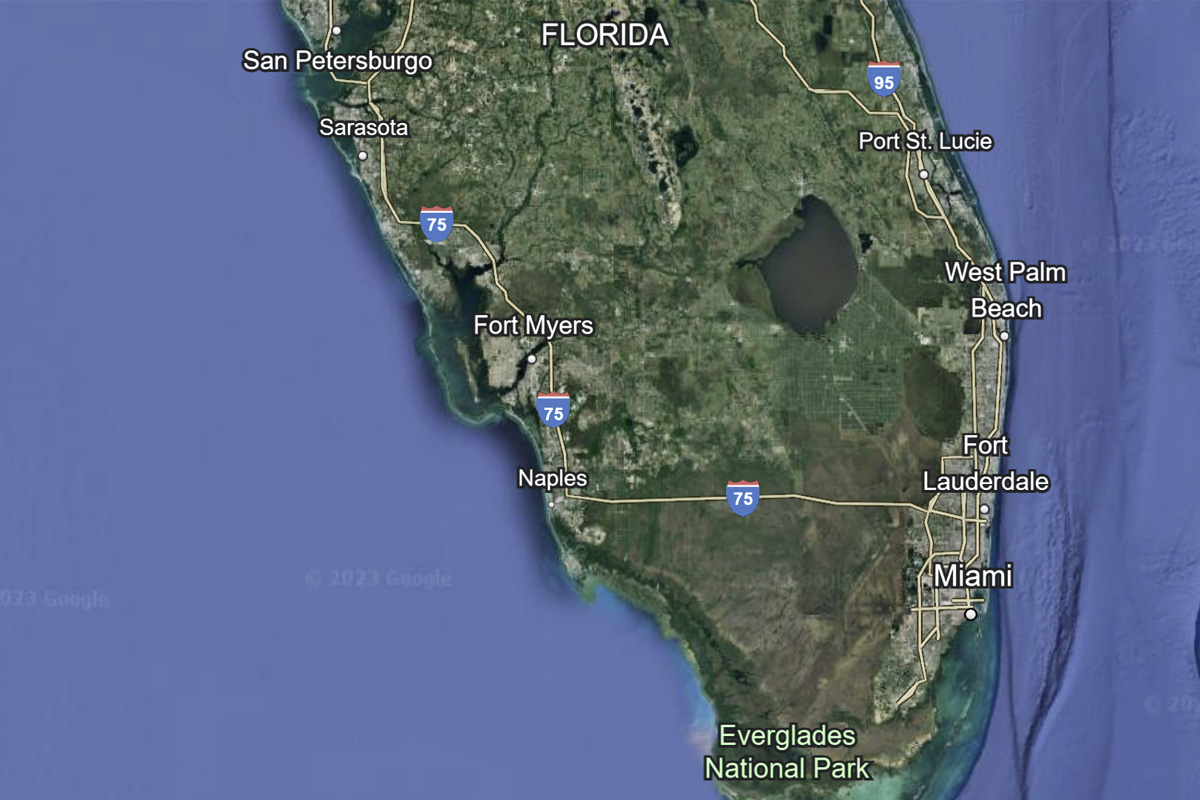
South Florida
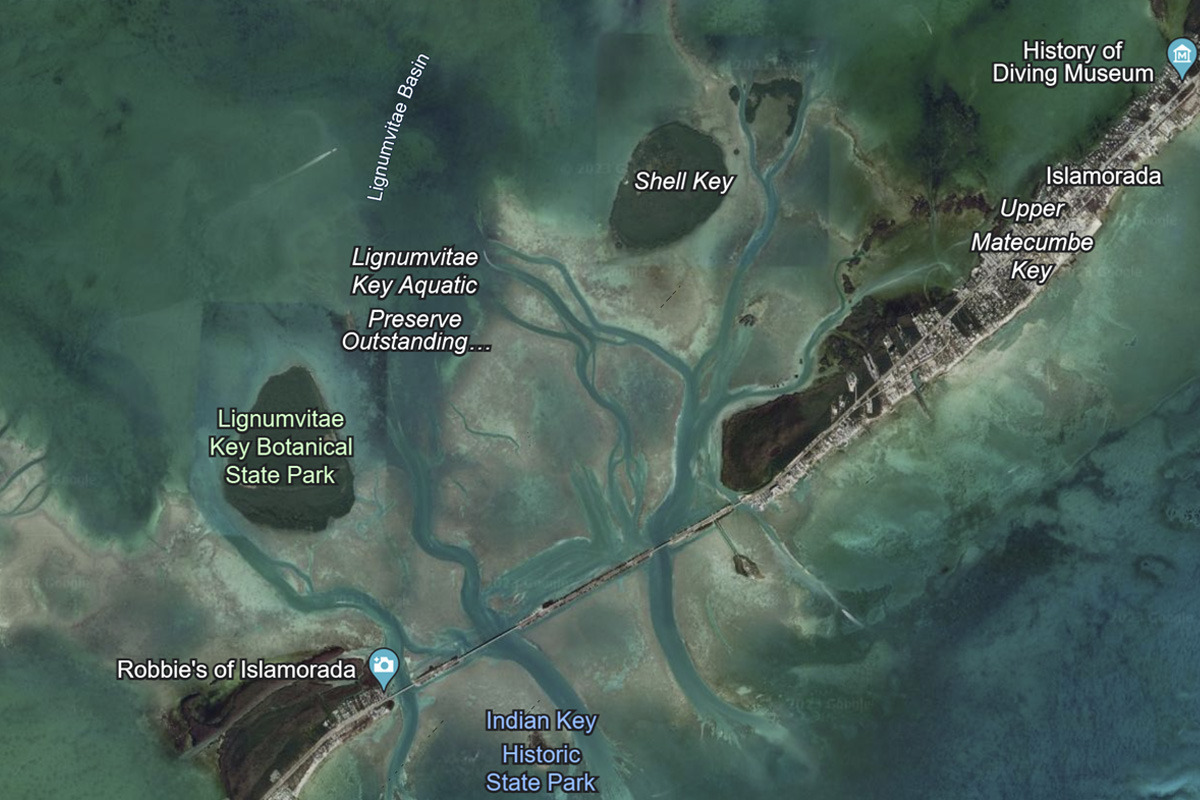
Particularly in the Florida Keys, there is an island named Lignum Vitae Key, a designation that reflects the abundance of Guaiacum sanctum—commonly known as guayacán real—found there, especially in earlier times. Experts estimate that the oldest specimens of guayacán real on this key are over 1,000 years old.
Anecdotally, prior to the English naming of the key in 1763, the Spanish had previously designated it as Isla de la Leña, as recorded on a Spanish map dated 1760. Today, the entire key is preserved as a state botanical park.
Mexico
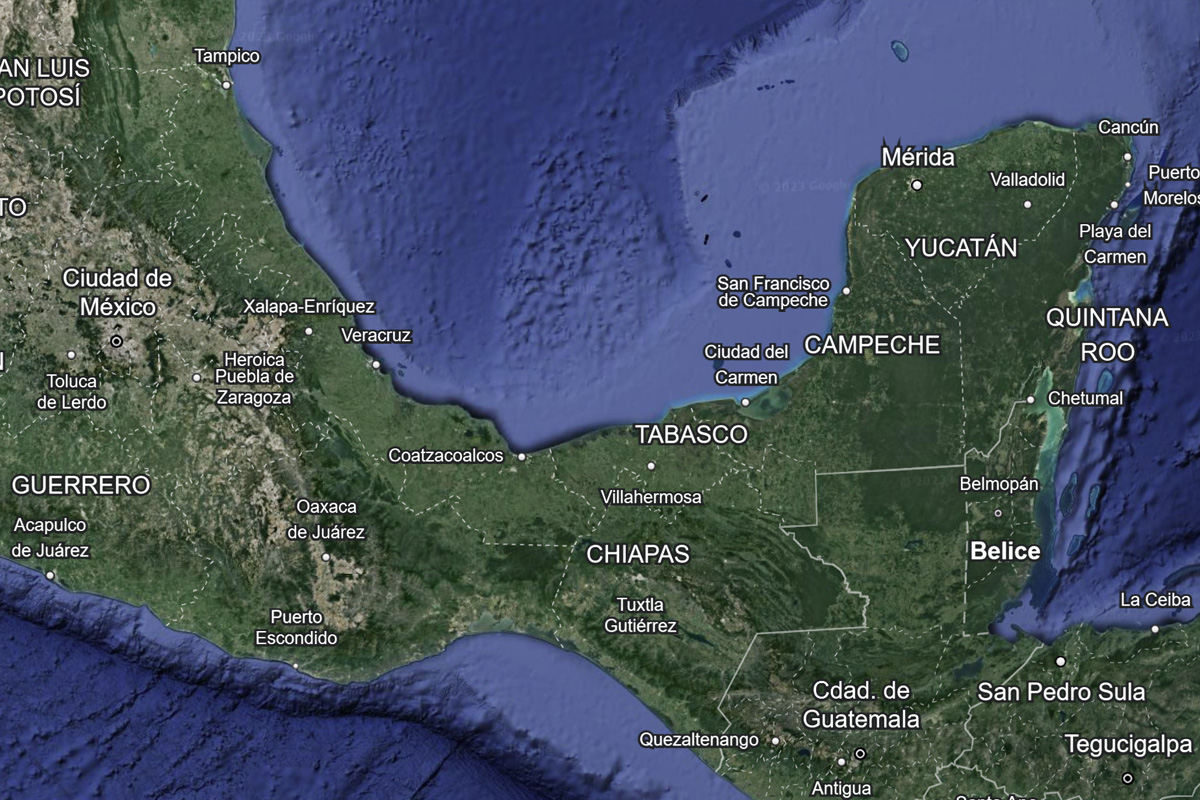
Mexico hosts populations of Guaiacum sanctum—commonly known as guayacán real—in the southeastern region of the country. This includes areas near the Caribbean coast, particularly the Yucatán Peninsula, as well as zones along the southern Pacific coast.
On the Caribbean side, Guaiacum sanctum is found in the Mexican states of Quintana Roo, Yucatán, and Campeche. Along the Pacific coast, its presence has been recorded in the states of Chiapas and Oaxaca.
The State of Campeche is home to the largest remaining population of royal guayacan (Guaiacum sanctum) known to exist.
Central America
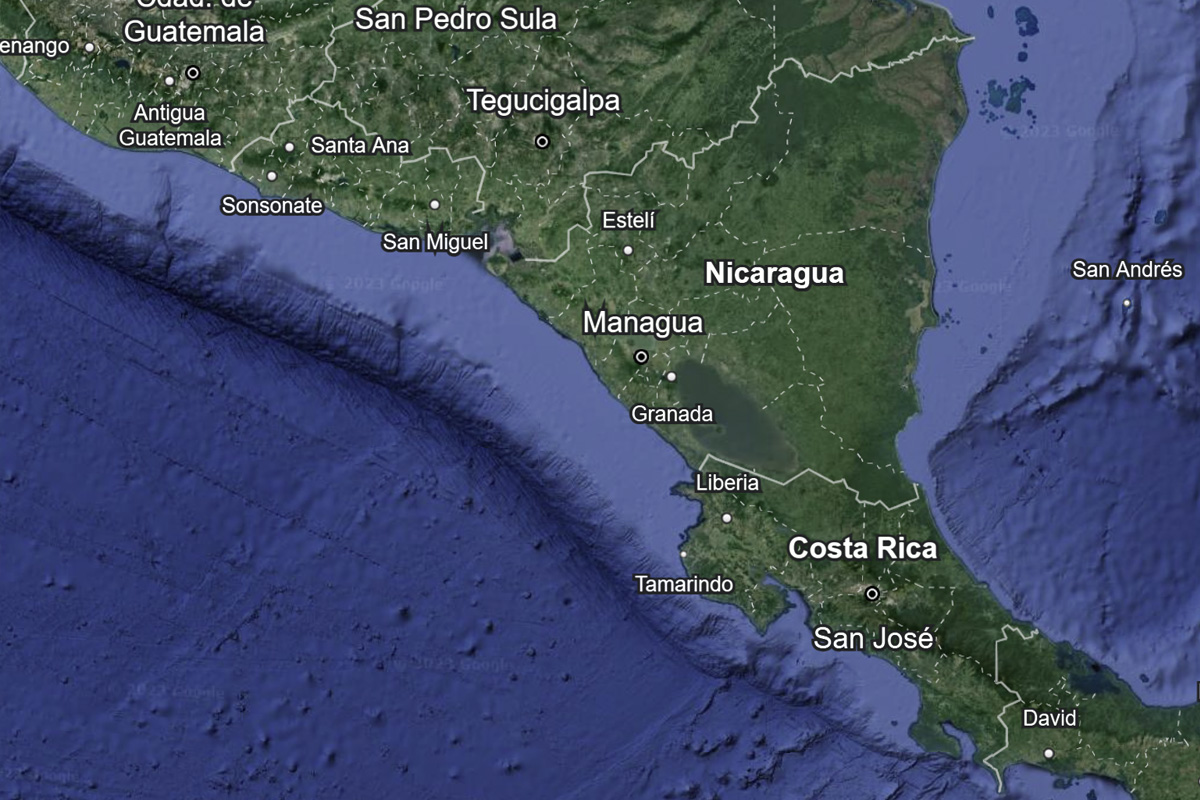
In Central America, Guaiacum sanctum is found in several countries, notably in Guatemala—particularly within the Motagua River Valley in the departments of El Progreso and Zacapa—as well as in Honduras, El Salvador, Nicaragua, and Costa Rica. In Costa Rica, its presence is concentrated in the northwestern province of Guanacaste, which marks the southernmost limit of the species' distribution in the region. Guaiacum sanctum is primarily concentrated within the Tropical Dry Forest biome, along the Pacific coastal zone, typically in lowland areas.
The Caribbean islands
The Bahamas, Cuba, Haiti and the Dominican Republic, Turks & Caicos, and Trinidad and Tobago.
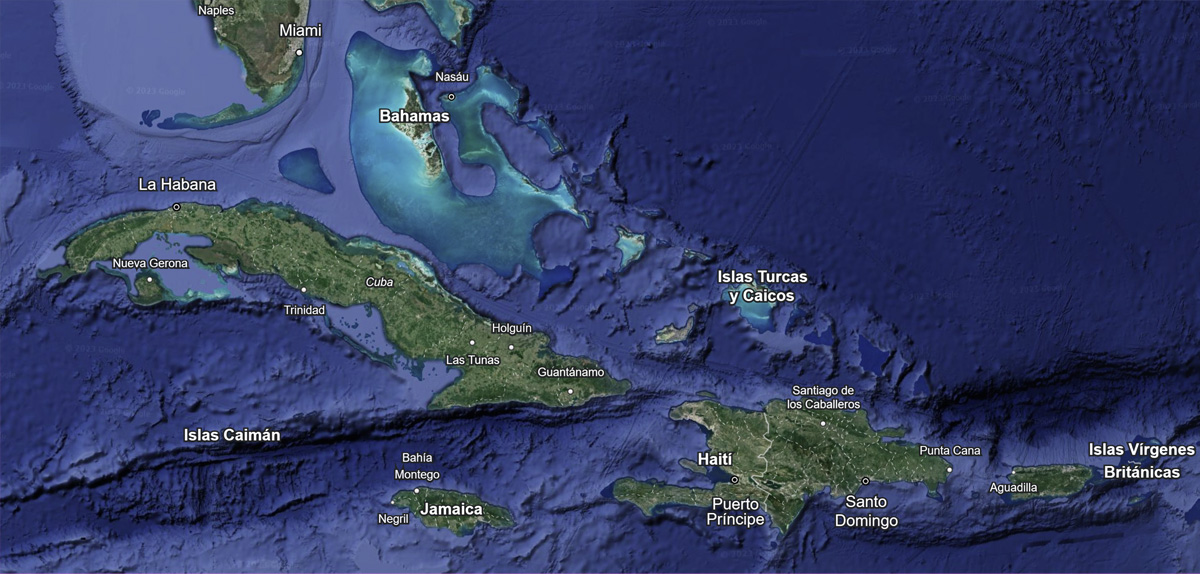
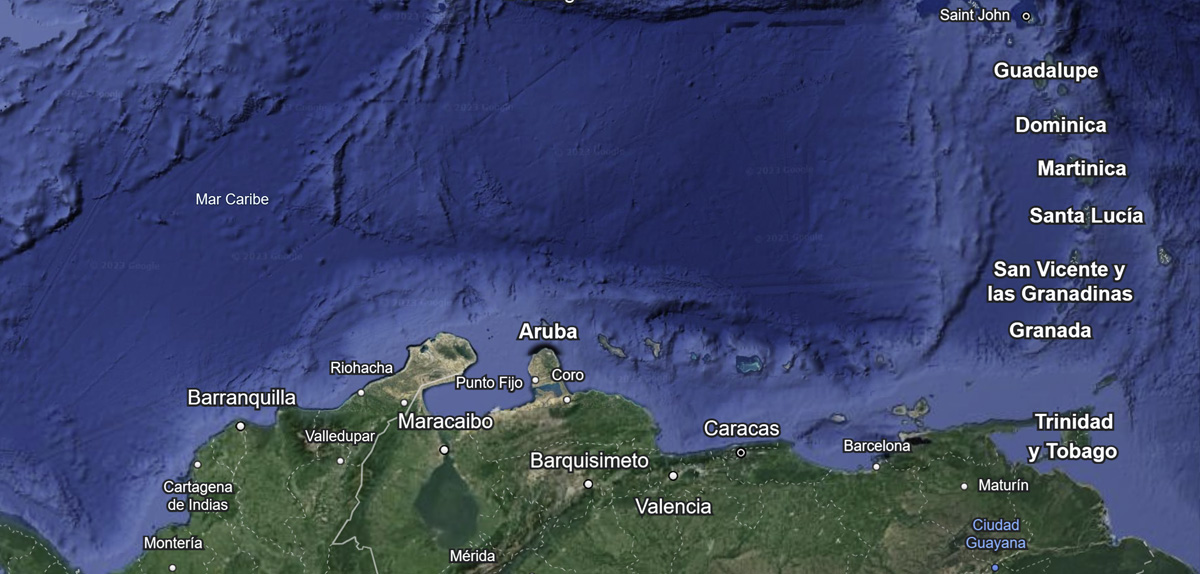
Additionally, Guaiacum officinale has been reported in Panama, the Caribbean coastal regions of Colombia and Venezuela, as well as across various Caribbean islands.
As observed across the continental Americas, either one or the other species is present—most notably Guaiacum sanctum, which dominates due to its broader geographic distribution and the existence of the largest remaining populations.
Both species, Guaiacum sanctum and Guaiacum officinale, coexist throughout the Caribbean islands. As a result, references to 'lignum vitae' in this region do not reliably indicate which species is being cited. In Cuba, Guaiacum sanctum—commonly known as royal guayacan—is reported to remain abundant, with both species present on the island.
Although Guaiacum sanctum and Guaiacum officinale have historically been the most commercially exploited and utilized species within the family, the term 'lignum vitae'—or royal guayacan—also encompasses lesser-known and less-utilized members. Among these is Guaiacum coulteri, a species so morphologically similar to G. sanctum that experts assert it is nearly impossible to distinguish between the two once the wood has been sawn. Guaiacum coulteri is native to Mexico’s Tropical Dry Forest, particularly along the Pacific coast. Additionally, Guaiacum guatemalense is recognized by specialists as a hybrid between G. sanctum and G. coulteri.