
Guayacán Real

Guayacán Real is the name of an extraordinary and renowned forest species currently facing the threat of extinction. It is also the name of a pioneering environmental restoration initiative dedicated to supporting biodiversity and preventing the disappearance of this iconic hardwood tree.
Welcome to our website, where we share the story of both the species and the project dedicated to its protection.
Guayacán Real; the forest specie
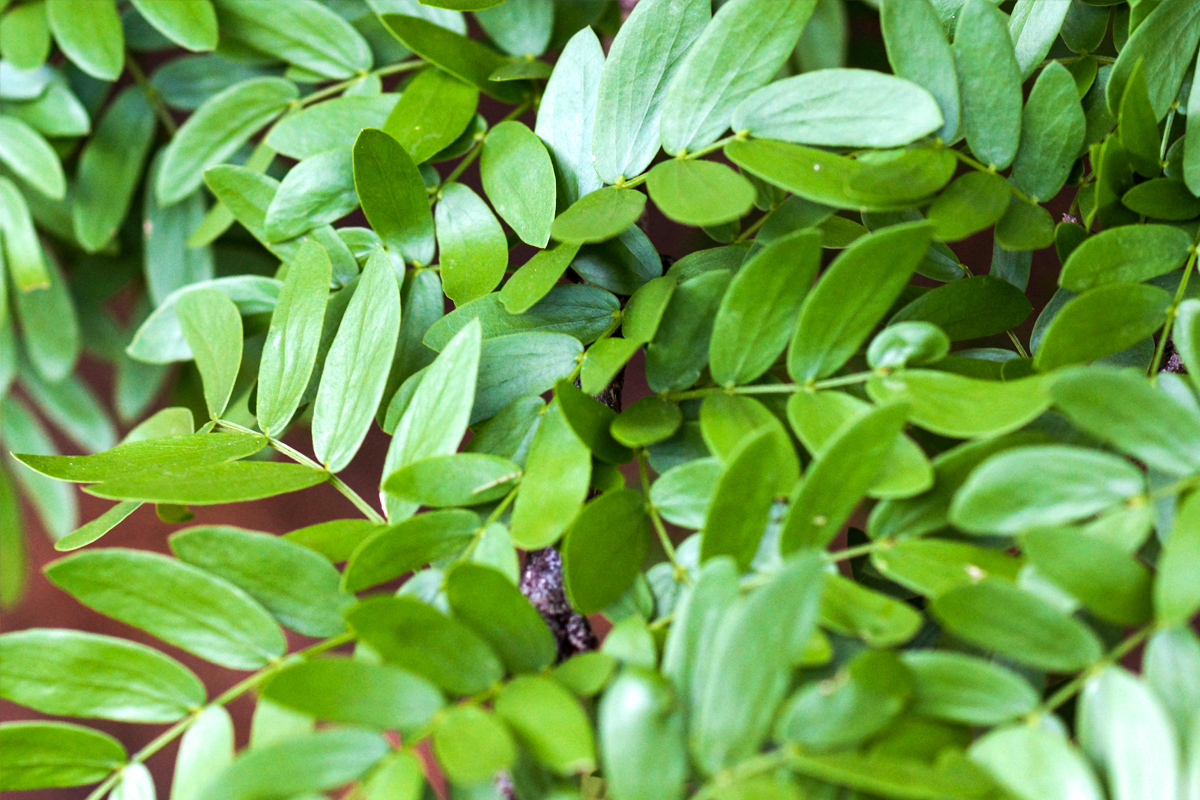
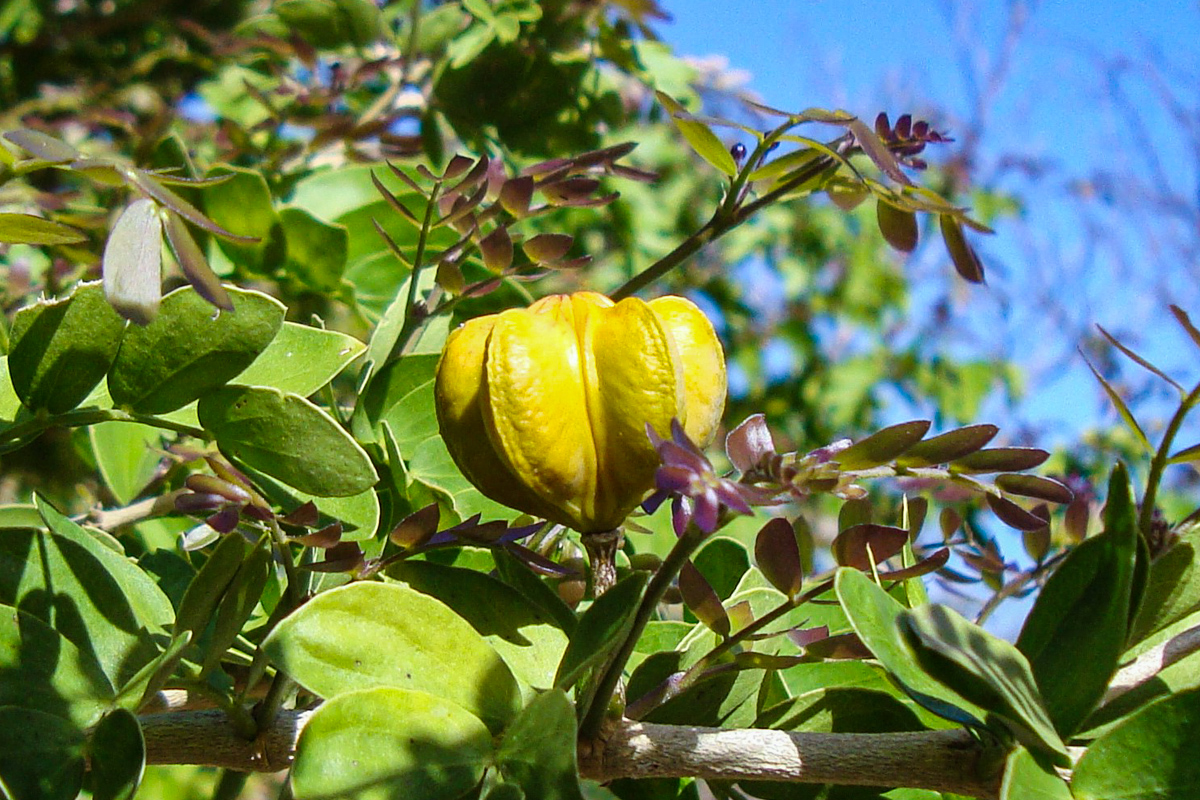
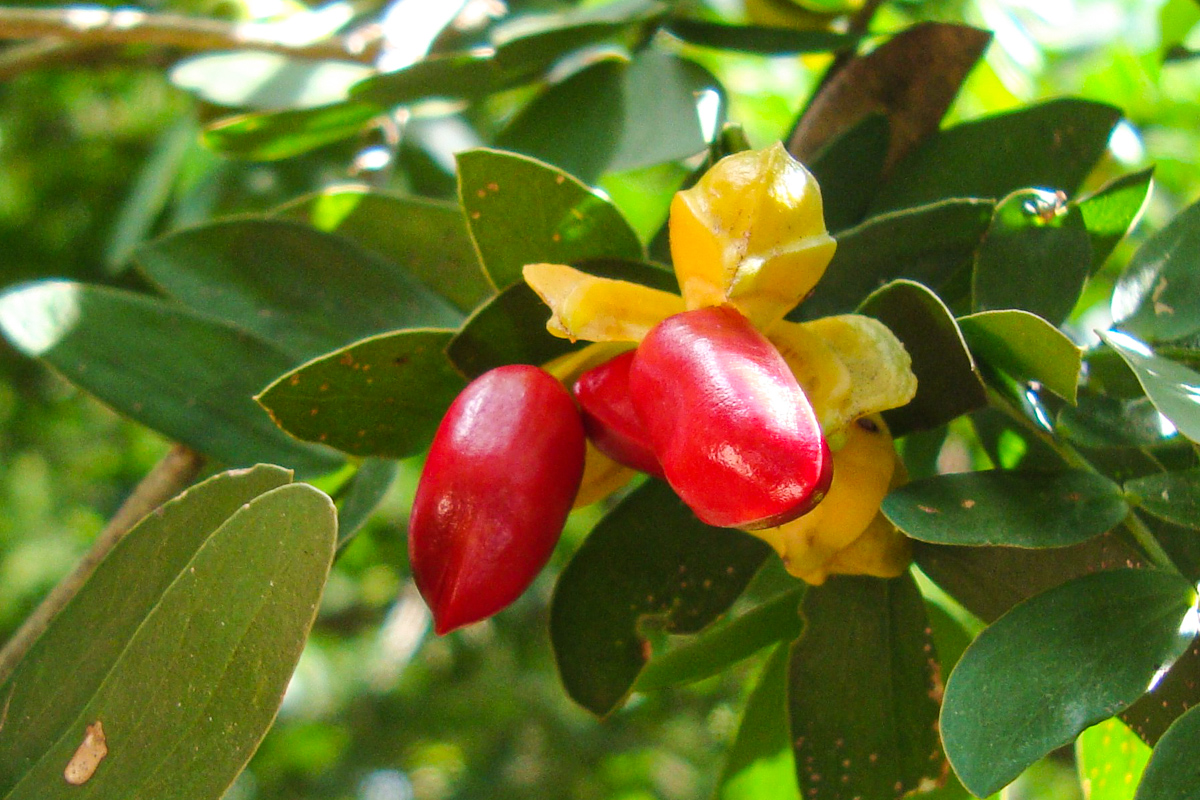
The Royal Guaiacum, scientifically known as Guaiacum sanctum, is an extraordinary forest species officially classified as endangered in Costa Rica under Executive Decree No. 25700-MINAE, issued in January 1997.
It is the most emblematic forest species of both the Tropical Dry Forest and the Caribbean Basin, to which it is endemic. Within these regions, its natural populations have been critically reduced, making its conservation a matter of urgent ecological concern.
The Royal Guaiacum, commonly known in English as Lignum Vitae, emerged onto the global stage in the late 15th century, following the arrival of Christopher Columbus to the islands of the Caribbean Sea.
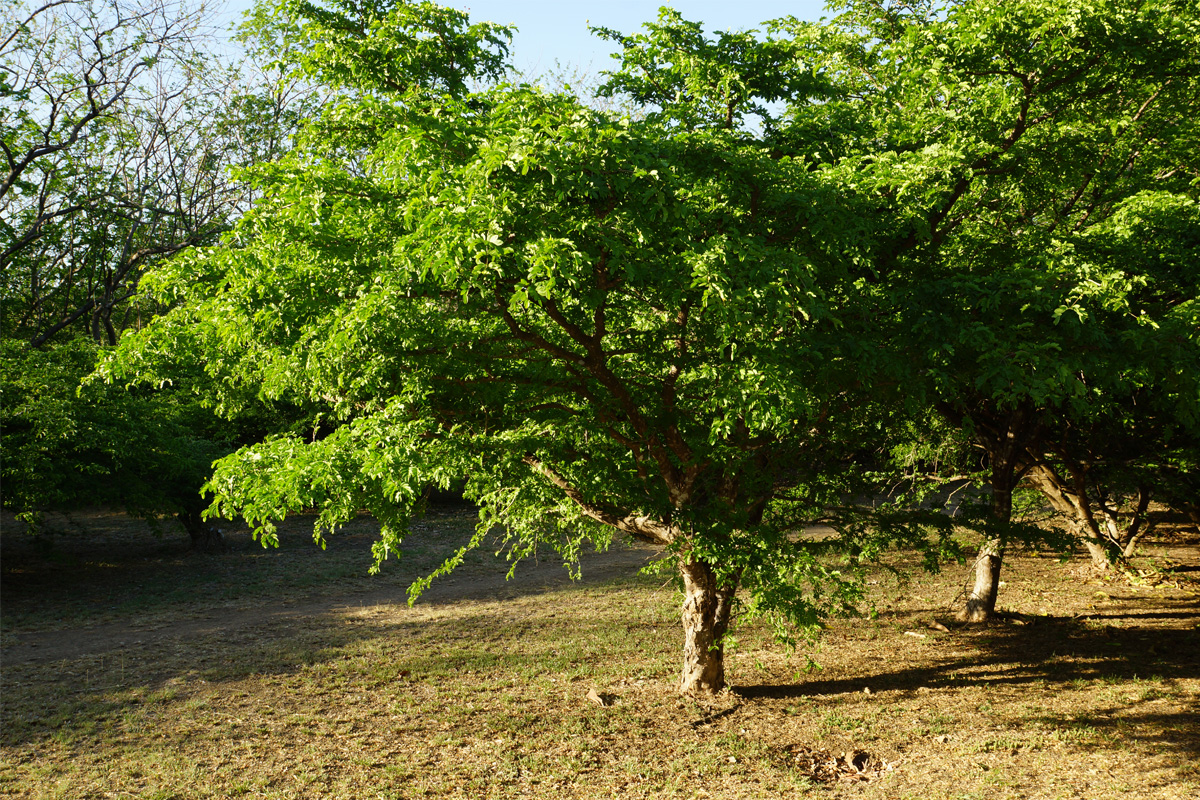
By the time the Spanish arrived in the Americas, Royal Guaiacum (Guaiacum sanctum) was abundant throughout the Caribbean islands. Its dense, durable wood and the oily resin it produces—known as guaiacol—were already integral to the cultural practices of the Indigenous peoples encountered.
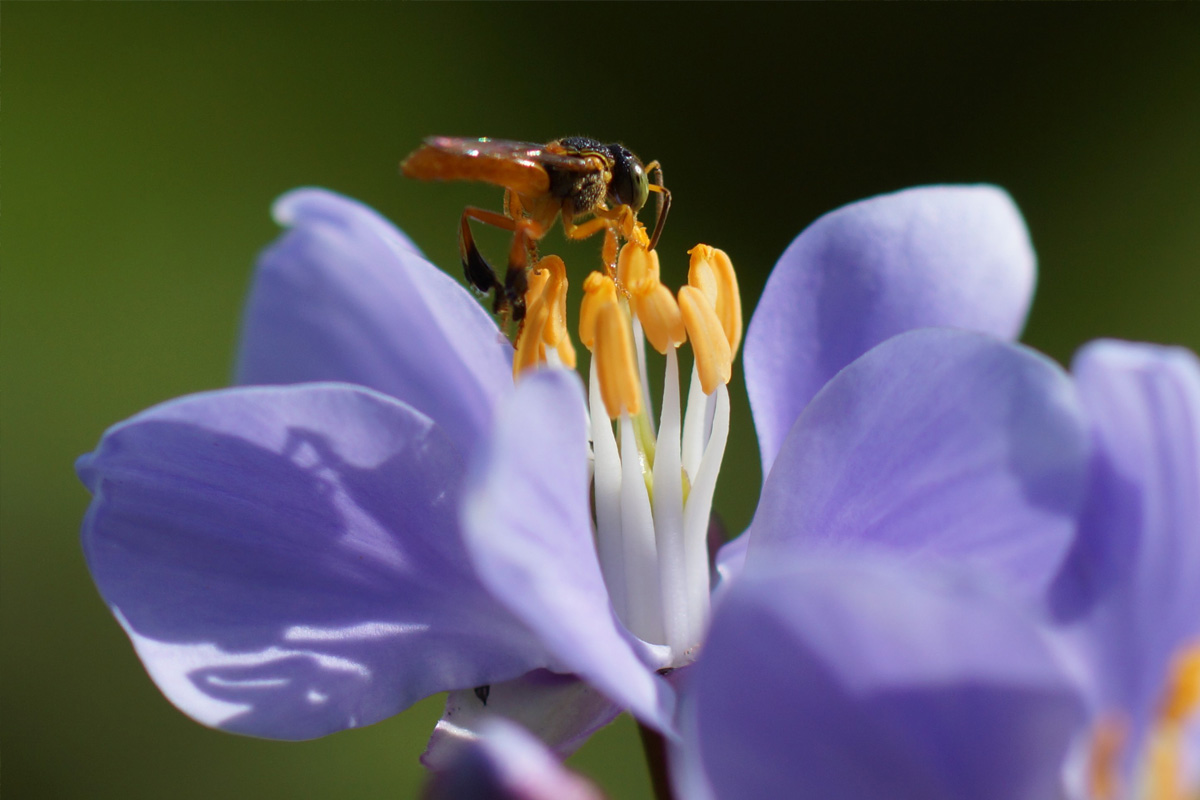
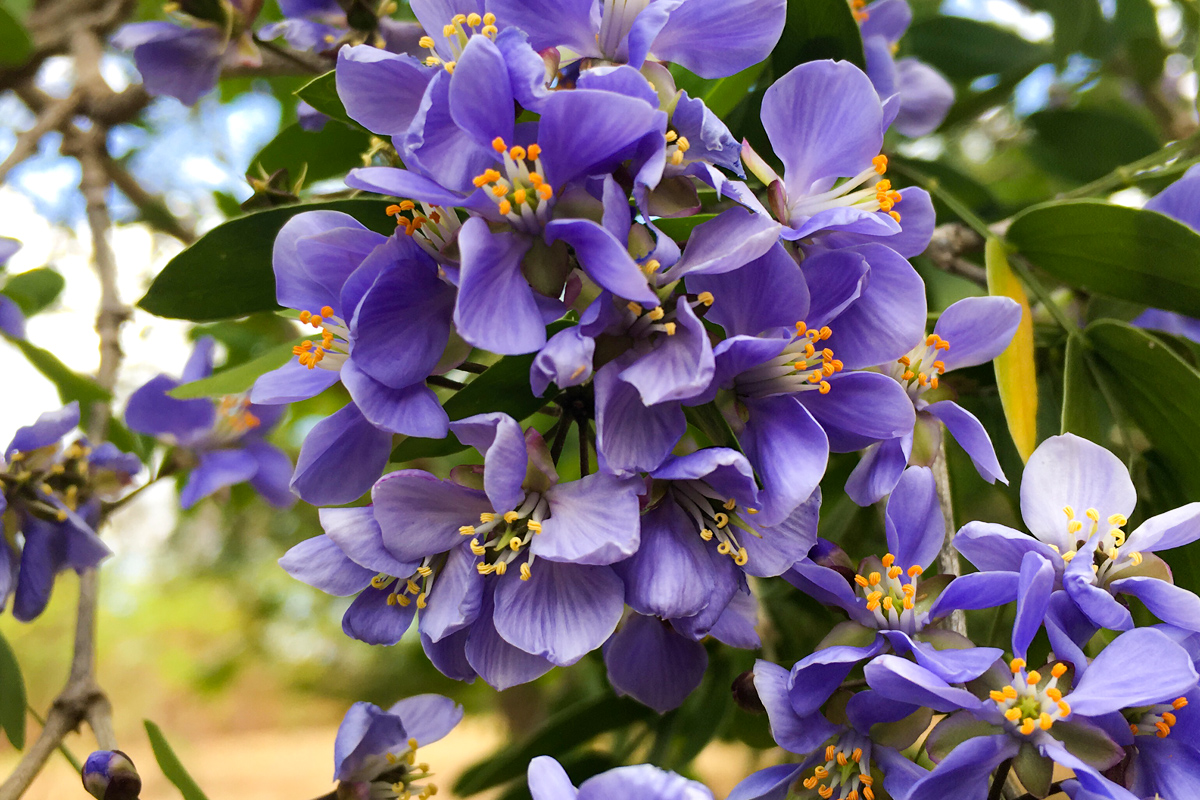
Samples of Royal Guaiacum wood were transported back to Spain, where they quickly garnered significant interest due to the species’ exceptional mechanical properties and the potential of guaiacol—its resinous extract—widely credited with medicinal qualities.
Royal Guaiacum thus became one of the earliest “export commodities” from the Americas to Europe. Over the following five centuries, it was subject to intense international trade, and due to its exceptional value, it became the only timber species commercially traded by weight rather than volume—a distinction unmatched by any other forest species.
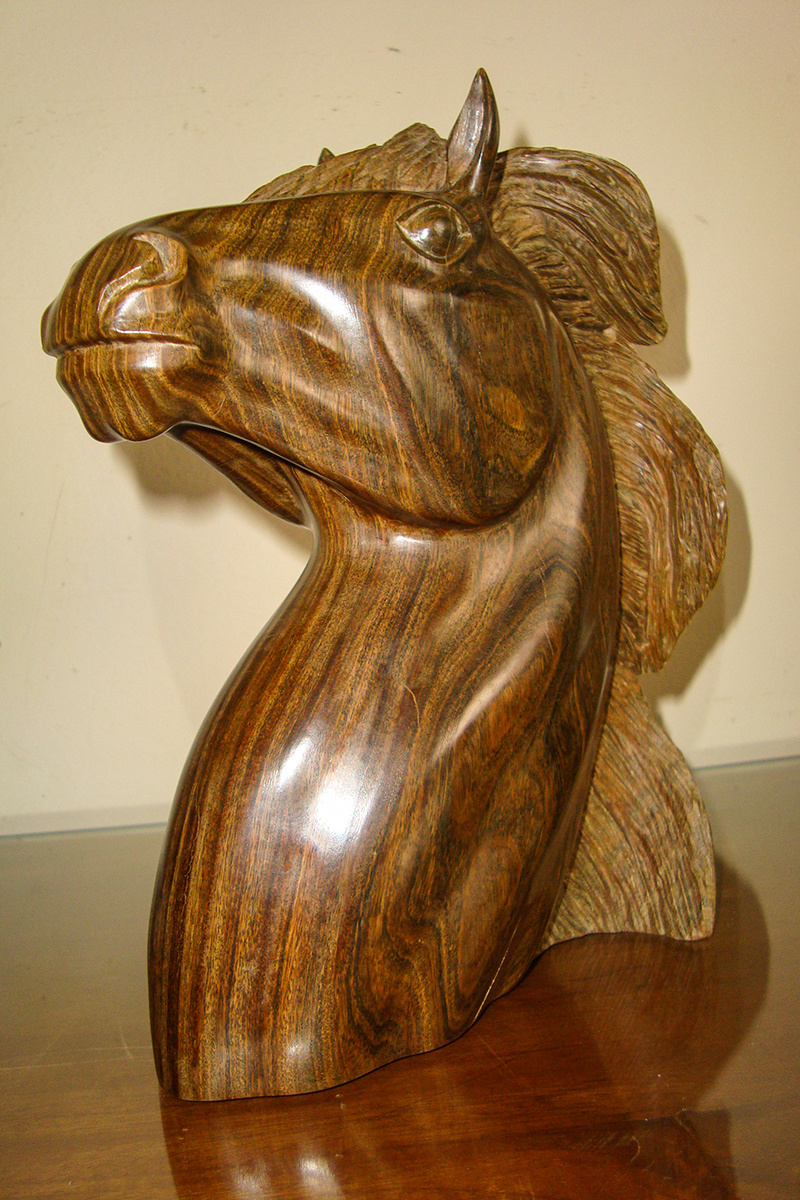
The wood of the Royal Guaiacum (Guaiacum sanctum) has proven to be an ideal material for a wide range of applications developed over time, owing to its exceptional properties: extreme hardness, striking aesthetic appeal, high density, remarkable strength and durability, and natural self-lubrication. Additionally, for centuries, guaiacol—the resin derived from this species—was in high demand due to its reputed medicinal qualities.it.
The shaft bearings of ships navigating oceans worldwide; the bearings and other critical components in hydroelectric power plants; the railroad ties of the Panama Canal Railway; the electrical insulators used in San Francisco, California; police batons in Great Britain; precision watch parts manufactured in England; and, for many years, bowling pins—all shared a common element: they were crafted from Royal Guaiacum (Guaiacum sanctum) wood.
This intense international demand for Royal Guaiacum wood, which reached levels of overexploitation, combined with the species’ extremely slow growth rate, led to a dramatic decline in its populations. In many regions where it was once abundant, the species has been entirely extirpated.
By the mid-20th century, the scarcity of Royal Guaiacum wood, coupled with advancements in the metalworking and pharmaceutical industries, ultimately curtailed centuries of excessive demand for this extraordinary forest species.
Recently, Royal Guaiacum (Guaiacum sanctum) has emerged as a symbol of environmental conservation and the global effort to prevent the extinction of valuable forest species. Today, handcrafted items made from its wood represent virtually the only means of experiencing this rare material firsthand. Meanwhile, the pharmaceutical and cosmetics industries continue to express interest in guaiacol, the resin derived from the species, due to its notable bioactive properties.
Currently, the international trade of Royal Guaiacum (Guaiacum sanctum) wood is regulated and restricted, as the species is listed under Appendix II of CITES (the Convention on International Trade in Endangered Species of Wild Fauna and Flora). This designation aims to ensure that commercial exploitation does not threaten its survival in the wild.
The quality of Royal Guayacan woodcrafts:
Guayacán Real; the project
Royal Guaiacum is also the name of a pioneering environmental restoration and biodiversity support initiative launched in 1991. Its primary objective is to help prevent the extinction of the forest species Guaiacum sanctum—commonly known as Lignum Vitae—within a comprehensive framework that encompasses:
- Environmental restoration
- Biodiversity support
- Conservation efforts aimed at preventing the extinction of other valuable species, both flora and fauna, native to the Tropical Dry Forest ecosystem
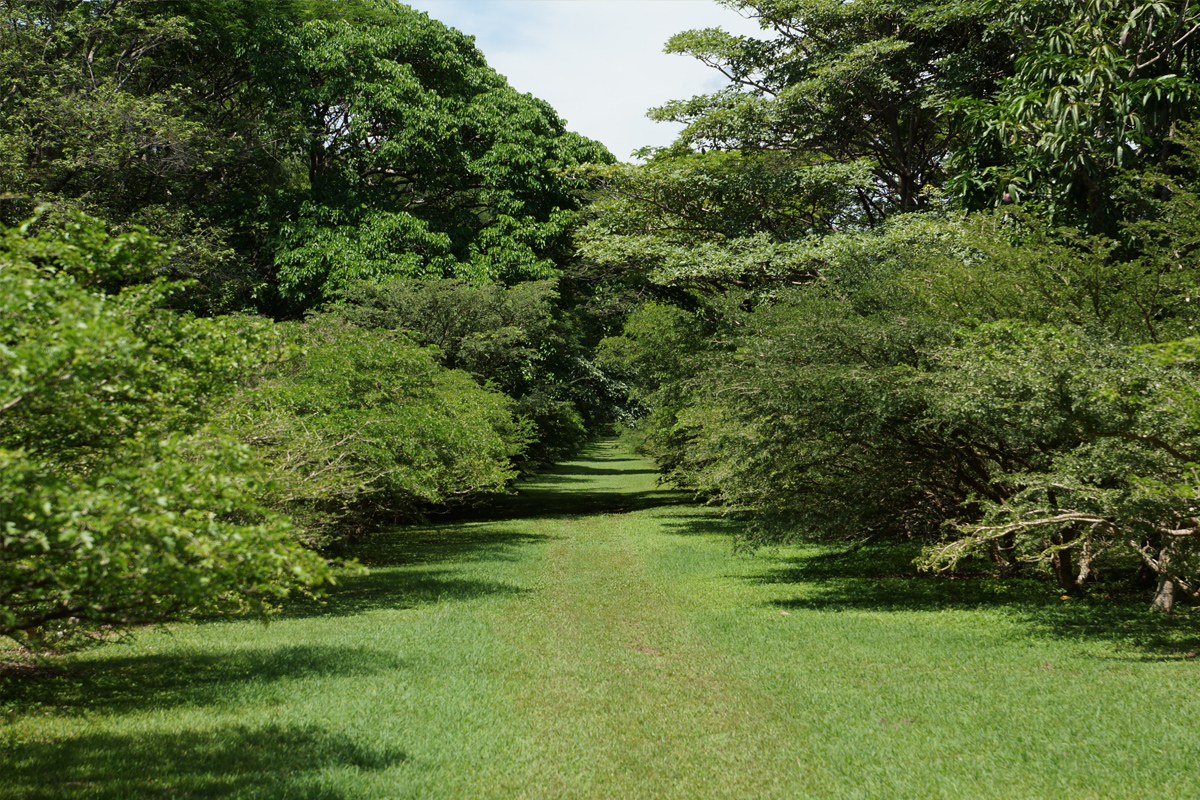
The forest species Royal Guaiacum (Guaiacum sanctum) has become the cornerstone and emblematic symbol of this valuable and pioneering environmental initiative, which has been underway for over three decades at Finca San Lorenzo. This site is located just one kilometer from the shores of Bahía Salinas, in the North Pacific region of Costa Rica, within the canton of La Cruz, province of Guanacaste.
The project originated on a former pasture spanning 14 hectares, which had been used for decades in extensive cattle ranching. At the time, its degraded soils were subjected to annual burning practices aimed at promoting the growth of a single grass species. The property contained only a sparse number of trees.
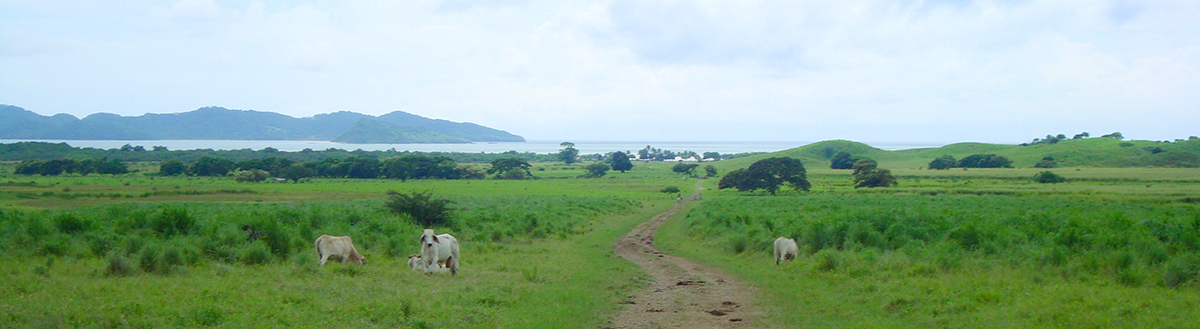
Characteristic Features of Livestock Farms in Guanacaste, Costa Rica.
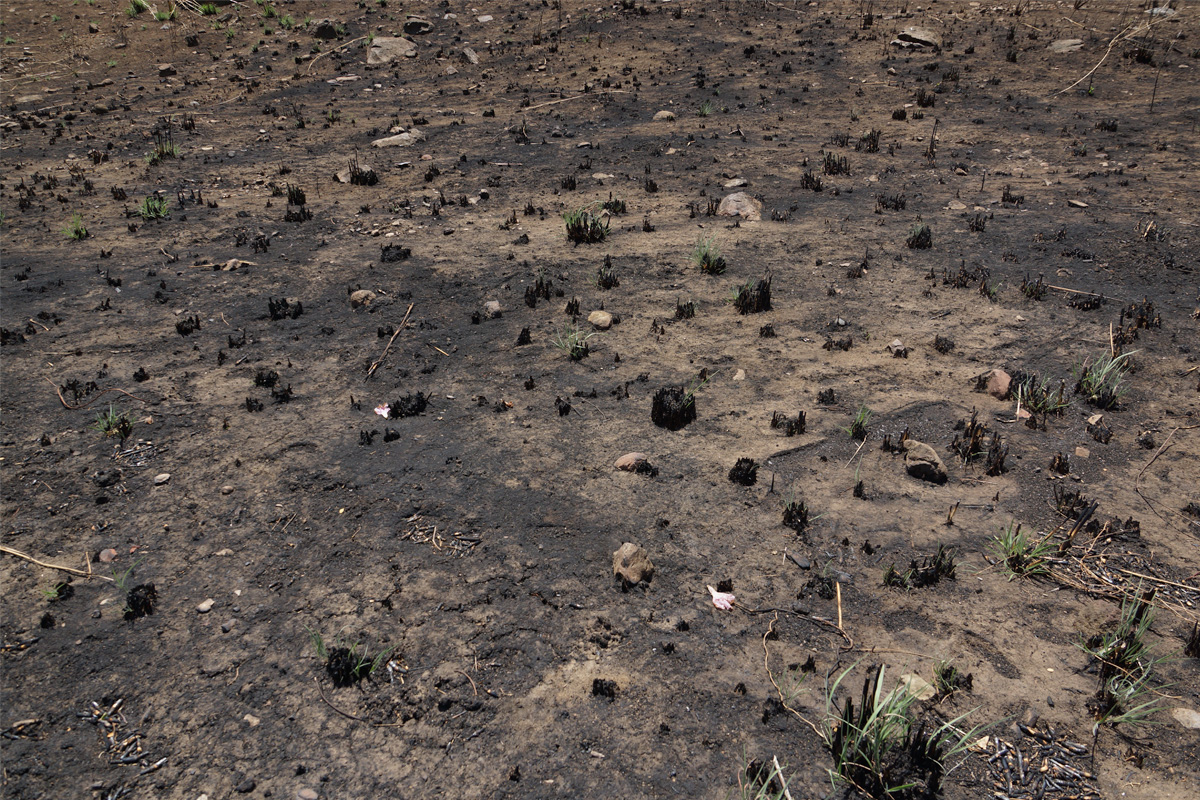
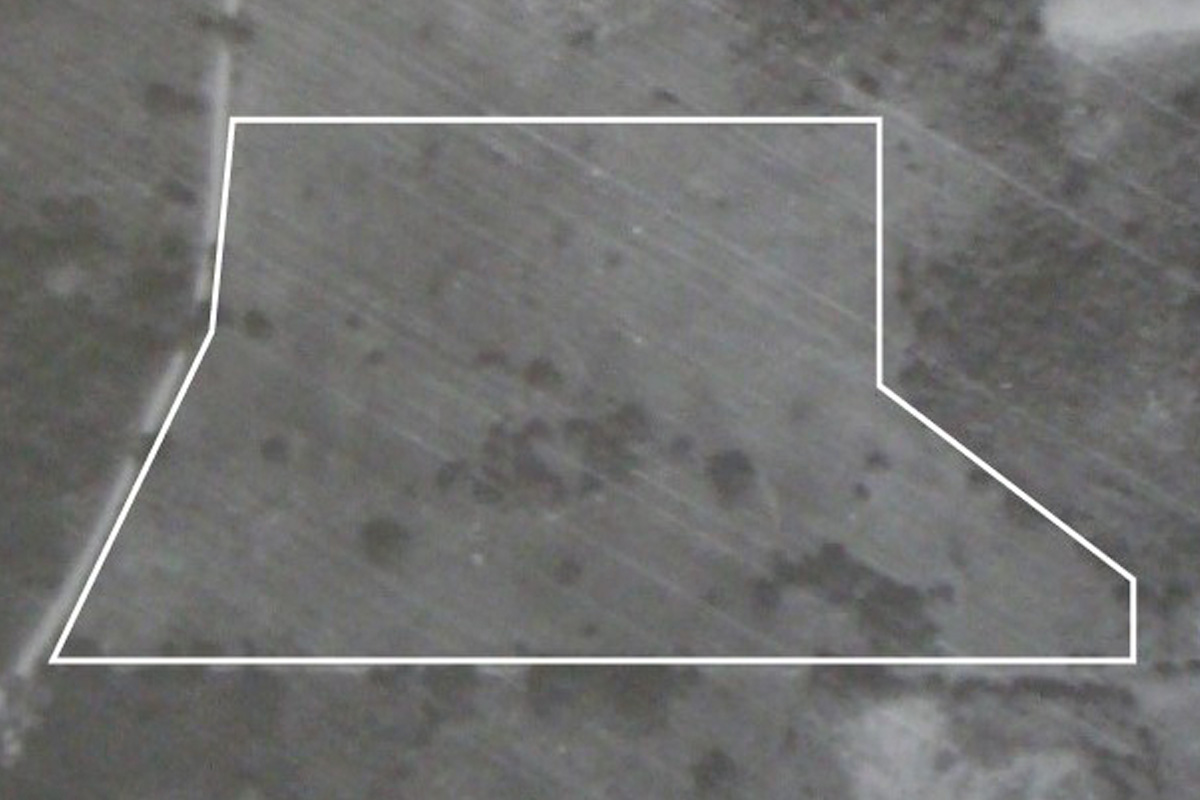
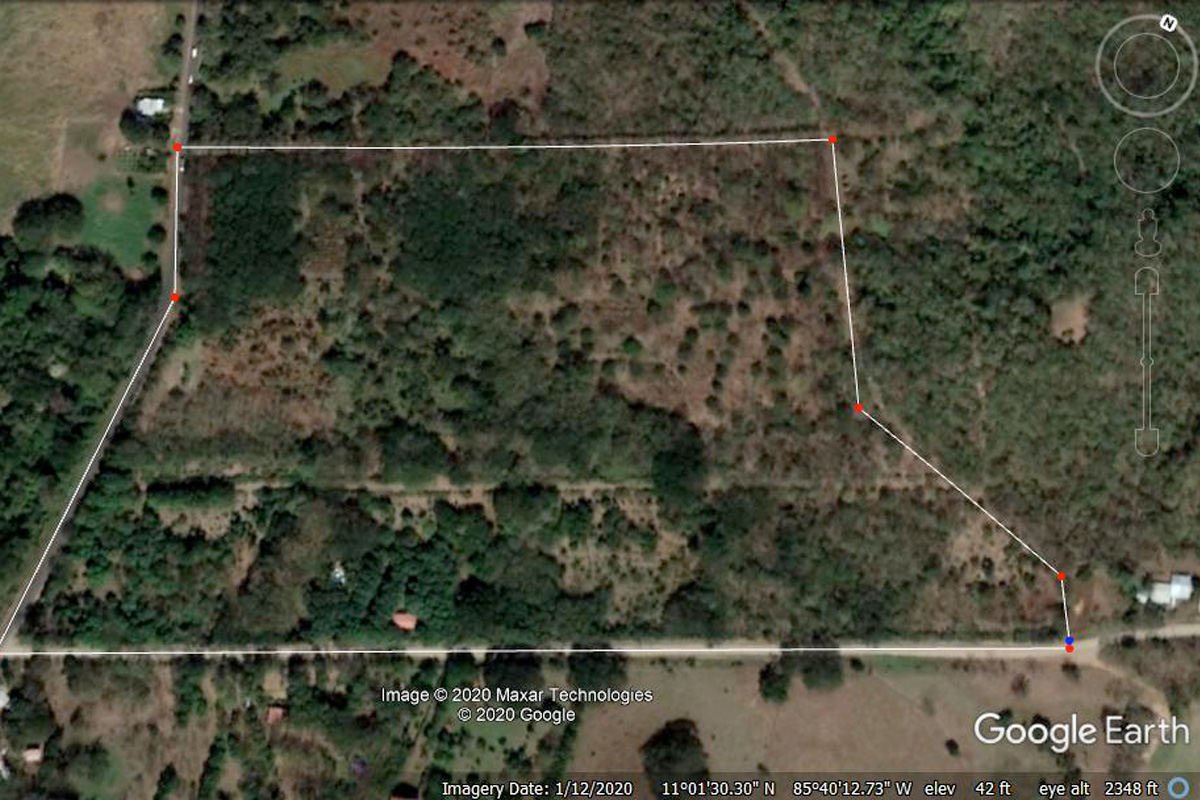
As of today, the environmental condition of the area hosting the project has improved dramatically, thanks to the outcomes of various programs implemented over the course of the past three decades. These programs include:
1
The eco-reforestation program.
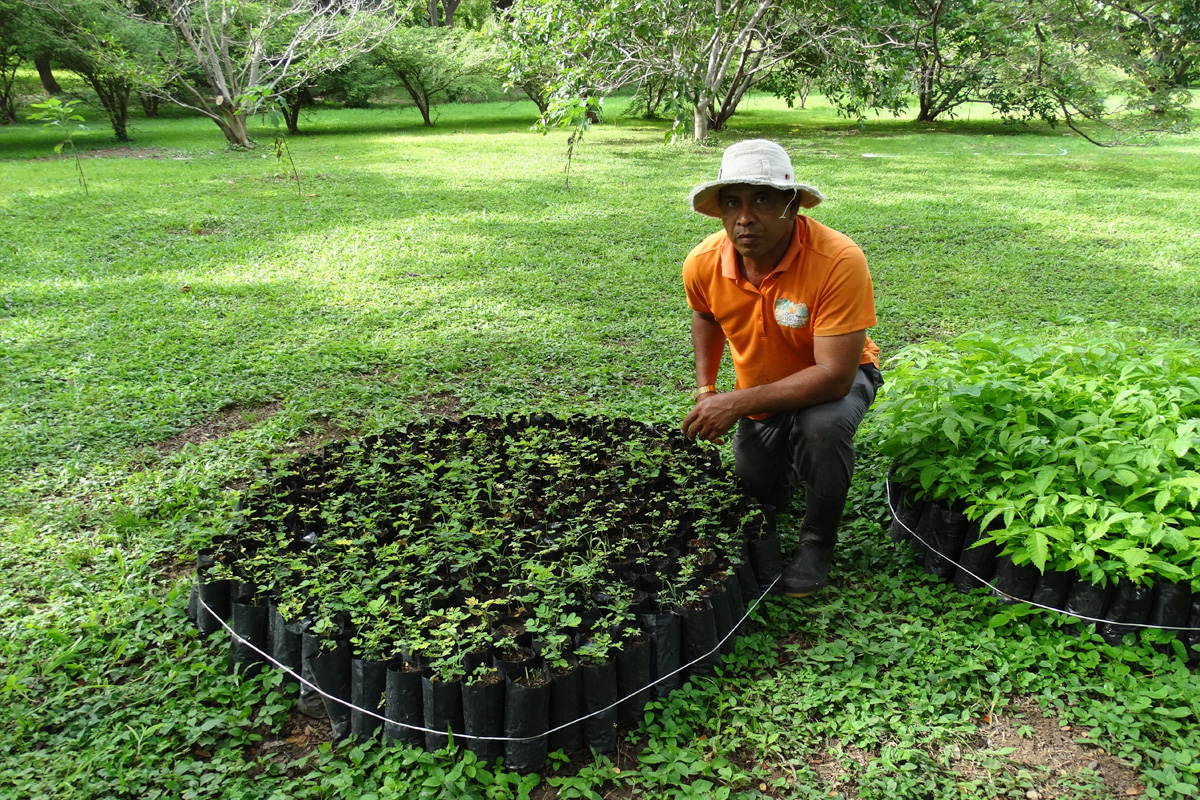
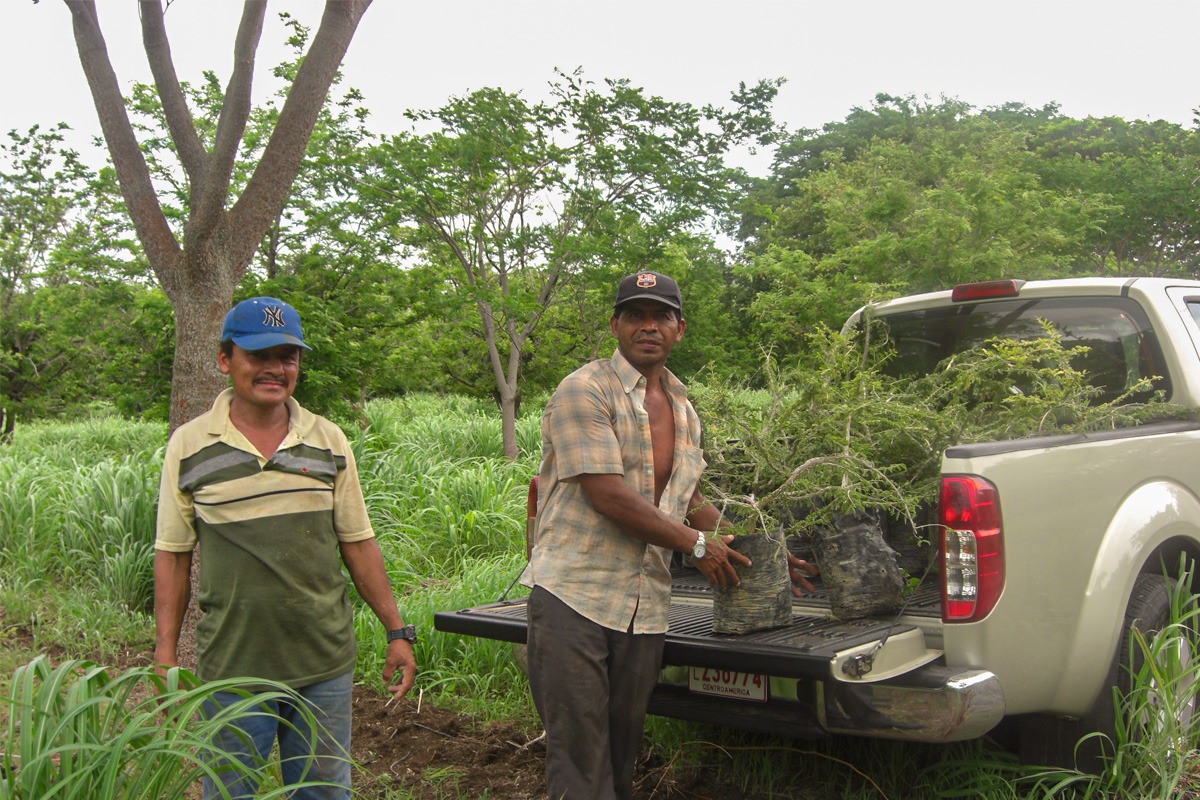
Through this program, thousands of trees, shrubs, and plants have been planted within the project area, representing a wide array of native species characteristic of the Tropical Dry Forest. Several of these species are either endangered or have severely diminished populations
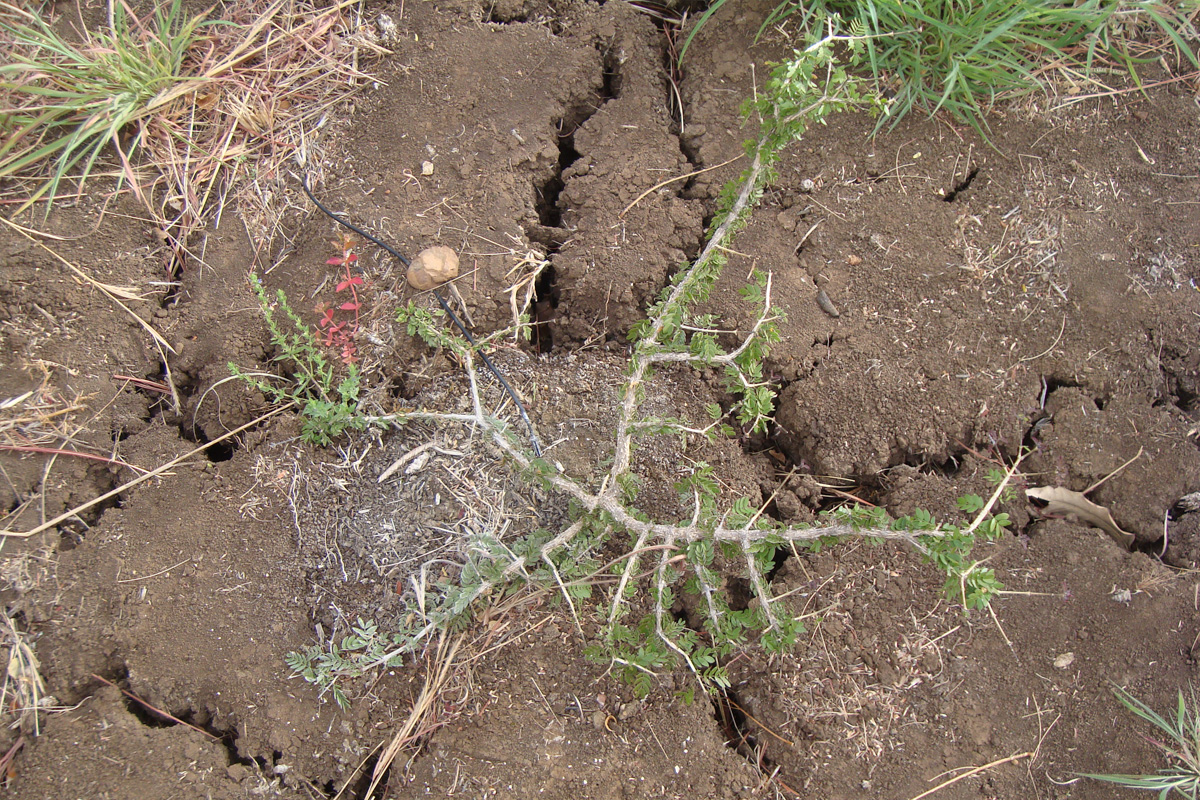
This program has been a true test of perseverance, overcoming numerous challenges from its inception in a highly inhospitable environment. It has repeatedly faced the impacts of the El Niño climate phenomenon, including the severe droughts it brings. Despite these adversities, the experience has been profoundly enriching—marked by significant achievements and valuable lessons learned.
2
The Royal Guaiacum Planting Program.
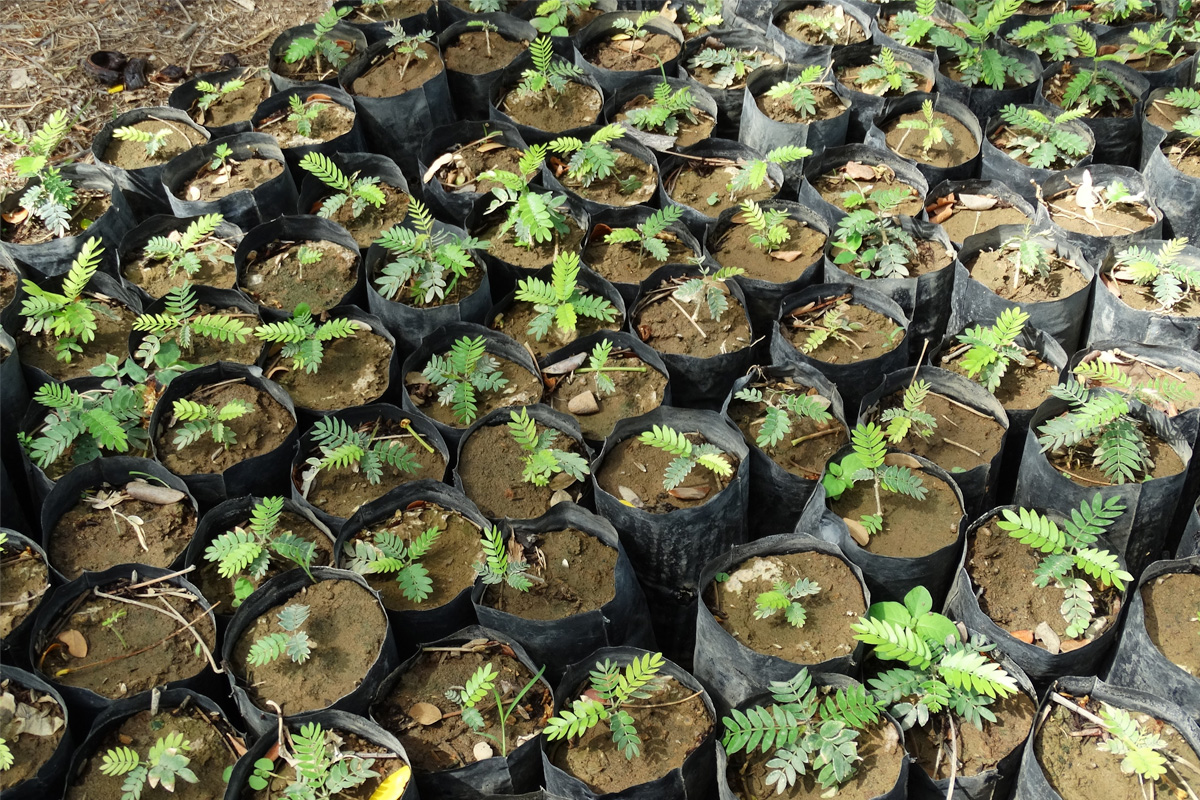
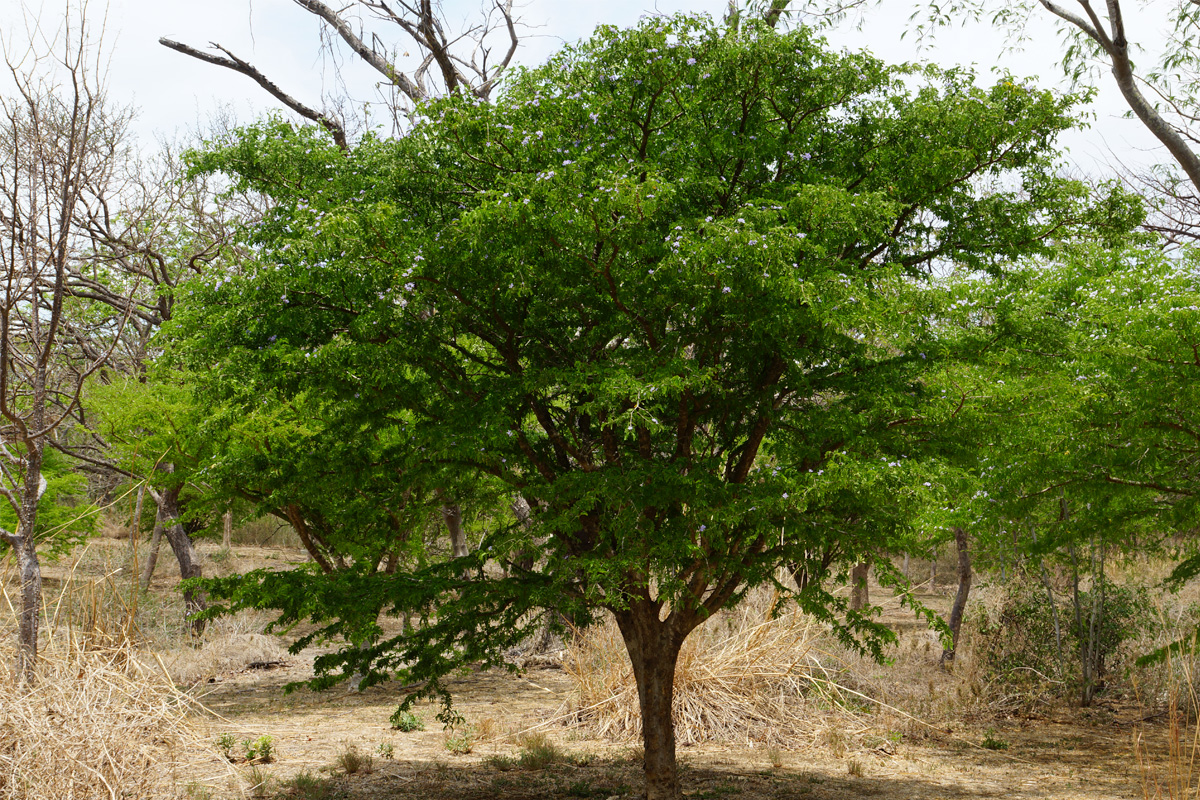
Over the past three decades, this program has successfully planted and nurtured more than 1,000 Royal Guaiacum (Guaiacum sanctum) trees, some of which now exceed 4 meters in height and 20 centimeters in basal diameter. At present, several hundred young Royal Guaiacum saplings are being cultivated in the nursery, awaiting the appropriate size for field transplantation.
3
The MAGÓN custody program
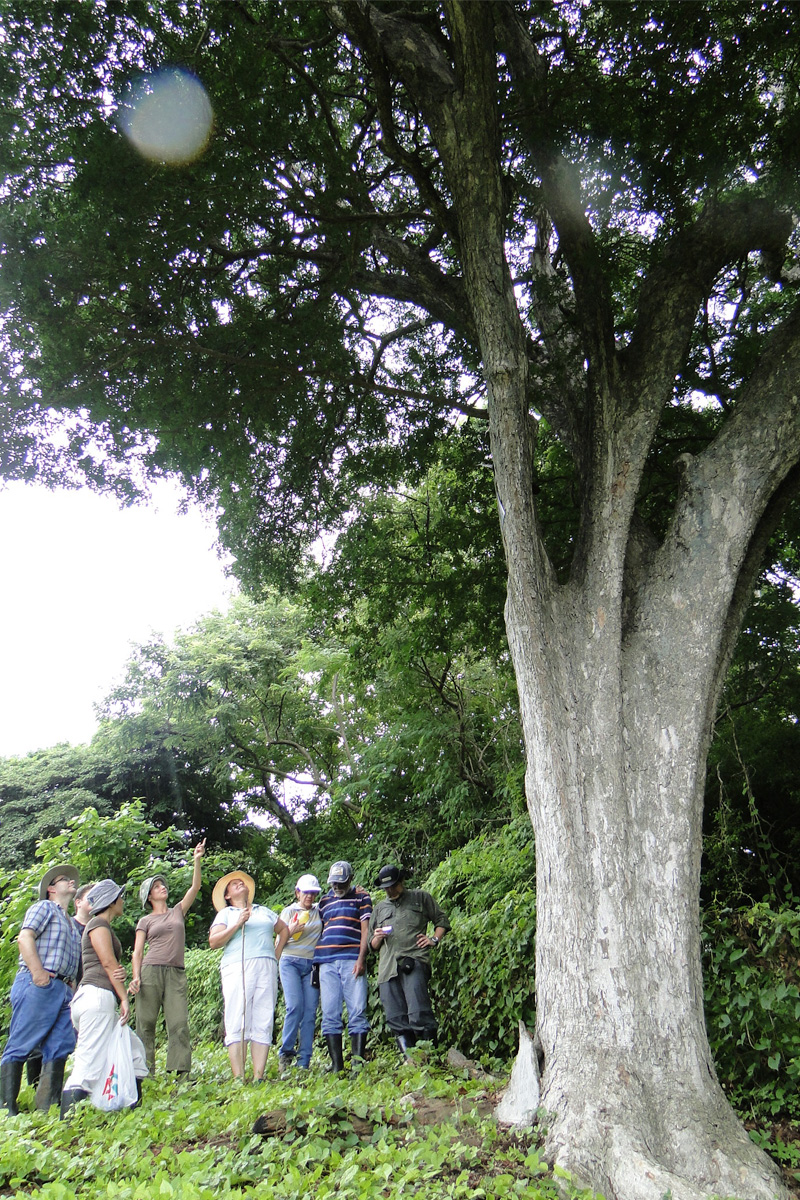
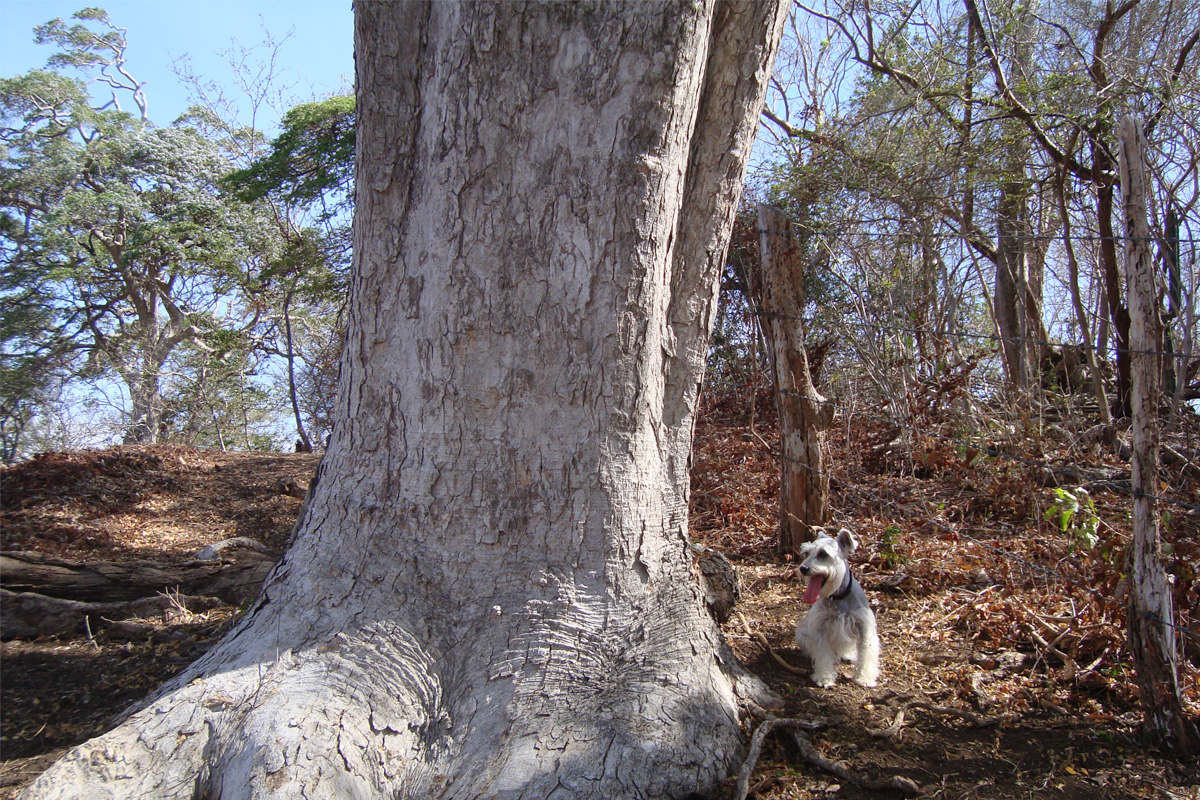
Through this program, we seek to honor and safeguard this renowned and extraordinary living being for present and future generations. MAGÓN stands as the flagship tree of the project and the emblem of our commitment to preventing the extinction of the Royal Guaiacum (Guaiacum sanctum).
MAGÓN is the name we have given to a Royal Guaiacum (Guaiacum sanctum) located within the project area, whose age spans several centuries. Undoubtedly, it is among the oldest known specimens of its kind. Perched atop a hill, MAGÓN has stood for generations as the venerable sentinel of Bahía Salinas.
The Royal Guaiacum saplings planted throughout the project are, for the most part, direct descendants of MAGÓN. What better way to honor and preserve its legacy than by allowing its lineage to take root and flourish across San Lorenzo.
4
The native bee rescue program.
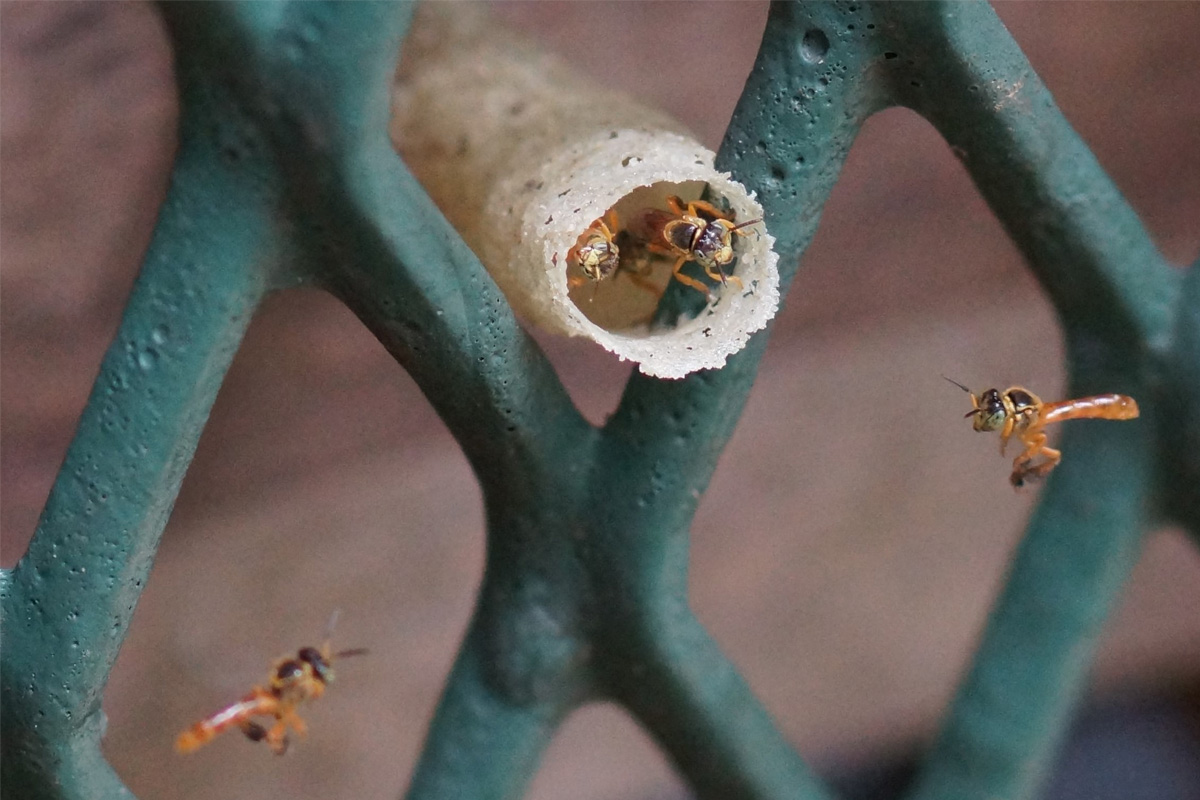
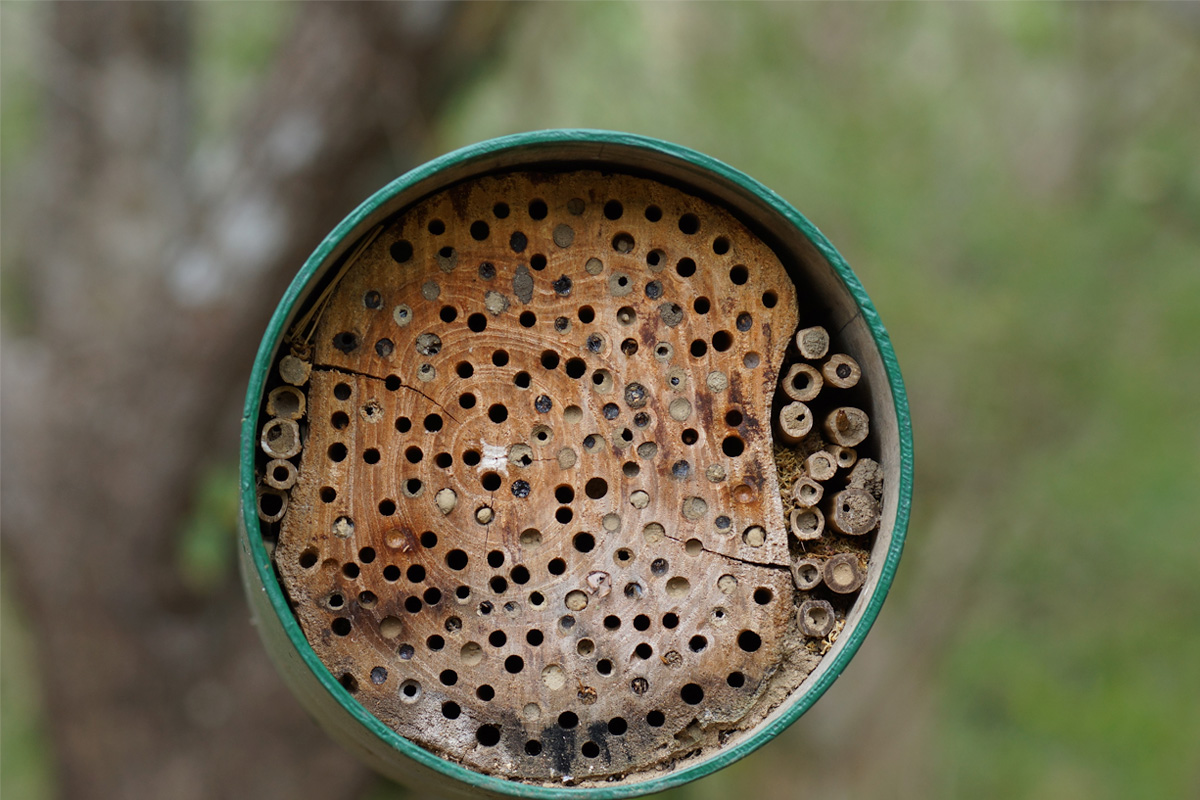
Through this program, the project area—Finca San Lorenzo—is being transformed into a sanctuary for native bees. The initiative aims to create an optimal habitat that supports their nesting and reproduction, fostering the recovery and sustainability of these essential pollinators.
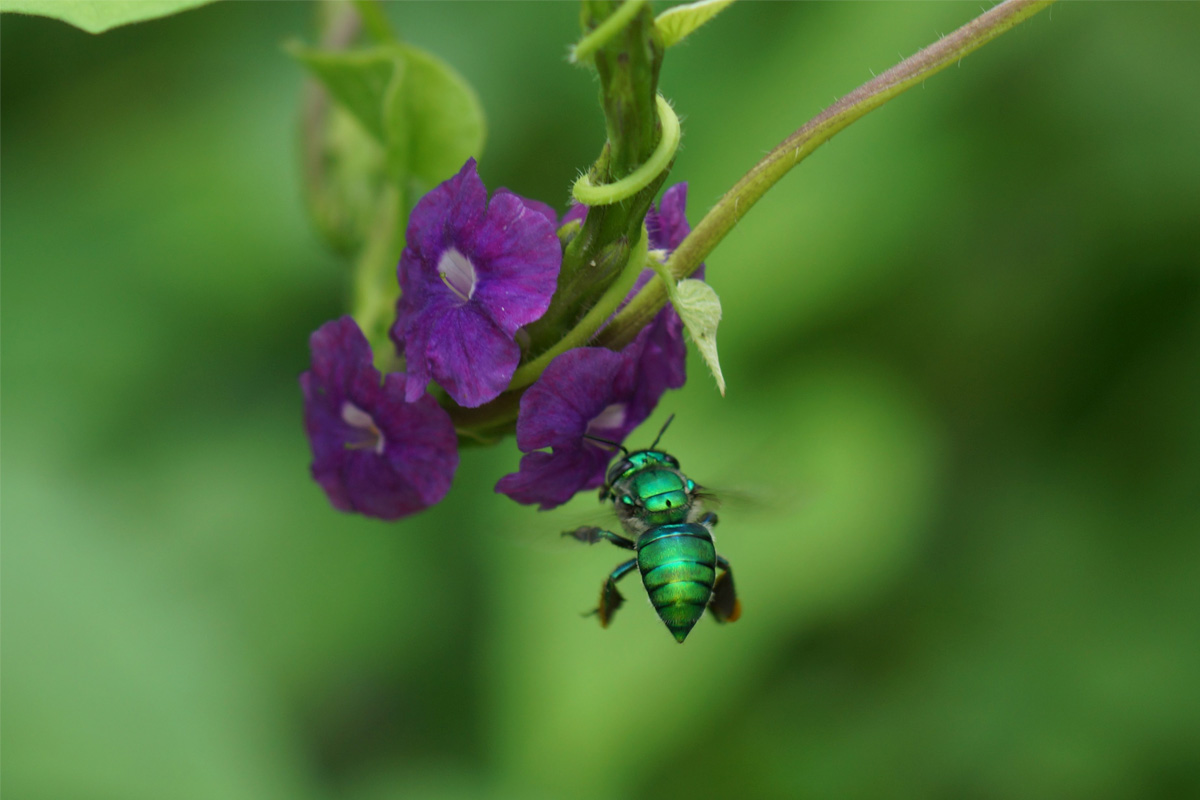
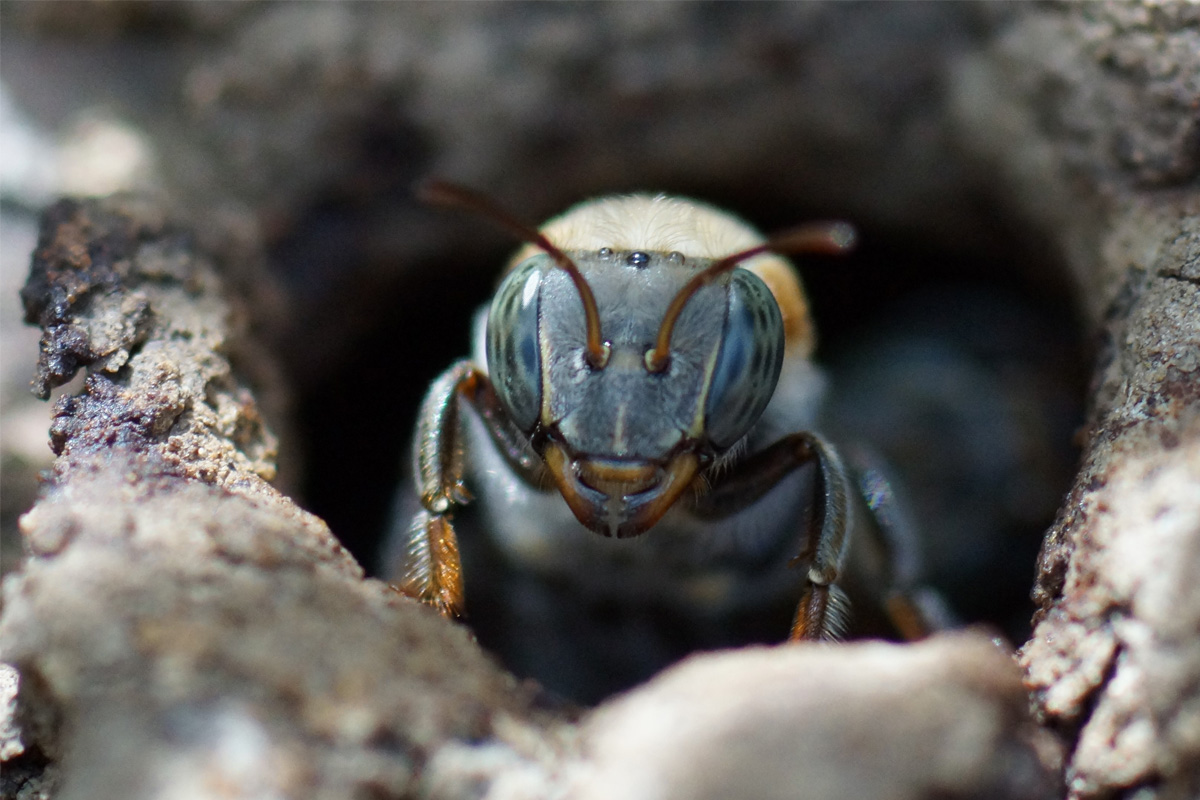
The flowering of the trees planted throughout the project has naturally encouraged the gradual return of an increasingly diverse array of native bee species—both social bees, which live in colonies, and solitary bees
These are the bee species that, for tens of millions of years, have played a crucial role in the pollination of the tropical forests of the Americas. Yet, their existence remains largely unknown to most people, who commonly associate bees only with Apis mellifera—a species introduced from Europe just a few centuries ago.
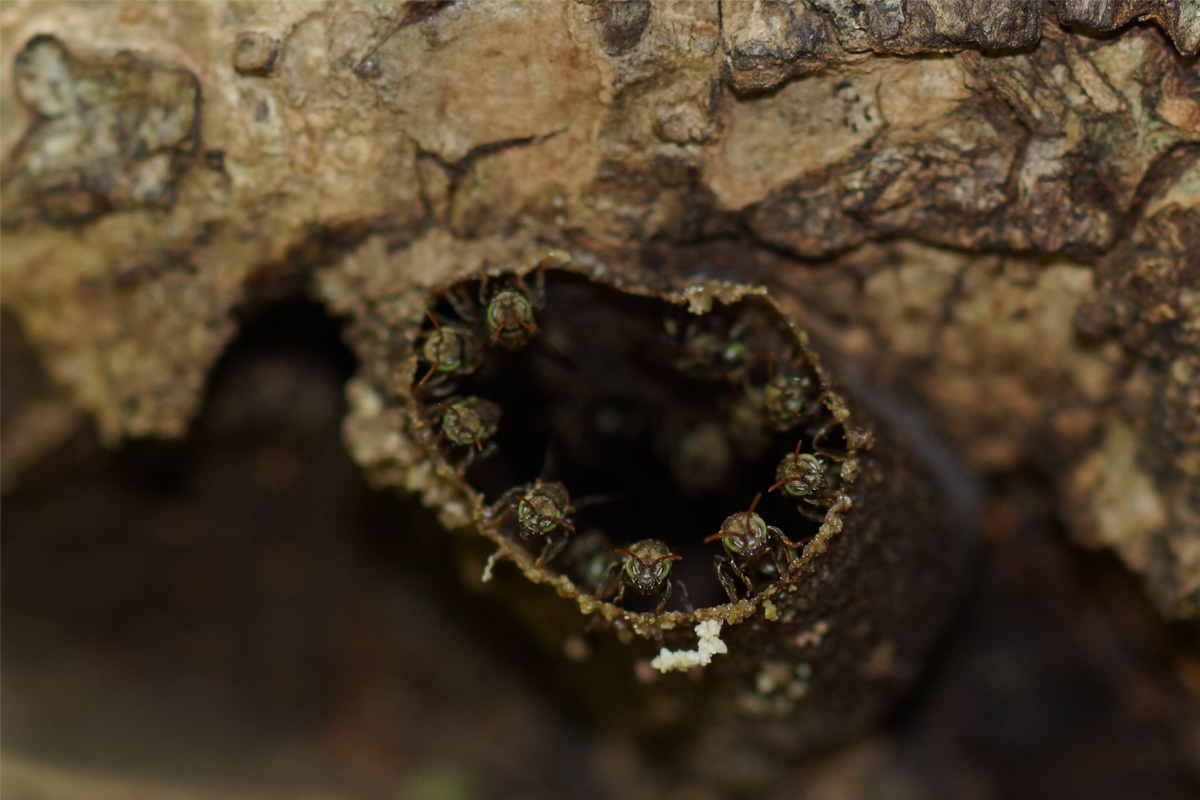
Native bees are part of a heritage—both natural and cultural—that has been dramatically diminished over the past few decades, especially since the latter half of the 20th century.
The book Abejas de Costa Rica, published by the Editorial of the University of Costa Rica in 2021, concludes with a heartfelt tribute to the Guayacán Real Project at Finca San Lorenzo, highlighting it as an exemplary initiative.
The rich presence of diverse native bee species has come to crown the environmental restoration process carried out within the project.
5
The Melipona beecheii rescue program.
Through this program, targeted actions are being undertaken to help prevent the extinction of the native bee species Melipona beecheii.
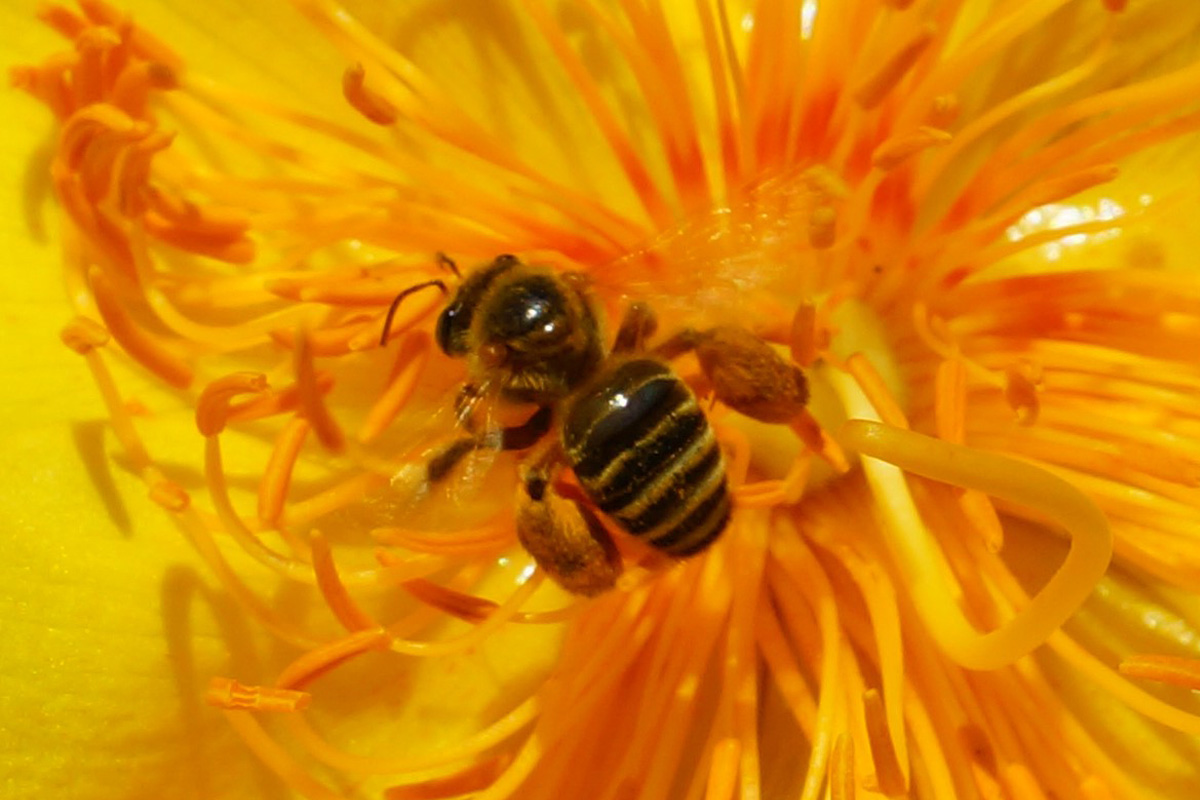
Among the various native bee species of the Tropical Dry Forest, there is one particularly valuable and renowned, whose current population is critically reduced, having disappeared from vast regions. It is the ancient sacred bee of the Maya people, whose honey once served as a form of currency for barter and tribute payments.
Due to their remarkable docility and gentleness, as well as the exceptional flavor of their honey, Melipona beecheii hives were traditionally placed along corridors and under eaves of homes, often treated with the affection reserved for household pets. Once a year, residents would harvest the honey from these hives and store it for use as a natural sweetener in foods and beverages throughout the year.
This cultural heritage gradually faded with the decline of the species and the widespread adoption of commercial sugar. Within the project, dedicated efforts have been made to prevent its extinction by planting forest species that provide suitable habitat and by creating conditions that support nesting and reproduction.
6
Wildlife and biodiversity support program.
Through this program, targeted actions are being implemented to support wildlife and biodiversity within the project area.
This program is complemented by the eco-reforestation initiative, adding a critical component: the establishment of a network of freshwater watering stations strategically located throughout the area. These stations provide essential access to water for wildlife in a region where natural sources often dry up completely during the dry season.
This resource, which has required significant investment in hydraulic infrastructure, is especially valuable for wildlife—particularly during years of severe drought caused by the El Niño–Southern Oscillation (ENSO) climate phenomenon.
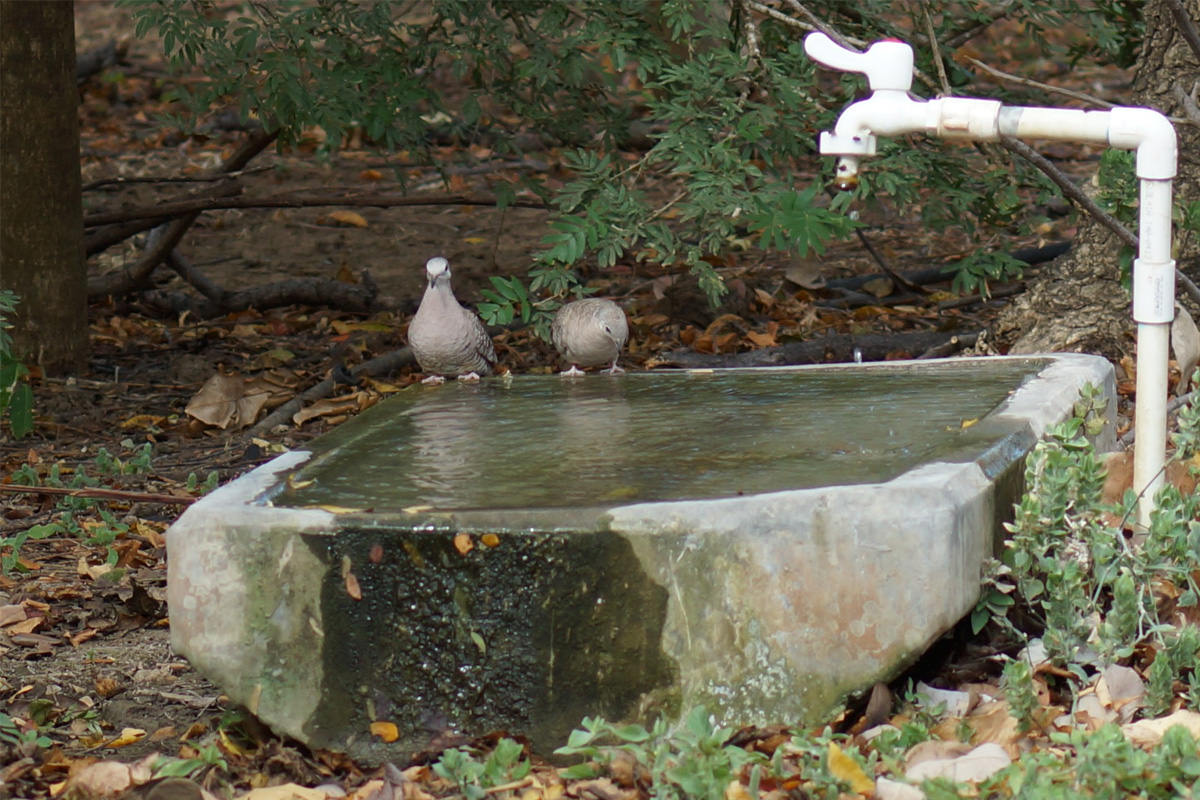
Los resultados obtenidos han sido en sumamente gratificantes: el regreso al área del proyecto de una creciente diversidad de fauna, que enriquece el entorno en el cual se está contribuyendo a preservar el guayacán real.
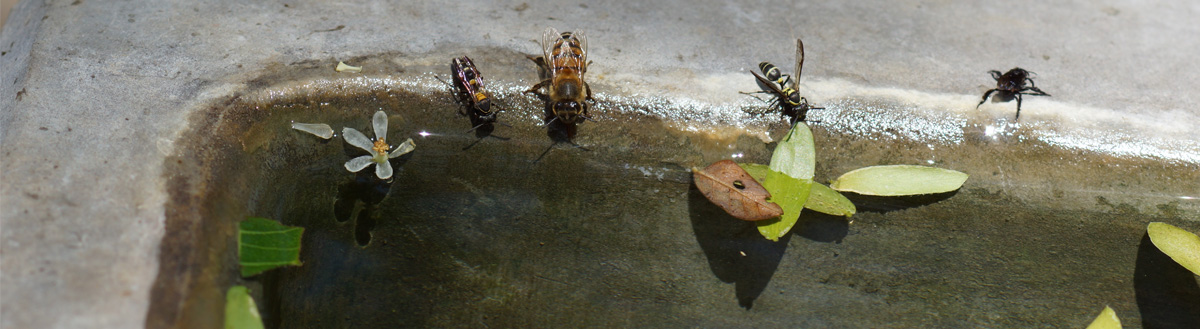
Various Species of Bees and Wasps Drinking Water at the San Lorenzo Watering Stations, as Part of the Wildlife and Biodiversity Program.
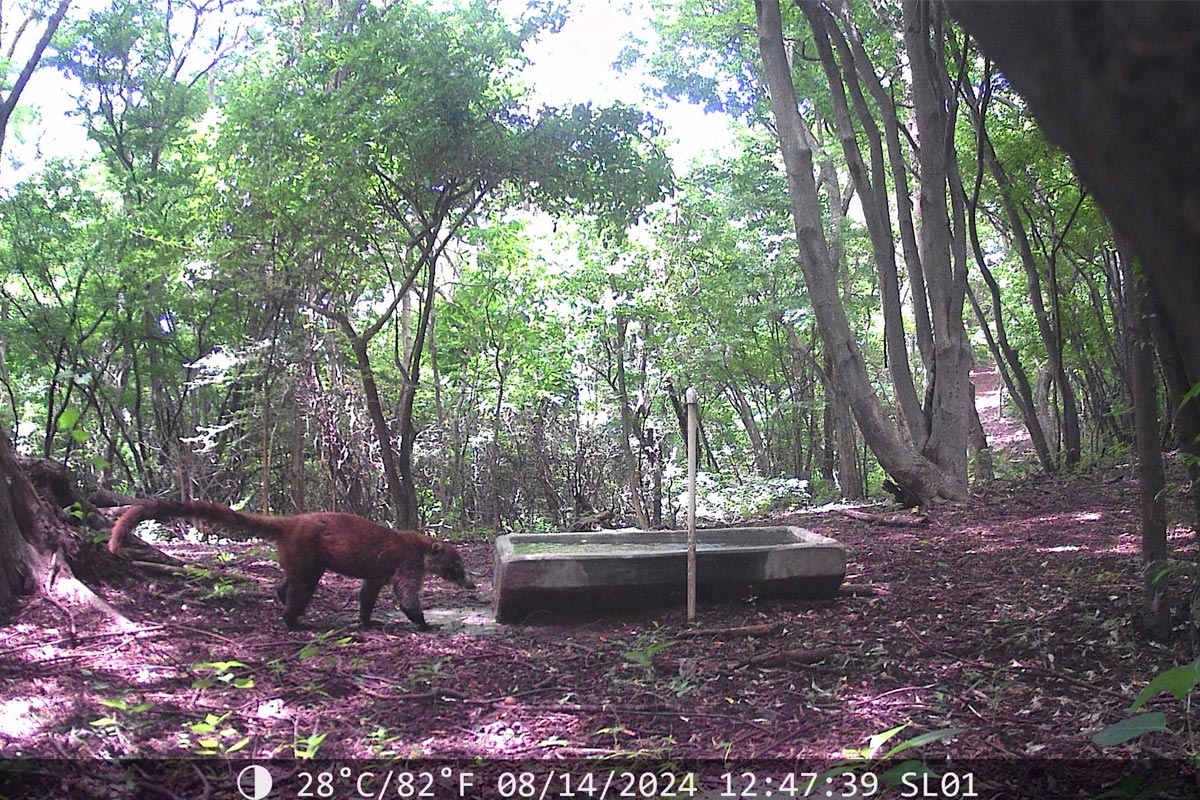
En el año 2024 se ha incorporado al proyecto, en las cercanías de los abrevaderos, una cámara trampa con el objetivo de registrar su visitación. No obstante haber realizado esta incorporación en plena estación lluviosa, en momentos en que hay abundancia de fuentes de agua fresca en el proyecto y su entorno, las capturas registradas han sido interesantes.
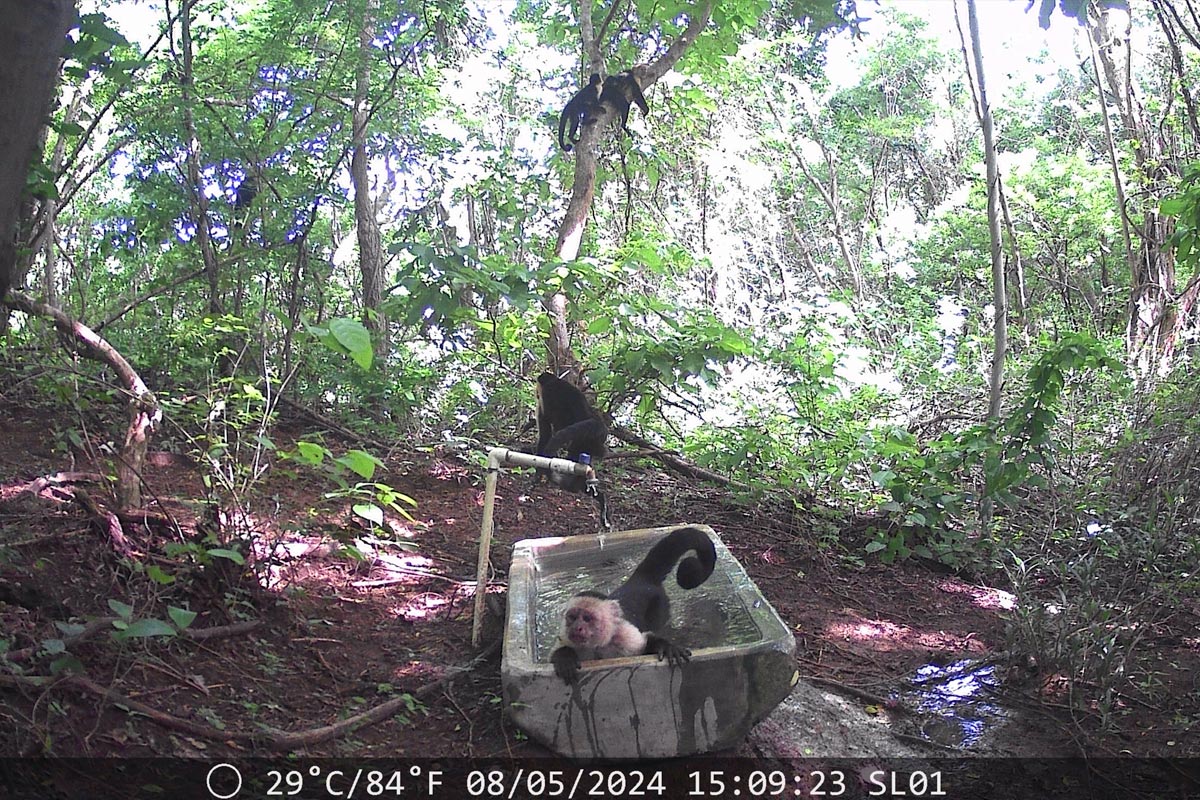
Video de los Monos Cariblancos.
Video del Pizote bebiendo agua en el abrevadero.
Environmental restoration represents the only remaining hope for lands that have lost their original forest cover—and with it, the rich biodiversity once sustained by those ecosystems. The experience at San Lorenzo has been both challenging and deeply rewarding, offering a valuable source of insight and learning.
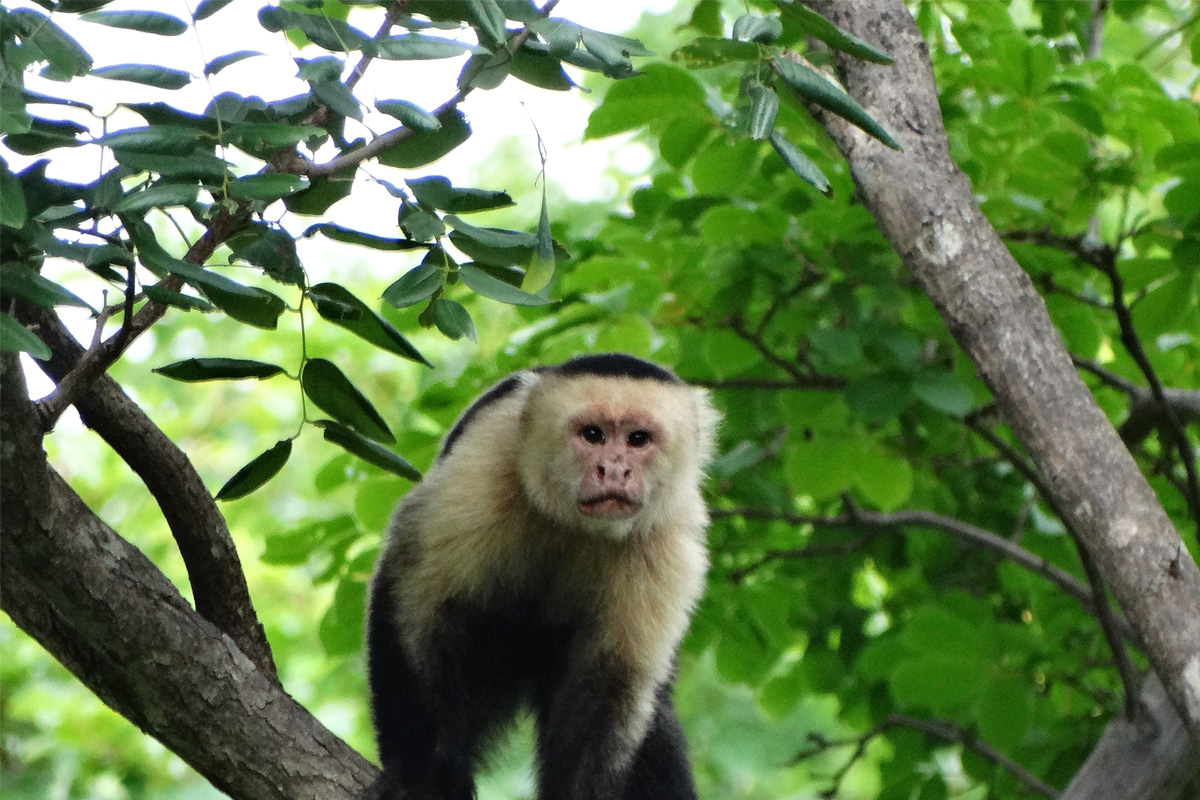
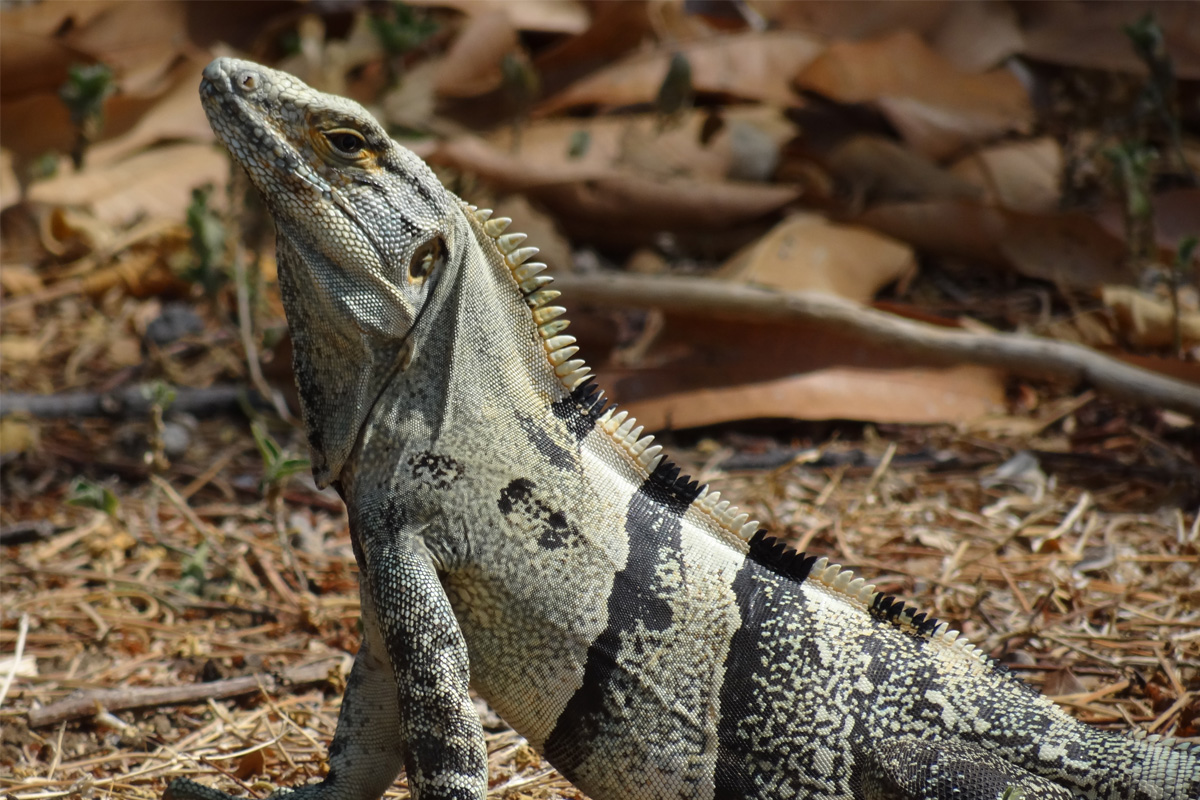
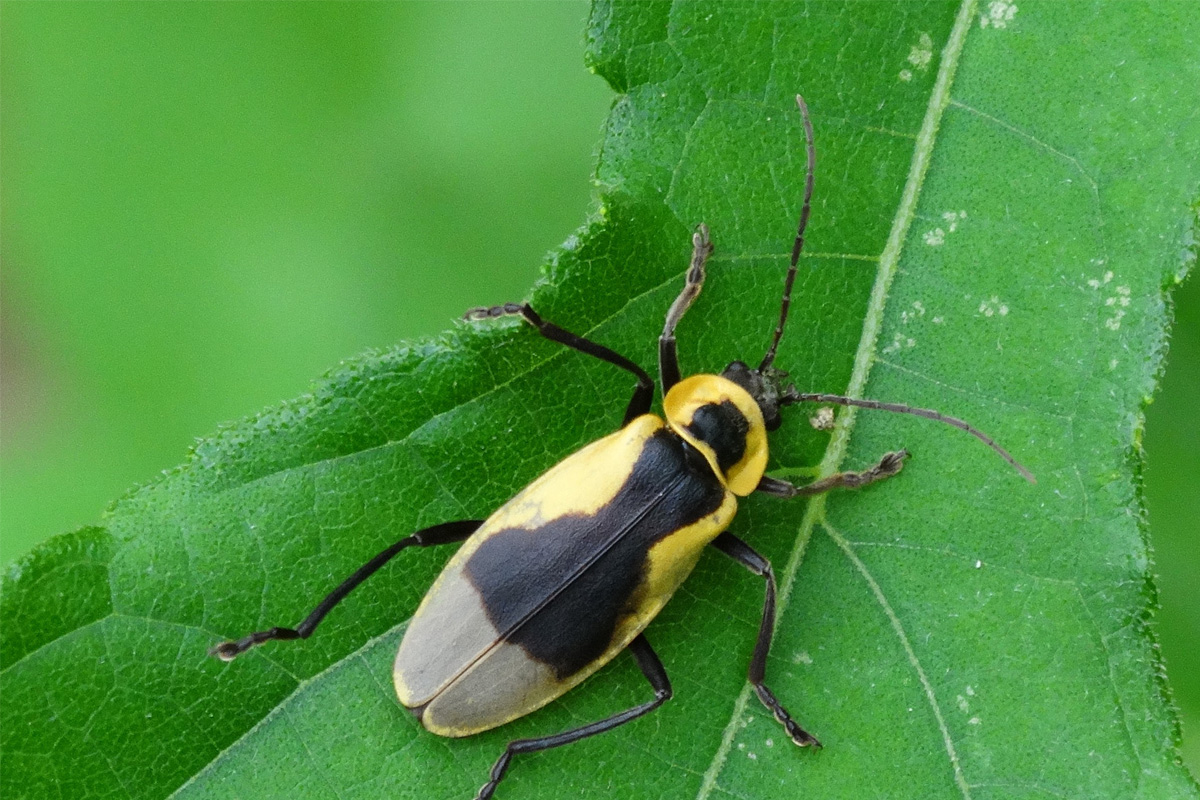
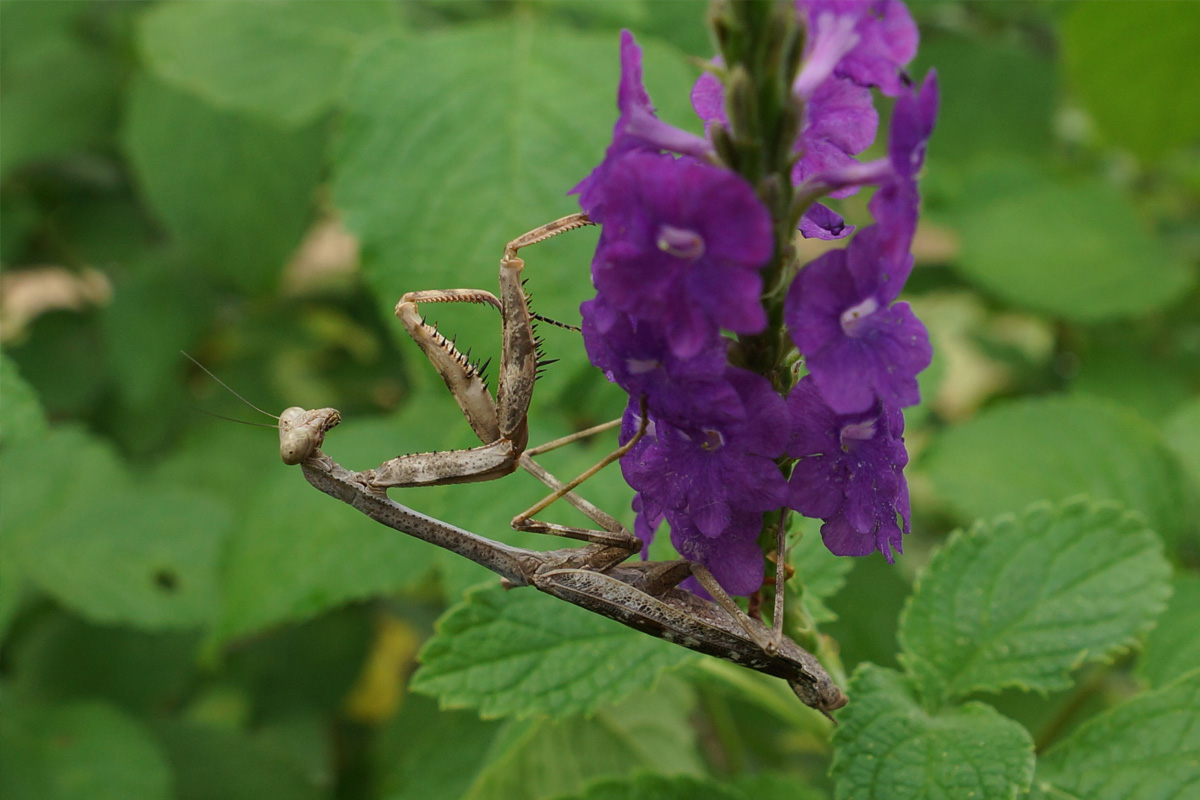
A Growing Diversity of Wildlife!
We invite you to explore the other sections of our website to learn more about the forest species Guaiacum sanctum (guayacán real), as well as the conservation and restoration programs we have been developing since 1991 at Finca San Lorenzo. These initiatives focus on the protection of endangered species within the Tropical Dry Forest and on environmental restoration—efforts that have enabled us to completely transform the former cattle pasture where our journey began over three decades ago.
We also invite you to get in touch and become part of the Friends of the Guayacán Real Project at Finca San Lorenzo.
Kind regards, ,
Ing. Rodolfo González Suárez
Guayacán Real Project Director
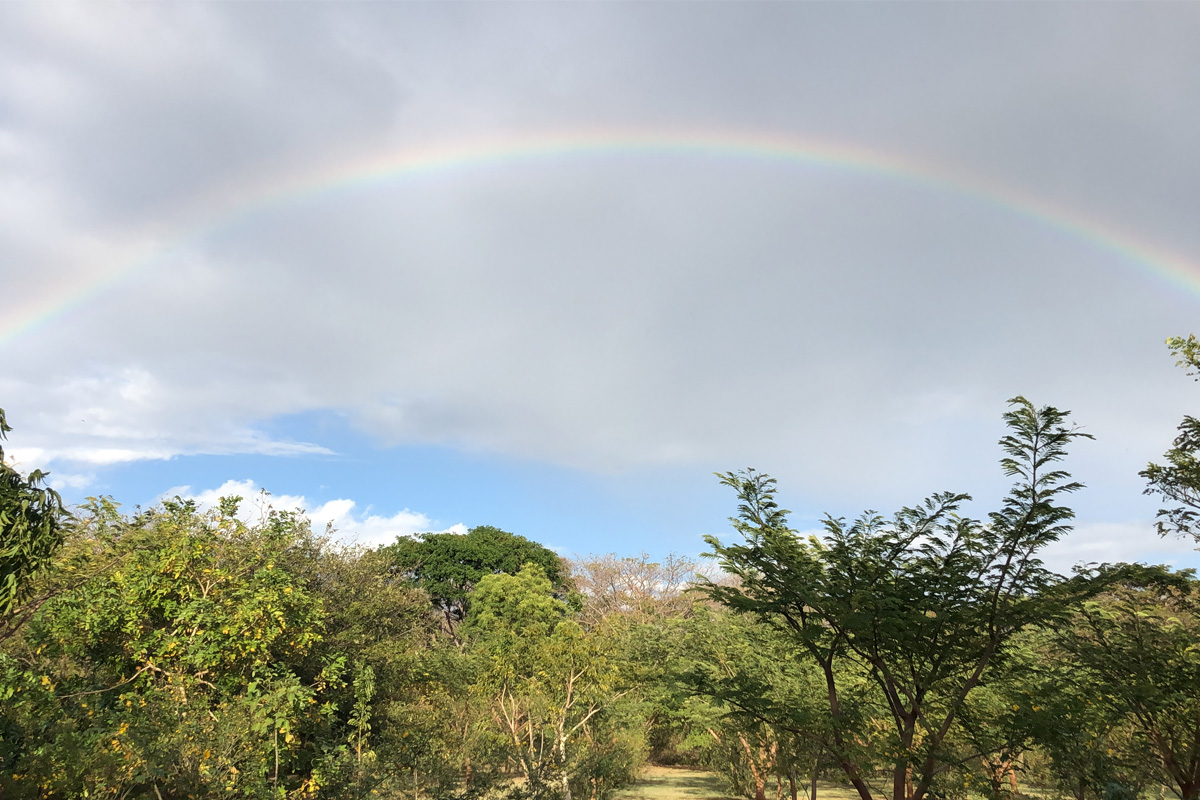
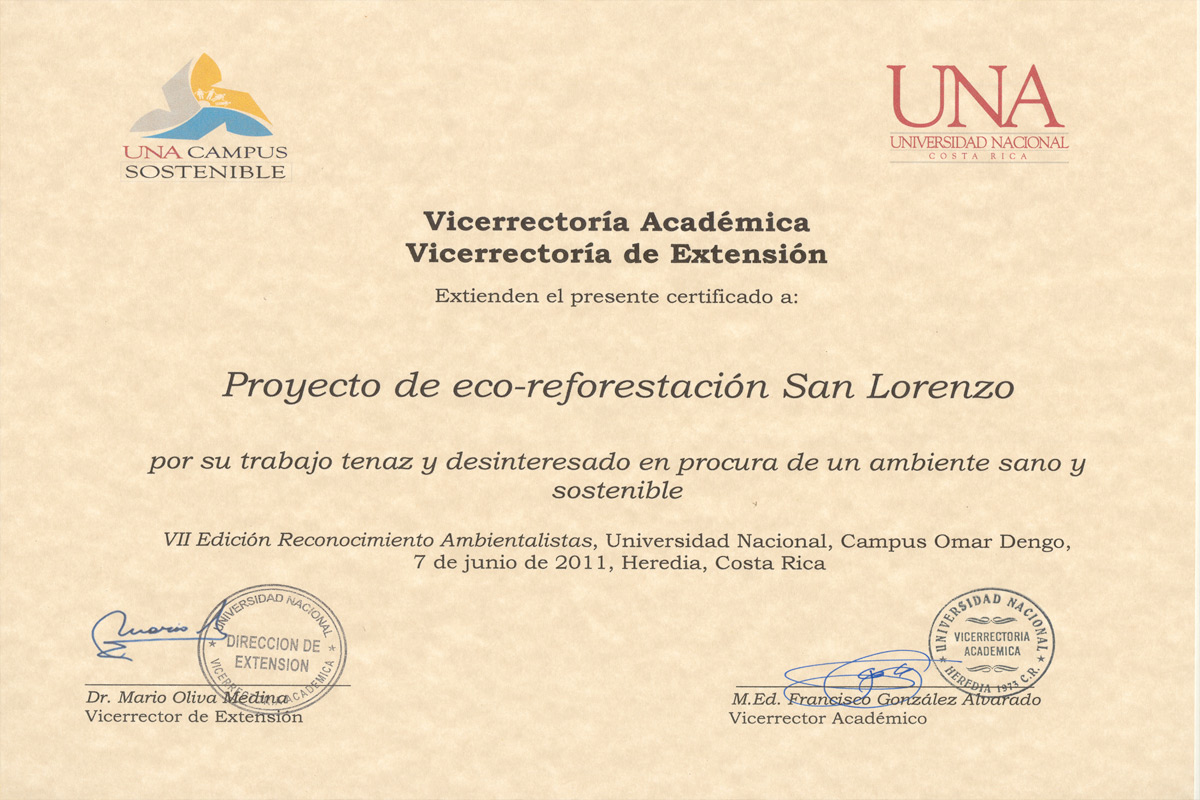
Patrocinador Oficial:
El Proyecto Guayacán Real agradece a la empresa Soluciones Técnicas Ambientales, S.A. -SOLAMSA- su valioso patrocinio, el cual nos permite continuar trabajando en la restauración ecológica y en la preservación del guayacán real (Guaiacum sanctum) y de las abejas nativas.