Programs

a) Program History
The launch of the eco-reforestation program in May 1991 at Finca San Lorenzo marked the beginning of an environmental restoration process on land that had, for decades, served as pastureland for extensive cattle ranching.
Thousands of trees, representing a wide variety of native species from the Tropical Dry Forest, were planted as soon as the rainy season began that first year. A video documenting this initial effort, recorded on May 25, remains preserved.
At the time, it was expected that six months of rainfall lay ahead, providing the necessary conditions for the initial growth of the newly planted saplings. Unfortunately, that did not happen.
Just weeks after the planting was completed, the El Niño–Southern Oscillation (ENSO) climate phenomenon emerged, resulting in a near-total disappearance of rainfall.
Eco reforestación - Guayacán Real
Historic Footage of the Project's Inception
Historic Footage: Installation of the Irrigation System Begins
This climatic phenomenon, linked to severe droughts in Bahía Salinas—where San Lorenzo is located—would become a recurring challenge throughout the life of the project, appearing with a frequency of 37% over its first 32 years.
A few months after the planting, the drought had taken a severe toll: only a handful of pochote trees (Bombacopsis quinata) and two additional specimens from other species had survived. All remaining trees perished due to lack of water.
Despite such a discouraging start—marked by the near-total loss of the initial reforestation effort—the project was not abandoned. Instead, a decision was made to begin anew, progressing gradually. Each subsequent year, reforestation was limited to areas of the project that could be irrigated.
The following video was recorded on the day the irrigation system was installed to water the section that was replanted later that same year, 1991.
As can be seen, the irrigation system was quite rudimentary: a long polyethylene hose equipped with drip emitters was manually moved between the rows of newly planted tres
Behind this irrigation water supply lies a comprehensive hydraulic infrastructure, originating from a well and comprising a pumping system, a storage tank, and a distribution network.
The eco-reforestation experience has been as enriching and instructive as it has been challenging. San Lorenzo, originally devoid of forest cover, had become a truly inhospitable, adverse, and hostile environment for initiating reforestation efforts—even when using the very same tree species that, for millions of years until just a few decades ago, had naturally thrived on these lands.
Since 1991, significant numbers of trees, shrubs, and plants have been planted each year—either expanding into new areas or replanting sections where previous efforts experienced high mortality rates.
b) Key Obstacles and Lessons Learned
Over the past three decades, the eco-reforestation program has faced a range of challenges, including:
-
The change in the rainfall regime, which has been manifested through:
-
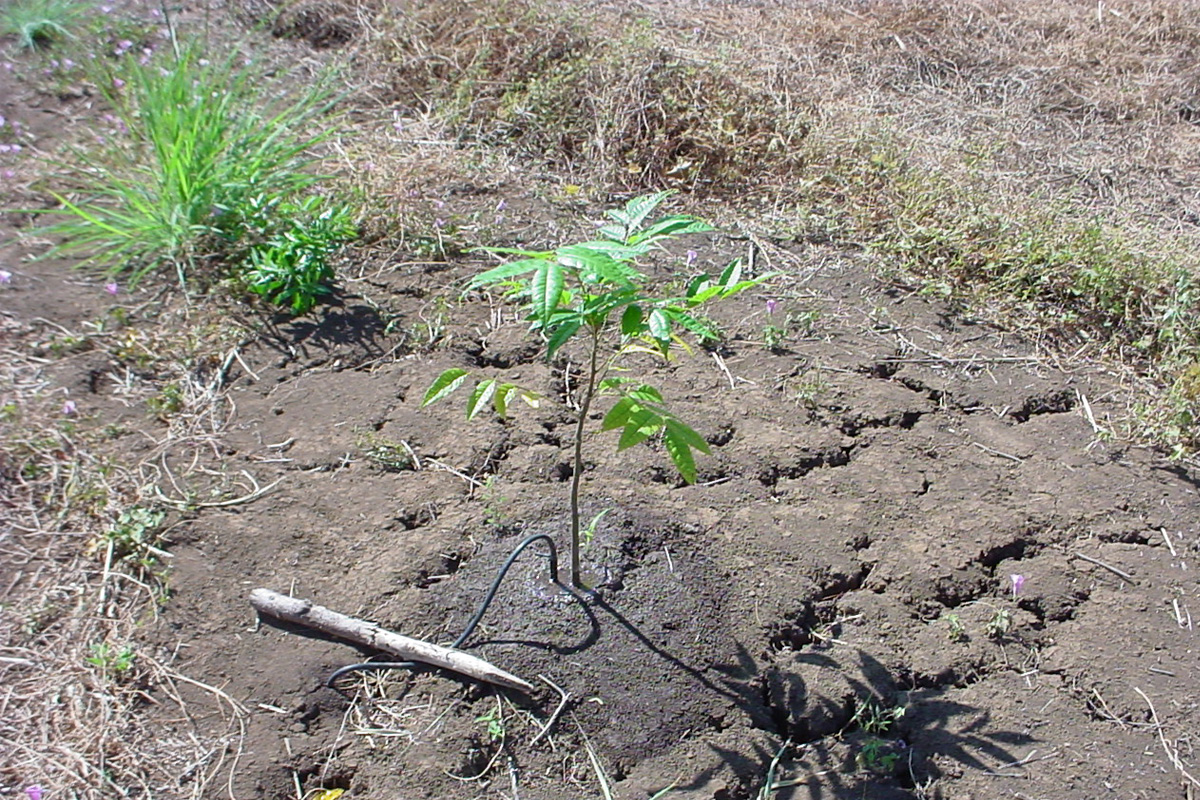
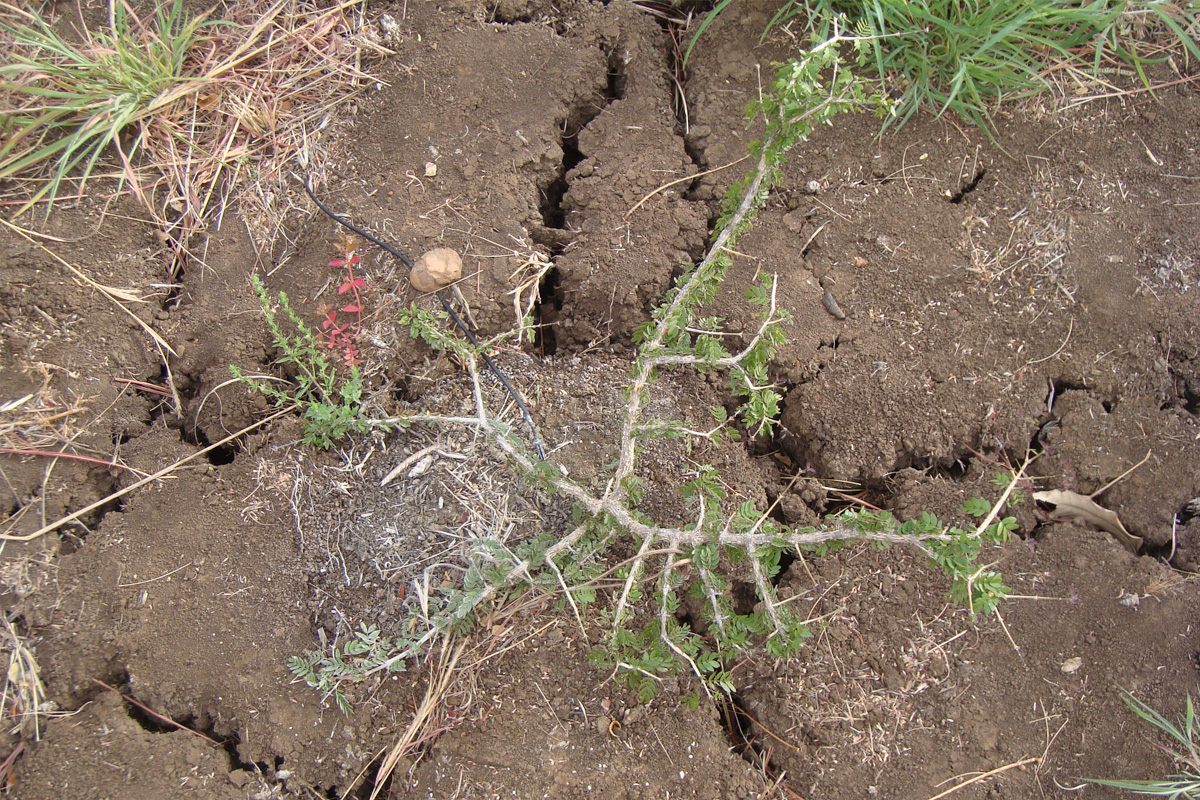
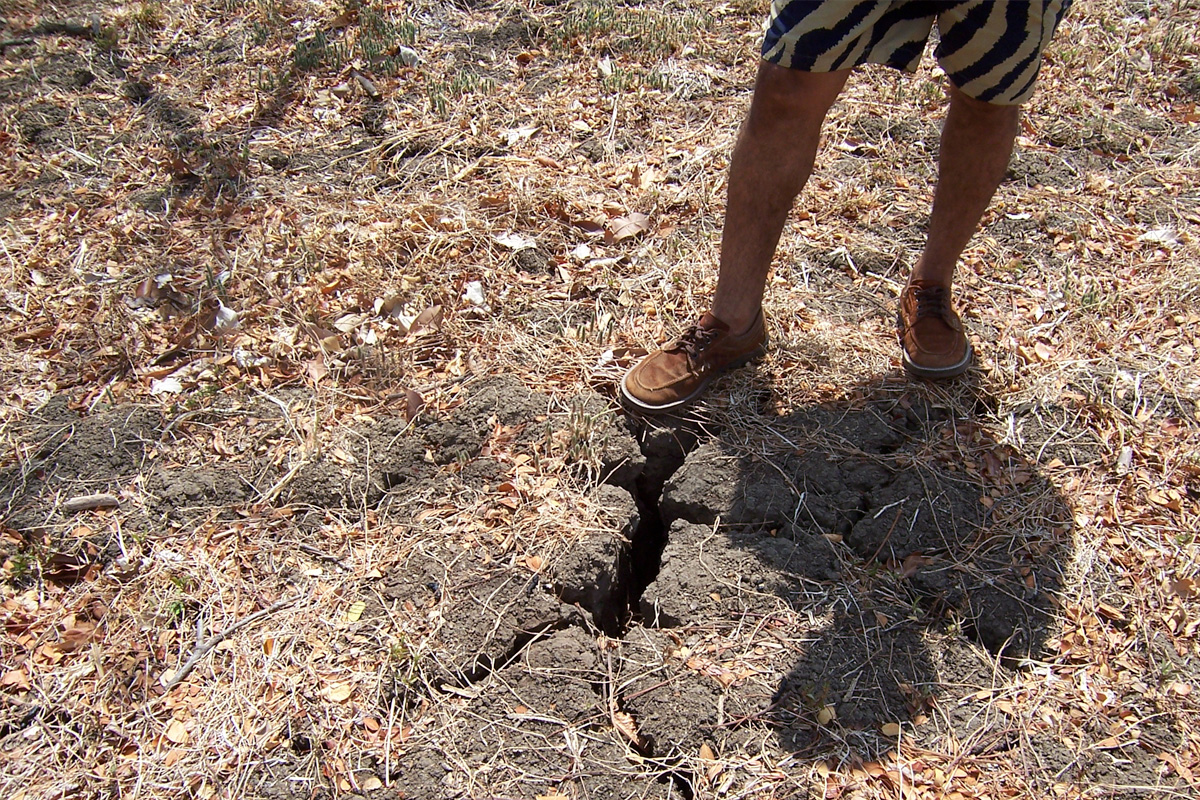
Increasingly intense and prolonged dry seasons. In recent decades, the annual dry season in this region has extended from four to six months, making irrigation essential during the early stages of reforestation.
- Increasingly irregular rainy seasons, with fewer rainy days and the unexpected occurrence of veranillos—extended dry spells within what is traditionally considered the rainy season.
-
Frequent occurrence of the El Niño climate phenomenon, which brings extreme droughts to the Pacific coast of Central America.
-
Throughout the first three decades of the project, El Niño has made its presence felt in the following years: 1991, 1994, 1997, 2002, 2004, 2006, 2009, 2014, 2015, 2018, 2019, and 2023. That amounts to twelve occurrences within the first thirty-two years of the project—an astonishing frequency of 37.5%, or more than one in every three years!
Droughts have undoubtedly become part of a “new normal,” posing serious challenges to environmental restoration through reforestation programs.
-
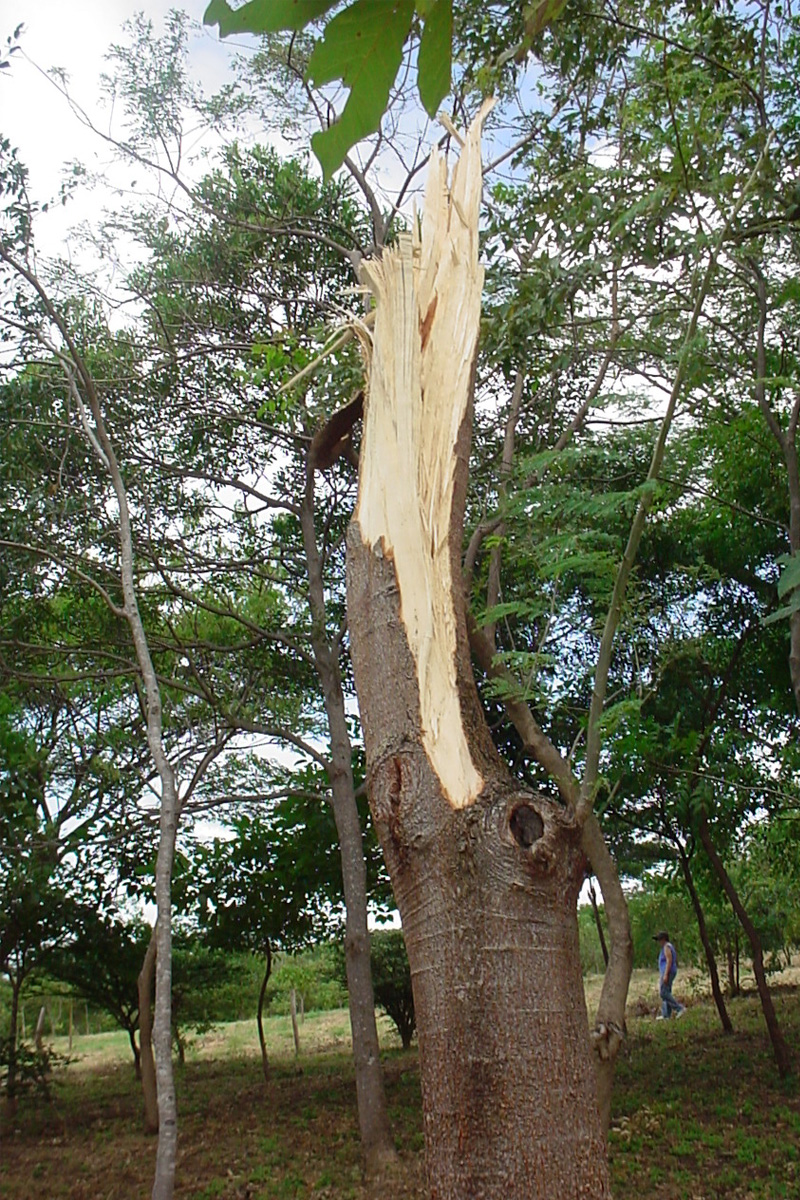
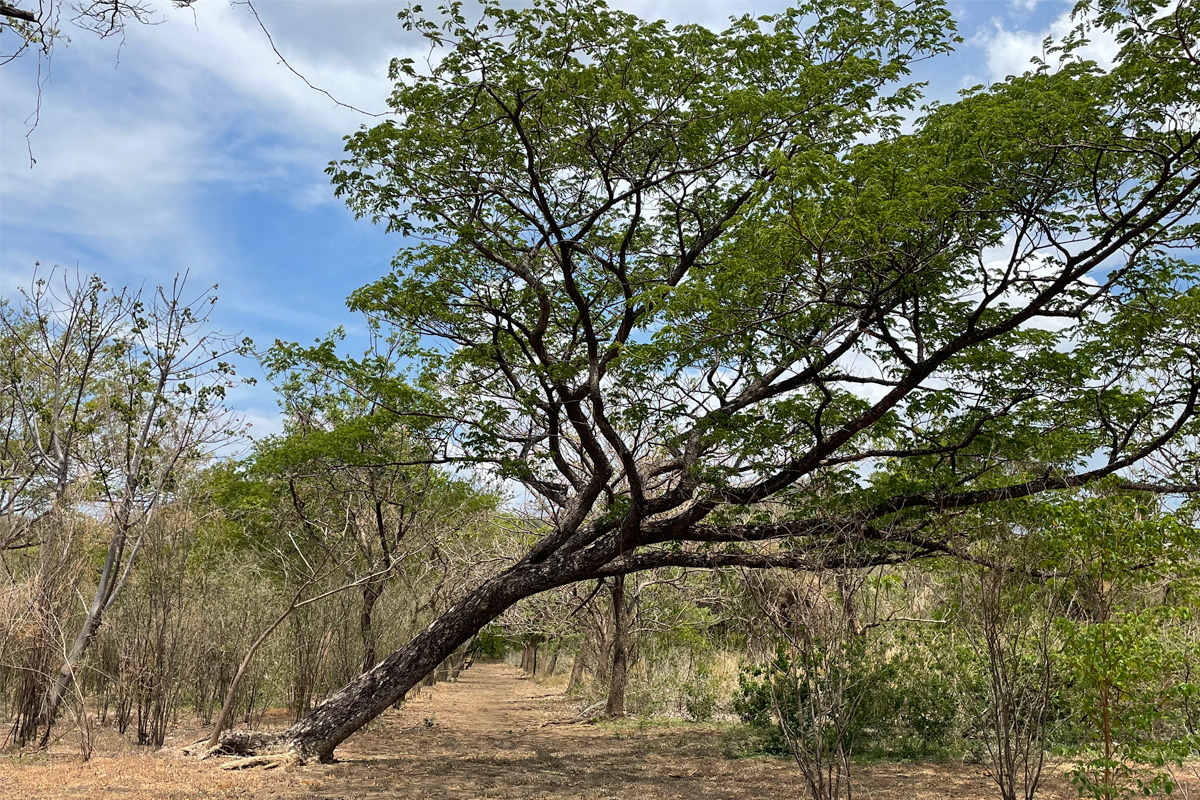
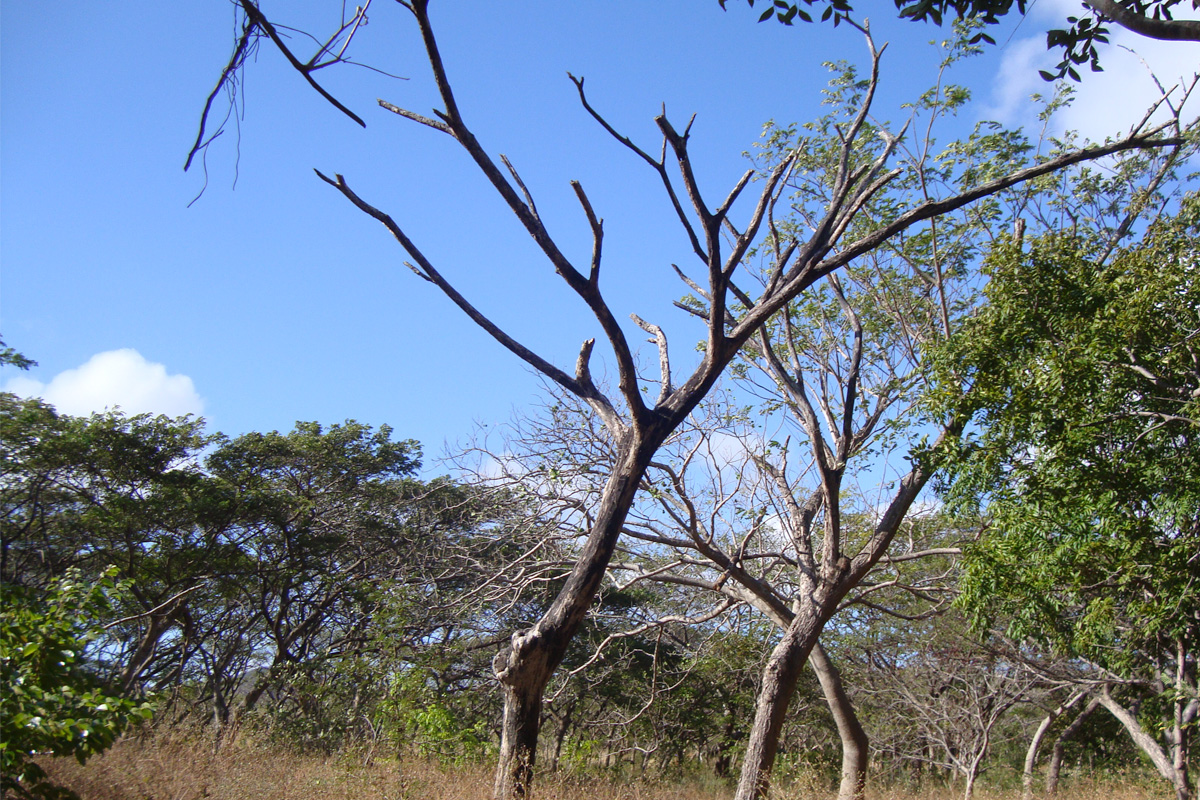
Extremely strong trade winds during the dry season (from mid-November to mid-May). These winds were powerful enough to uproot, topple, or break newly planted trees, especially in the absence of surrounding vegetation that could serve as a natural windbreak.
In the early years, the wind problem became so severe that it was necessary to brace the young trees by tying them to stakes driven into the ground to prevent them from toppling. Even so, many trees grew with a pronounced lean in the direction the wind pushed them.
-
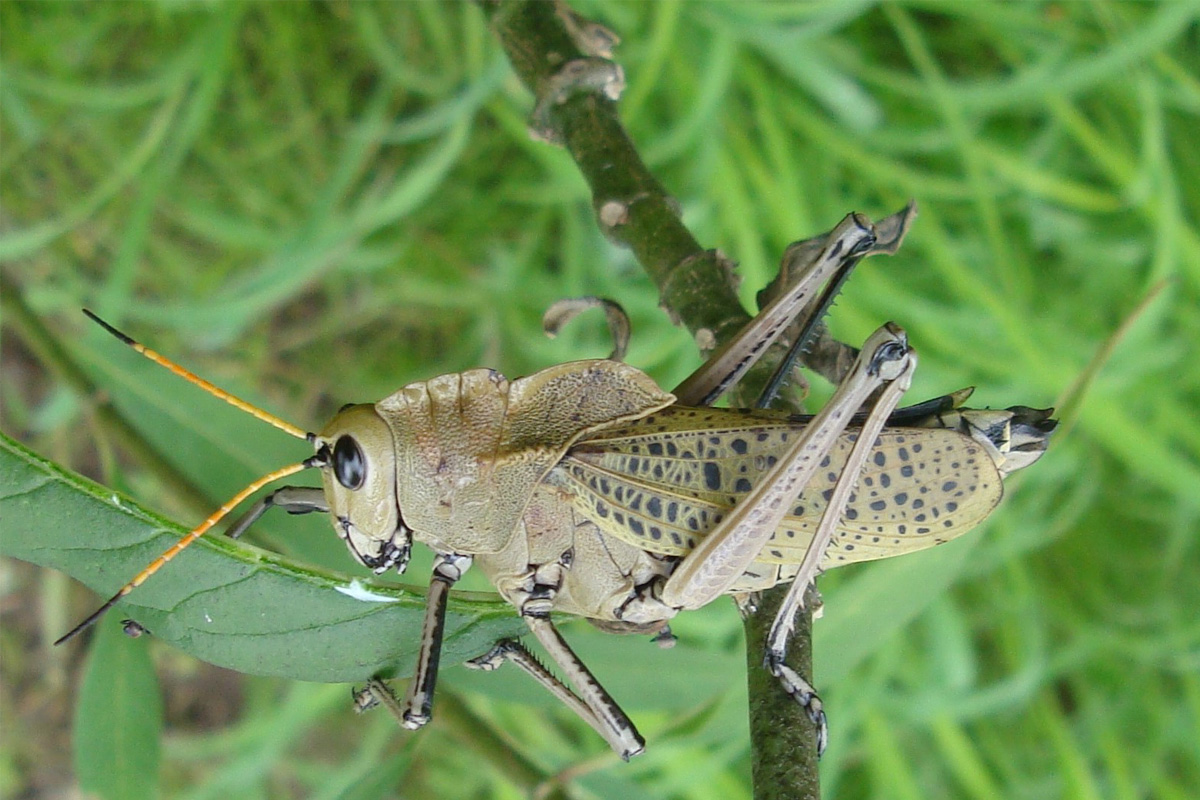
Various pests, which have at times caused significant mortality among young trees, forcing the need to reforest certain areas—sometimes repeatedly.
In the early years, one of the most damaging pests was the joboto beetle (Phyllophaga spp.), which caused rapid mortality in young trees by feeding on their root. - Fungal-related tree mortality! A significant portion of the soils supporting the project—especially in the areas where the eco-reforestation program began—consists of clay with very poor drainage conditions. These conditions promote fungal attacks on trees, often leading to the death of specimens that had been planted and growing for several years.
-
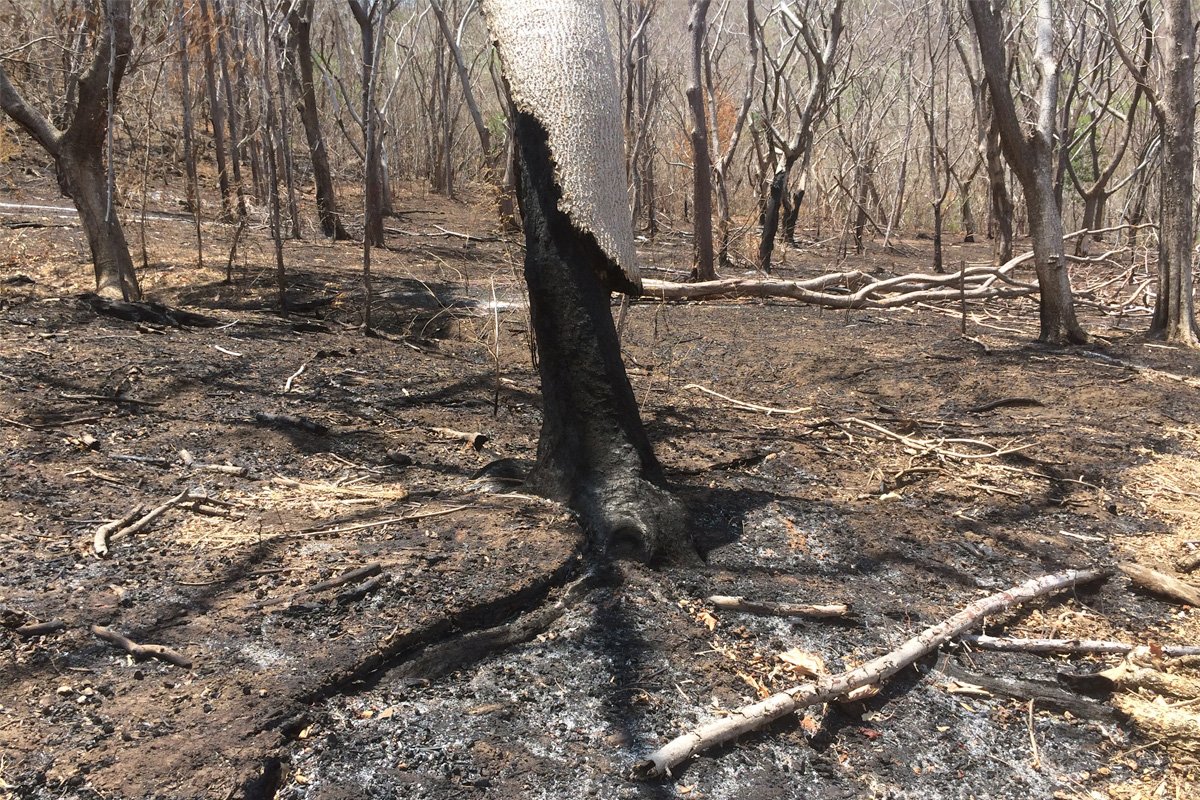
The severe and ongoing risk of wildfires during the dry season, which has necessitated the implementation of significant measures and precautions to prevent their occurrence and/or minimize damage should they arise.
c) The Fruits of Eco-Reforestation Efforts
The many obstacles that had to be overcome throughout the years of the eco-reforestation program made it especially rewarding—and a true testament to perseverance—to witness the planted trees grow, bloom, bear fruit, and ultimately produce seeds to ensure the continuation of their species.
Forest species native to the Tropical Dry Forest have traditionally been known for their stunning and widespread flowering at the onset of the dry season.
Unfortunately, in recent years, we've observed irregularities in the traditional flowering patterns. Some species are blooming out of season, while others exhibit far less widespread flowering than they once did. Below are photographs showcasing the flowering events documented throughout the project.
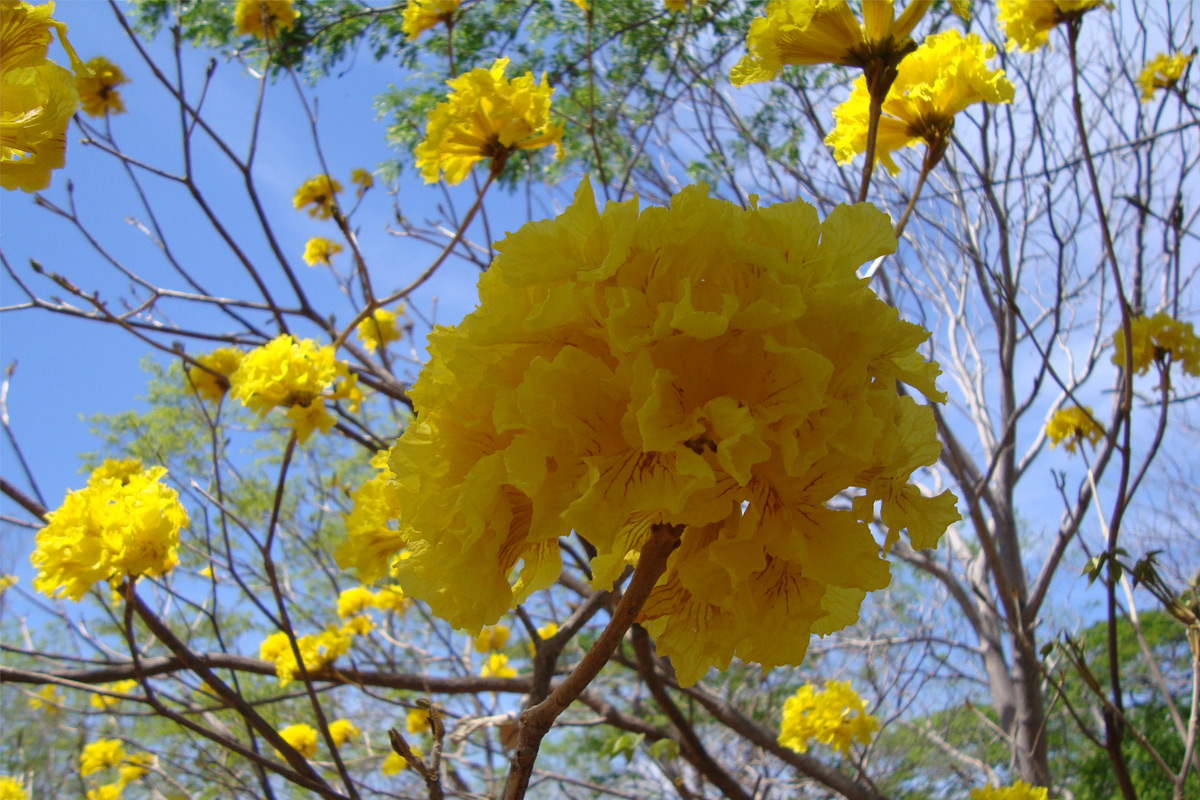
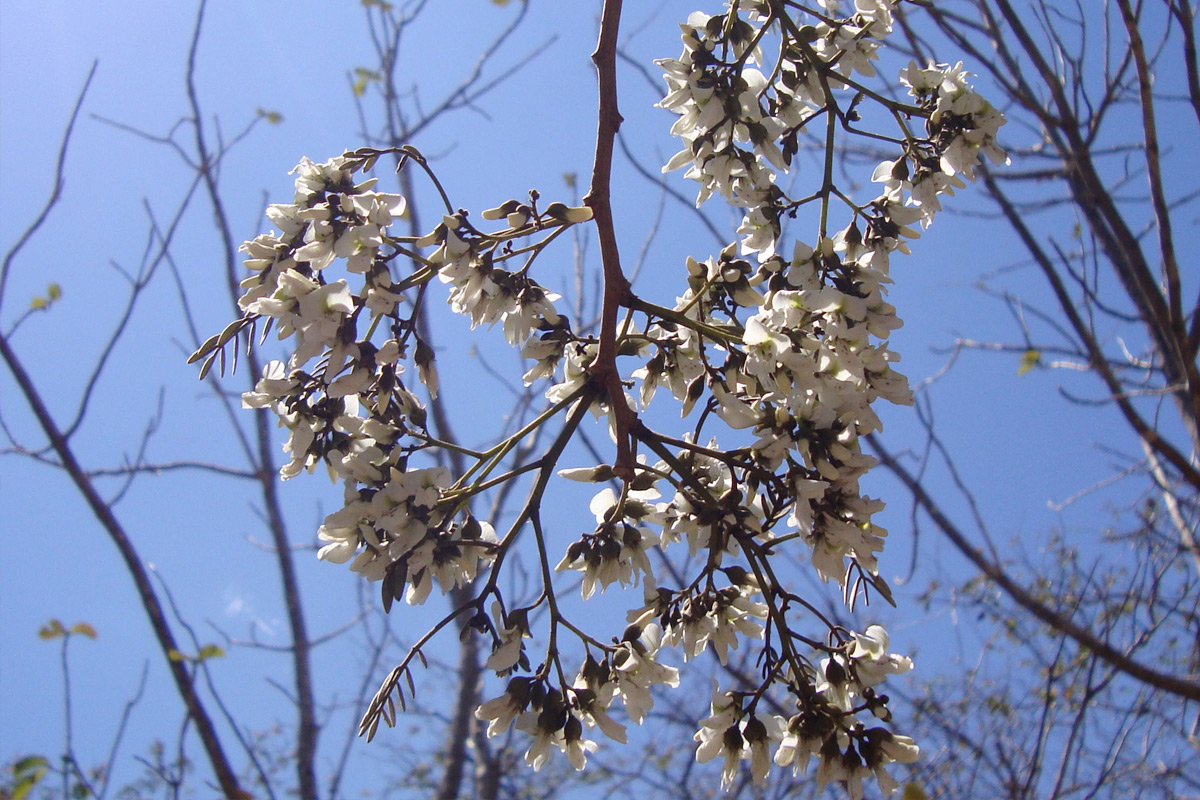
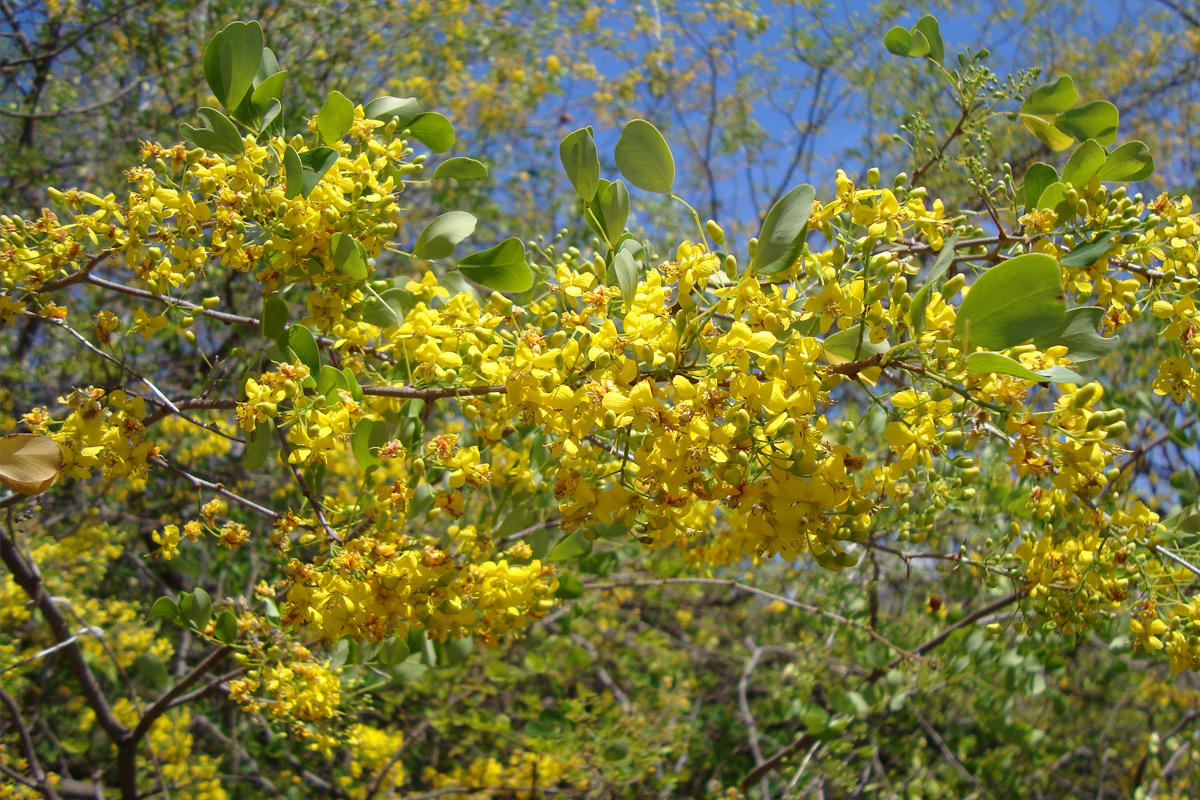
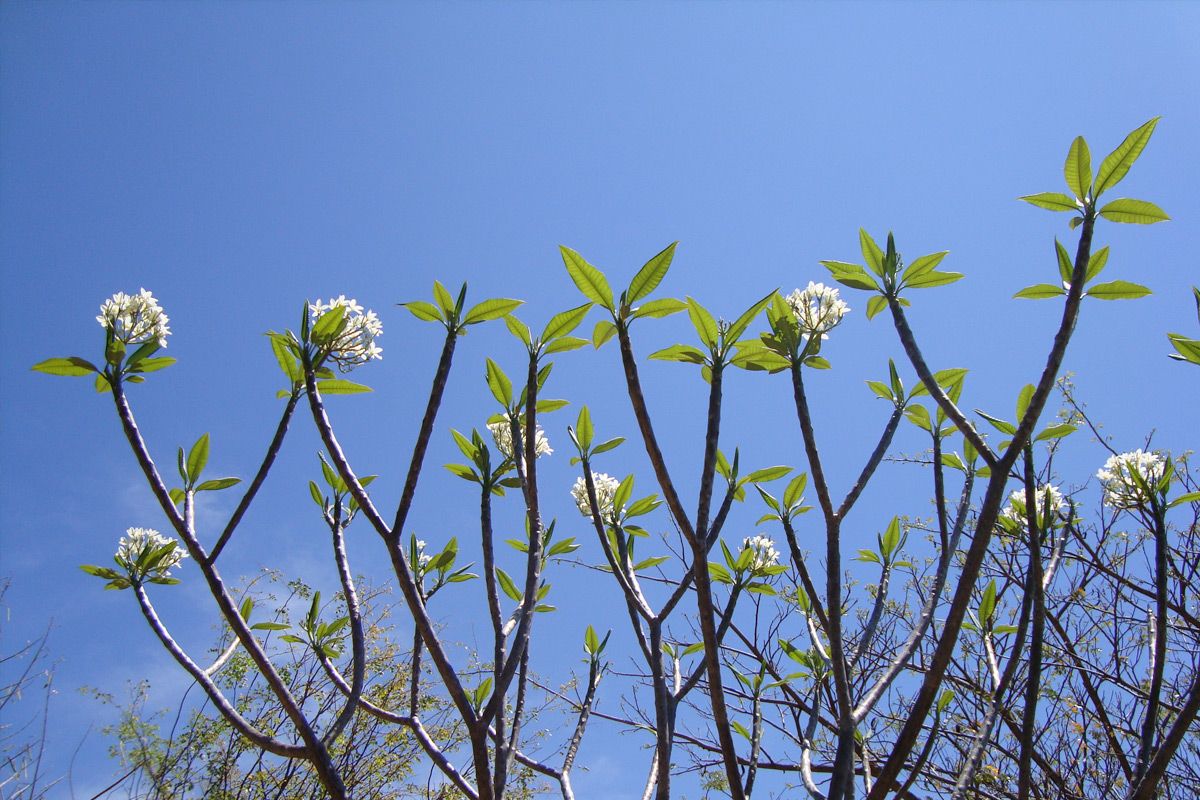
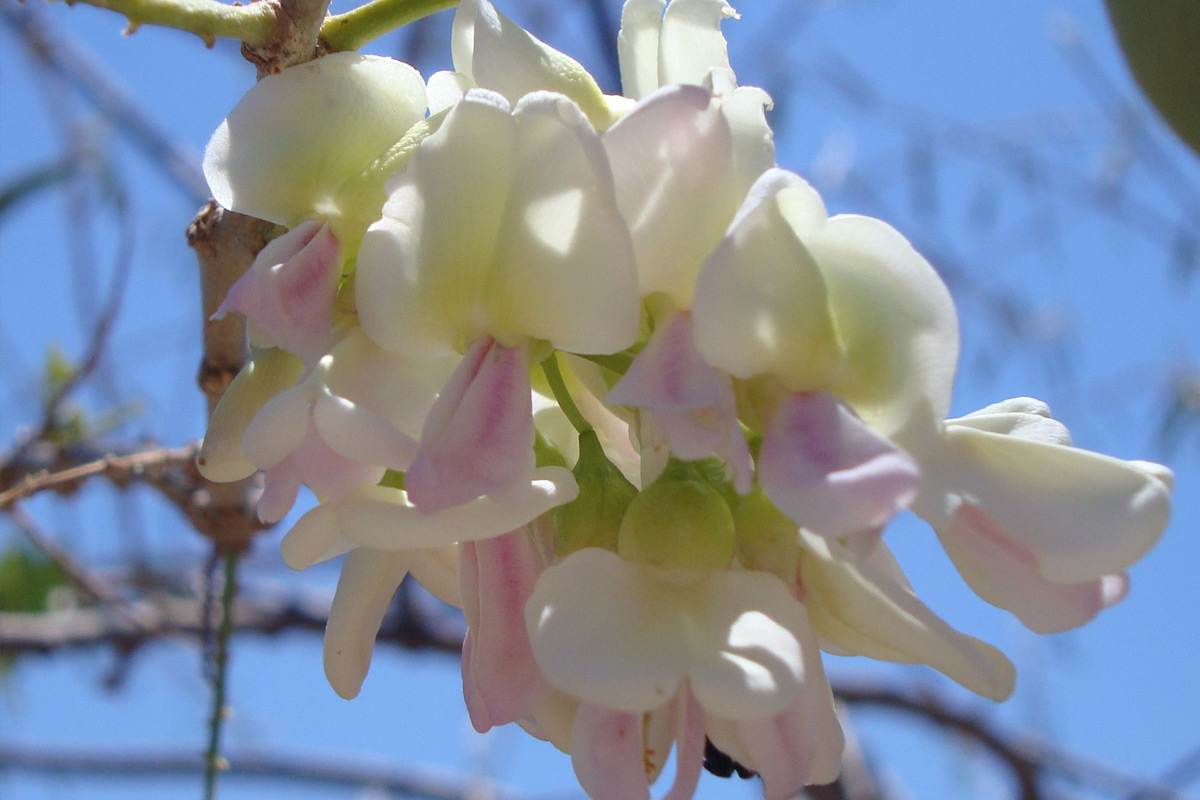
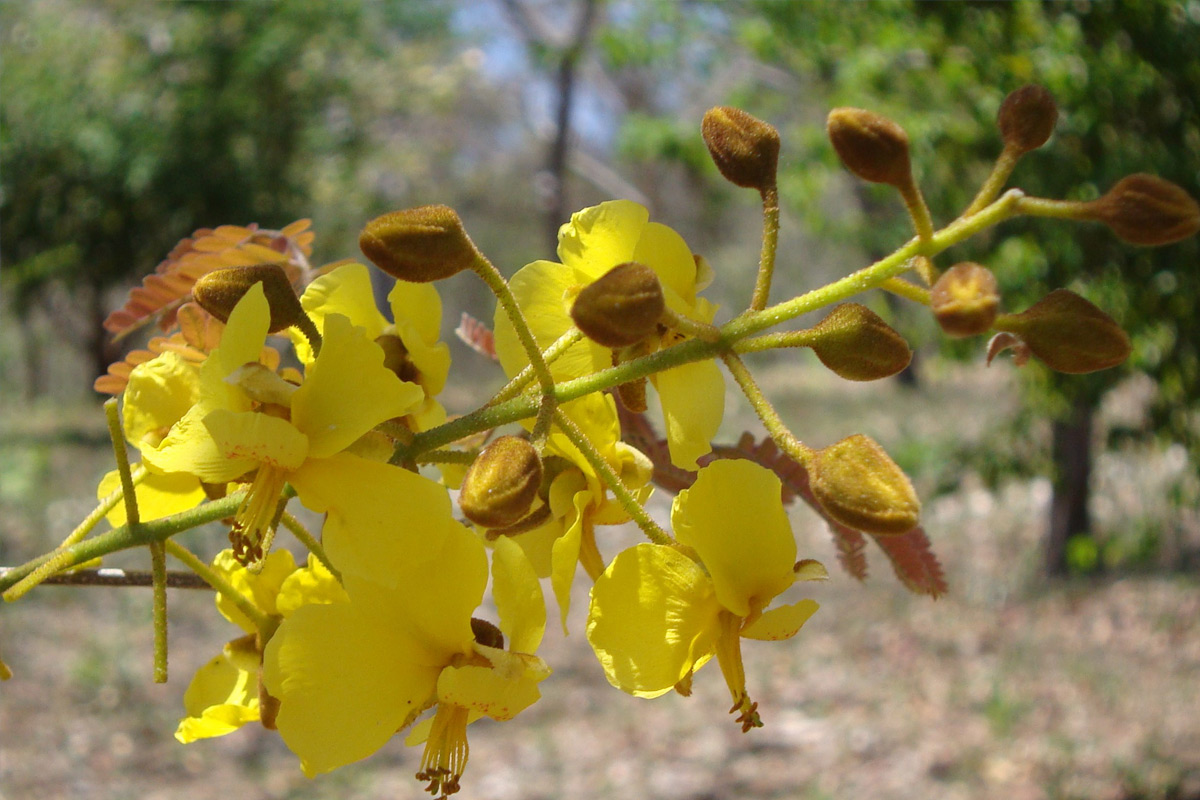
Various Flowerings in the Trees of San Lorenzo.
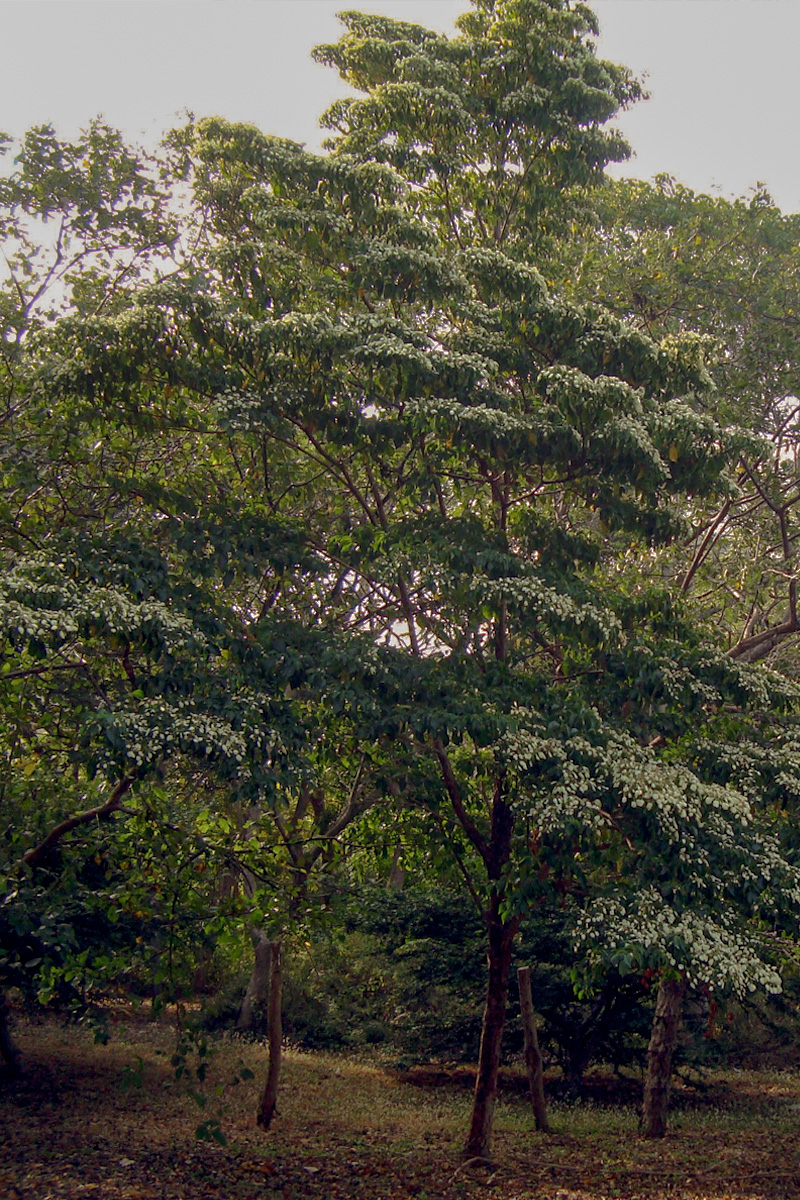
Over time, these flowering events have proven to be highly effective in attracting native bee populations. One particularly striking and beautiful example is the strong attraction of the real guayacán's blossoms to the stingless native bee species known as mariola (Tetragonisca angustula).
The eco-reforestation program has remained active every single year throughout the first three decades of the project, and it is expected to continue in the years to come.
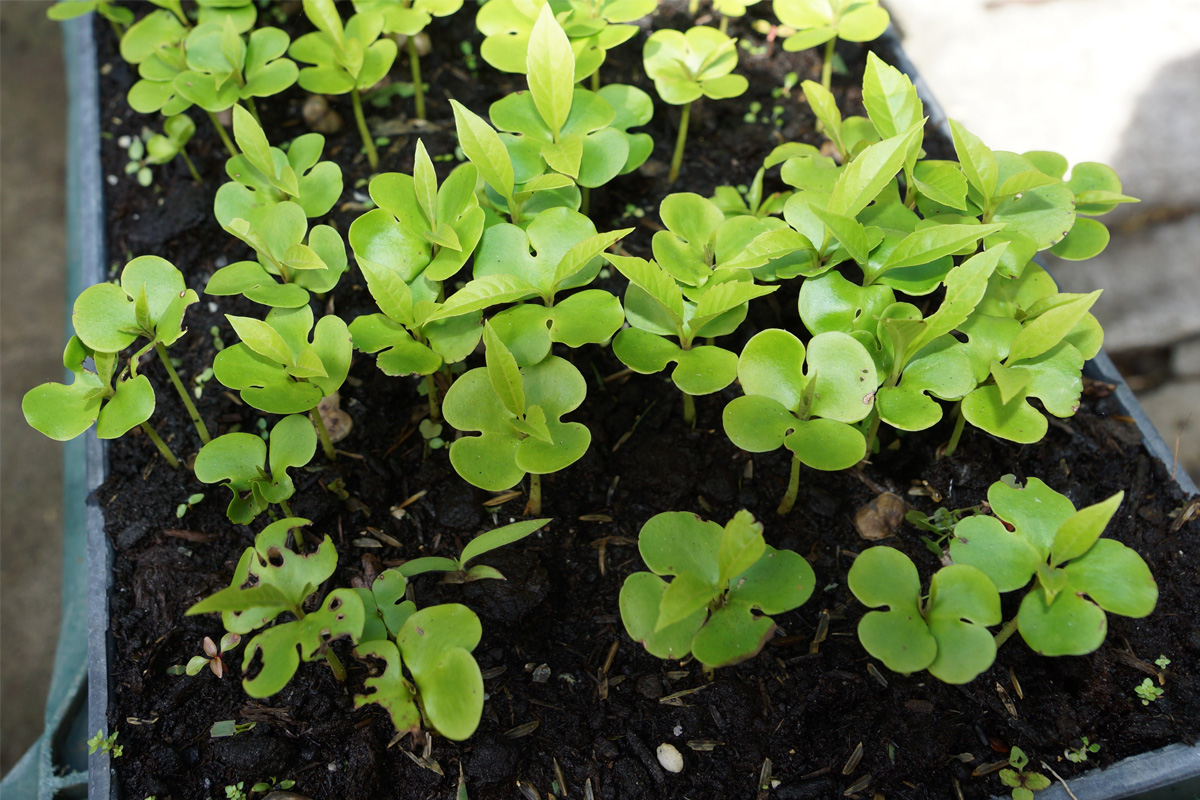
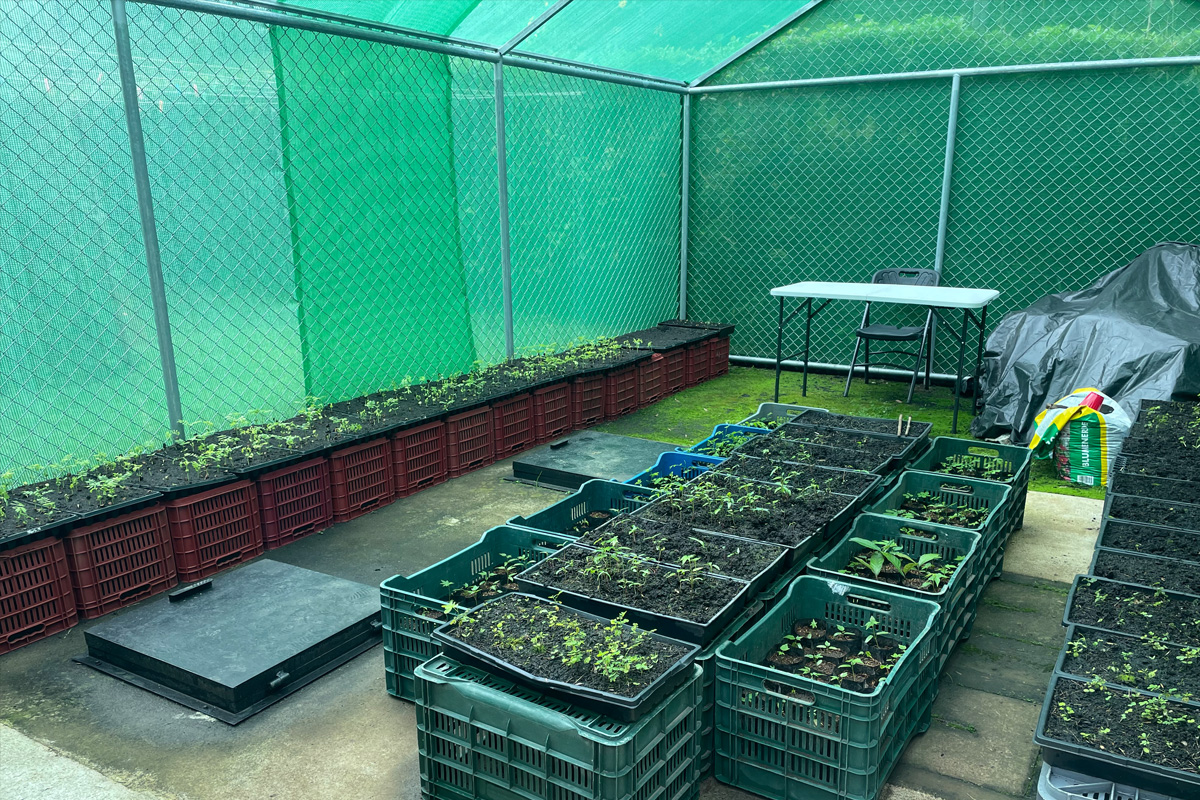
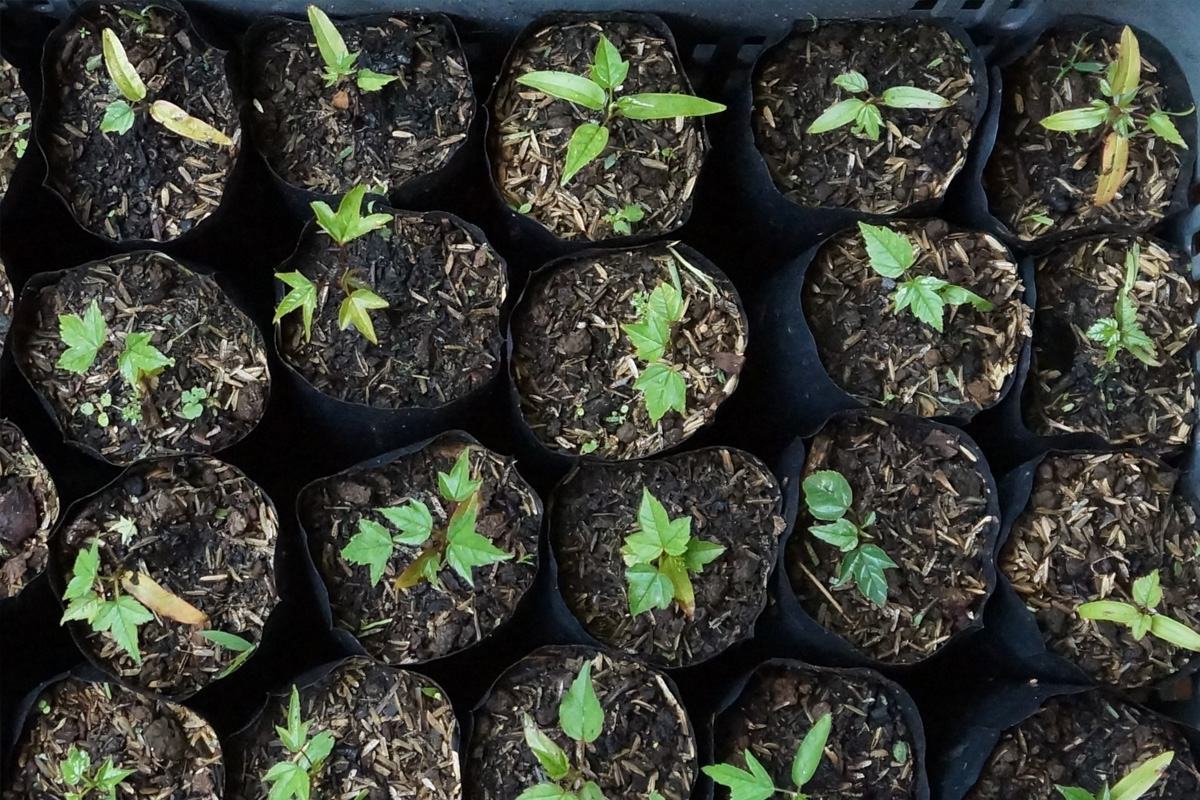
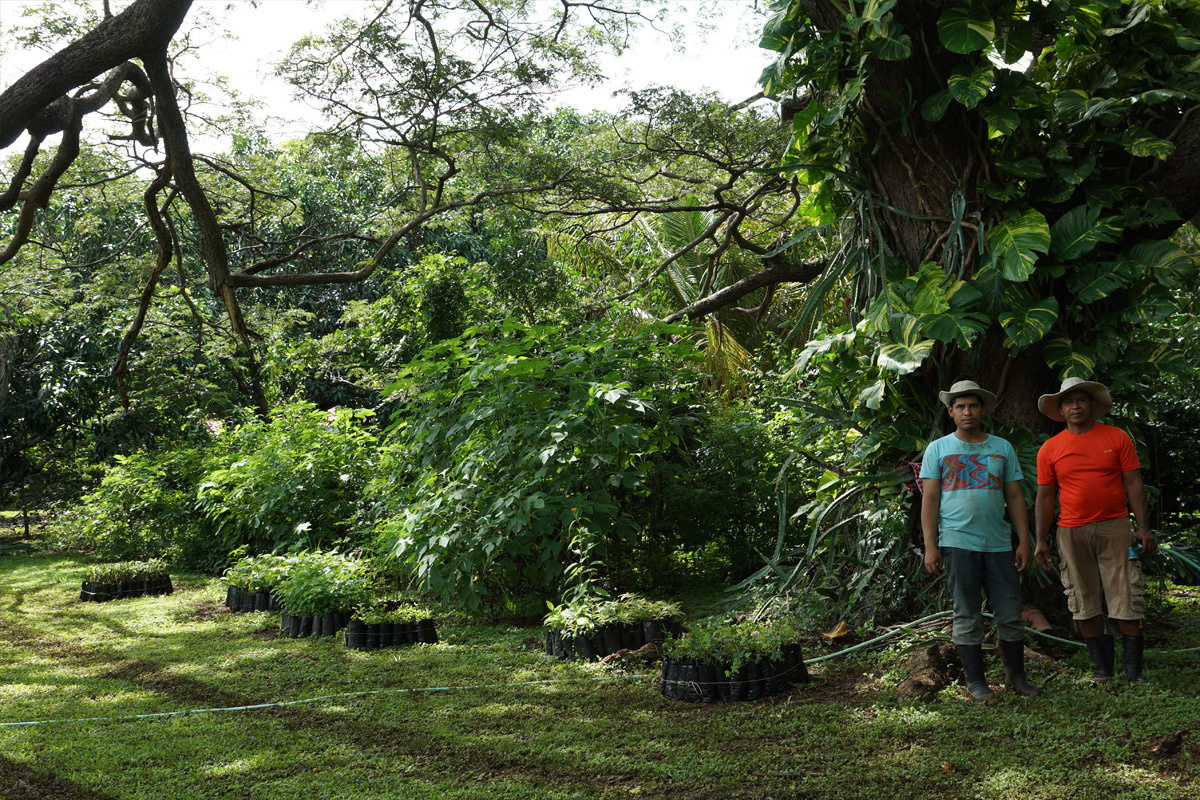
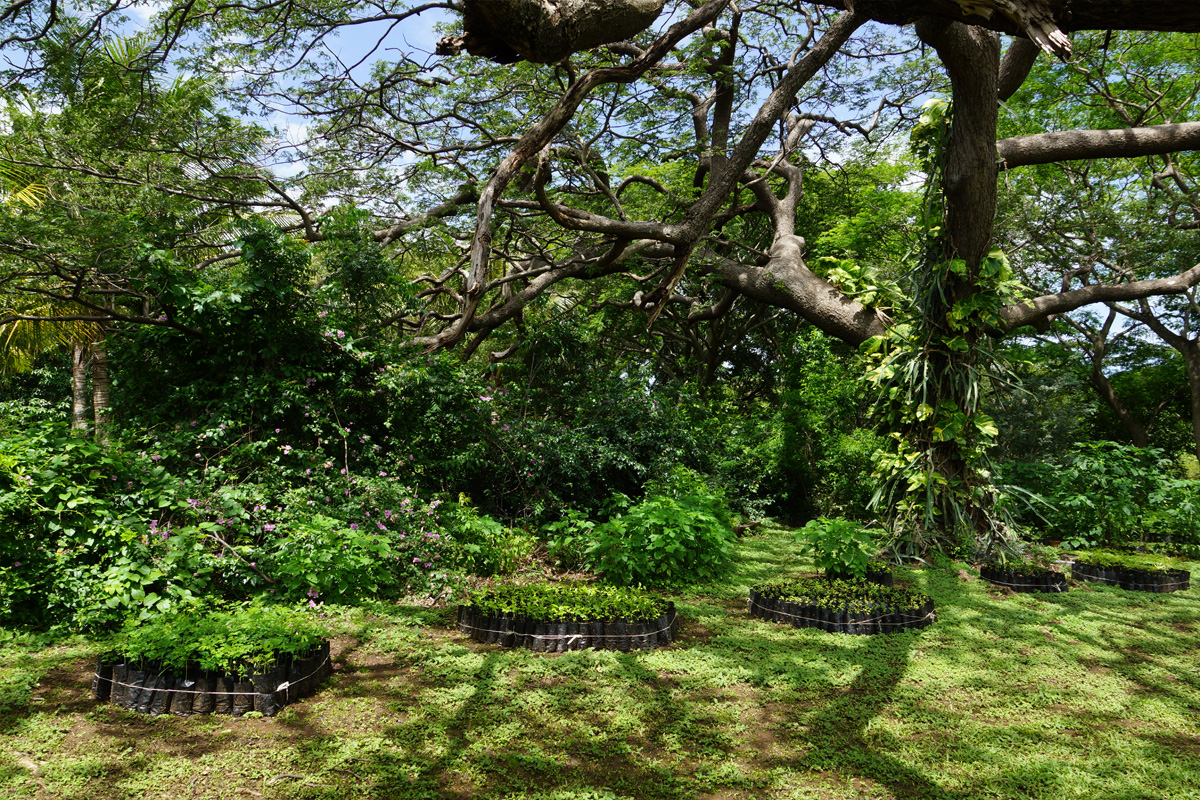
In recent years, the eco-reforestation program has focused on species that specifically contribute to making San Lorenzo a sanctuary for native bees, relying on seedlings cultivated in our own nursery.
Video: Mariola bee (Tetragonisca angustula) visiting the blossoms of the real guayacán (Guaiacum sanctum).