Supporting Wildlife and Biodiversity

Background and History of the Melipona beecheii Recovery Program
The wildlife support and biodiversity enhancement program emerged as a natural outcome of the environmental restoration efforts gradually achieved over the years through the eco-reforestation initiative. This process has unfolded step by step, revealing a fascinating evolution marked by meaningful progress and a wealth of valuable lessons.
When the eco-reforestation program began in May 1991 at the former Finca San Lorenzo—an area previously dedicated for decades to extensive cattle ranching—the landscape was nearly barren. The initial forest cover consisted of only a small handful of trees, and the biodiversity was extremely poor.
Following the devastating impact of the El Niño phenomenon during the project's first year in 1991—when severe drought led to the death of nearly all the thousands of trees initially planted—the program underwent a crucial transformation. In the years that followed, every newly planted tree received irrigation and dedicated care to ensure its survival.

During the rainy seasons, the spaces between the young, newly planted trees at San Lorenzo continued to be colonized by vigorous regrowth of pasture grasses that had dominated the landscape for decades. With the cessation of annual burning practices—once used to keep the pastures “clean”—the soil began to recover its natural resilience. This shift allowed a variety of native herbaceous plants to emerge spontaneously.
As the dry season arrived, grasses and herbaceous plants dried out rapidly, becoming highly flammable fuel for wildfires. This dry vegetation, combined with the local tradition of burning pastures during the dry months, created a deadly combination. A single fire could threaten to destroy the entire project within minutes.
ness to safeguard the restoration efforts.
To minimize the threat of wildfires, the project team committed—over the first 15 years—to maintaining a “clean” landscape by regularly cutting grasses and herbaceous plants throughout the property. The primary goal was to ensure that no dry vegetation remained at the onset of the dry season.
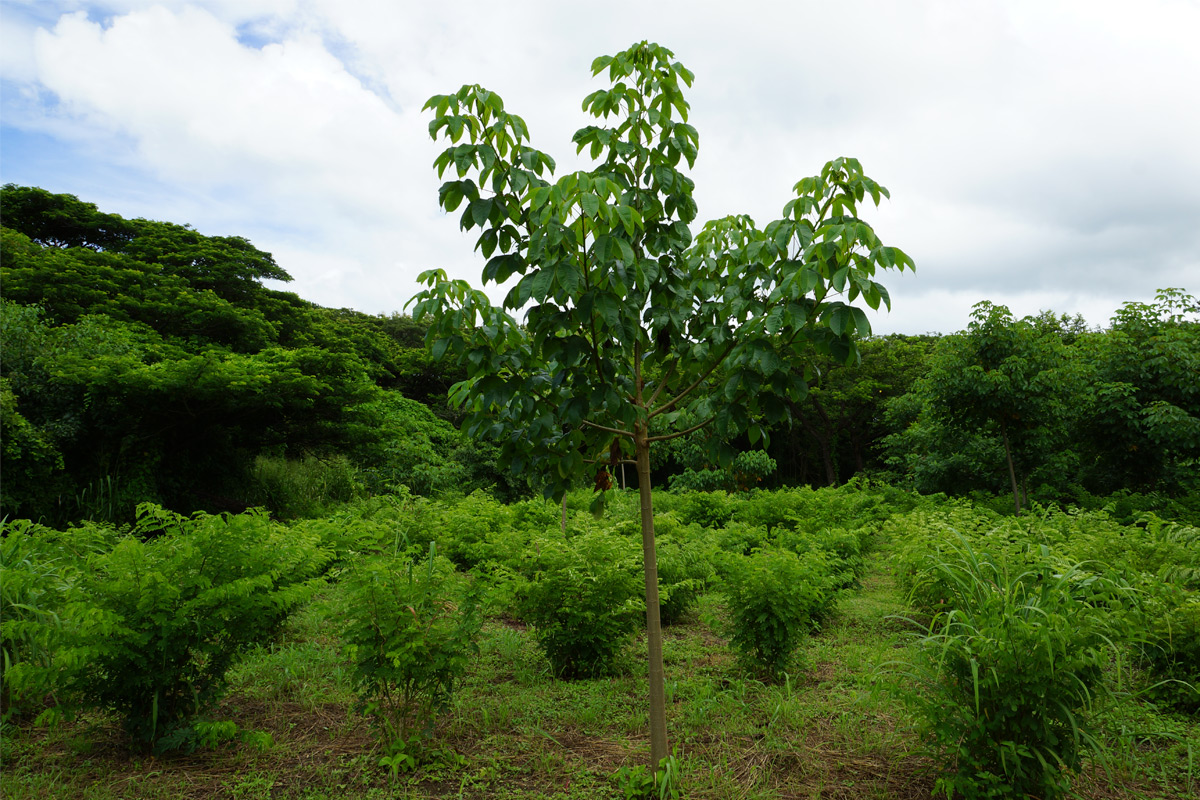
At that point, the project resembled a collection of planted trees scattered across a cleared field—somewhat like a park.
After the first 15 years, the healthy growth of trees in several areas of the project significantly reduced the potential damage from wildfires. This ecological maturity gave us the confidence to take the next step: we stopped cutting the grasses and herbaceous plants that grew freely between the planted trees.
The outcome of this shift, in terms of wildlife and biodiversity, was truly remarkable. Amid the planted trees, a rich variety of native plants, shrubs, and trees began to emerge naturally, gradually displacing the dominant pasture grasses. This flourishing vegetation attracted an increasingly diverse array of fauna, that actively contributed to forest regeneration through seed dispersal, soil enrichment, and ecological interactions. It marked the beginning of a “virtuous cycle,” propelling the project toward a dynamic and self-sustaining process of environmental restoration.
Undoubtedly, the decision to cease vegetation cutting marked a pivotal milestone in the project’s evolution—one that significantly advanced wildlife support and biodiversity enrichment., by allowing natural growth.

Although the decision to stop cutting vegetation—and nature’s subsequent response—did not unfold uniformly across all areas of the project, it can be affirmed that, overall, the outcome was overwhelmingly positive..
More than thirty years after the project's inception, reforestation efforts are still underway in certain areas. These sectors, currently undergoing new planting phases, require continued vegetation management for several more years. To ensure the survival of young trees, it remains necessary to regularly cut grasses and herbaceous plants that could otherwise overwhelm and outcompete the seedlings.
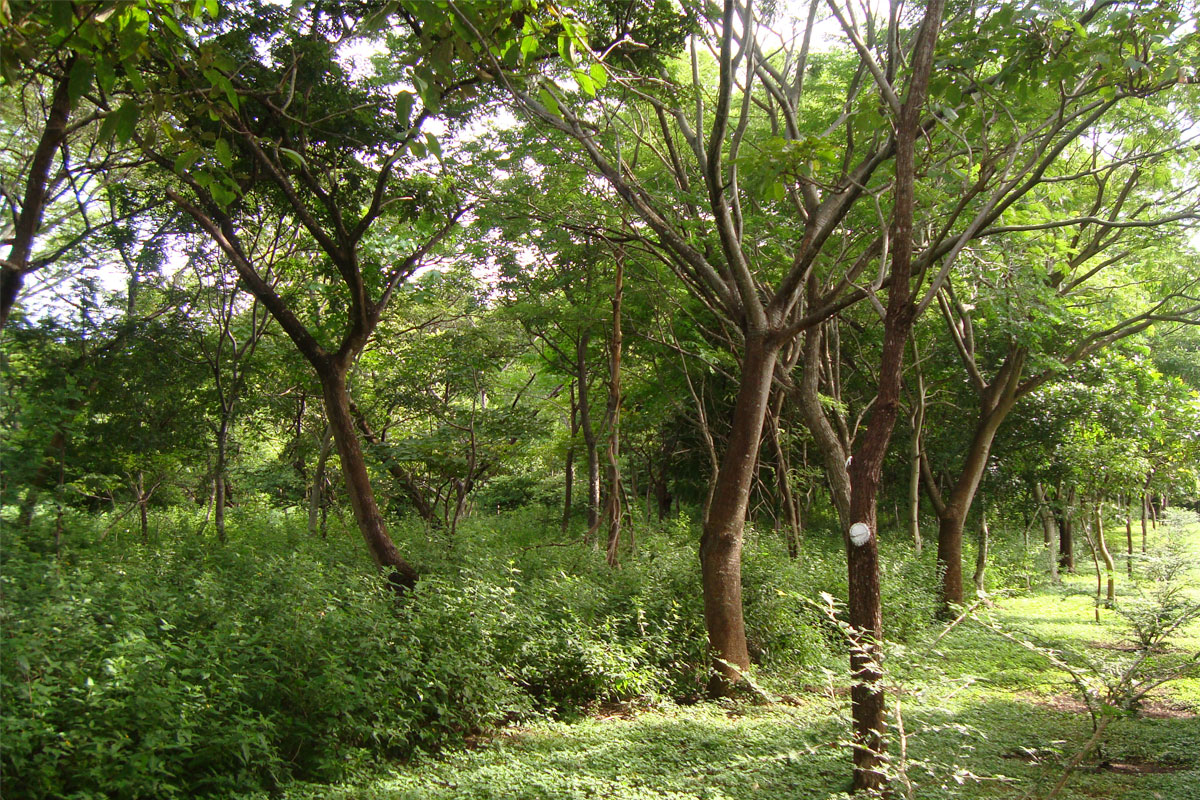
Other areas of the project, by contrast, have already developed the appearance and ecological traits of an emerging secondary forest.
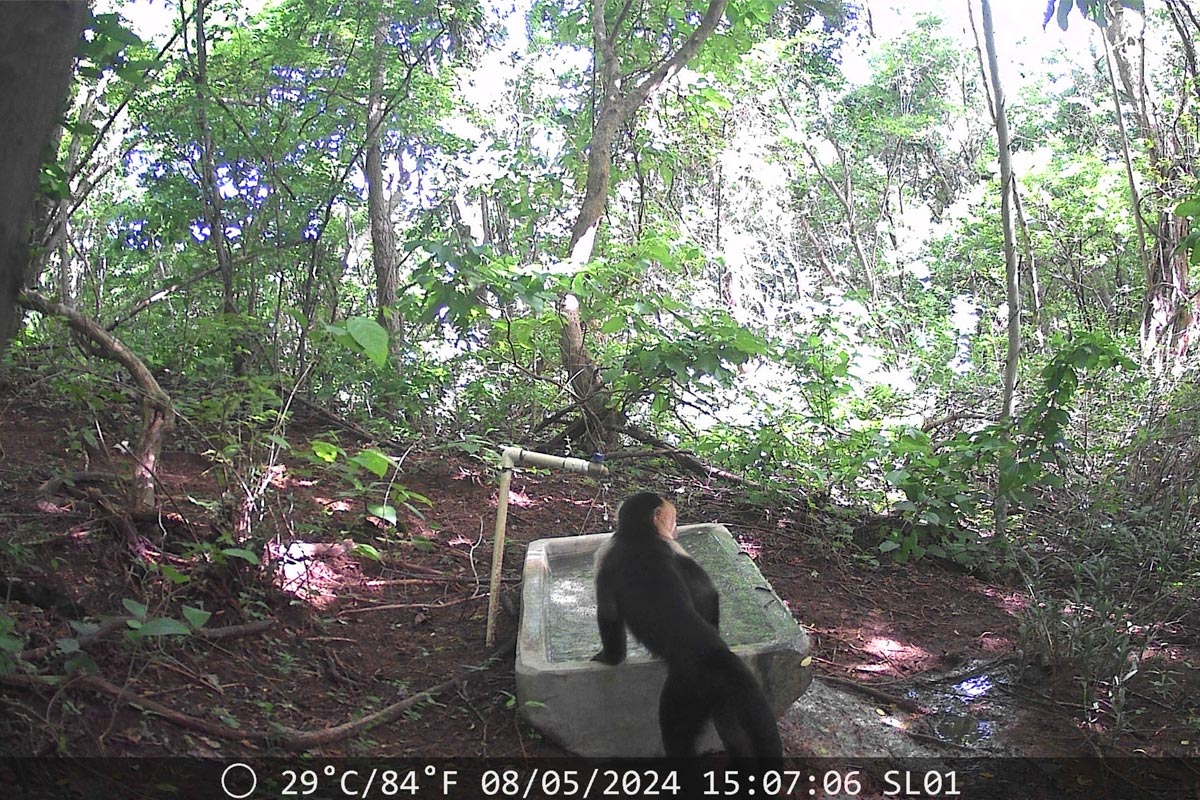
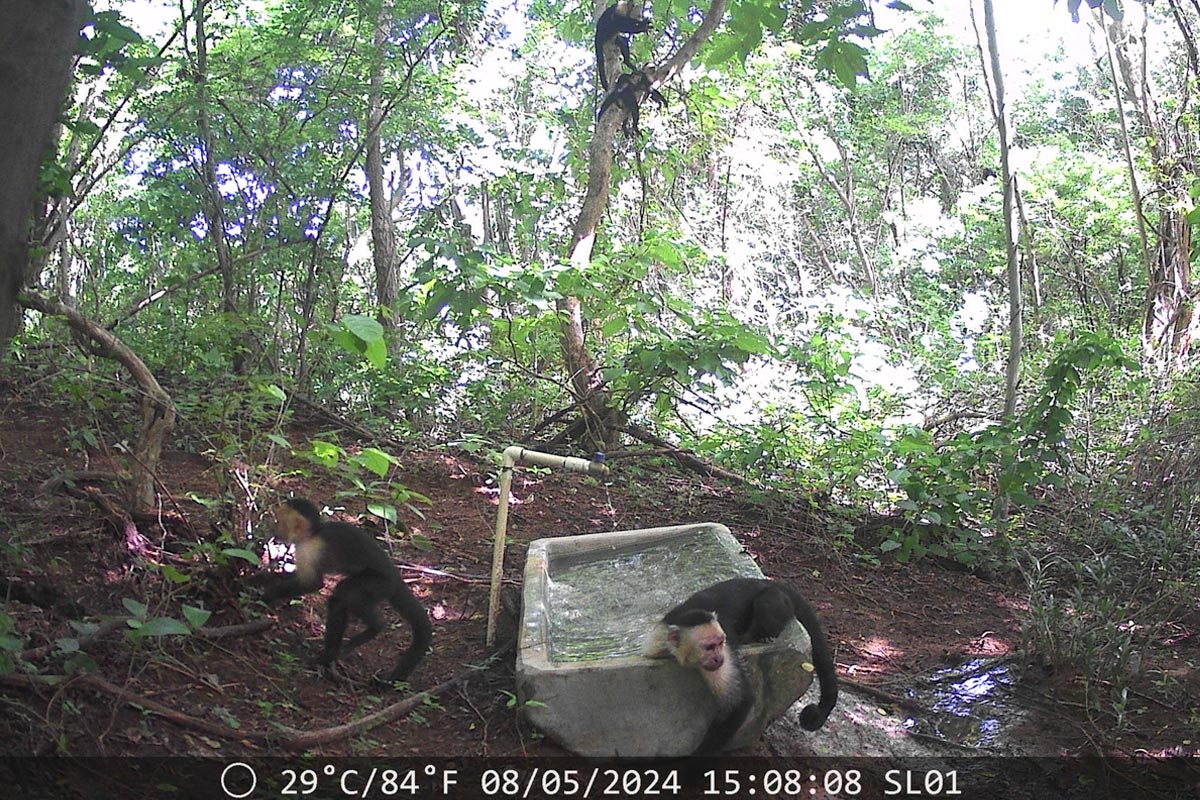
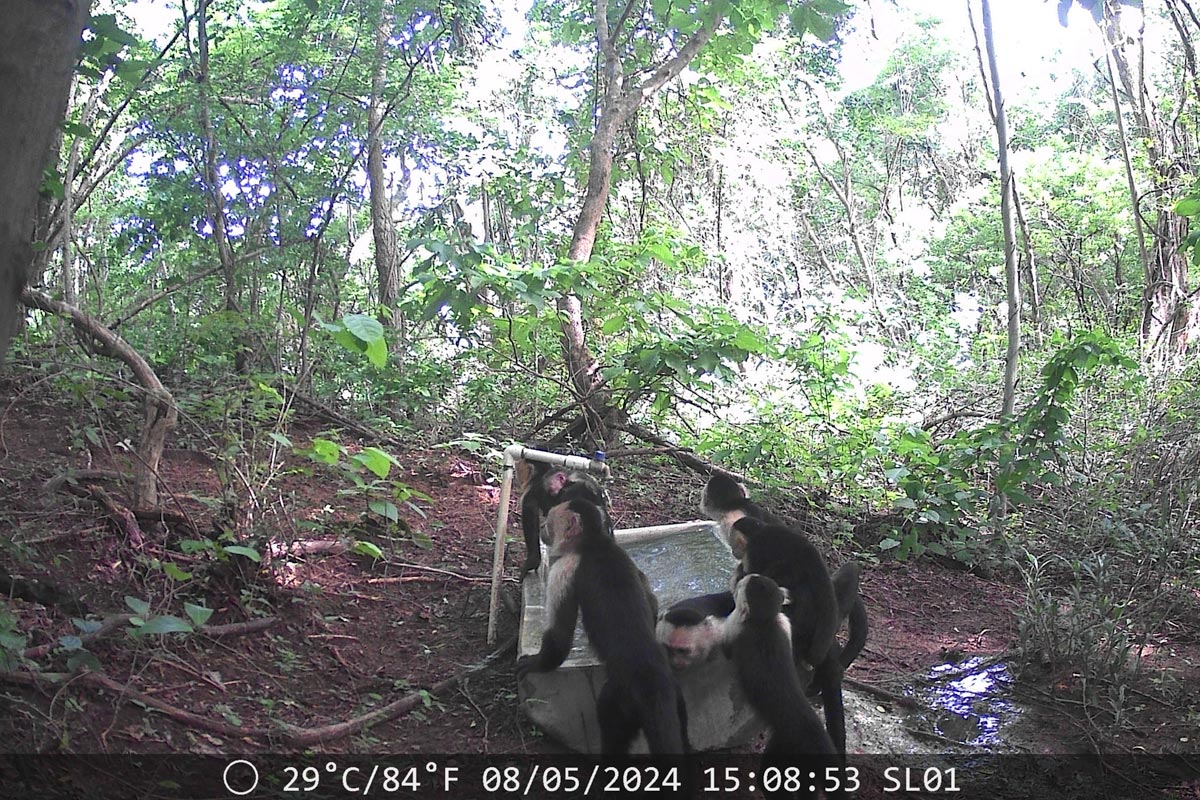
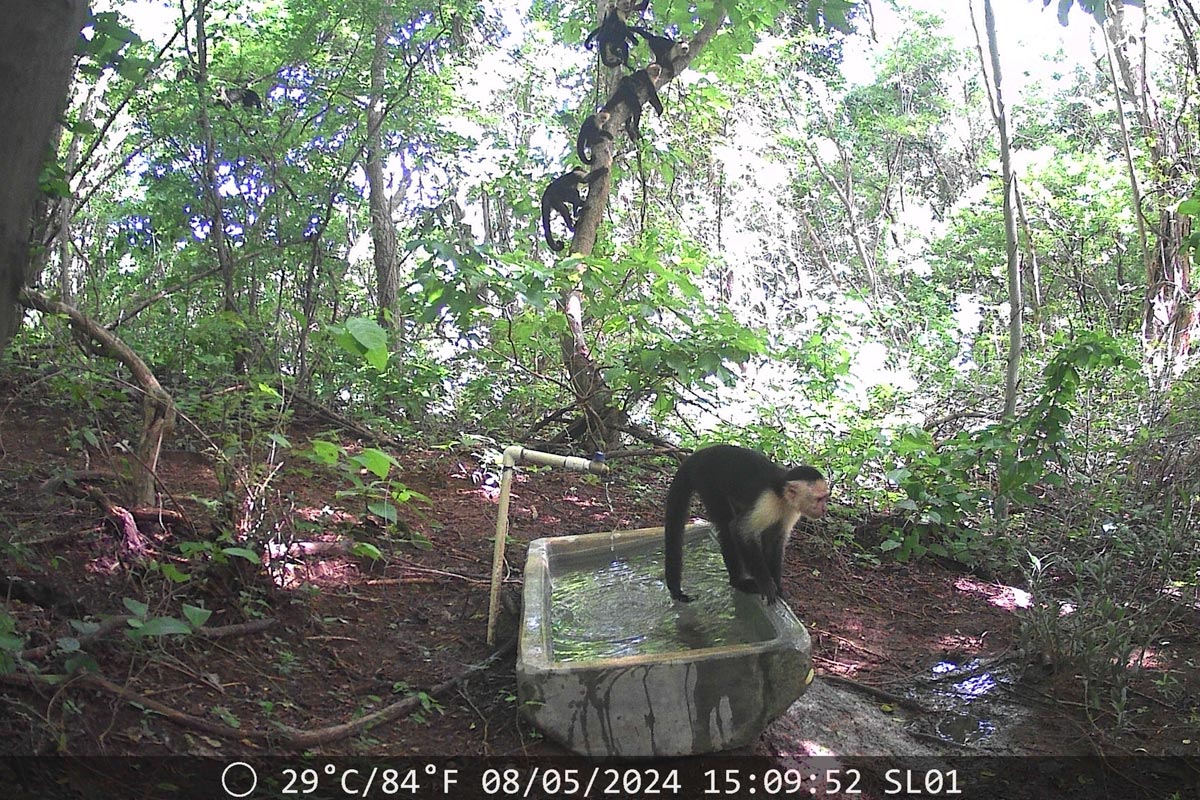
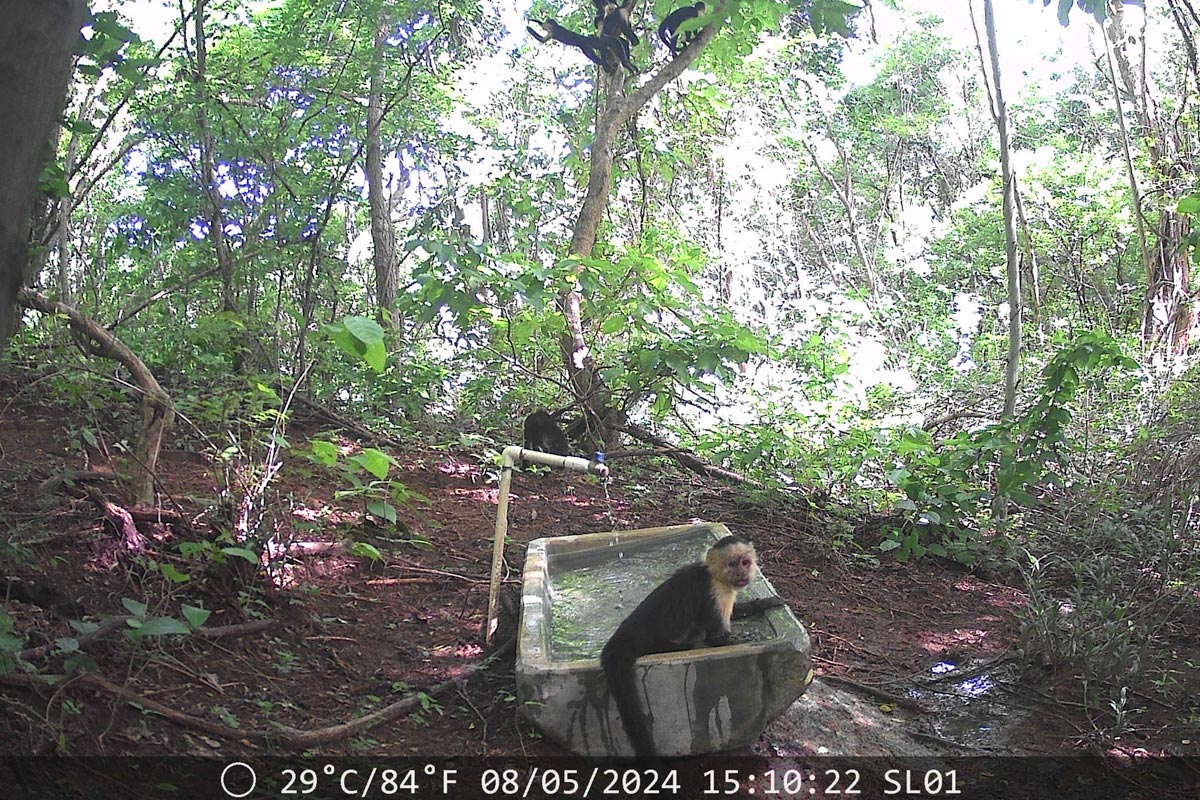
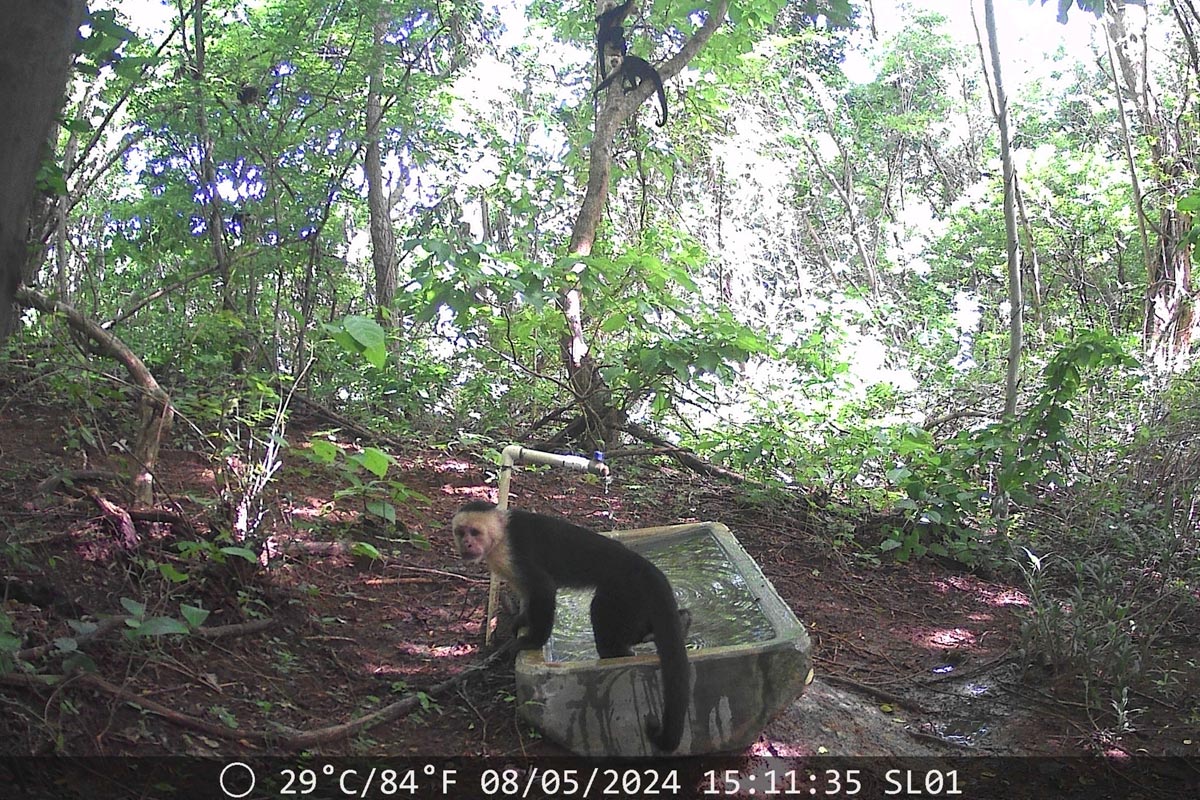
This resurgence of forest cover in the project area has fostered a gradual return of wildlife. As an example, it took more than 20 years for a few white-faced capuchin monkeys (Cebus capucinus) to dare make their first—brief and elusive—visits to the site. Today, a large troop of these monkeys resides in the area nearly year-round, reflecting the success of the restoration efforts in reestablishing suitable habitat for native fauna.
The same has happened with many other animal species. It is remarkable how the beautiful songs of birds grow more abundant with each passing year.

Video of the White-faced Capuchin Monkey Troop in San Lorenzo
Video Capturing the Ambient Sounds of San Lorenzo, Featuring Birdsong.
Interesting and Valuable Lessons from the Project
Over three decades of project development have taught us that the trees planted as part of the eco-reforestation program became a costly yet essential first generation of vegetation. These trees laid the foundation for environmental restoration, enabling, accelerating, and enriching the recovery process.
This first generation of trees has brought a wide range of valuable and noteworthy environmental benefits, including:
a) The planting of young trees from a variety of native species—sourced from distant forest nurseries but always within the same Tropical Dry Forest ecosystem—enabled the reintroduction of valuable genetic material to the project site. This genetic diversity had previously disappeared from both the project area and its immediate surroundings. The environmental benefits of reintroducing these native species are clear.
This positive impact, generated by the reintroduction of native species from forest nurseries, multiplies once these trees mature and begin producing fruits and seeds, thereby spreading and perpetuating their species.
Historical Footage of Tree Seedling Purchase at the Nursery.
b) The branches, leaves, and fruits of this first generation of trees have become a vital ecological resource, attracting a wide array of regional wildlife. Birds, in particular, lkewise, mammals such as squirrels and monkey.
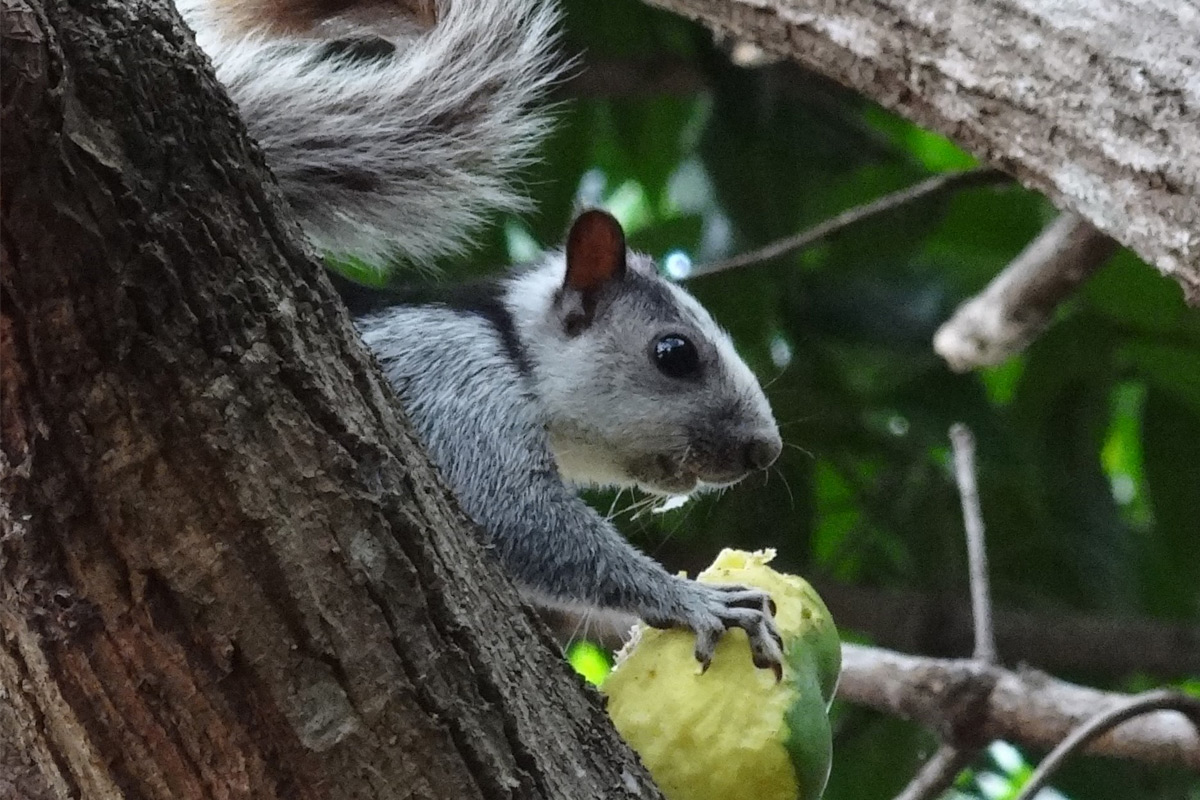

Squirrel and White-faced Capuchin Monkey Feeding on Mangoes in San Lorenzo.
This attraction of wildlife plays a profoundly valuable role in the environmental restoration process. As animals return to the area, they often carry within their digestive tracts seeds from a wide variety of plants, shrubs, and trees they previously visited and fed on.
This wildlife "imports" seeds into the project area. To a large extent, this is the origin of the rich biodiversity that has naturally emerged beneath the canopy of the first generation of trees planted in San Lorenzo.
Evidently, this wildlife not only imports seeds into the project area, but also exports them beyond its boundaries after feeding on the fruits of trees within the site.
Wildlife thus becomes a key agent in seed dispersal, facilitating a rich exchange of seeds between the project area and its surroundings. This exchange also occurs, in the case of certain seeds, through the action of the wind, which both brings and carries seeds away.
This dynamic is highly valuable, as it extends the project's impact beyond its physical boundaries, allowing its positive influence to radiate throughout the surrounding environment. In doing so, the project becomes a “good neighbor” within its región.
c) The first generation of planted trees plays a foundational role in creating a more favorable, hospitable environment for the germination and growth of a second wave of vegetation—comprising native plants, shrubs, and trees. This is achieved through several key ecological mechanisms:
- The shade cast over the soil by the branches and leaves of this first generation of trees helps reduce solar radiation, thereby preventing, to some extent, the rapid and extreme dehydration of the soil.
- Protection against excessively strong winds, thanks to the windbreak barrier formed by these trees.
-
Improvement of soil conditions, thanks to the layer of organic material formed by the shedding of branches and leaves. This process has occurred in varying ways depending on the tree species.
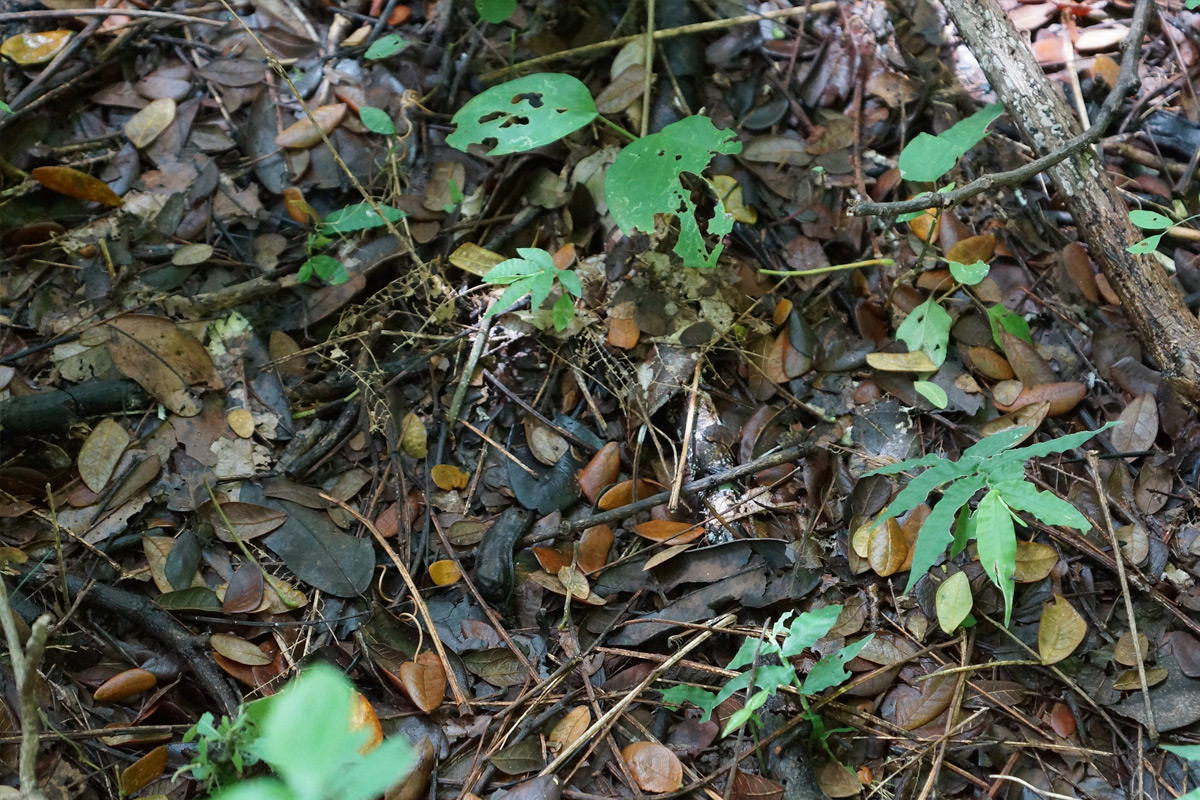
Among the benefits of this layer of organic material is its ability to trap and anchor seeds that would otherwise be carried away by wind or rain runoff, thereby promoting seed fixation and germination.
All of the above has fostered the spontaneous emergence of young trees—with excellent characteristics—that have managed to germinate, survive, and grow without being planted by human hands or receiving any irrigation during their early years.
In summary, the eco-reforestation program, beyond its direct and immediate benefits, serves as a valuable initial boost—a foundation, a first step—that enables nature to begin its process of restoration.
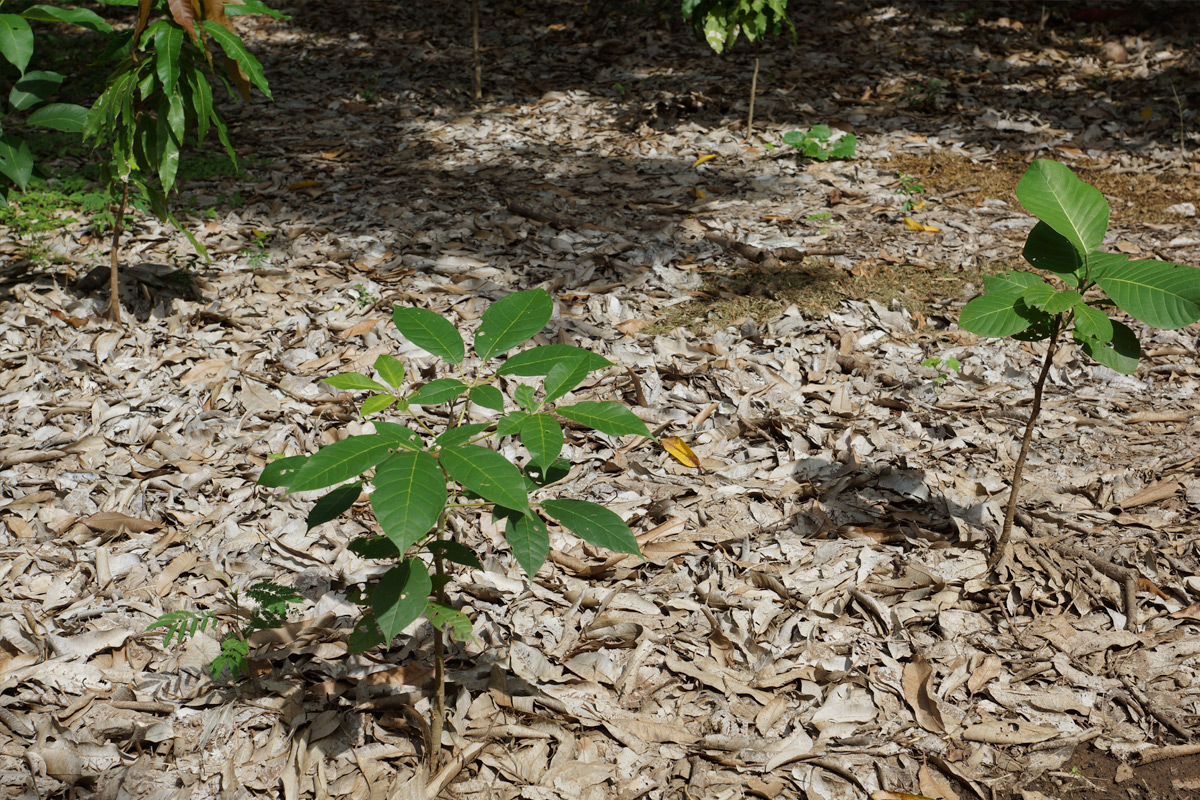

Clearly, environmental restoration is a dynamic process—one that will take many more years to reach a high degree of recovery. When viewed across a sufficiently broad time horizon, this first generation of planted trees serves as a valuable and functional “scaffold” upon which nature can build. Over time, the ecosystem itself will take the lead, gradually developing its own restoration process through spontaneous regeneration, species succession, and the reestablishment of ecological interactions.
Based on the previous observation, which has allowed us to confirm on-site the invaluable contribution of wildlife to the environmental restoration process, we have intentionally planted certain tree species that, although not native, produce fruits highly favored by local fauna—such as the mango (Mangifera). These trees have become powerful attractors of wildlife, enhancing seed dispersal and ecological interactions, It is expected that, within a few decades, these trees will have completed their life cycle, leaving behind a legacy of rich biodiversity beneath their branches.
The process described above is precisely what occurred in the southwestern corner of the project, in an area originally intended for a small mango plantation. Today, that same area hosts a rich diversity of native forest species that have emerged naturally beneath the branches of those mango trees.
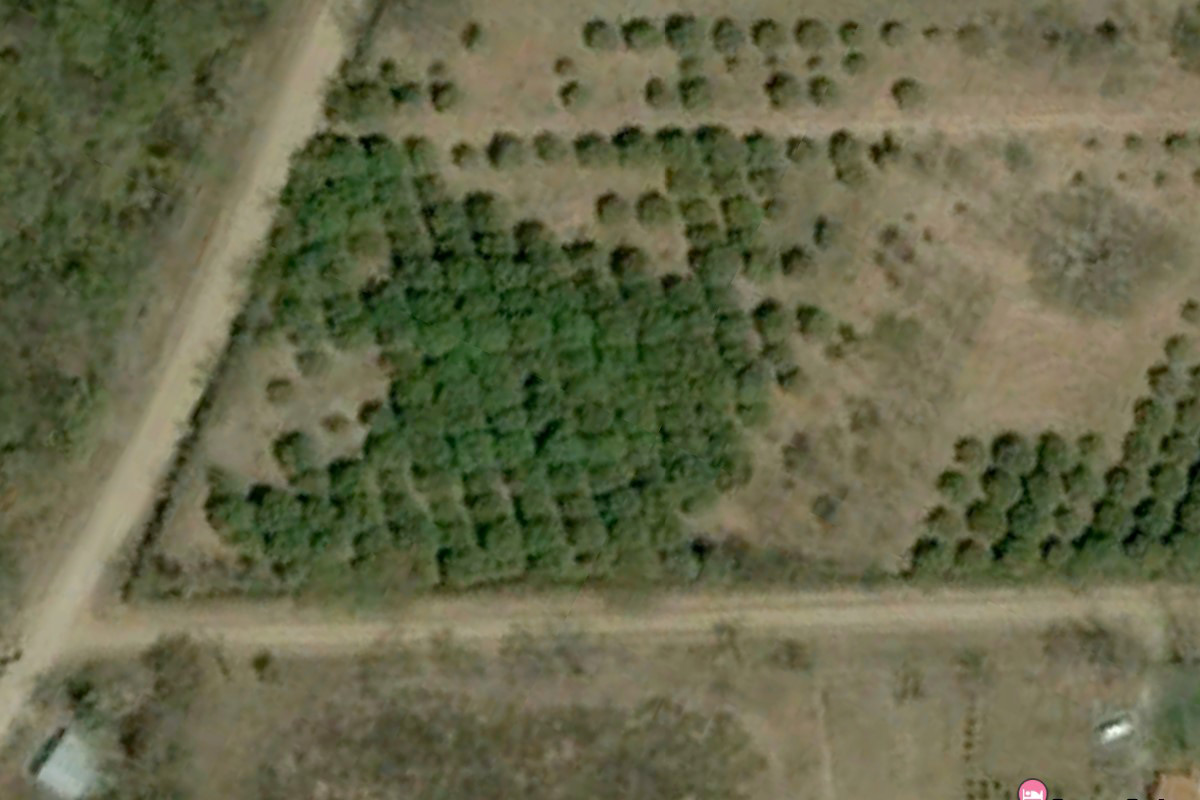

Photographic evidence showing the transformation of the area initially occupied by the mango plantation (2004) and the subsequent emergence of a secondary forest (2020).
The result of all this is the emergence of a secondary forest, with increasing biodiversity, which in turn becomes an attractive force for drawing in even more biodiversity. This sets in motion a valuable environmental virtuous cycle, fueled by the initial momentum provided by the eco-reforestation program.
In this process, we have had to intervene to control the emergence of certain species that, without human management, tend to become highly invasive and turn into true pests. This has occurred with some native species, such as cornizuelo (Acacia collinsii), as well as with exotic species like nim or neem (Azadirachta indica).

The sub-program of fresh water troughs
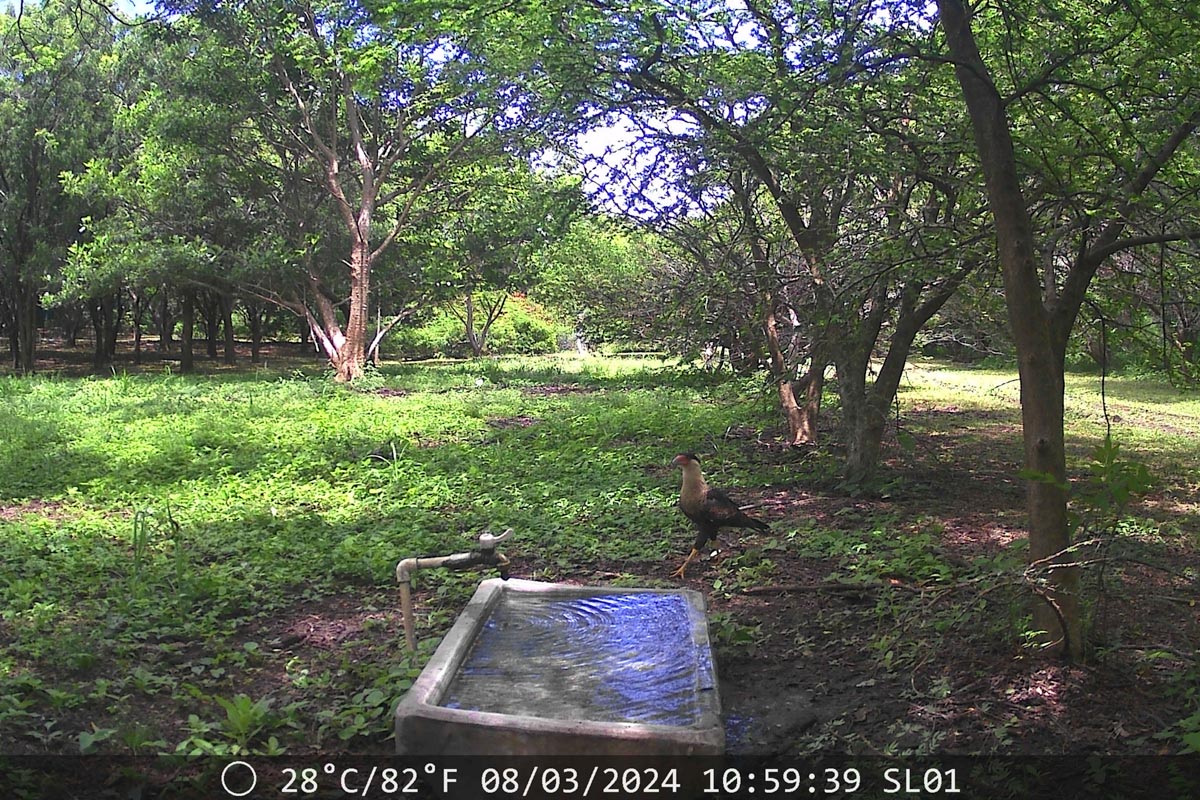
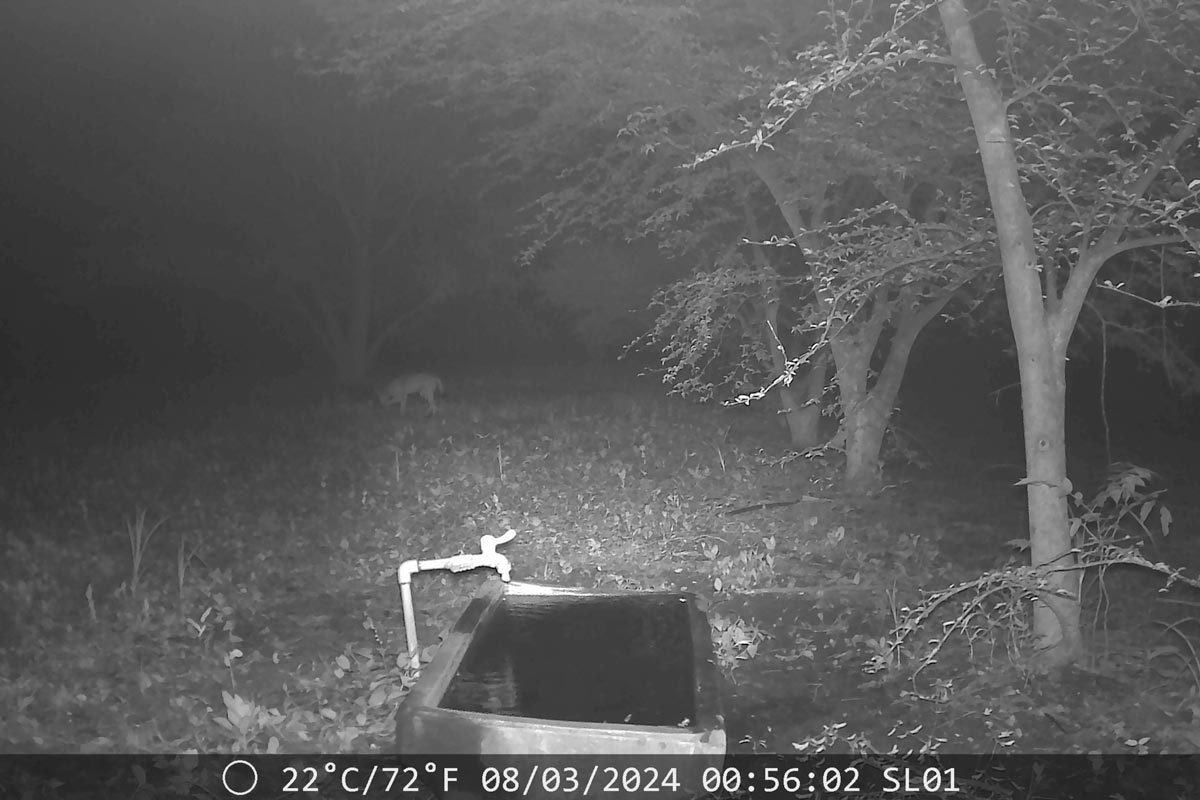
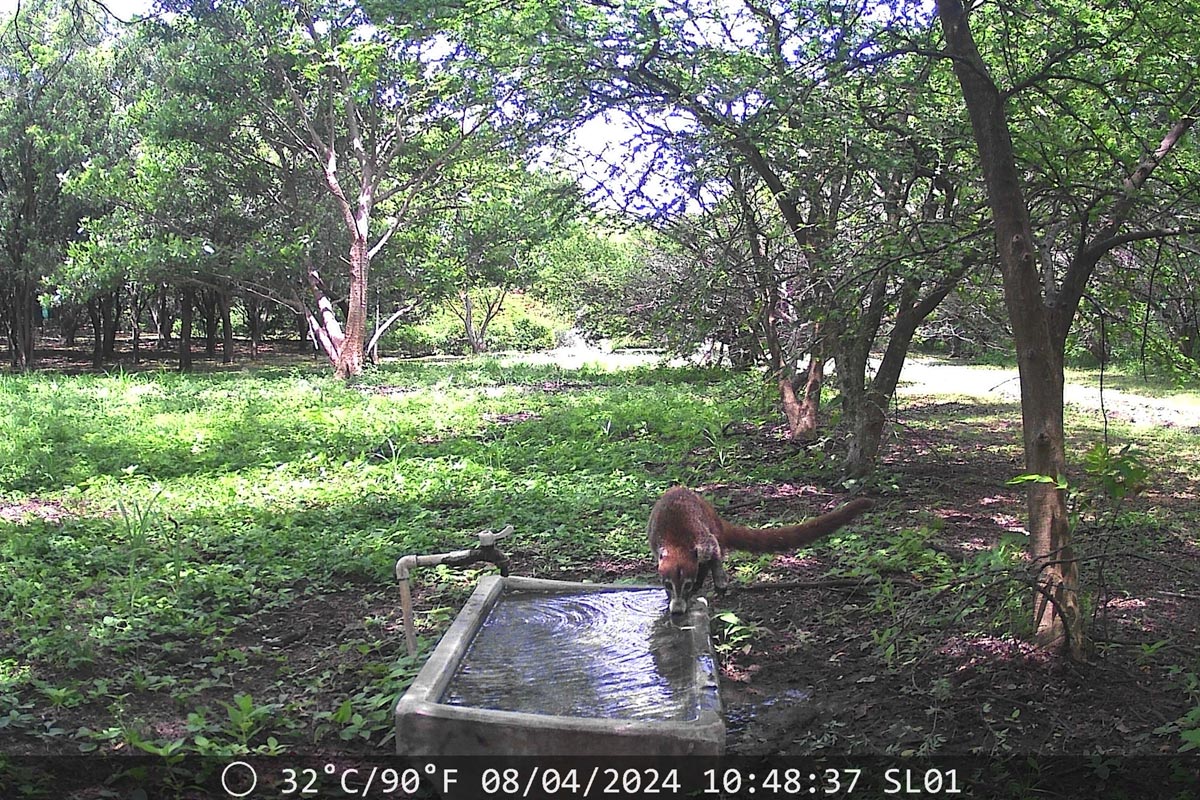
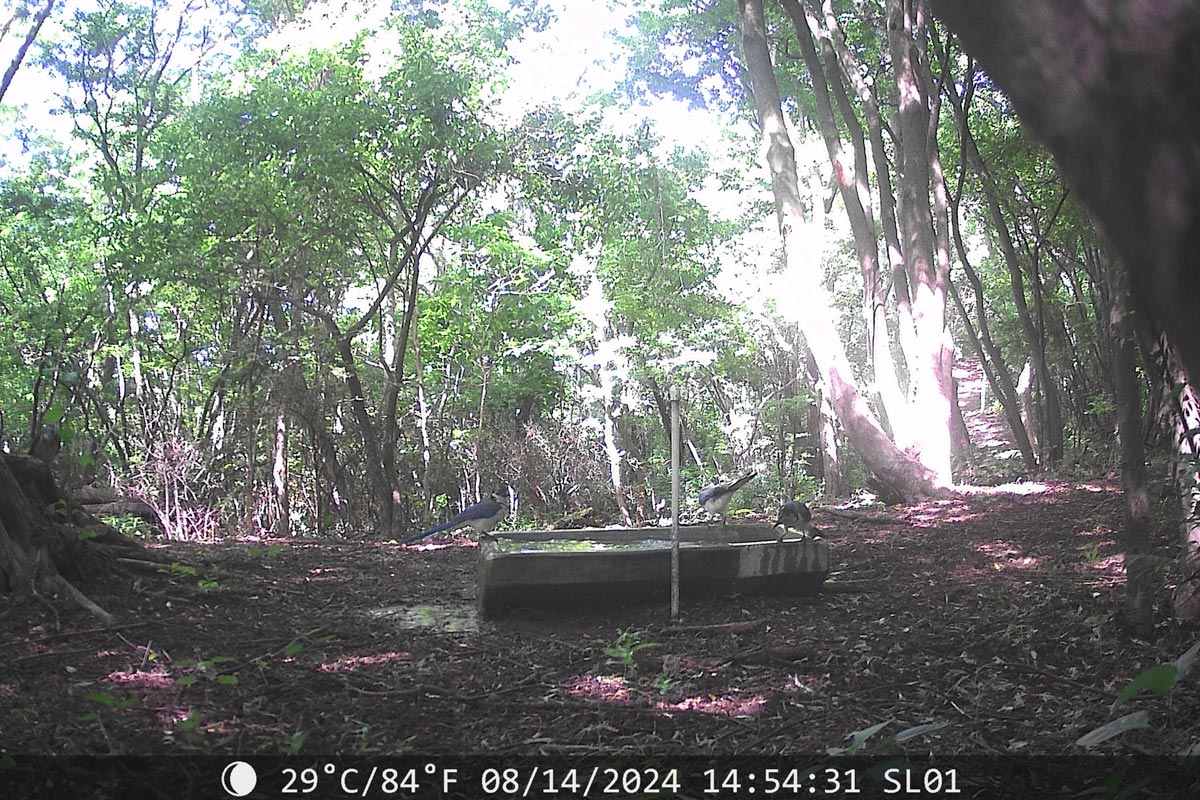
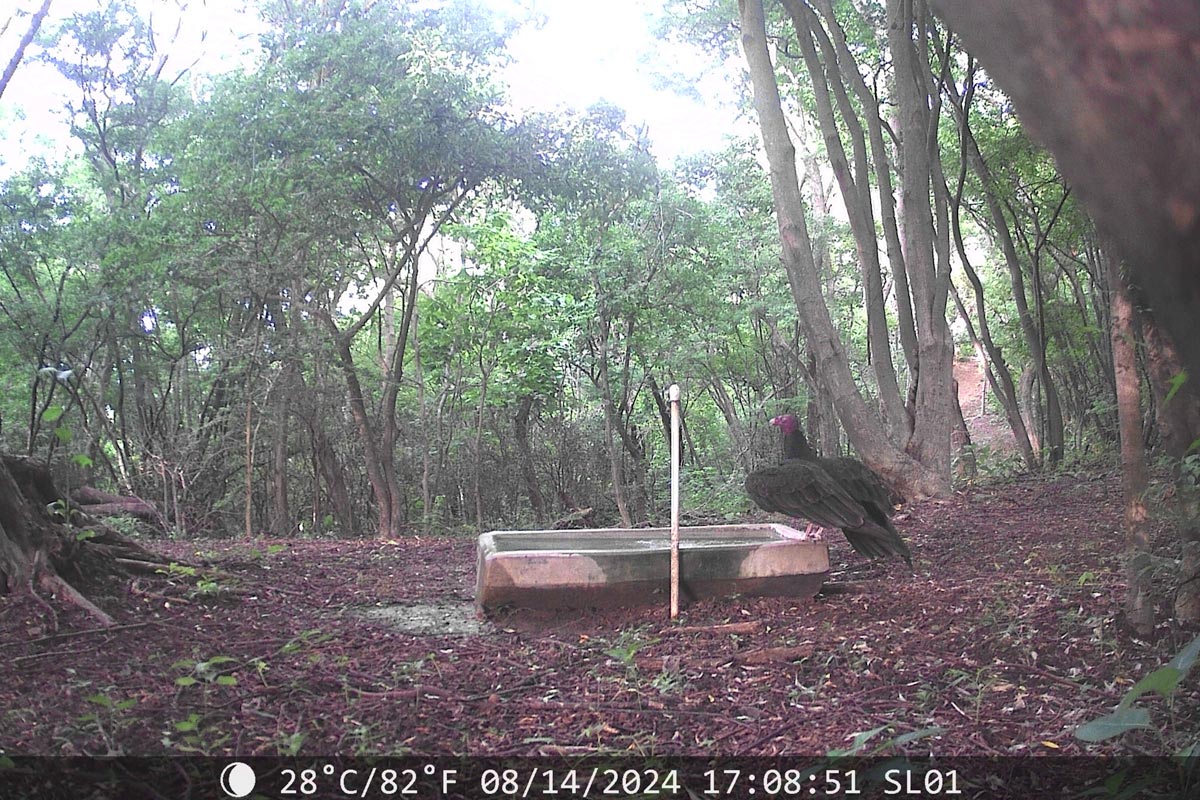
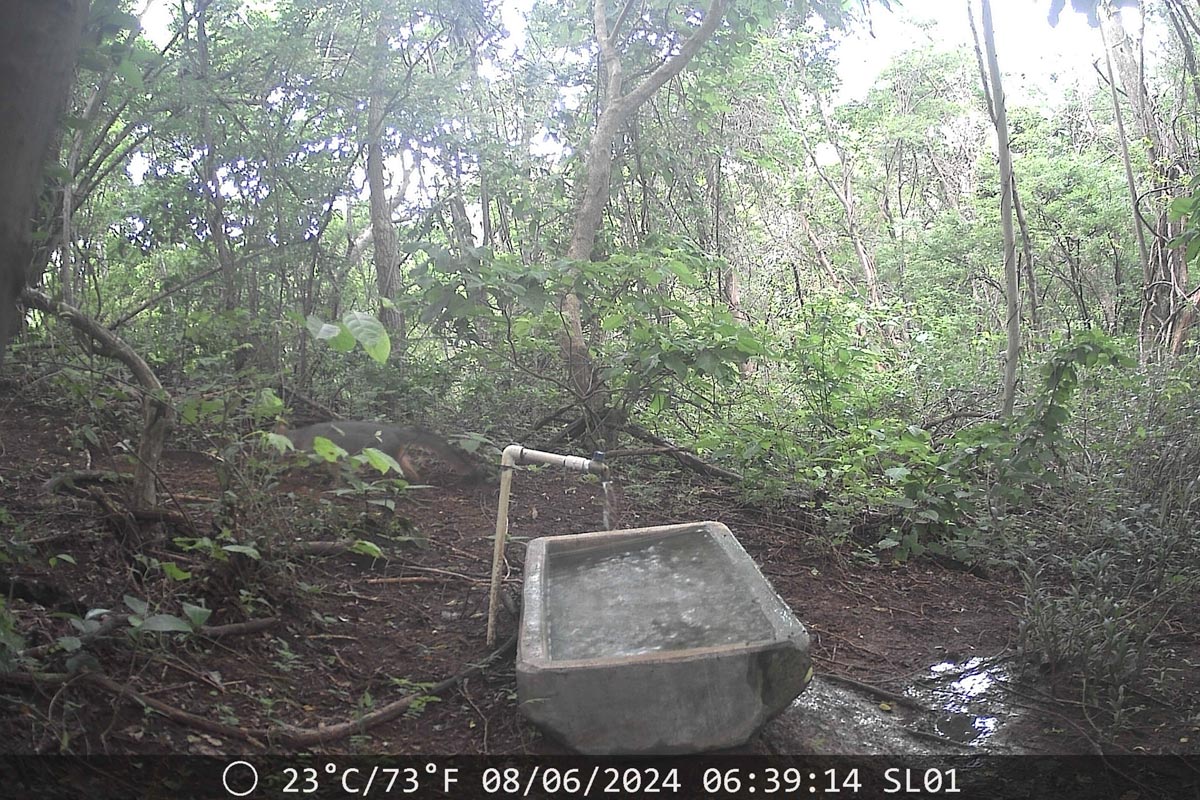
The wildlife and biodiversity support program has also included another activity, with equally positive and interesting results: the establishment of small fresh water troughs.
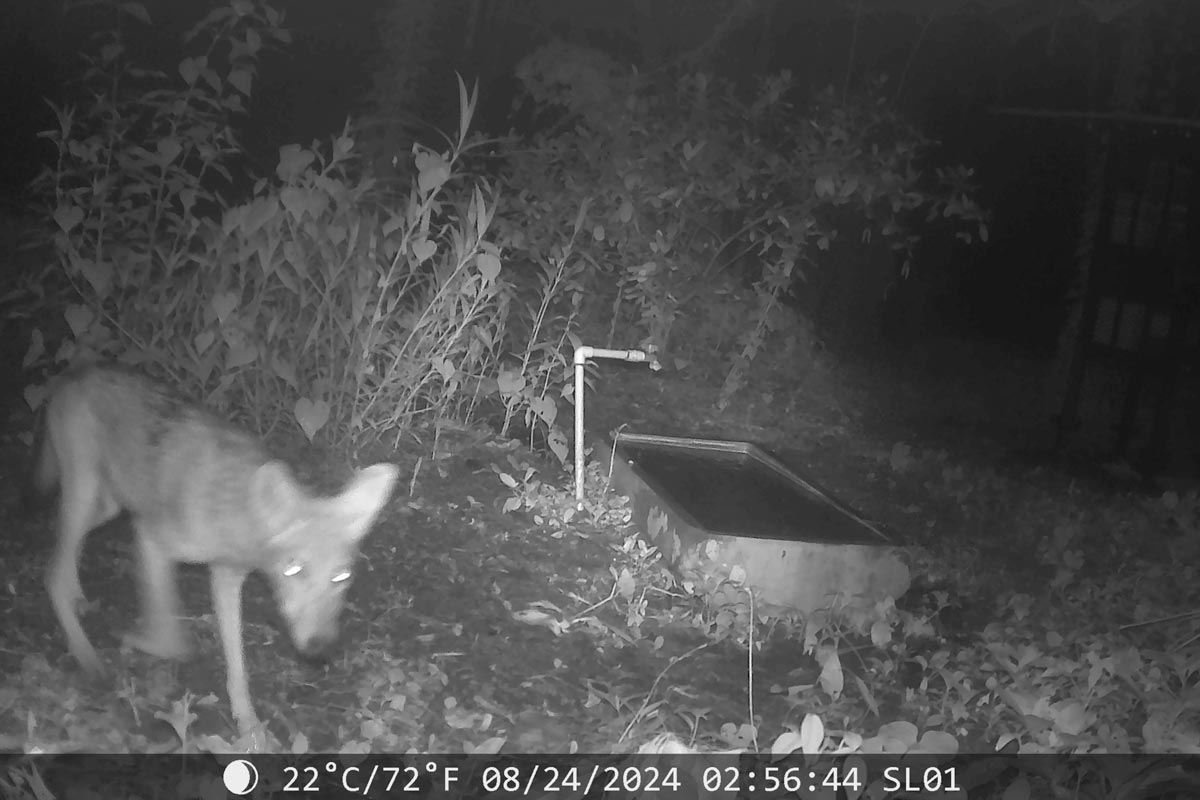
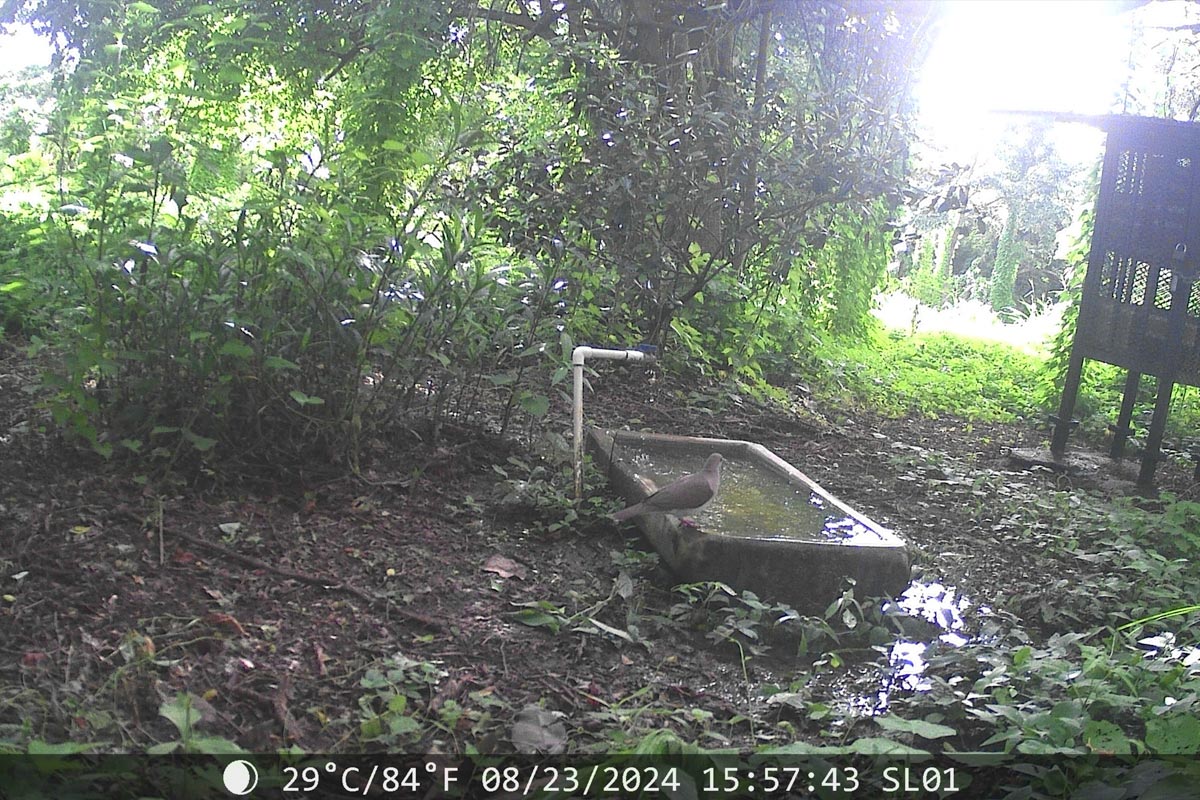
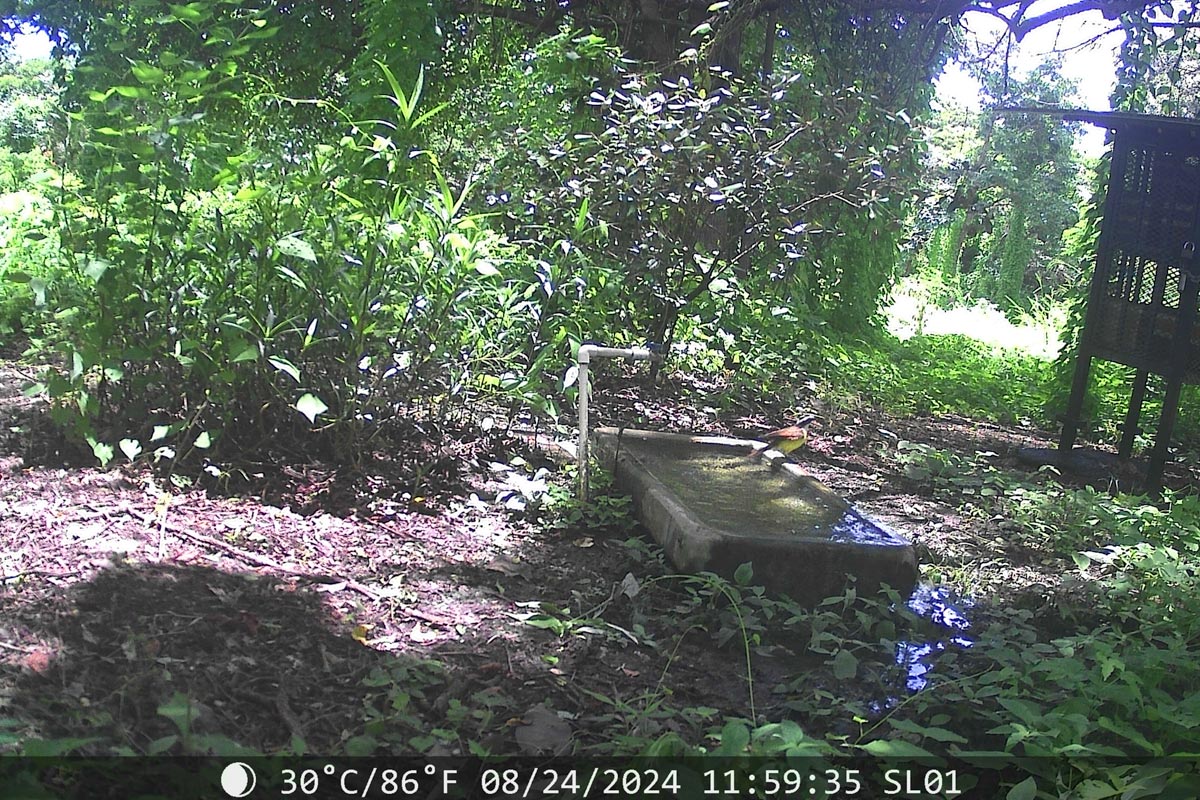
This involves the placement of small basins, built with reinforced concrete, which have been installed at various points throughout the project and are kept filled with fresh water year-round.
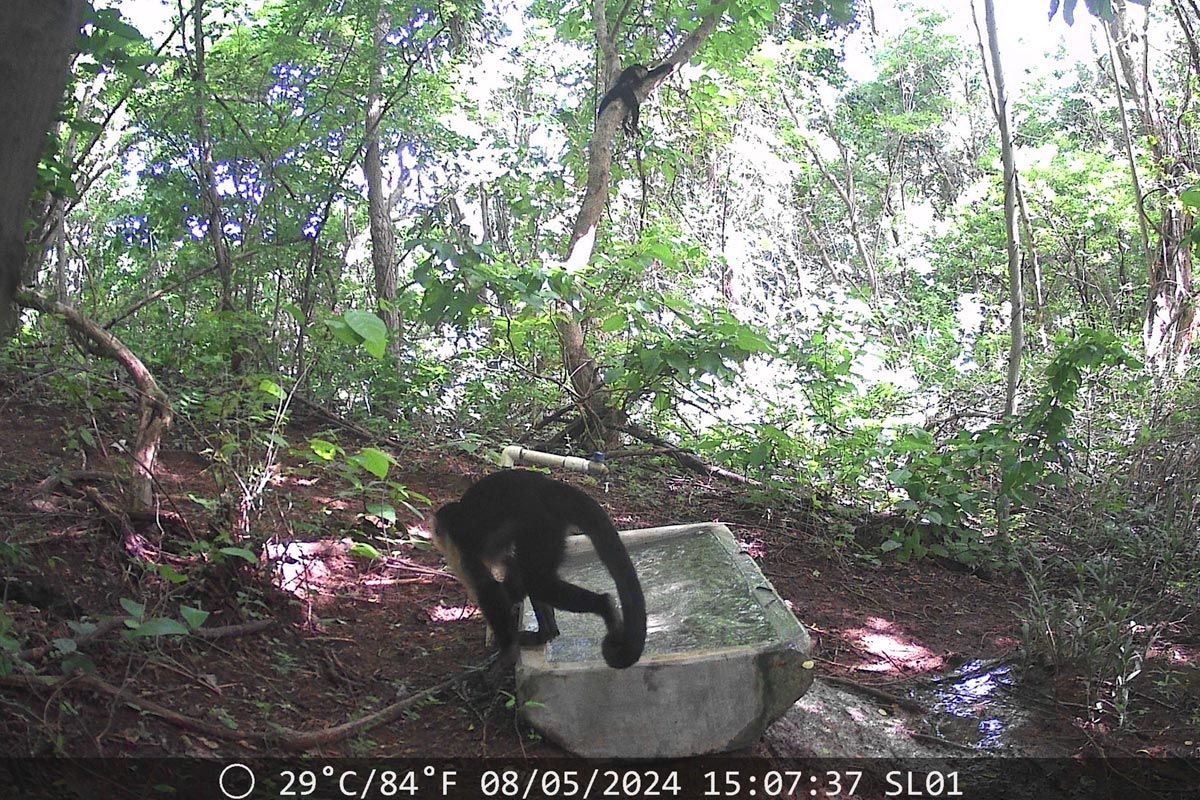
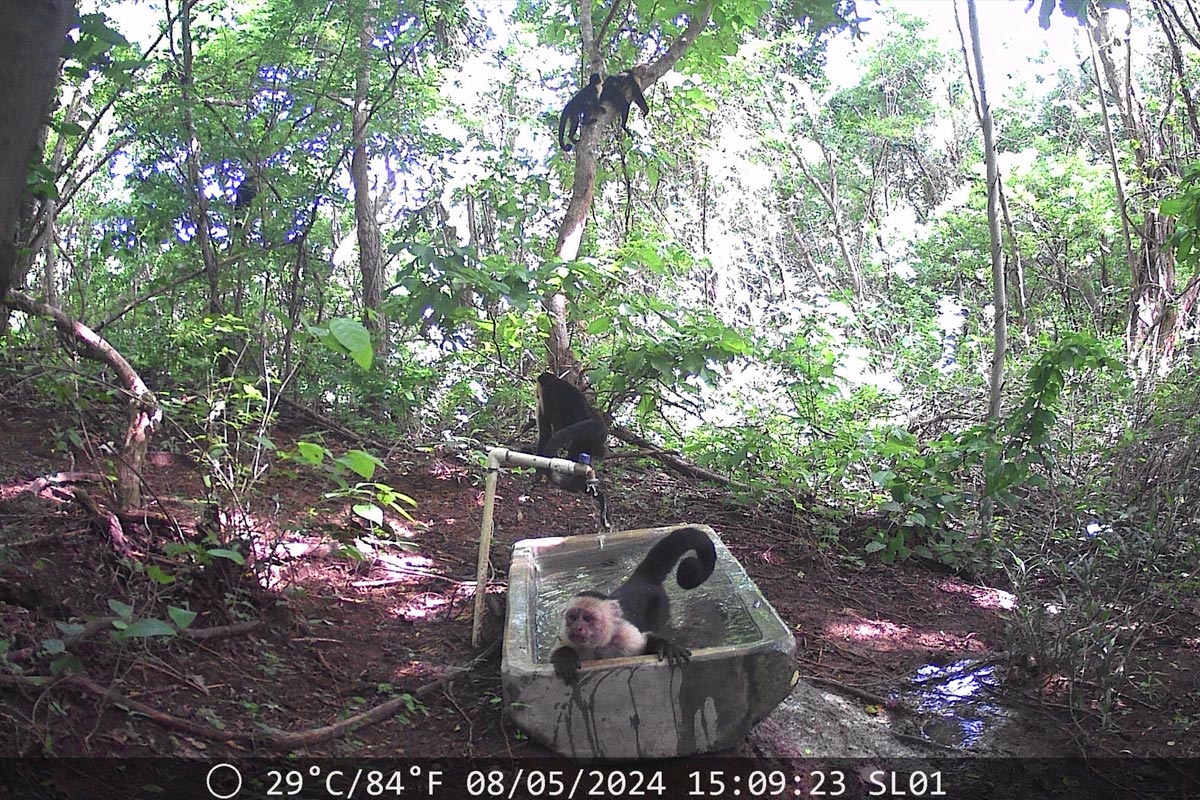
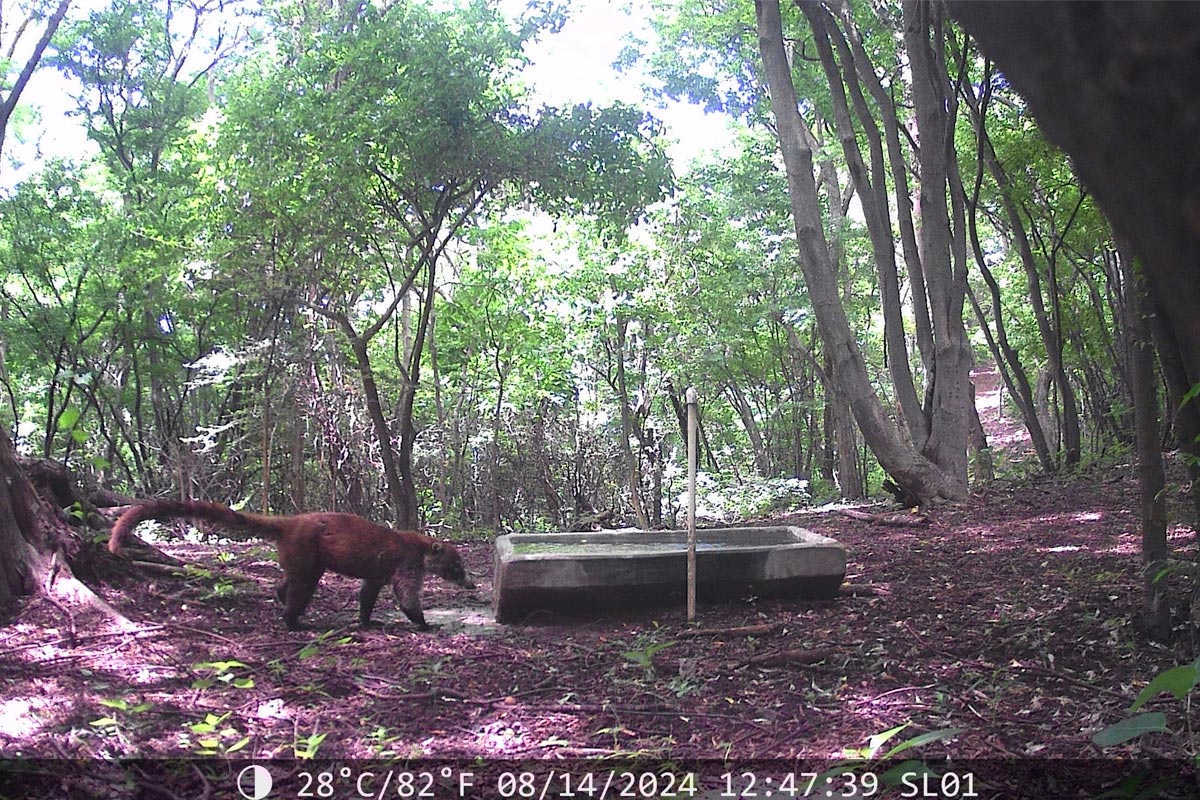
It is heartwarming to see animals arrive, thirsty, to drink from these basins when no other sources of fresh water remain in the area. And it's quite endearing to watch the monkeys not only drink the water, but also bathe in the basins—soaking themselves like in little tubs—in their playful effort to cool off from the heat.
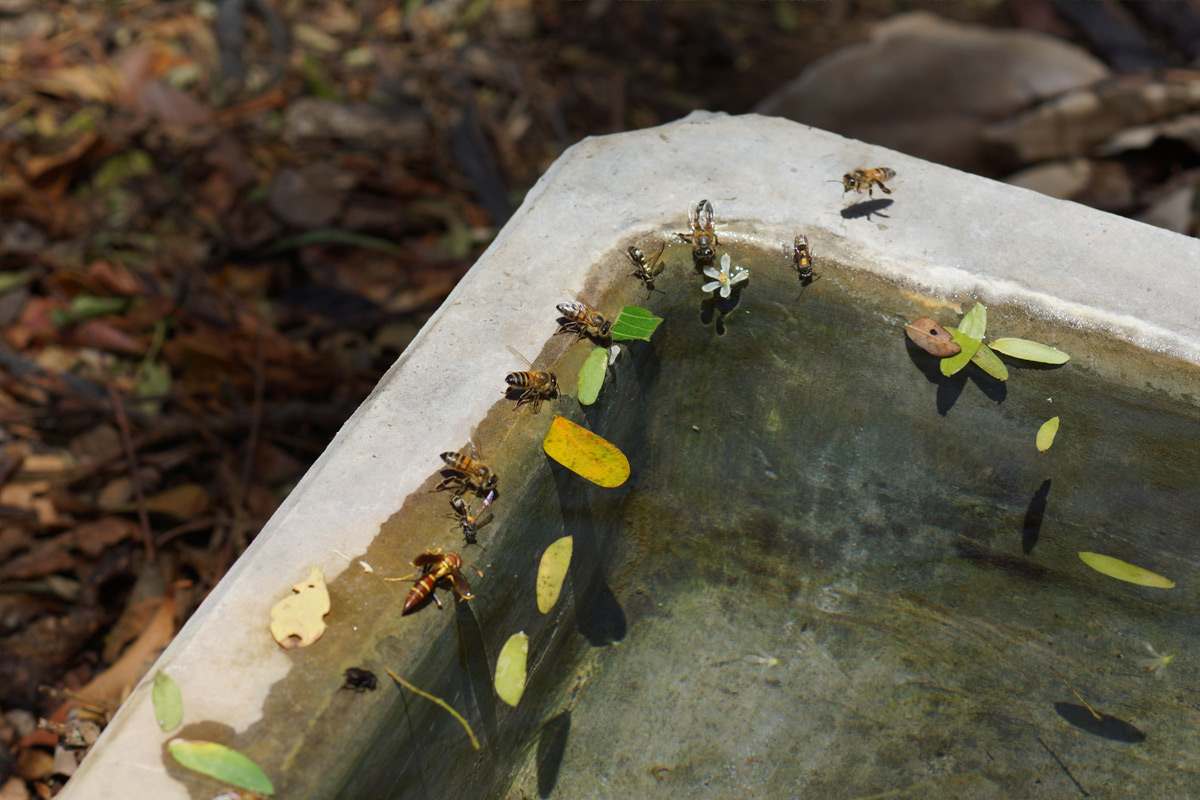
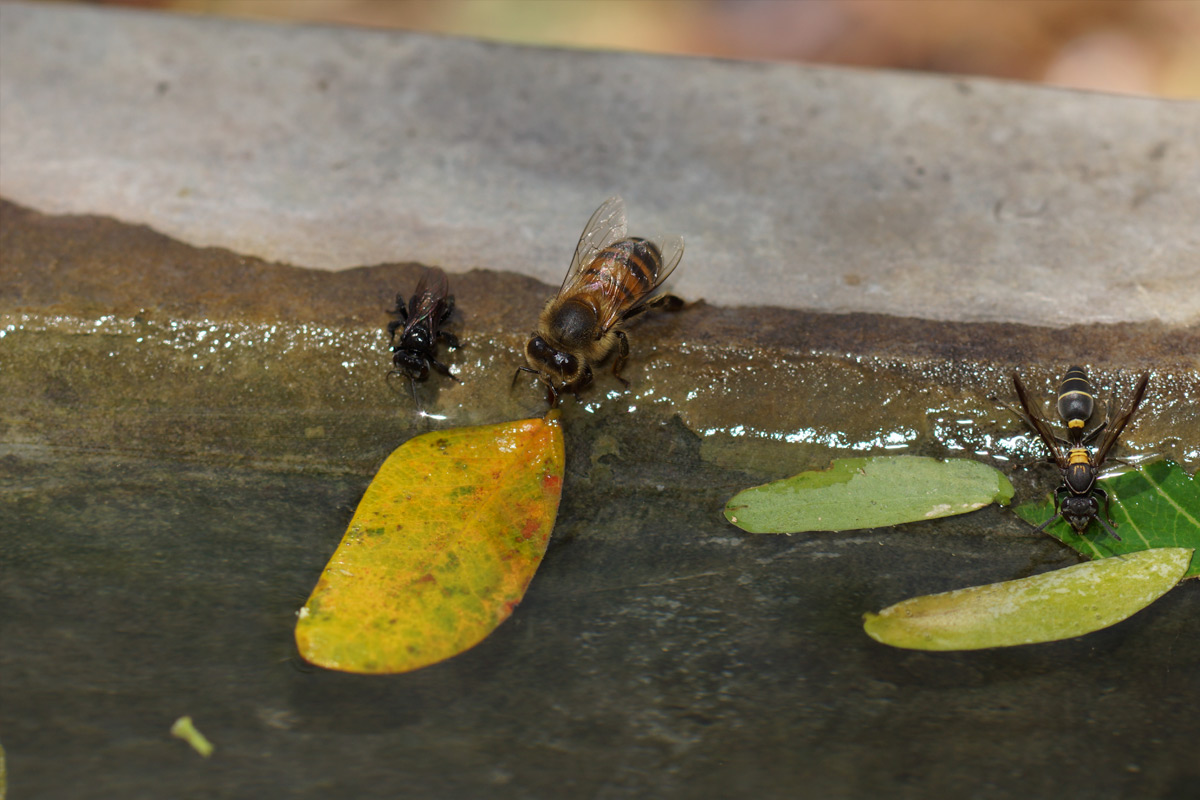
Various species of bees and wasps—coexisting in perfect harmony—drinking water from the troughs of San Lorenzo.

As the harsh months of the dry season progress, these water troughs become the only source of water for wildlife, since the nearby river—Río Salinas—as well as other small streams in the area, dry up completely.
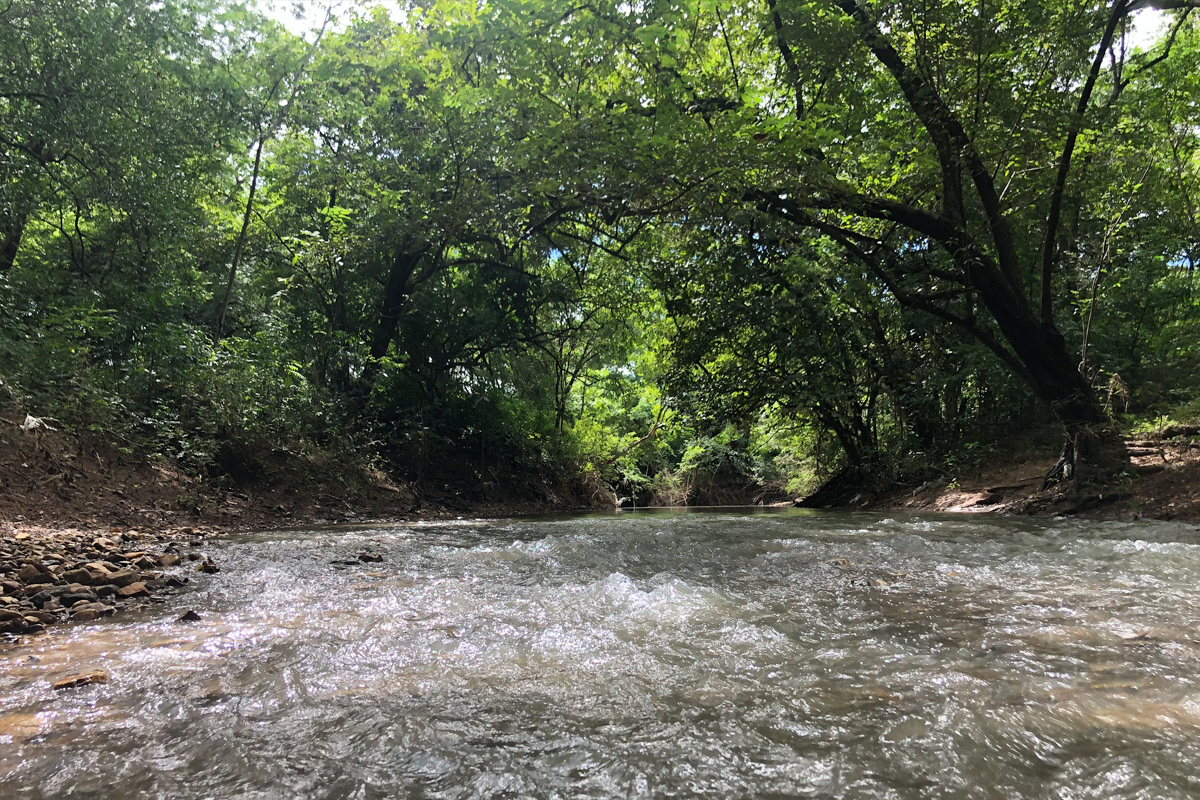

Supplying water to each of these troughs, as well as to the irrigation systems, has required significant effort and investment in underground water extraction systems and their distribution to various points across San Lorenzo.
The shelter and protection offered by trees and vegetation, the nourishment provided by the fruits of trees and shrubs, the nectar and pollen from blooming flowers, and the fresh water supplied by the troughs have gradually become the main attraction and support for an increasingly abundant and diverse wildlife presence in San Lorenzo—fostering a growing and rich biodiversity.
This biodiversity notably includes arthropods, which are precisely the group experiencing some of the most critical and alarming rates of extinction.
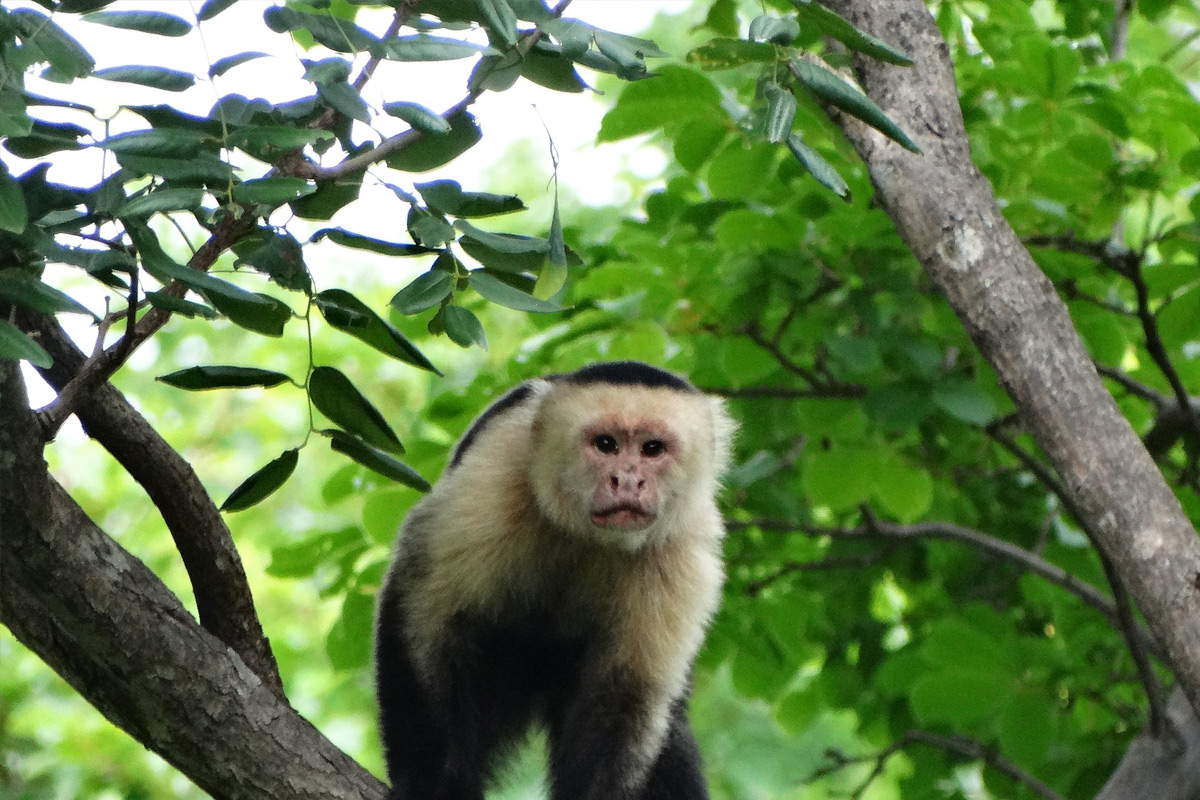
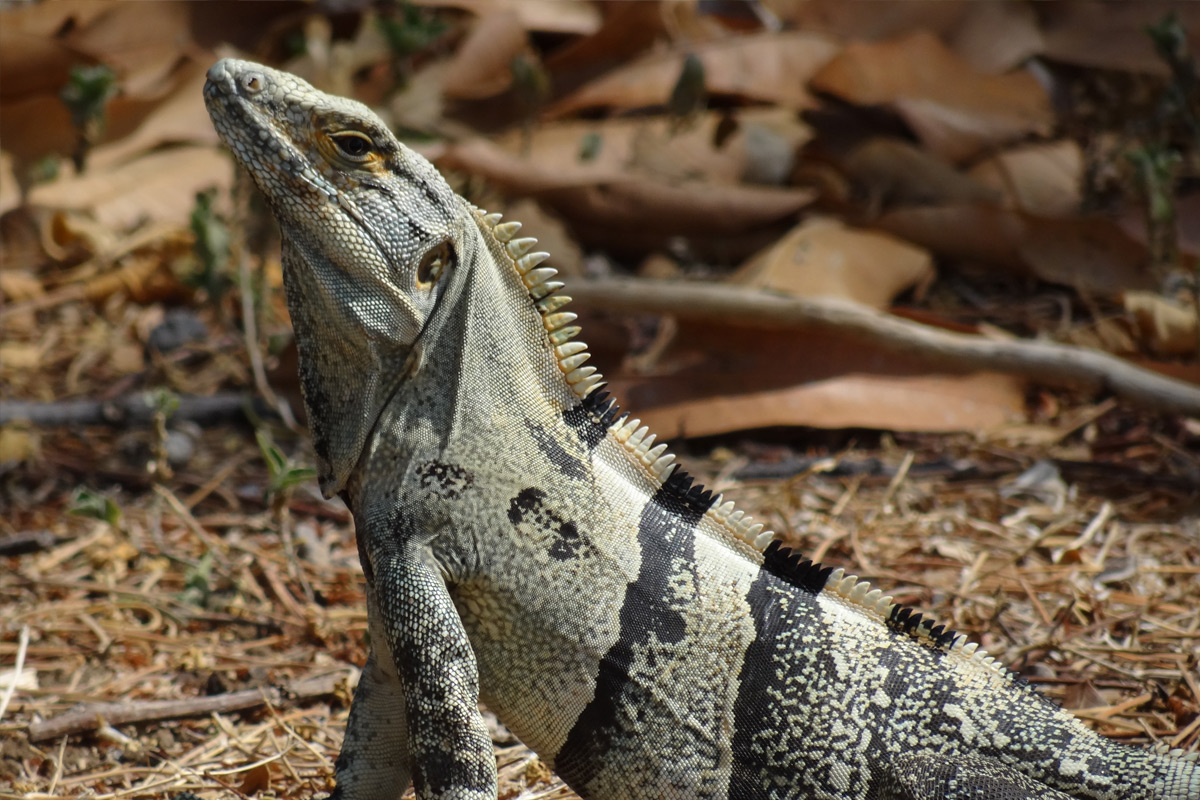
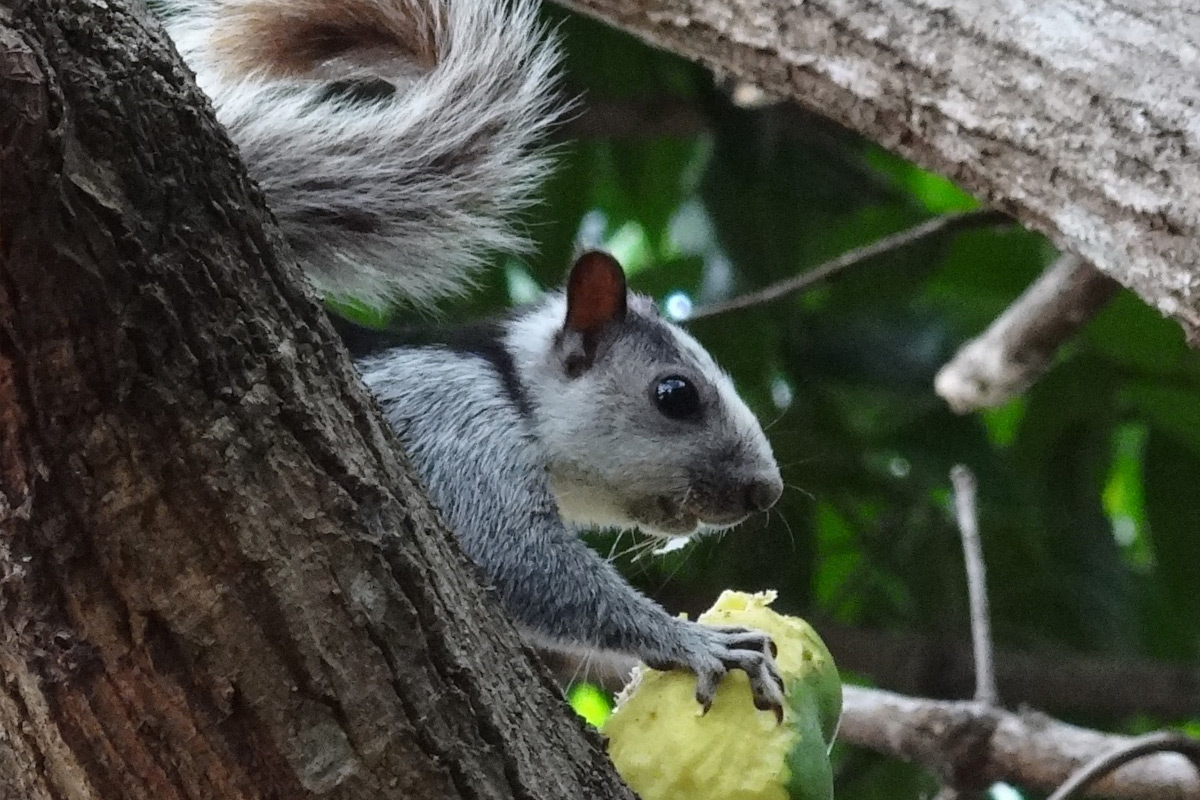
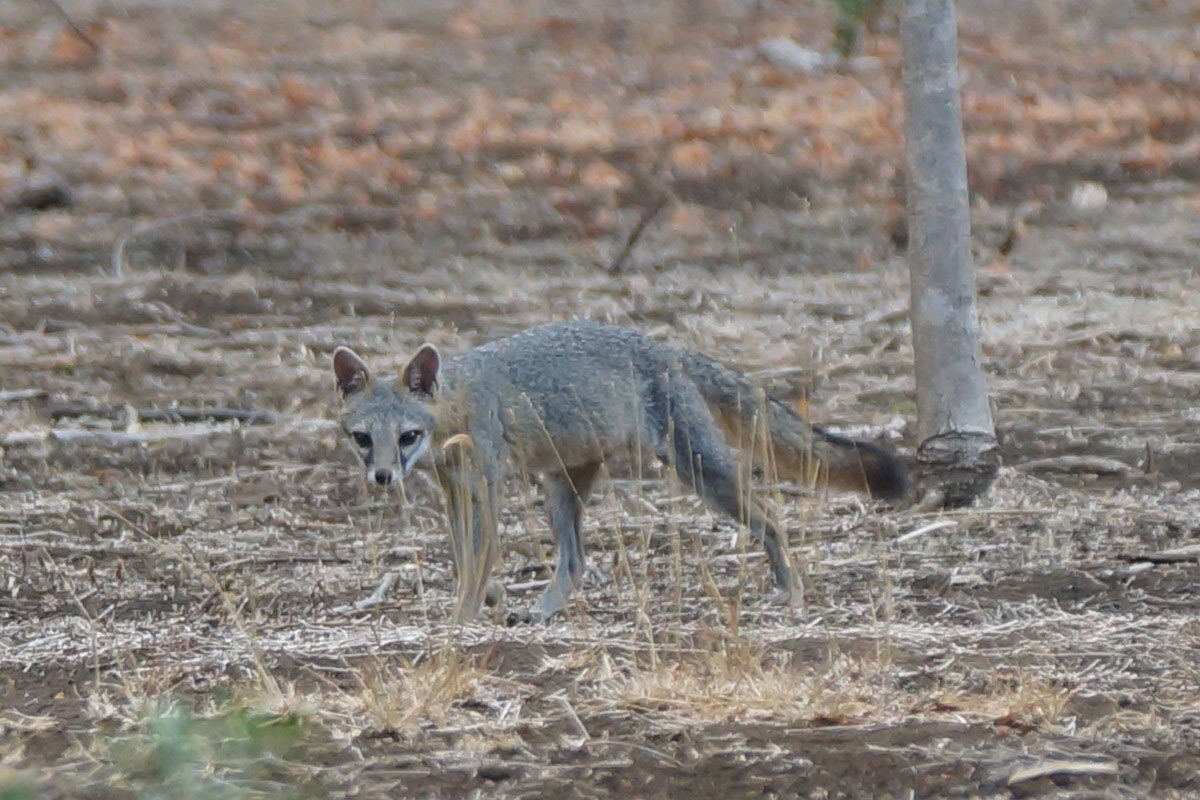
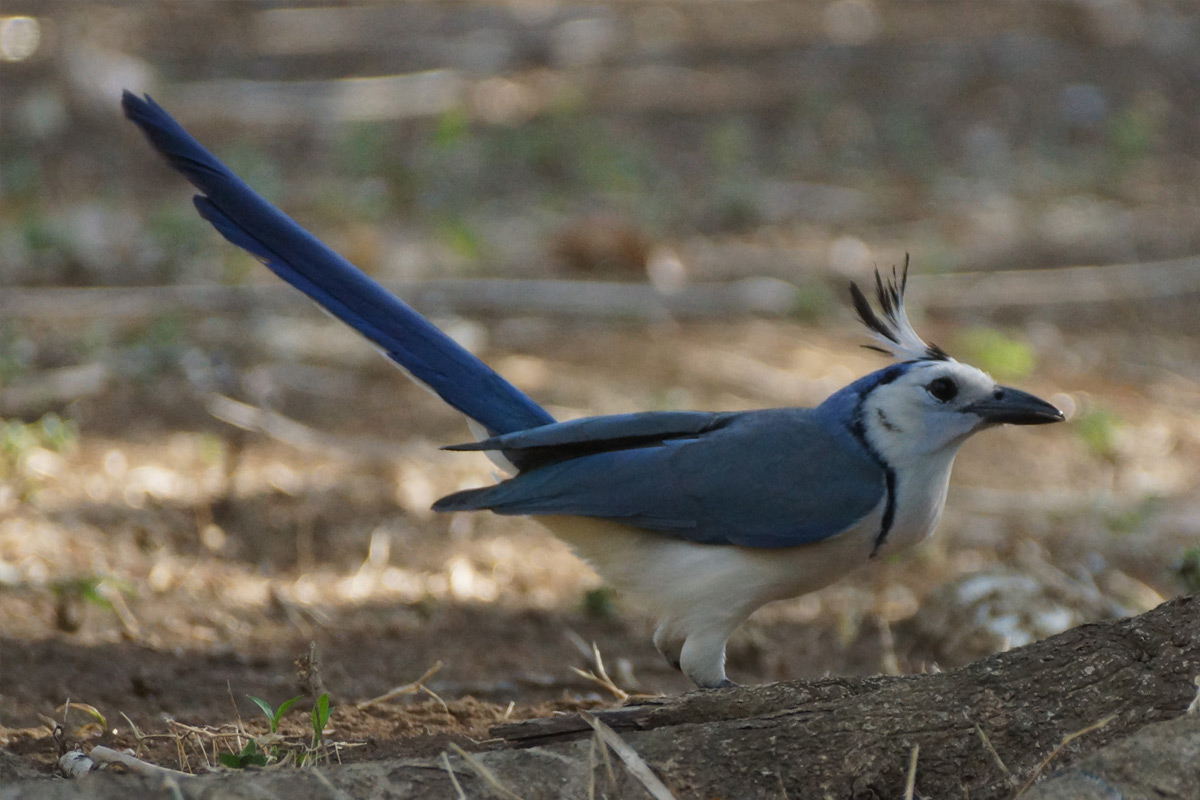
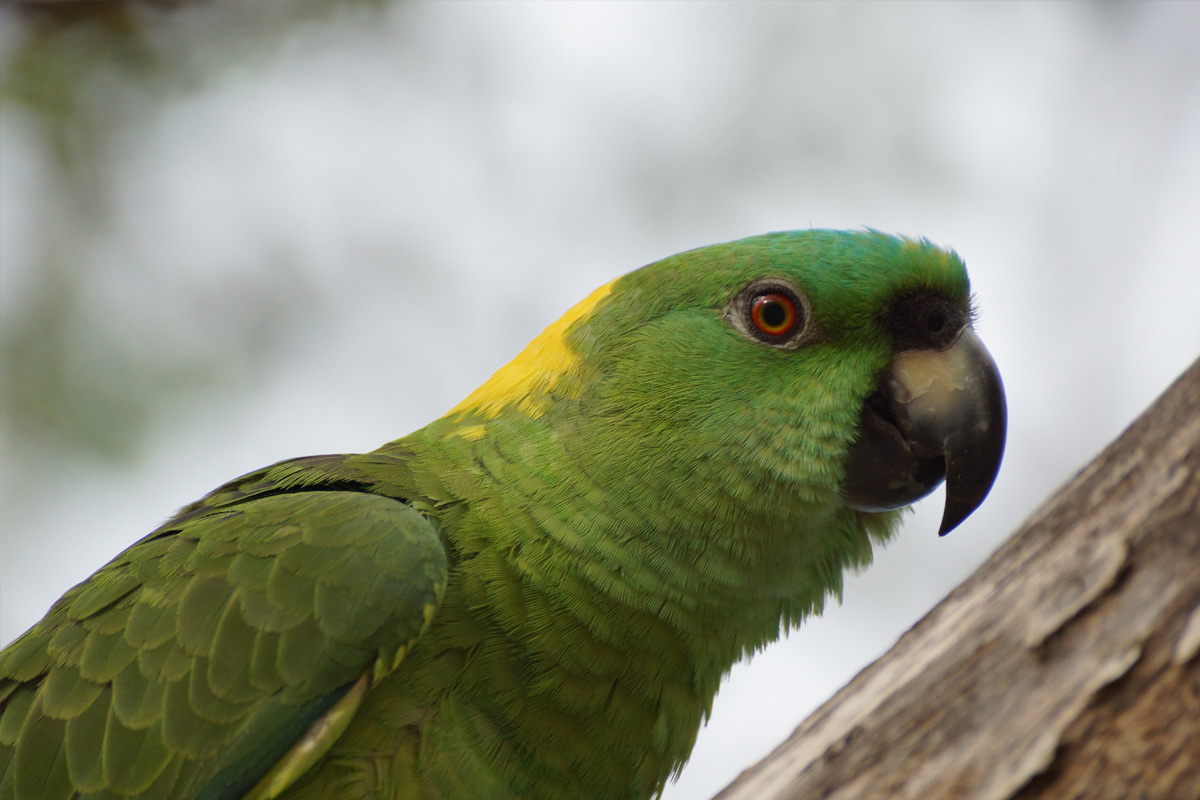
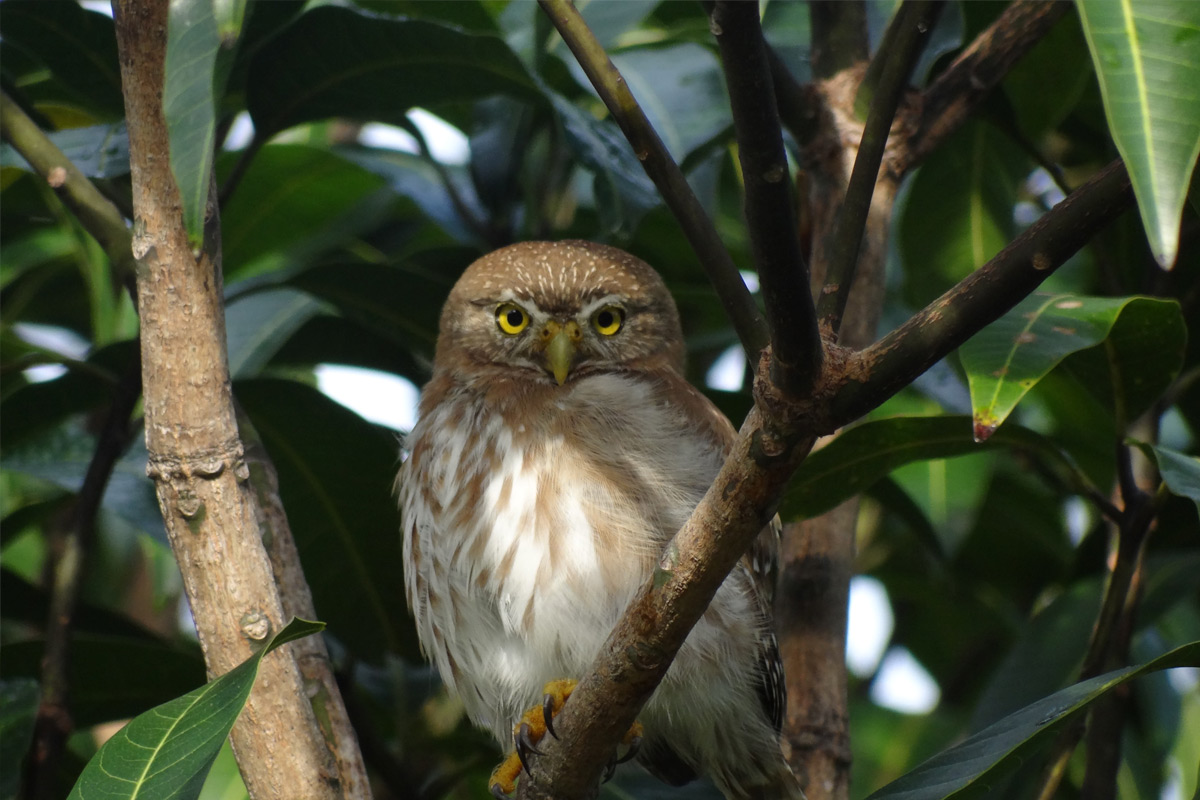
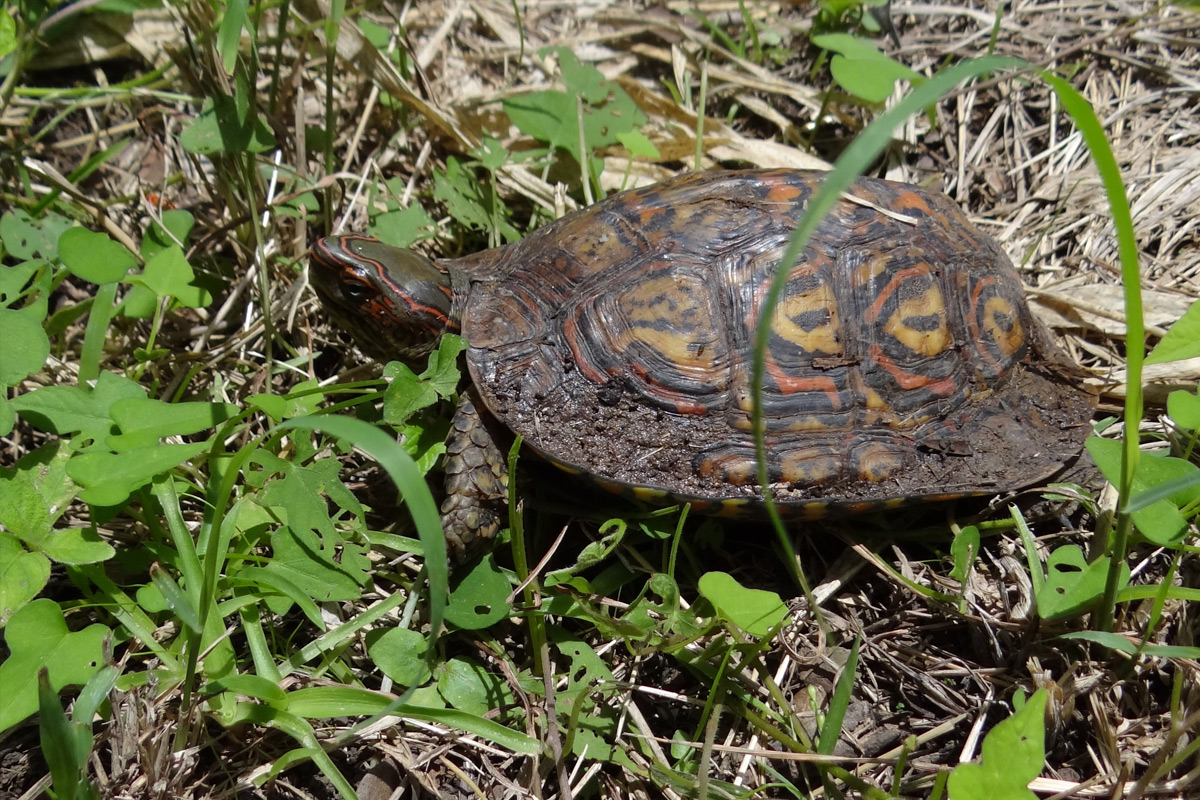
Various vertebrates in San Lorenzo
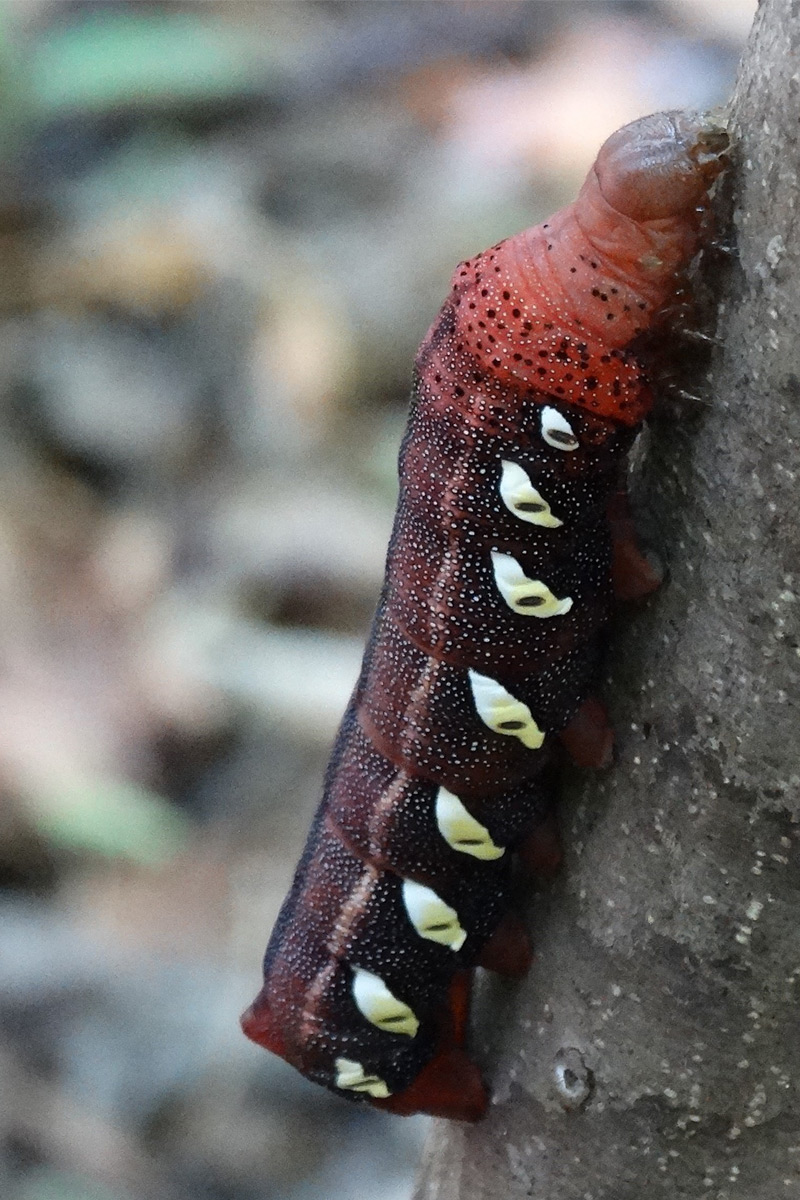
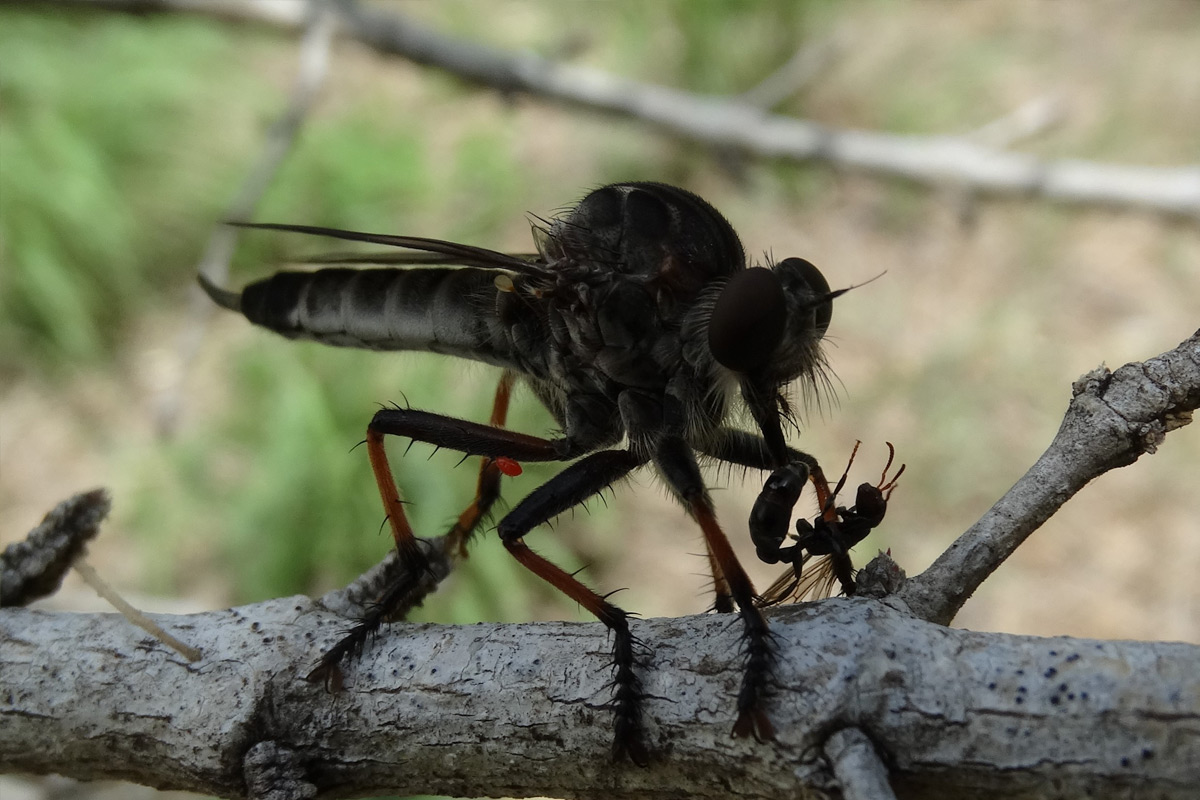
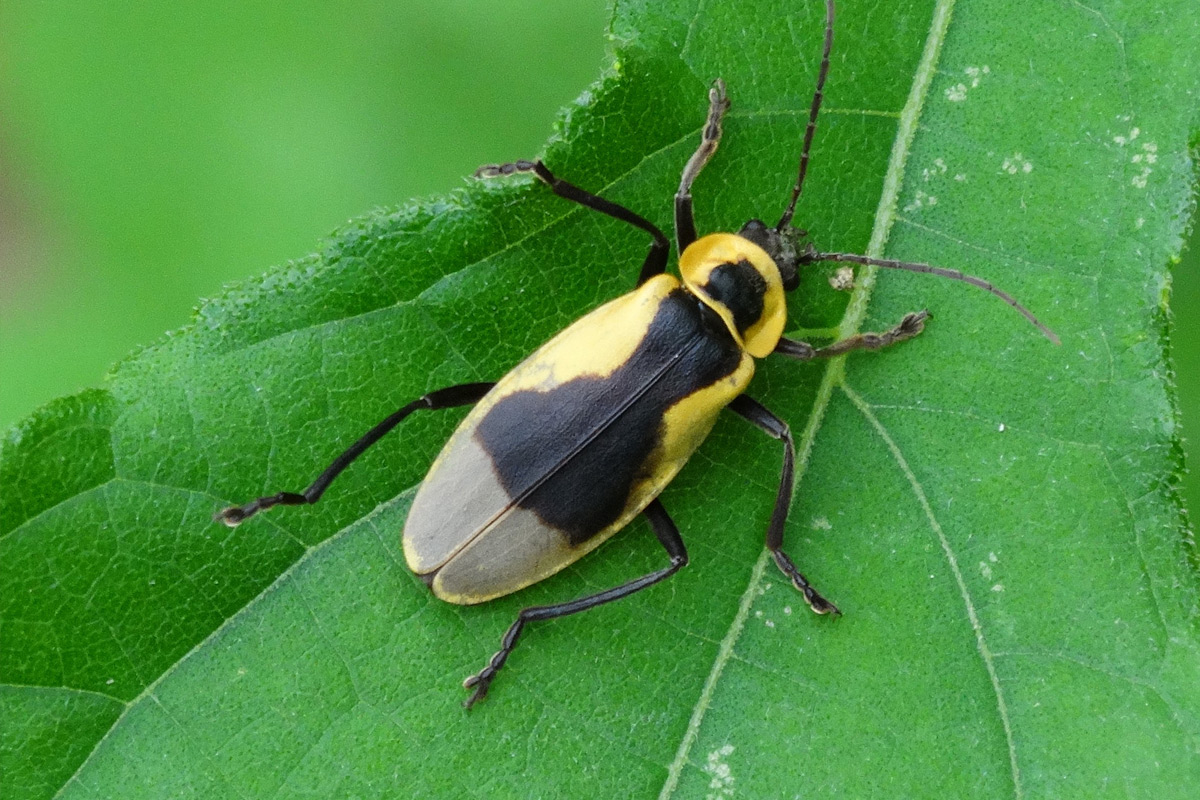
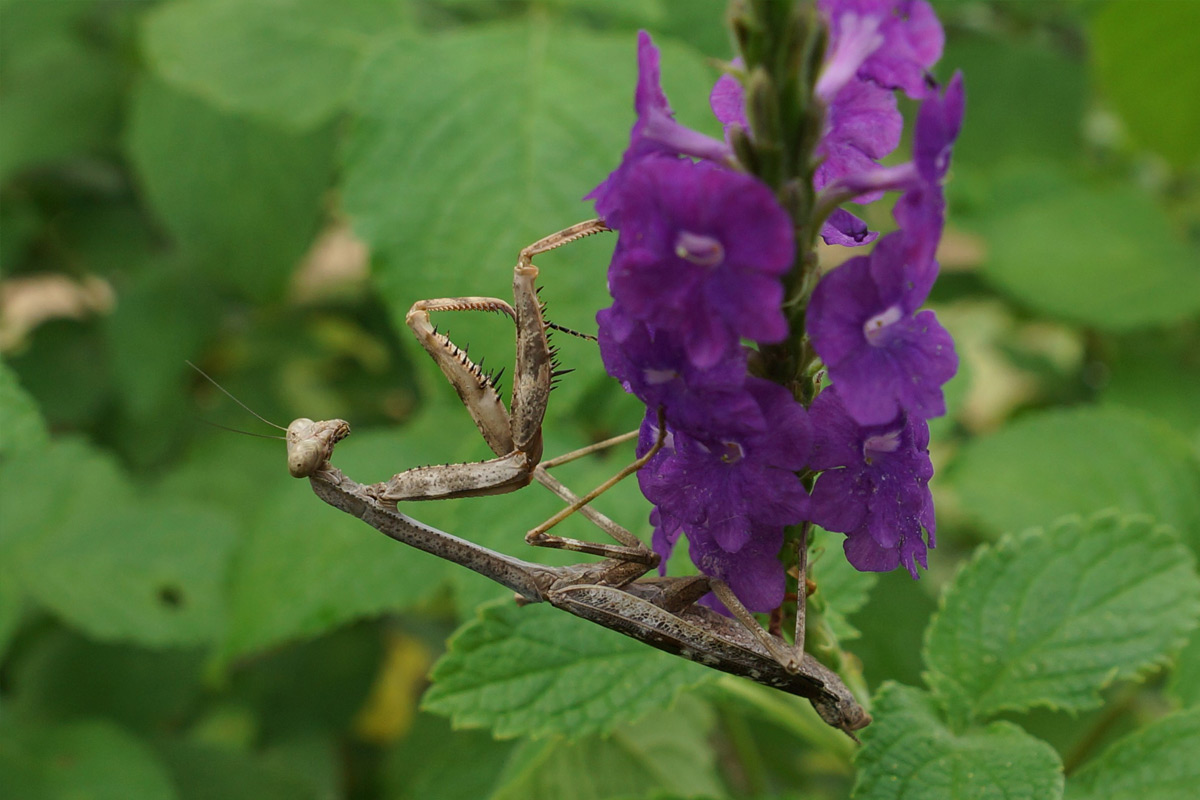
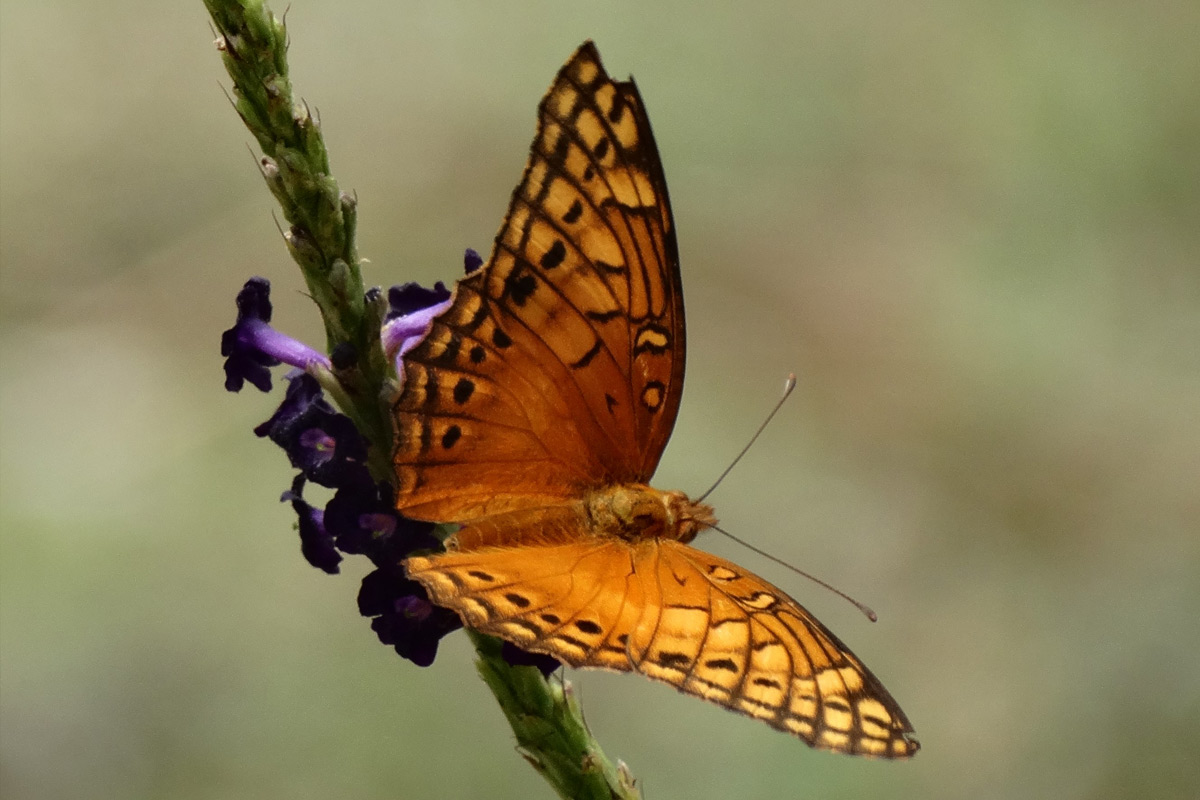
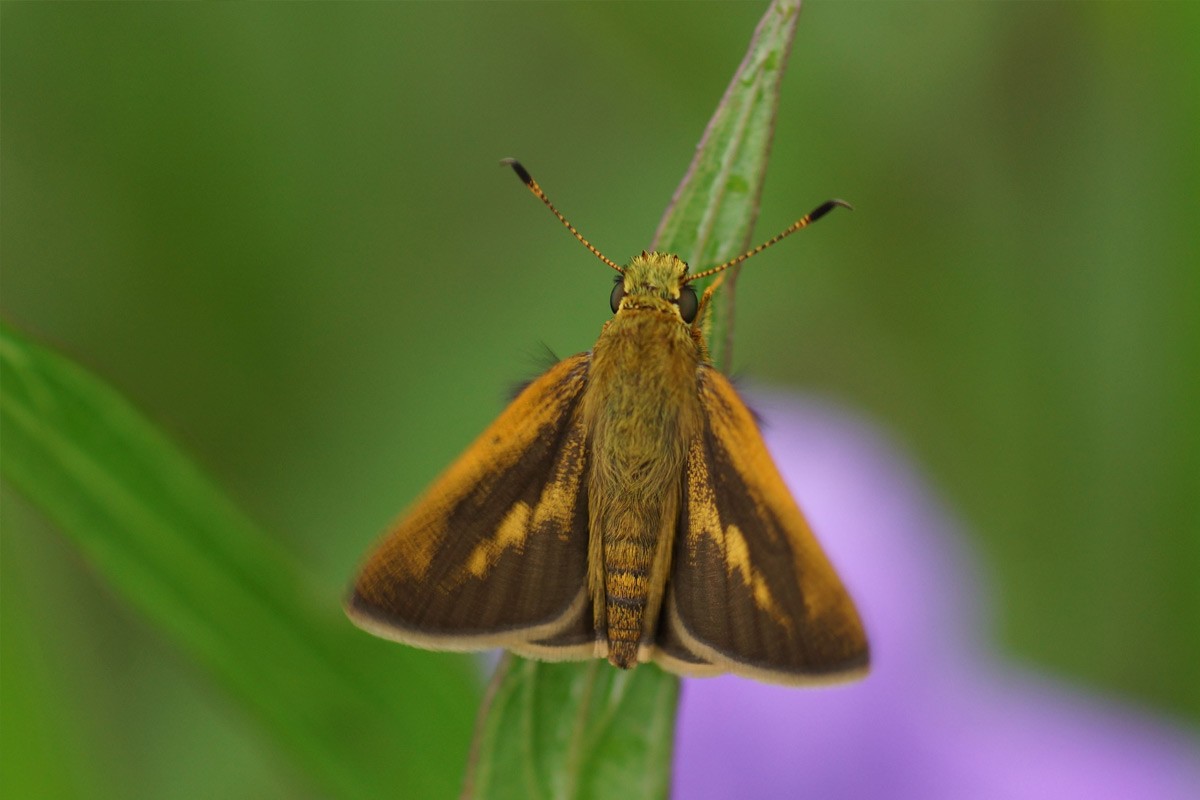
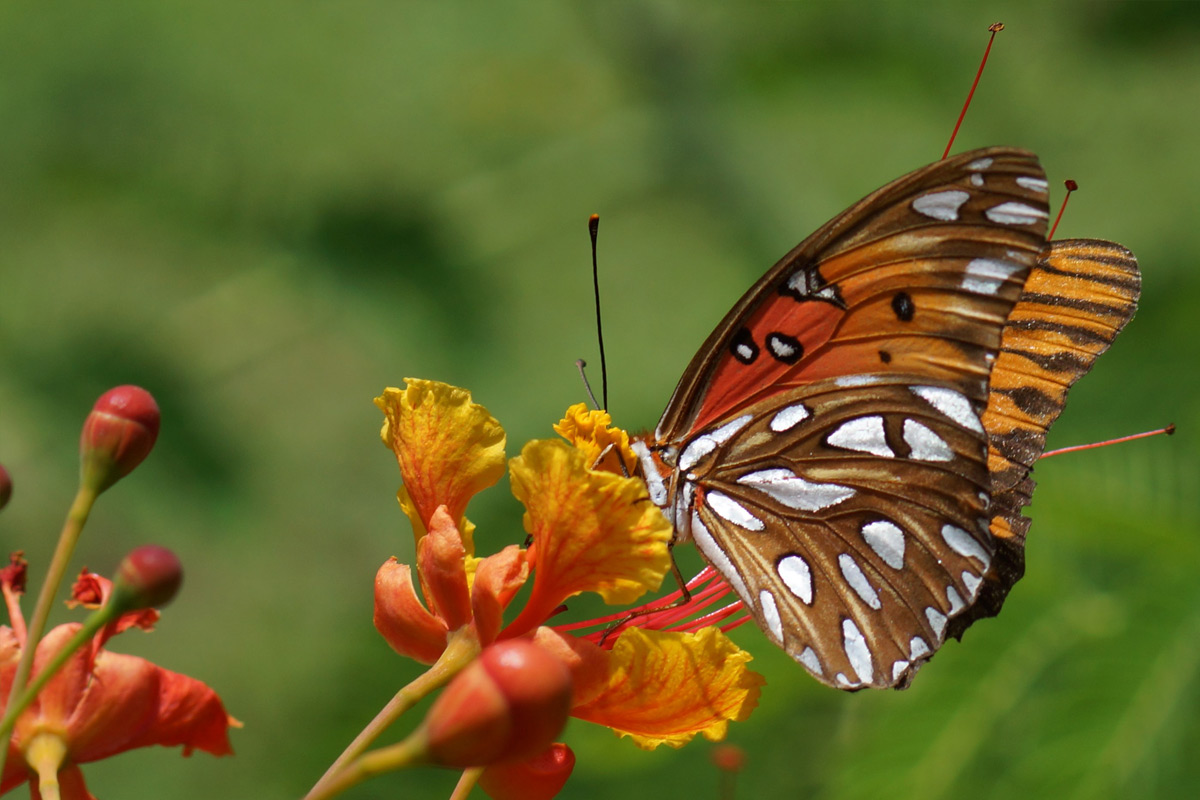
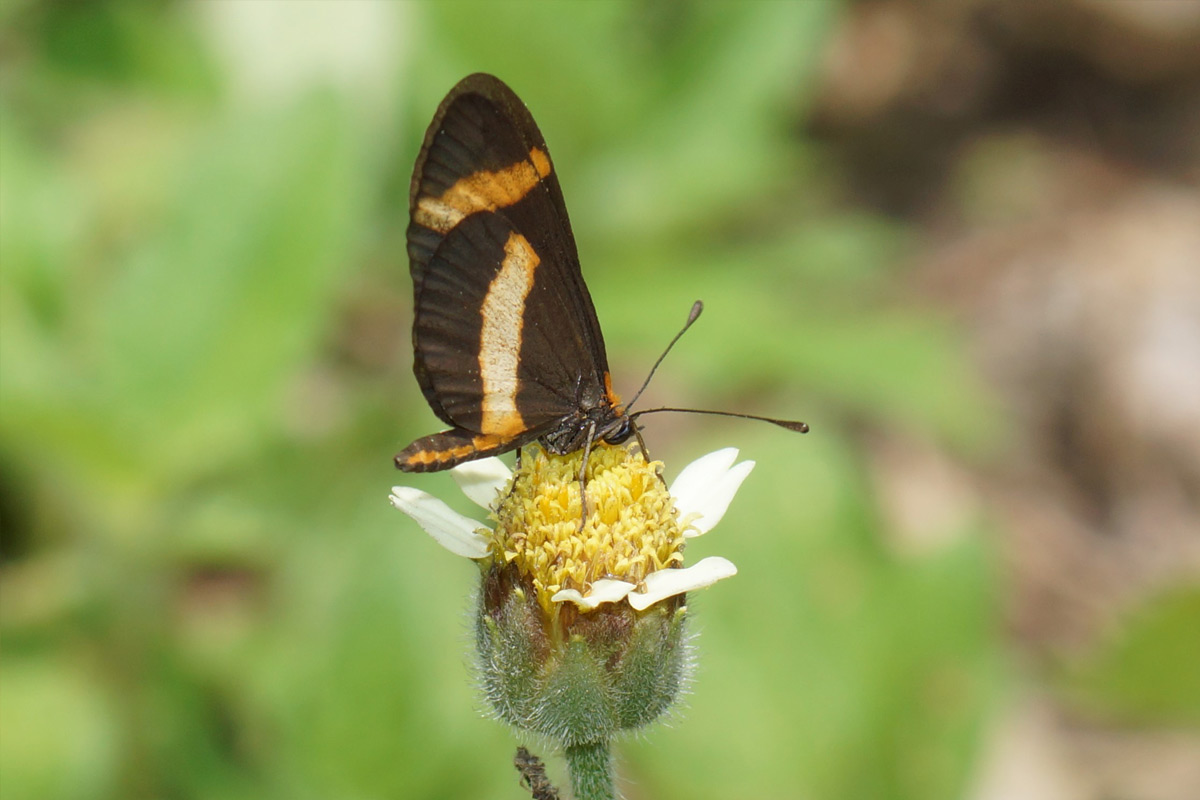
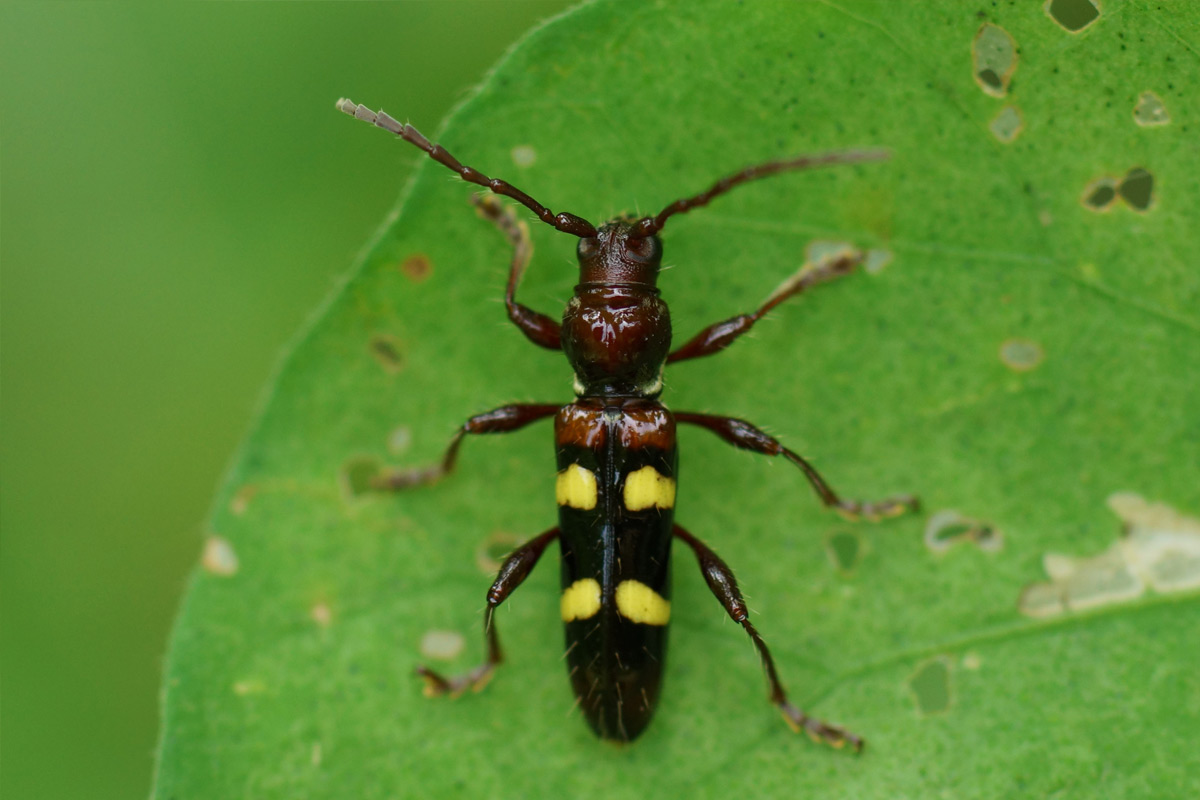
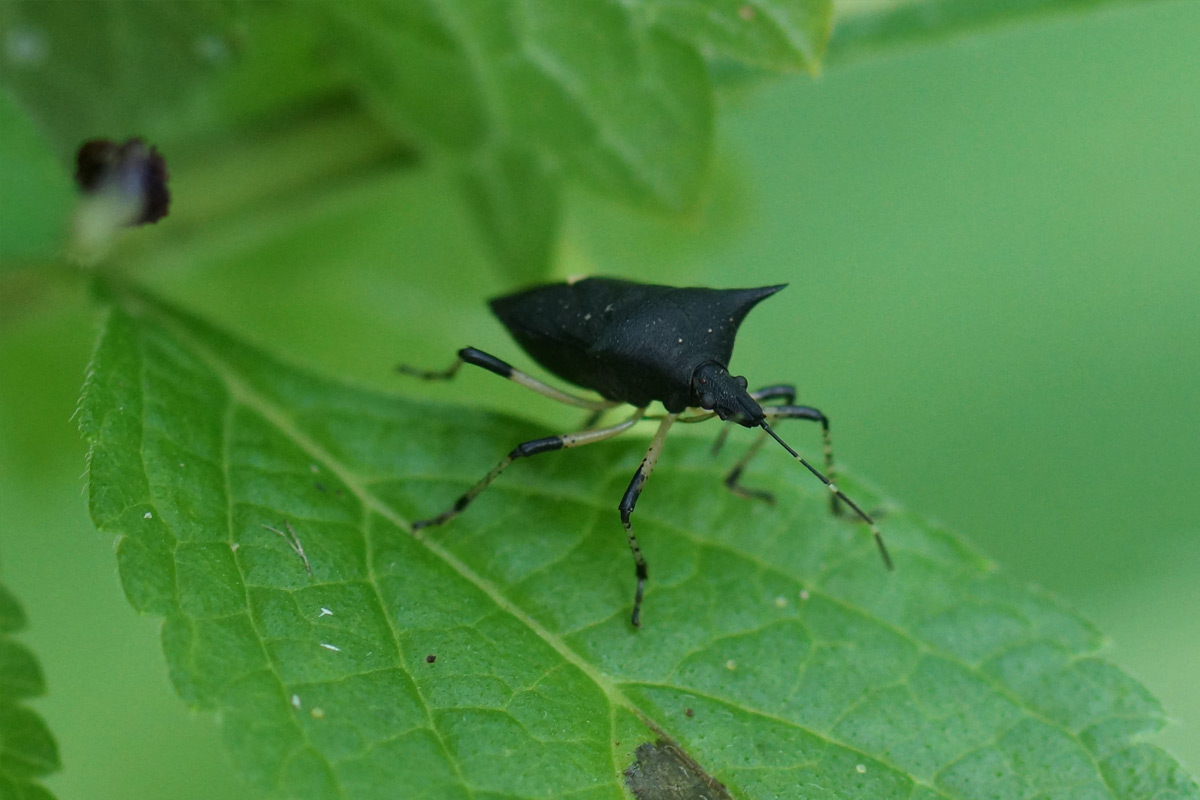
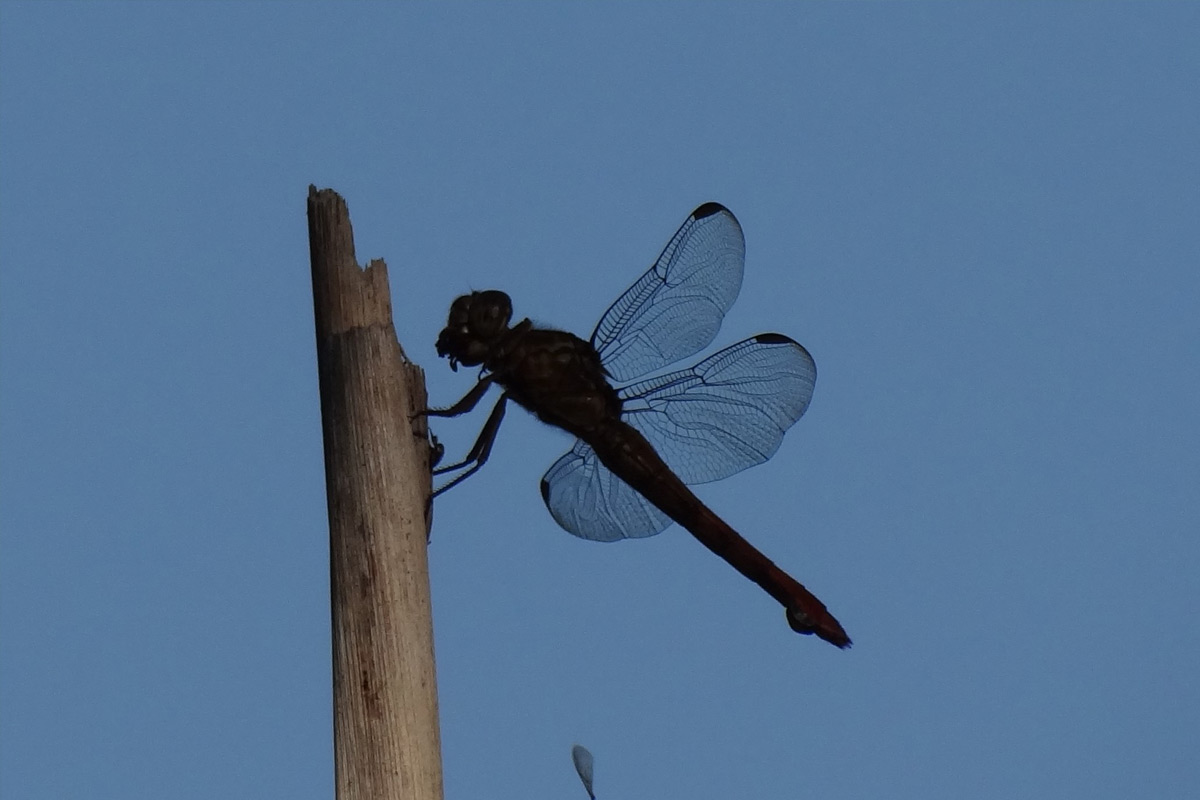
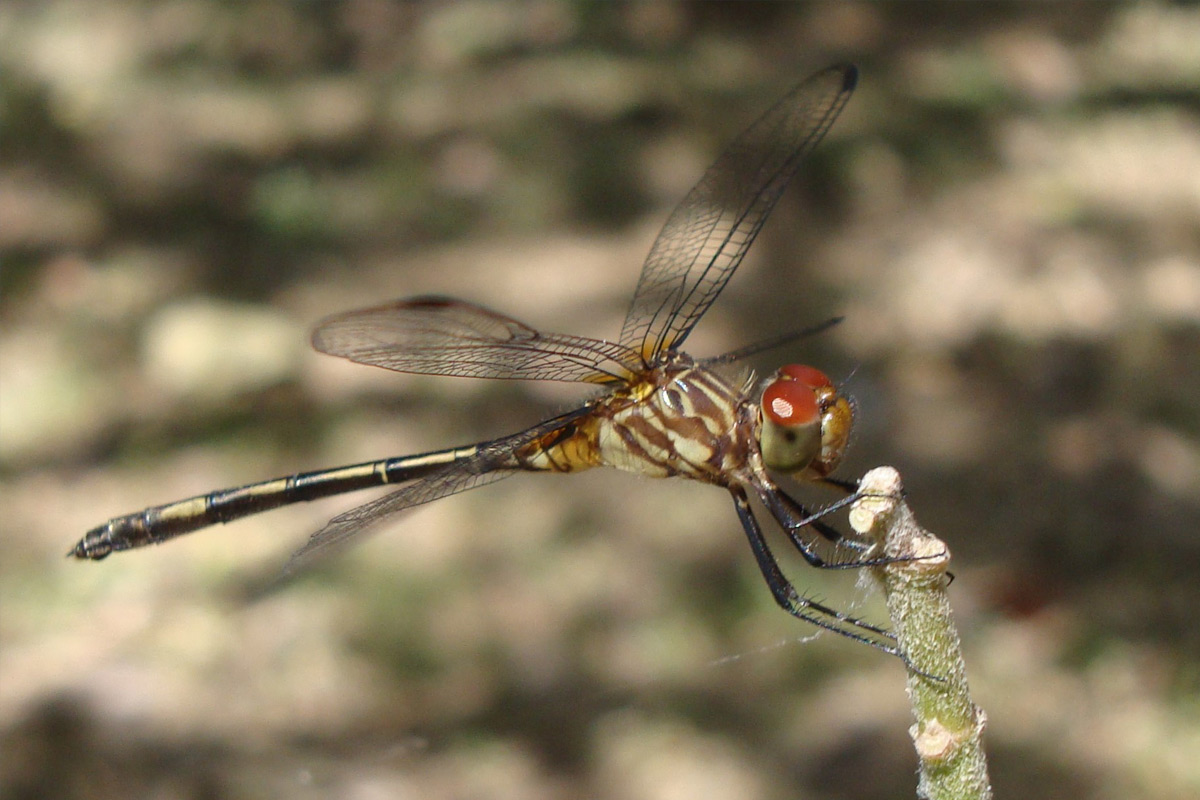
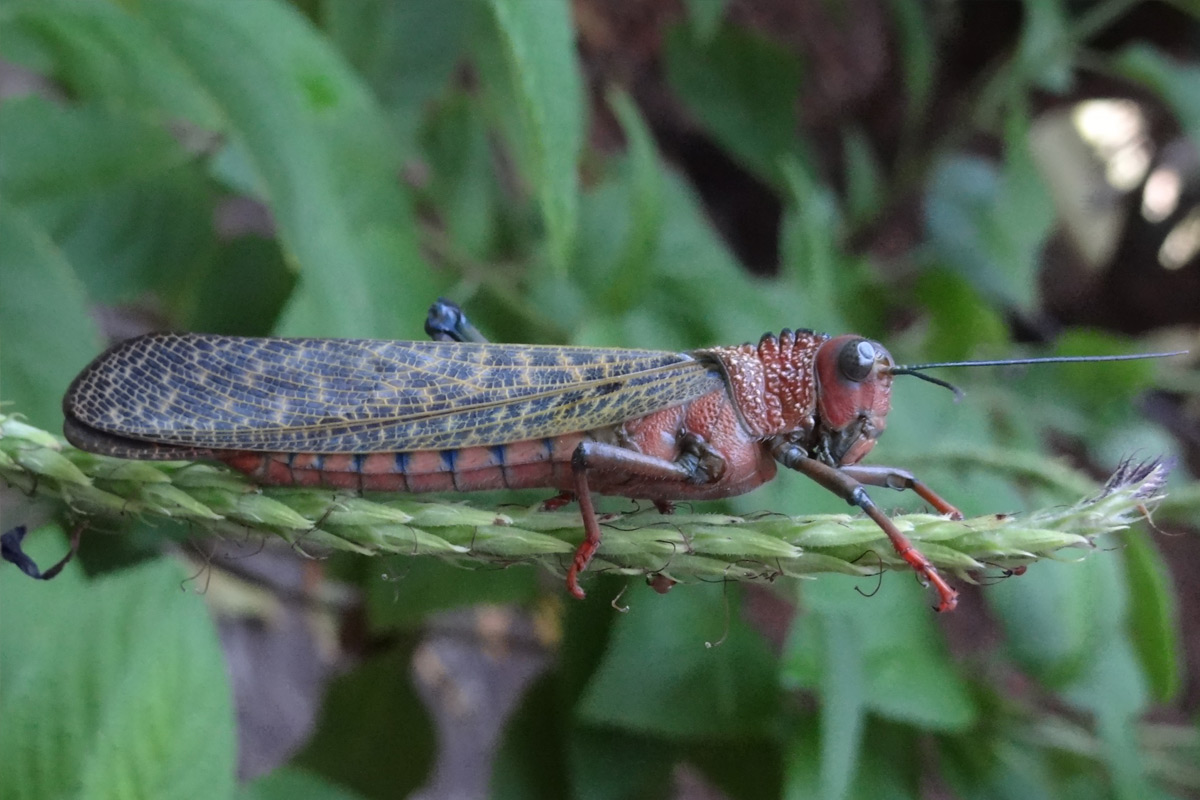
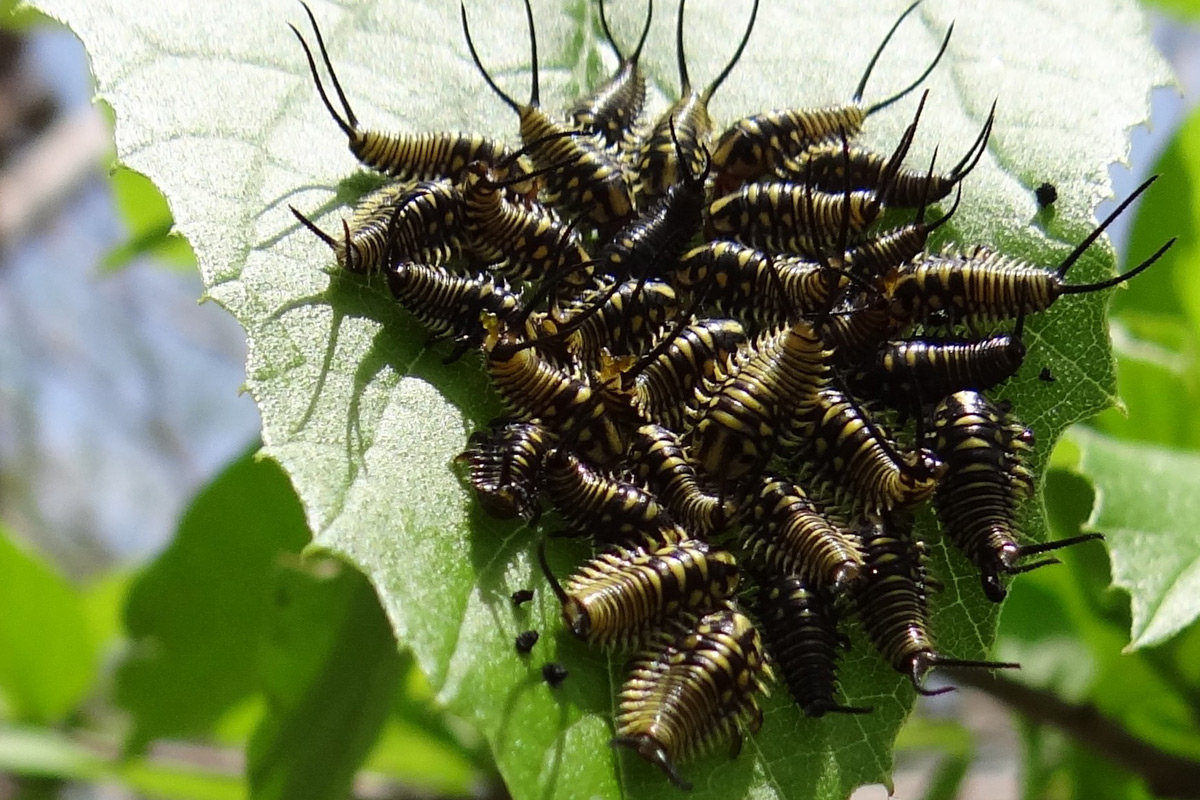
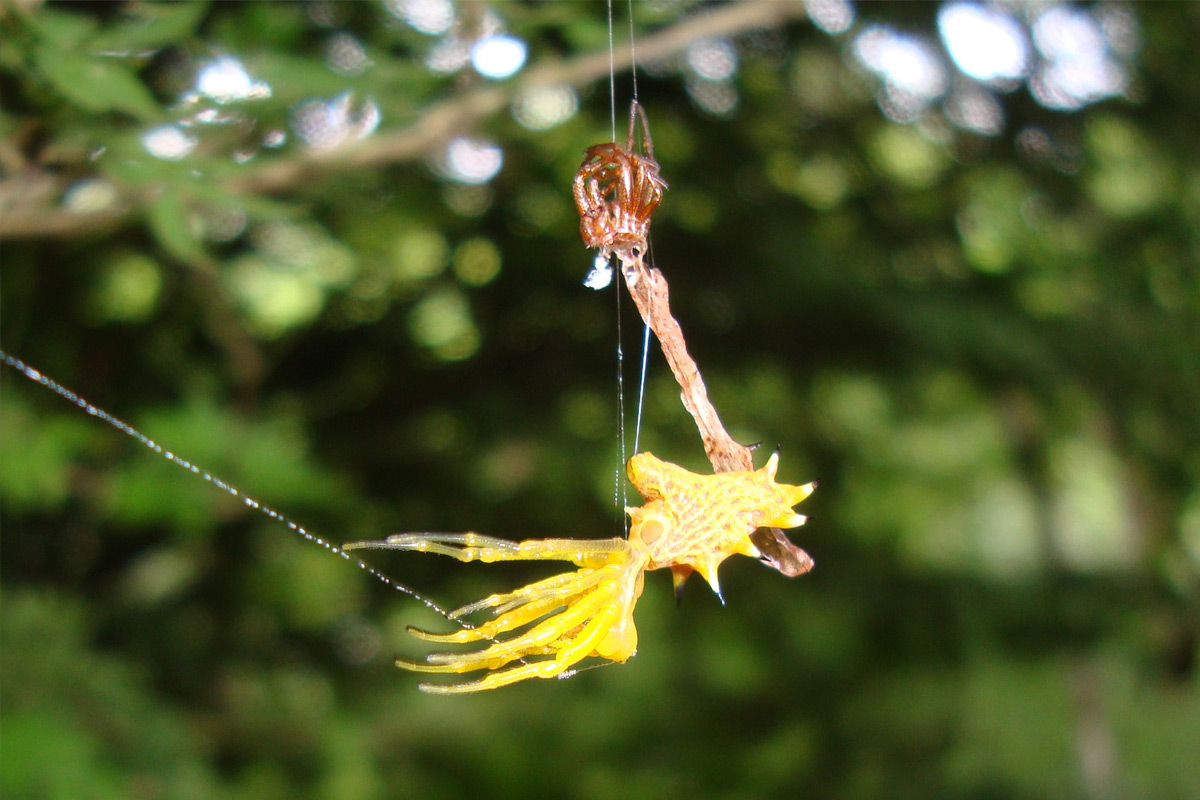
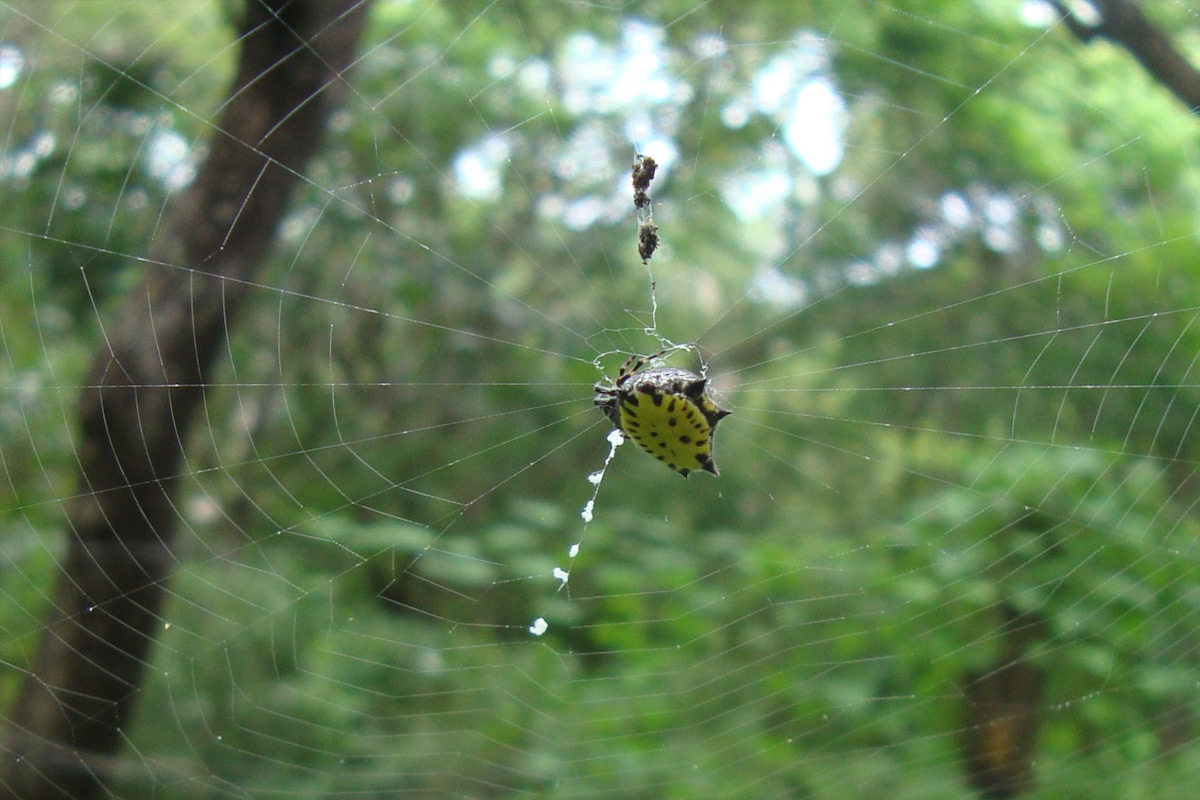
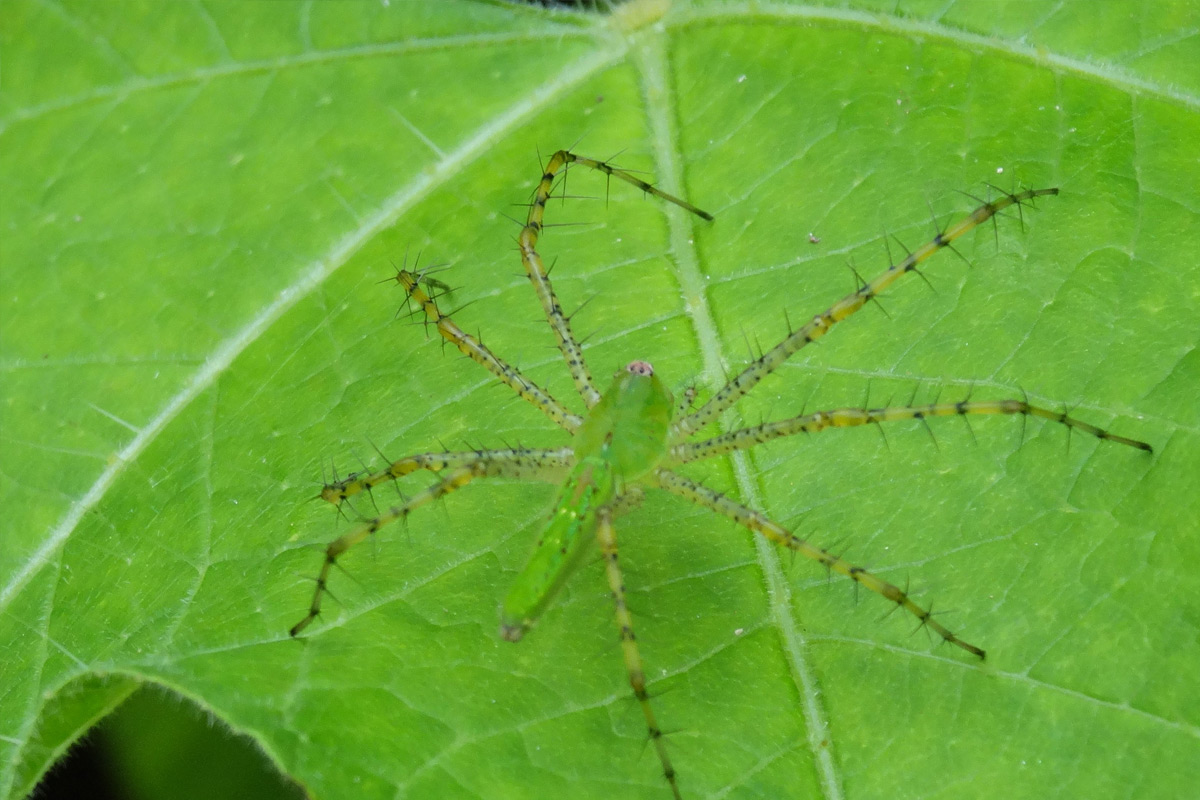
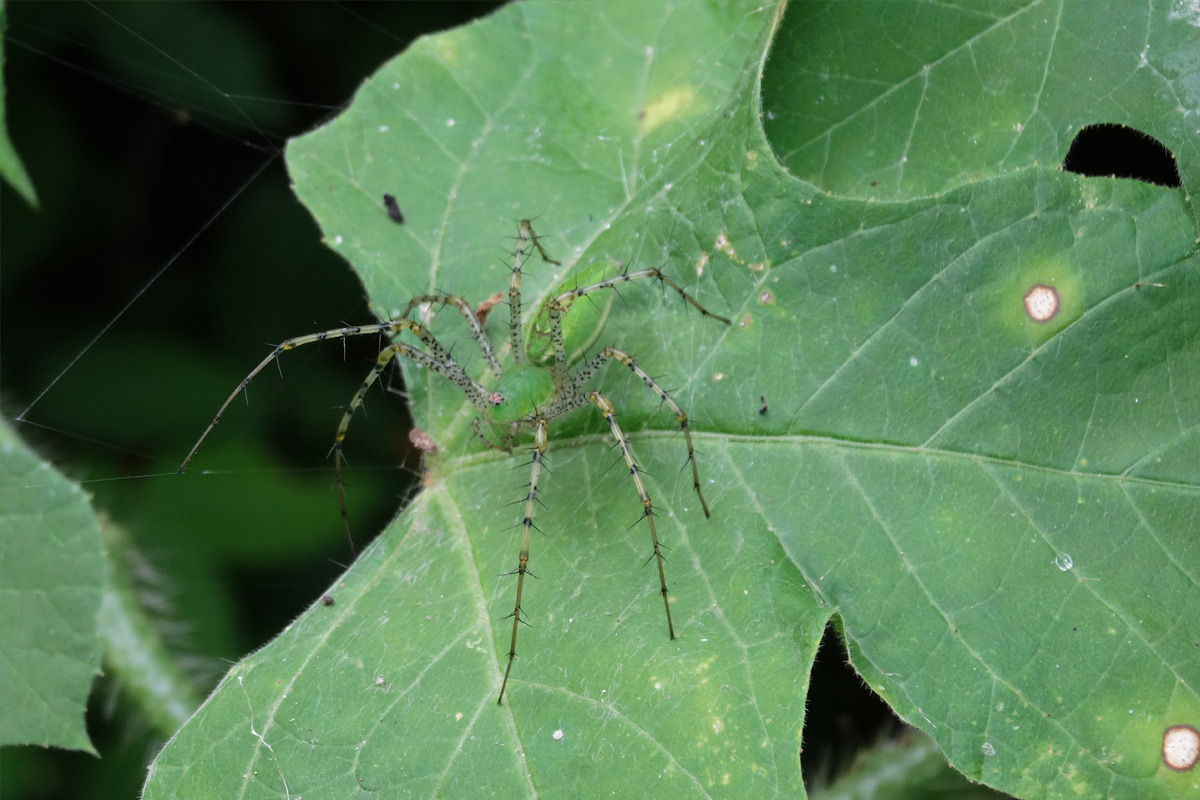
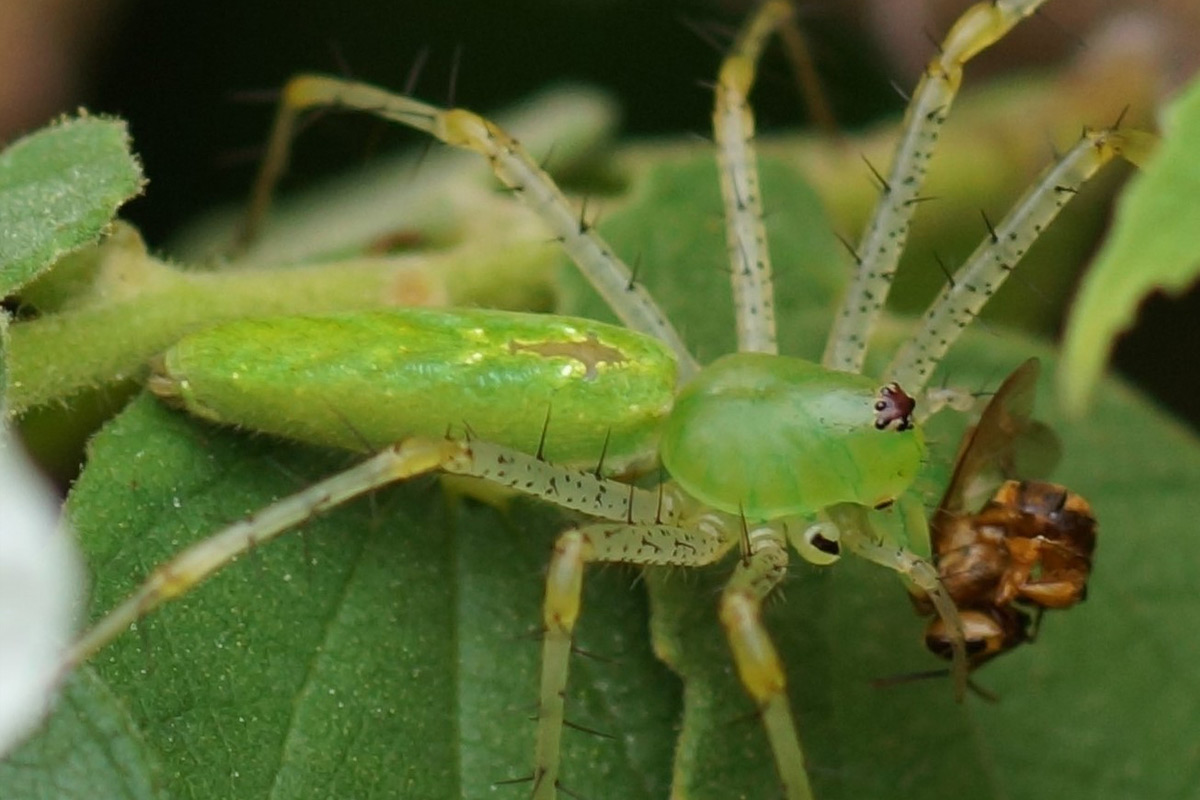
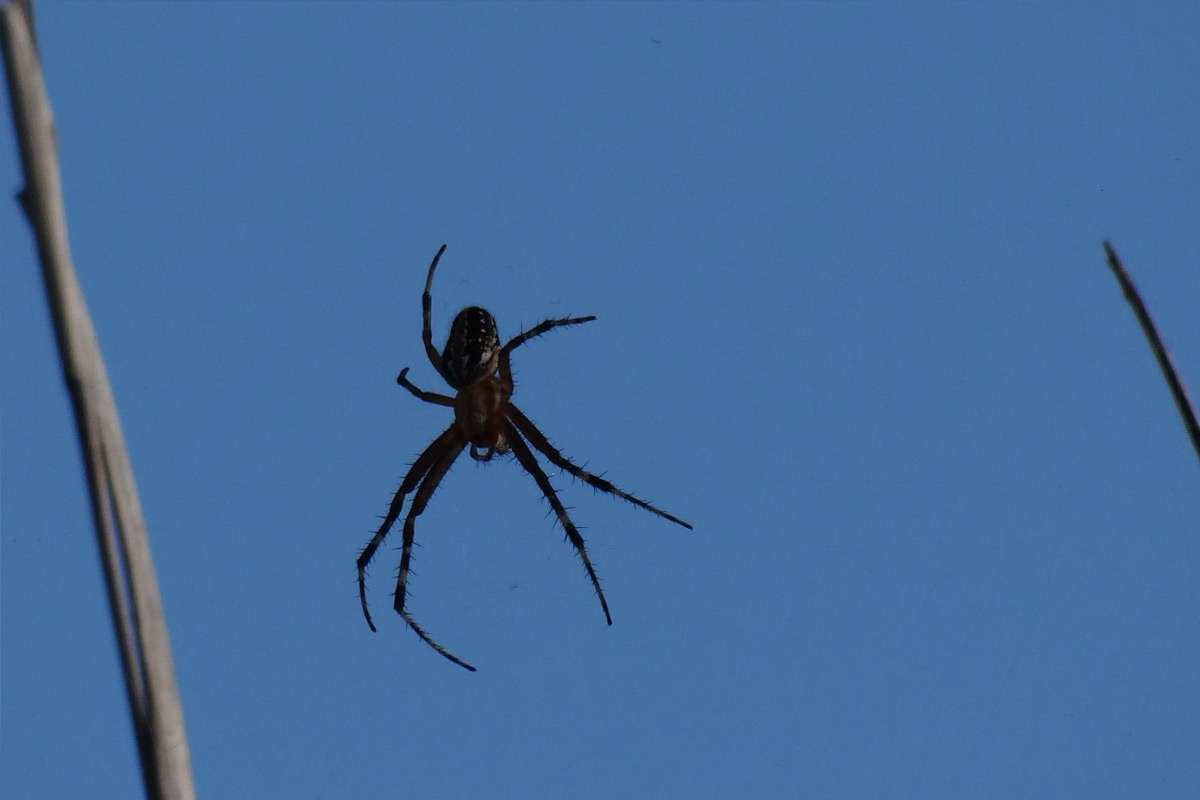
Various invertebrates in San Lorenzo.
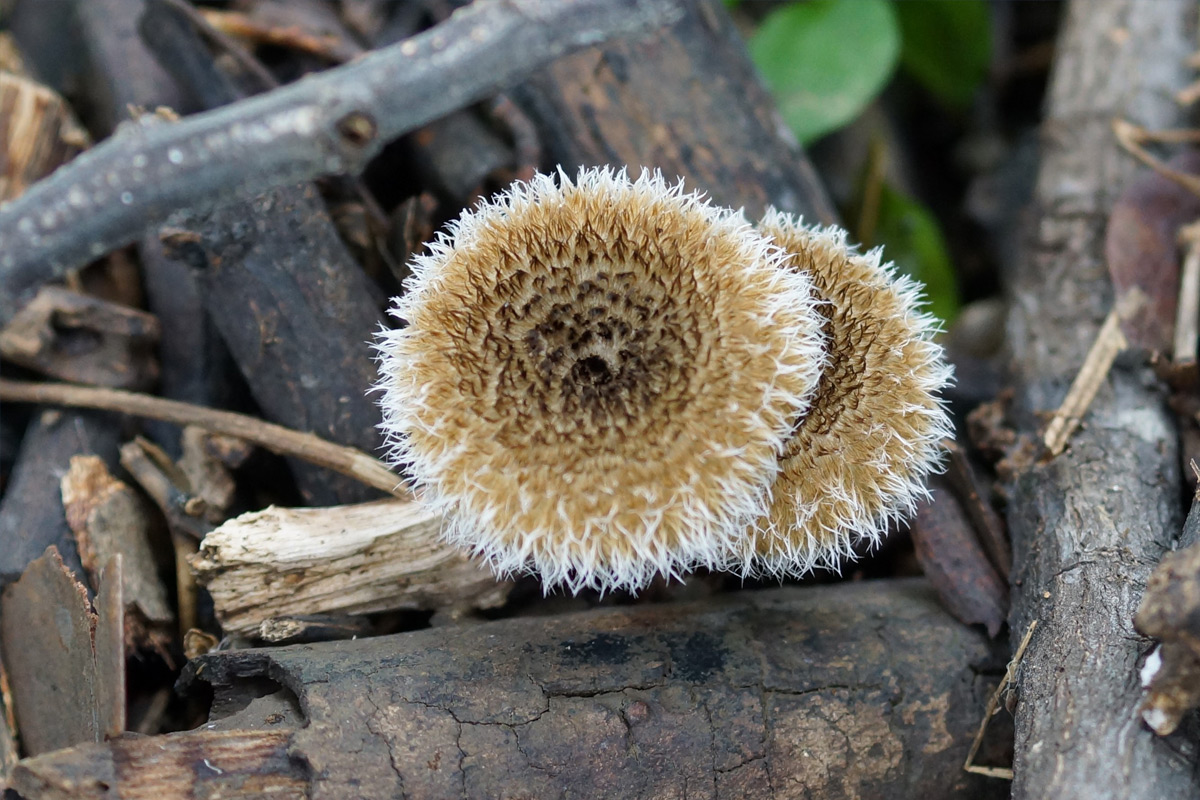
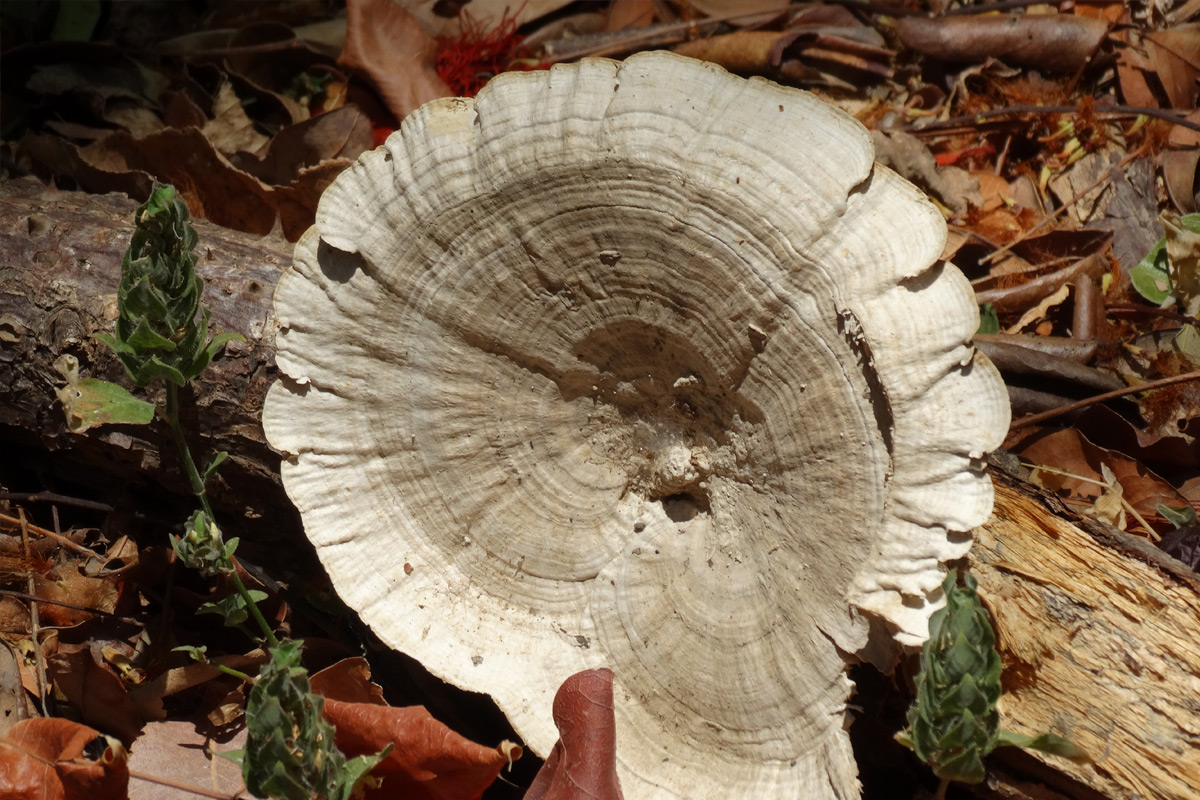
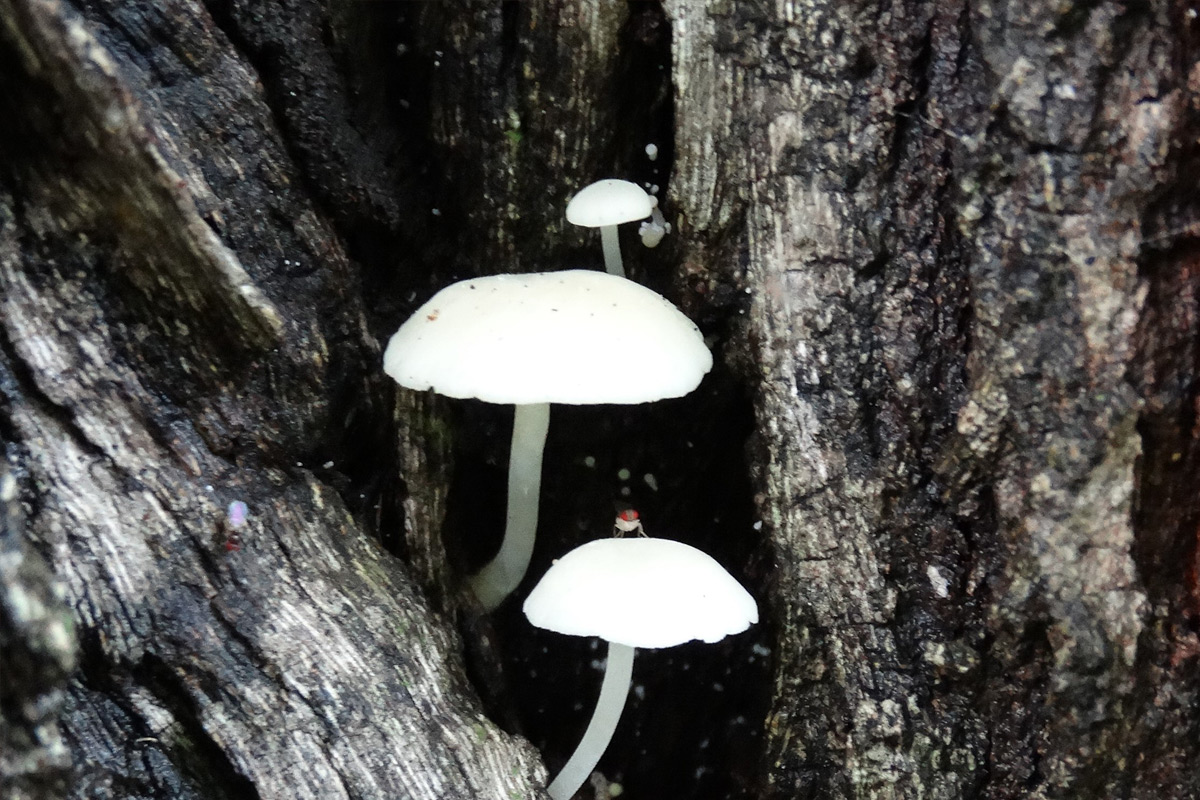
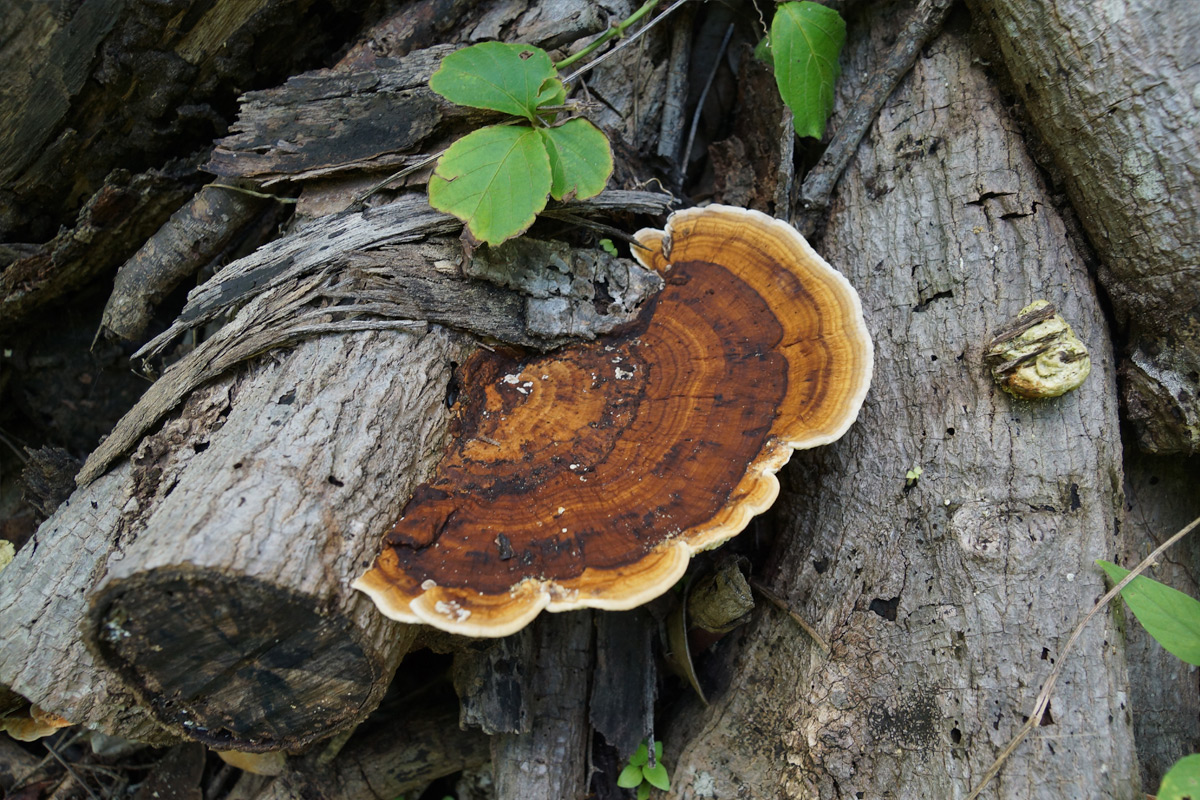
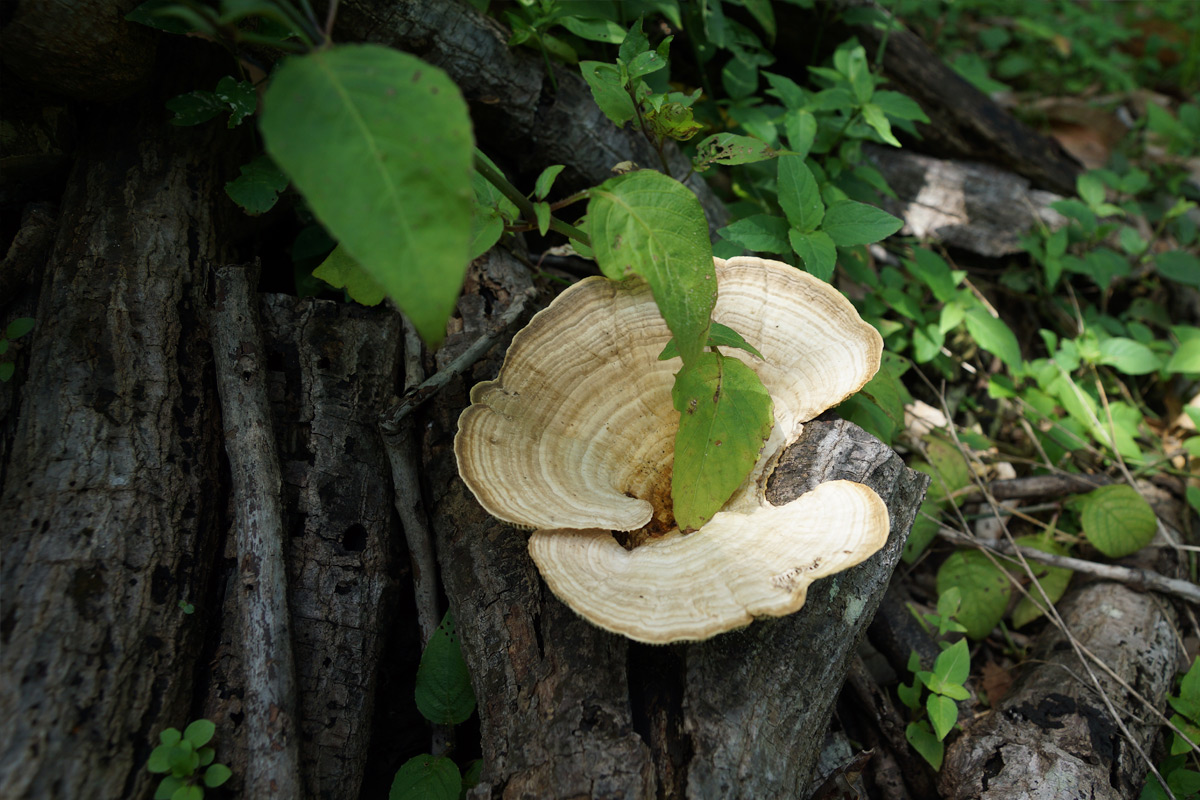
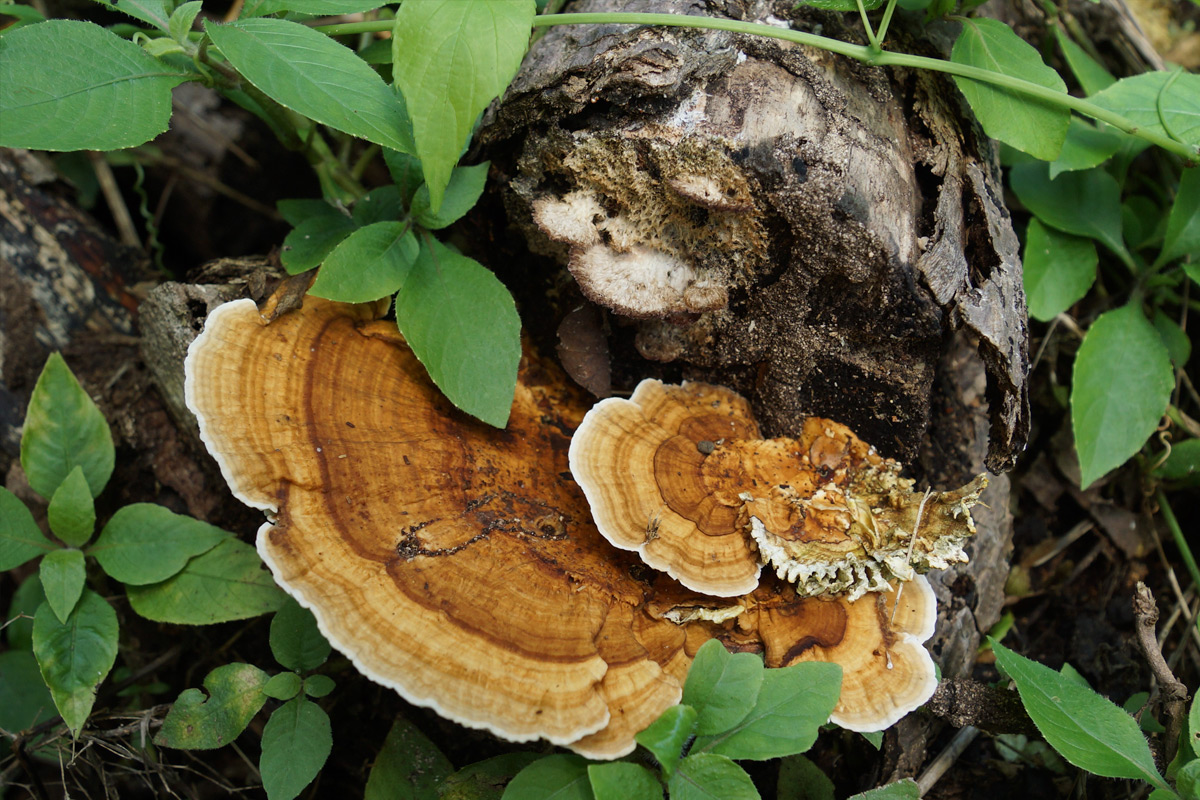
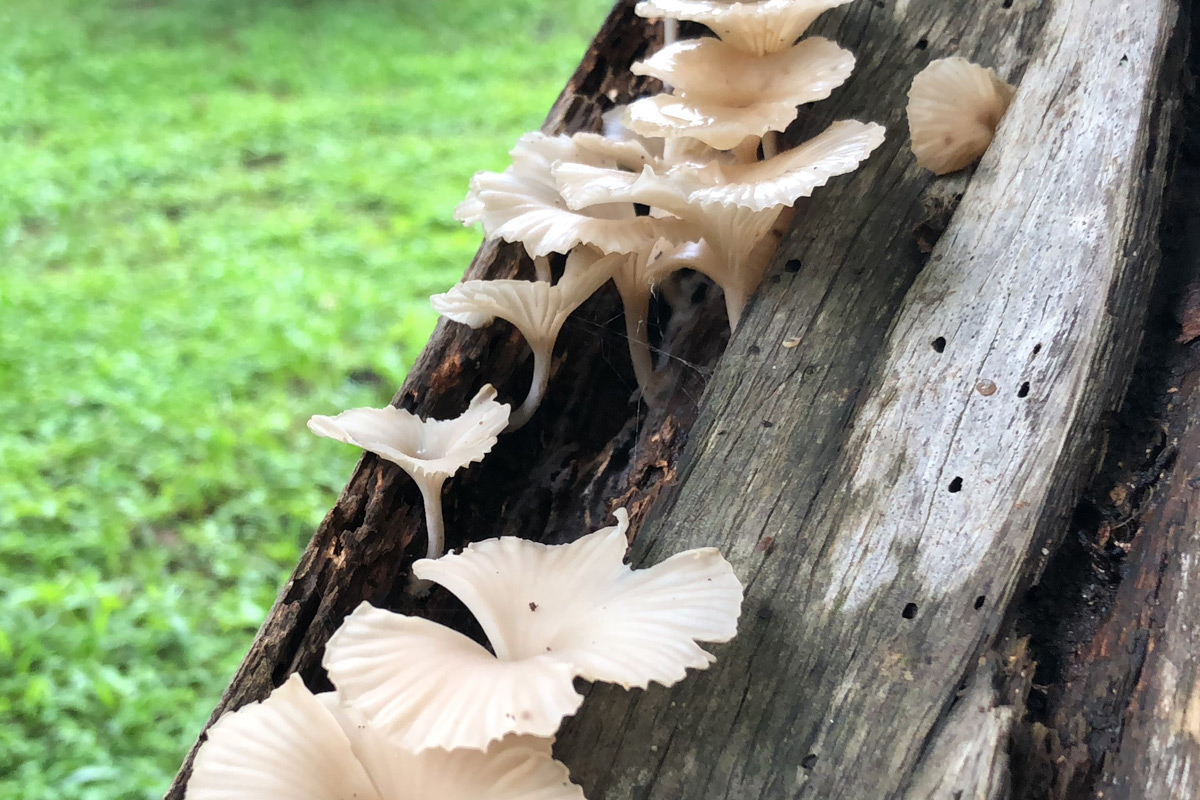
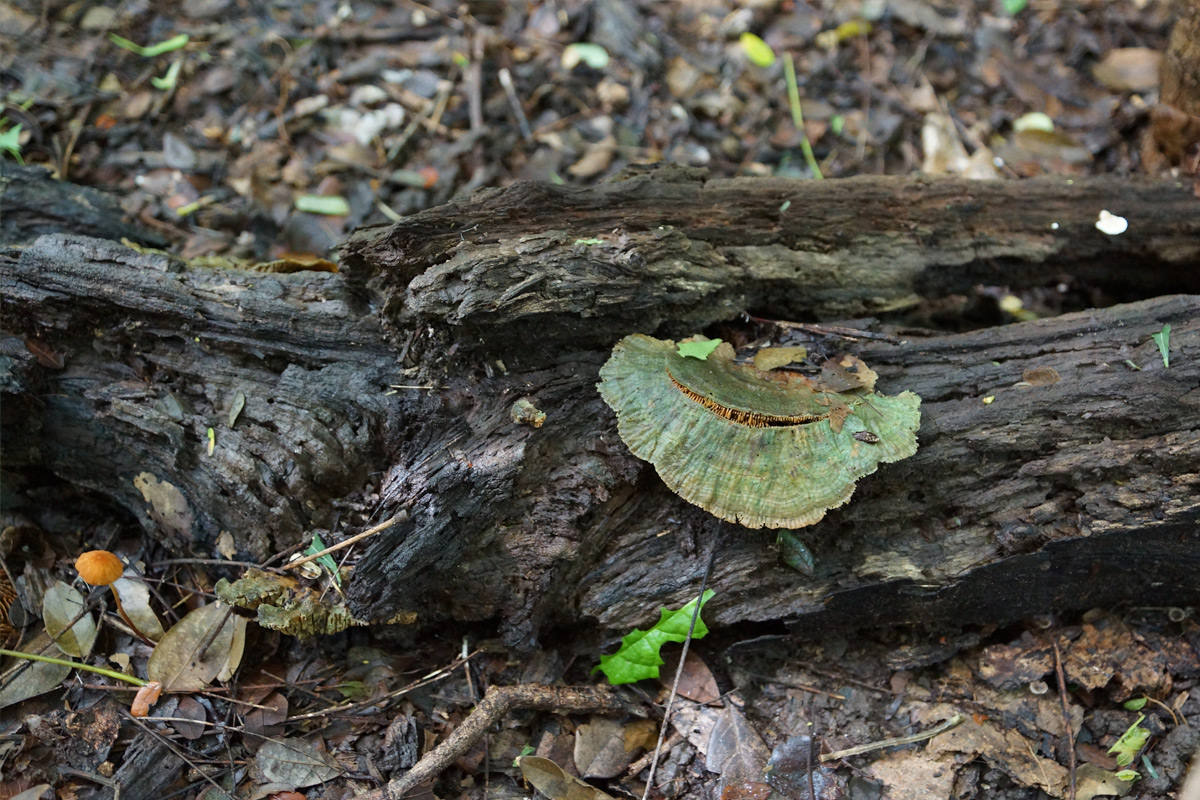
Presence of Fungi in San Lorenzo During the Rainy Season.
Camera trap images:
In August 2024, work began on installing a camera trap near the watering holes. Below are some of the images captured.