The benefits of planting it

The experience at San Lorenzo has also shown that it is not necessary to wait hundreds of years to begin enjoying the benefits of planting Guaiacum sanctum (genuine lignum vitae) saplings.
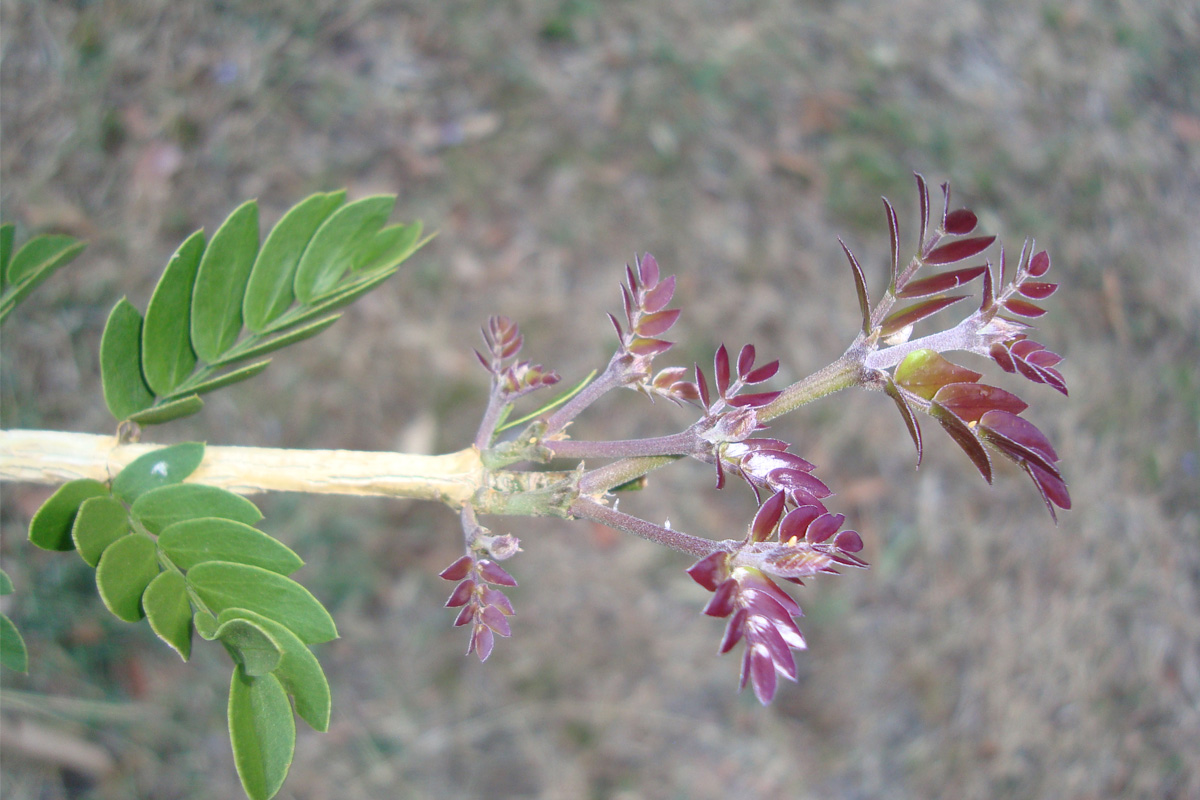
Guaiacum sanctum (genuine lignum vitae) has proven to be a remarkably beautiful plant from a very young age, making it highly valuable for ornamental purposes. The saplings develop a wide variety of forms, and it is truly delightful to observe how each one grows and evolves, distinguishing itself from the others.
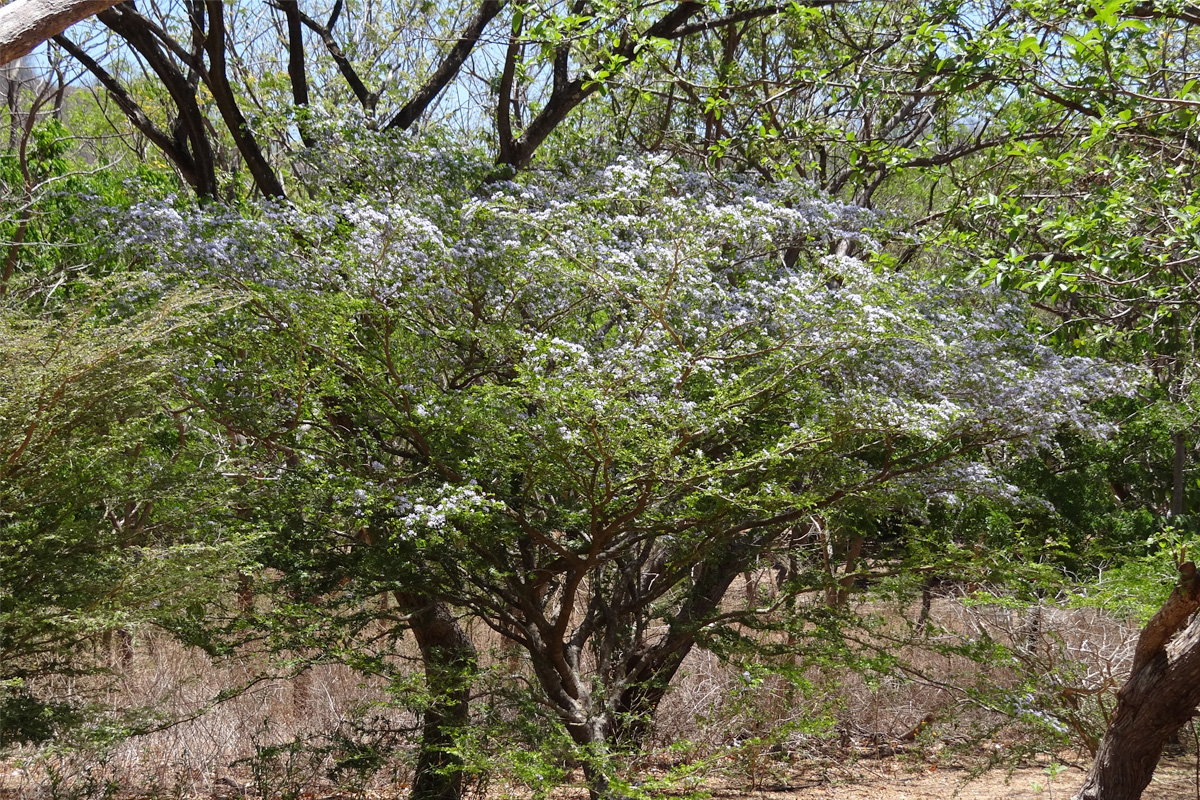
During the dry season, when trees of many other species in the Tropical Dry Forest shed their leaves and the landscape takes on a parched appearance, the lush greenery of Guaiacum sanctum (genuine lignum vitae) foliage becomes a striking visual asset—a beautiful contrast amid the arid surroundings.
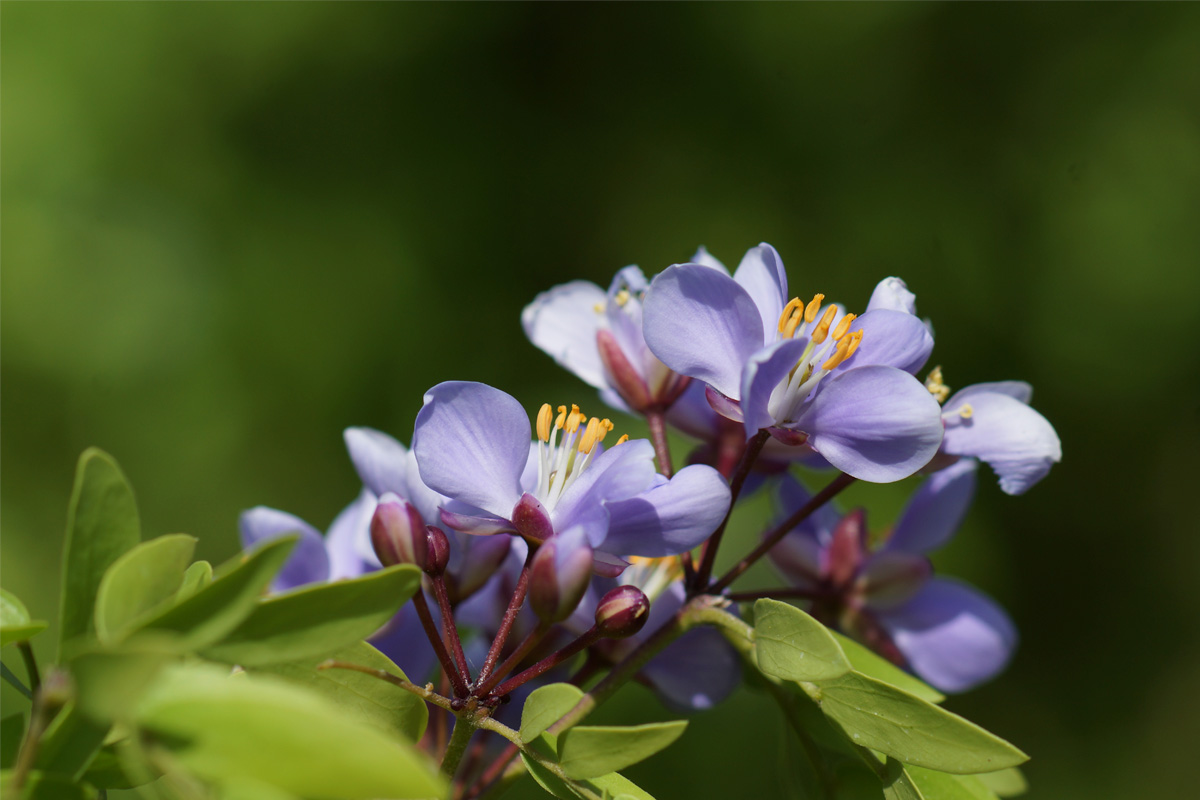
It is a tree whose care is truly engaging and rewarding. Its flowering becomes a genuine prize—a beautiful reward for the effort invested in planting and nurturing it!

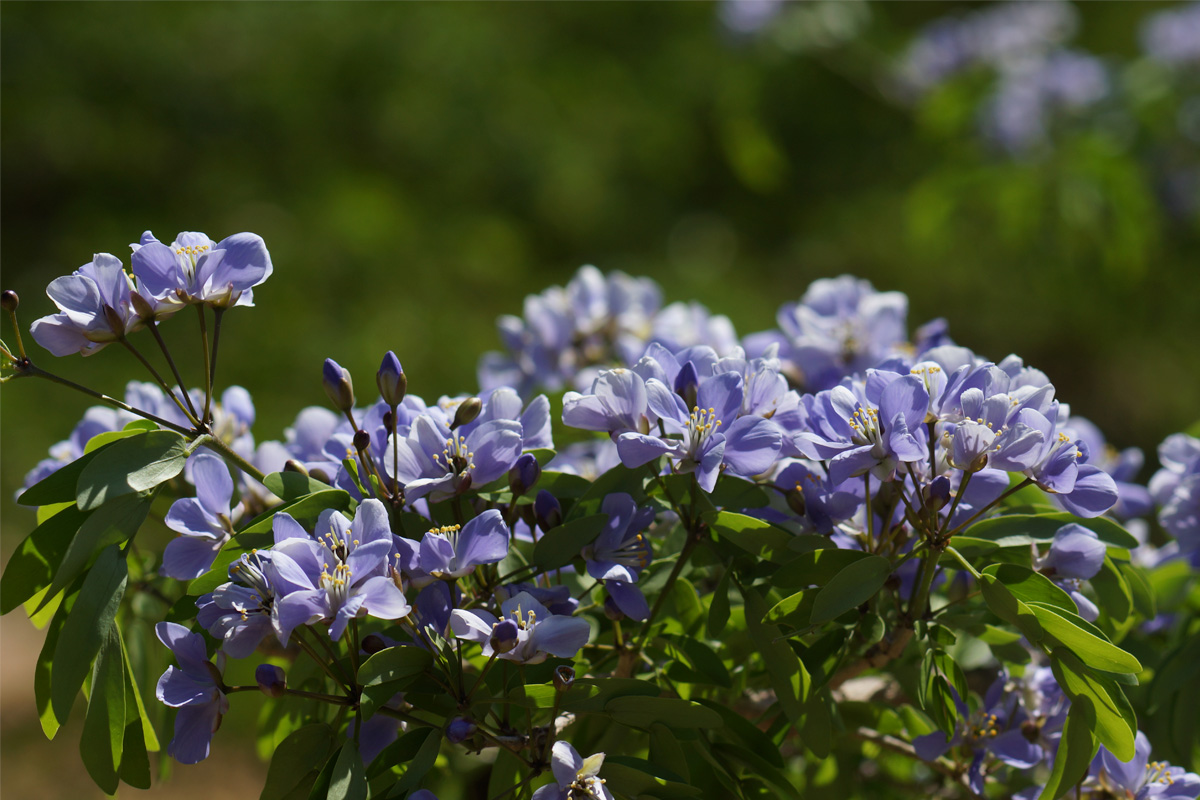
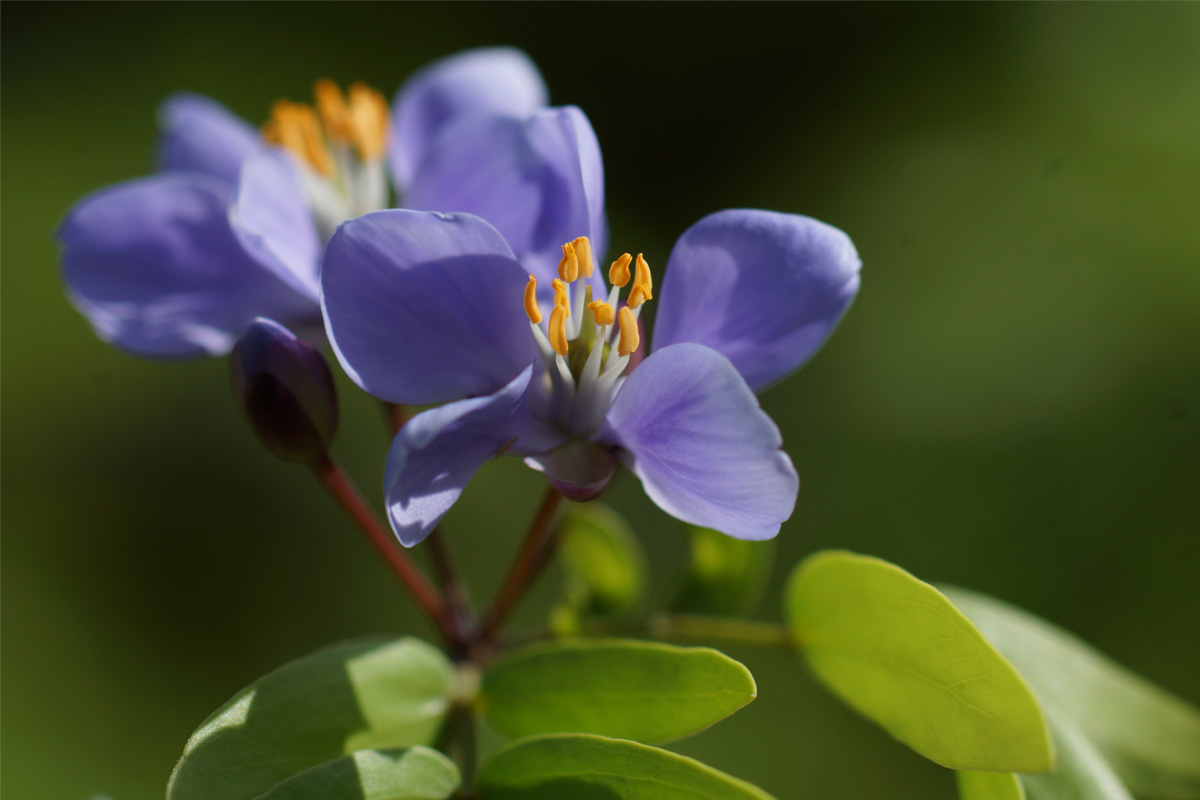
The bloom of Guaiacum sanctum
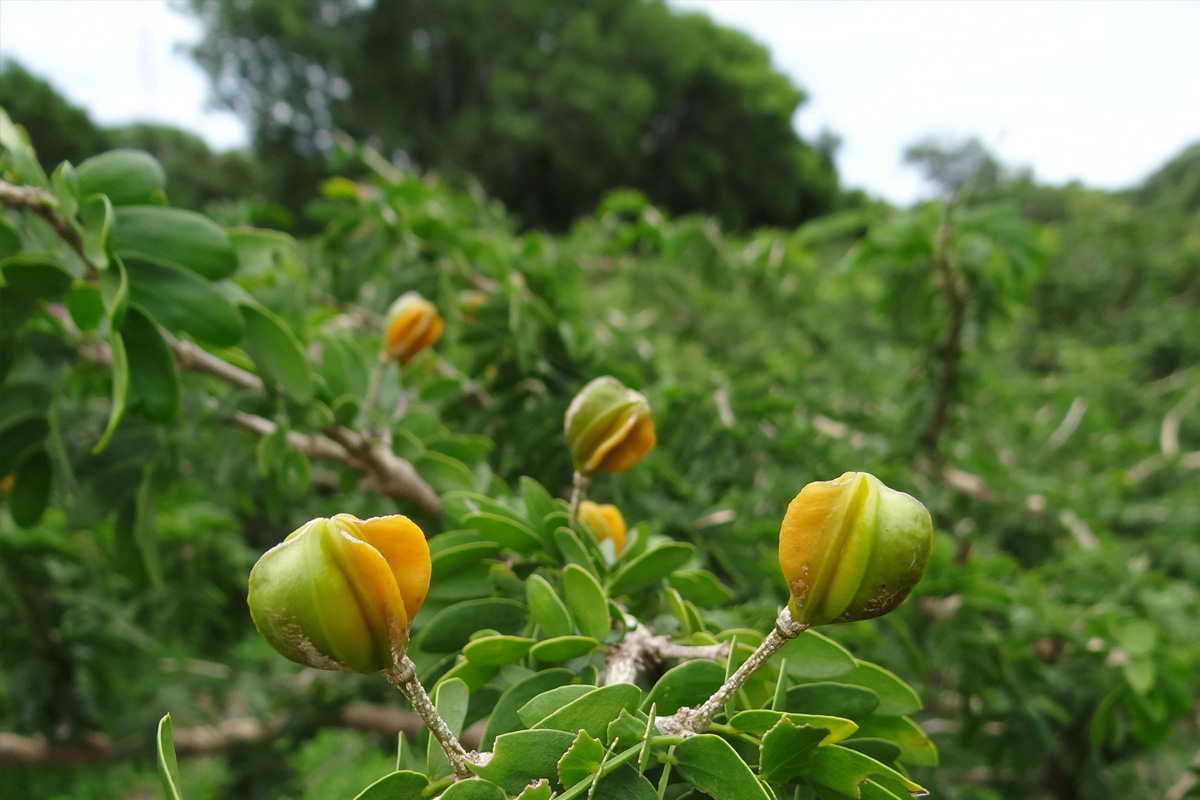
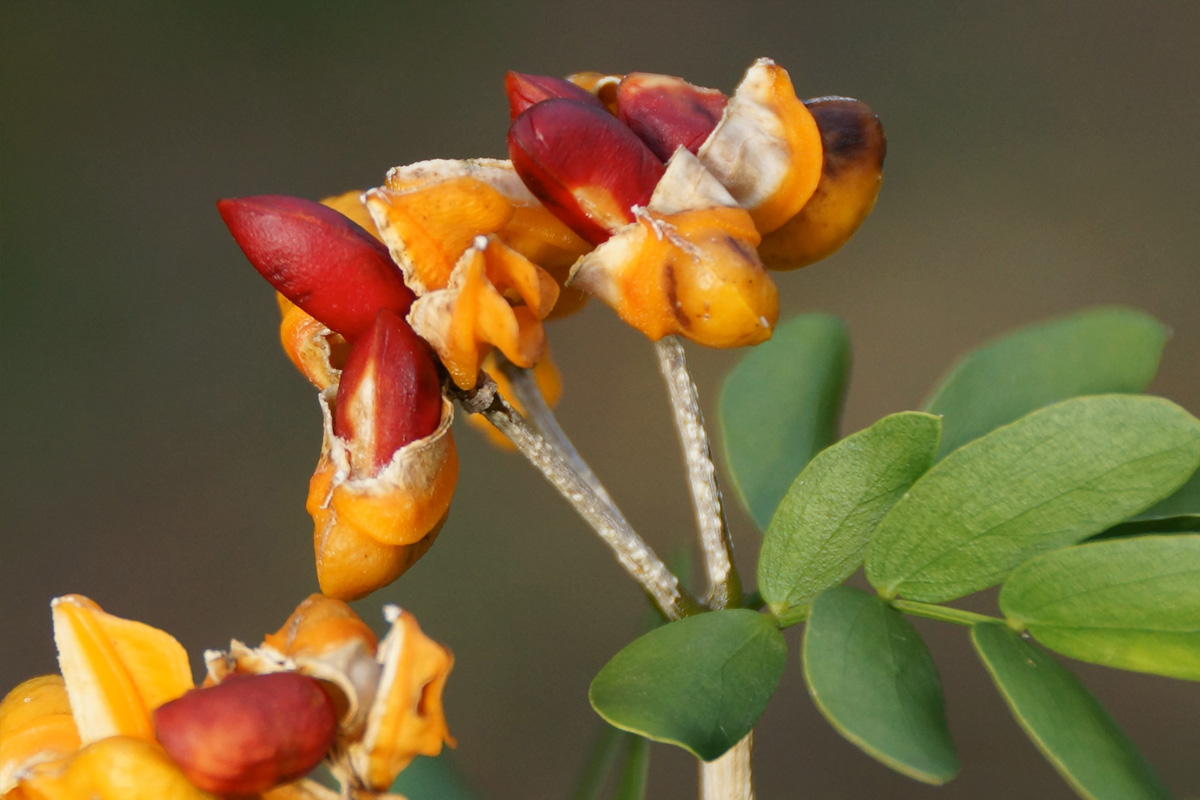
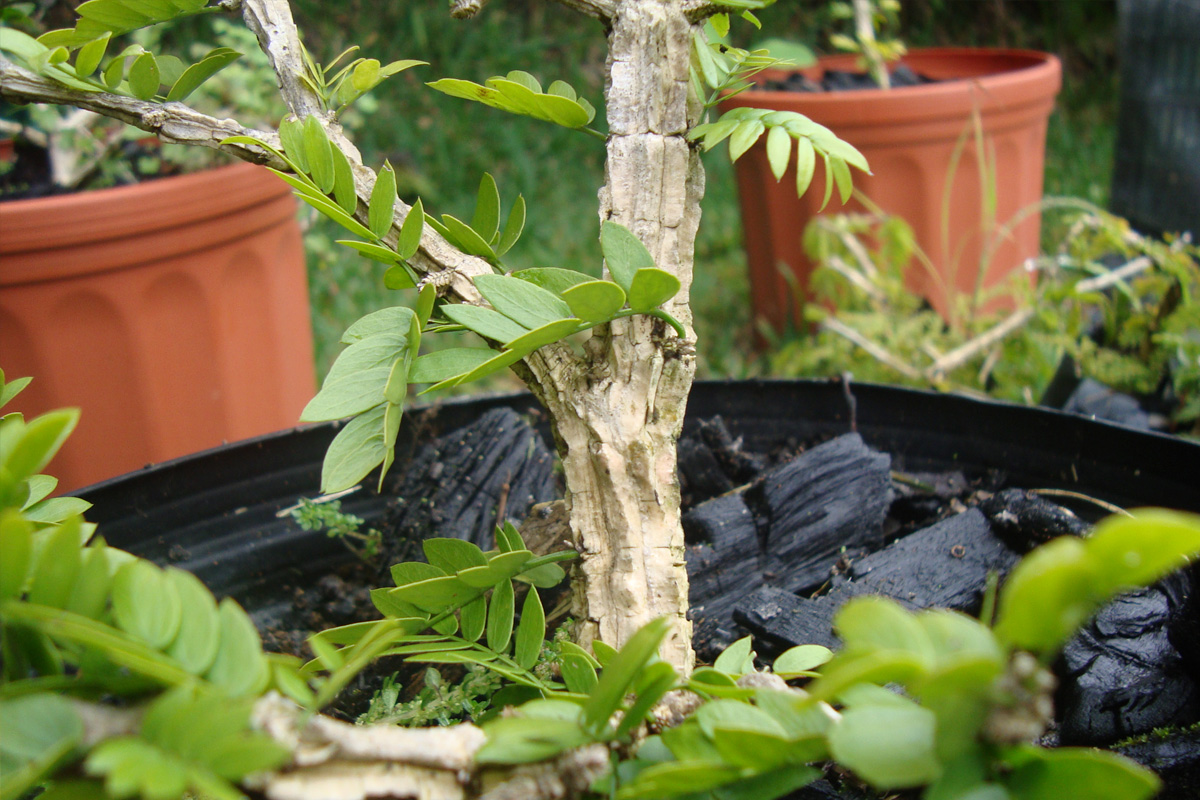
Due to its slow growth, Guaiacum sanctum (royal guayacán) can be kept in a pot for many years before needing to be planted in a suitable location for full development.
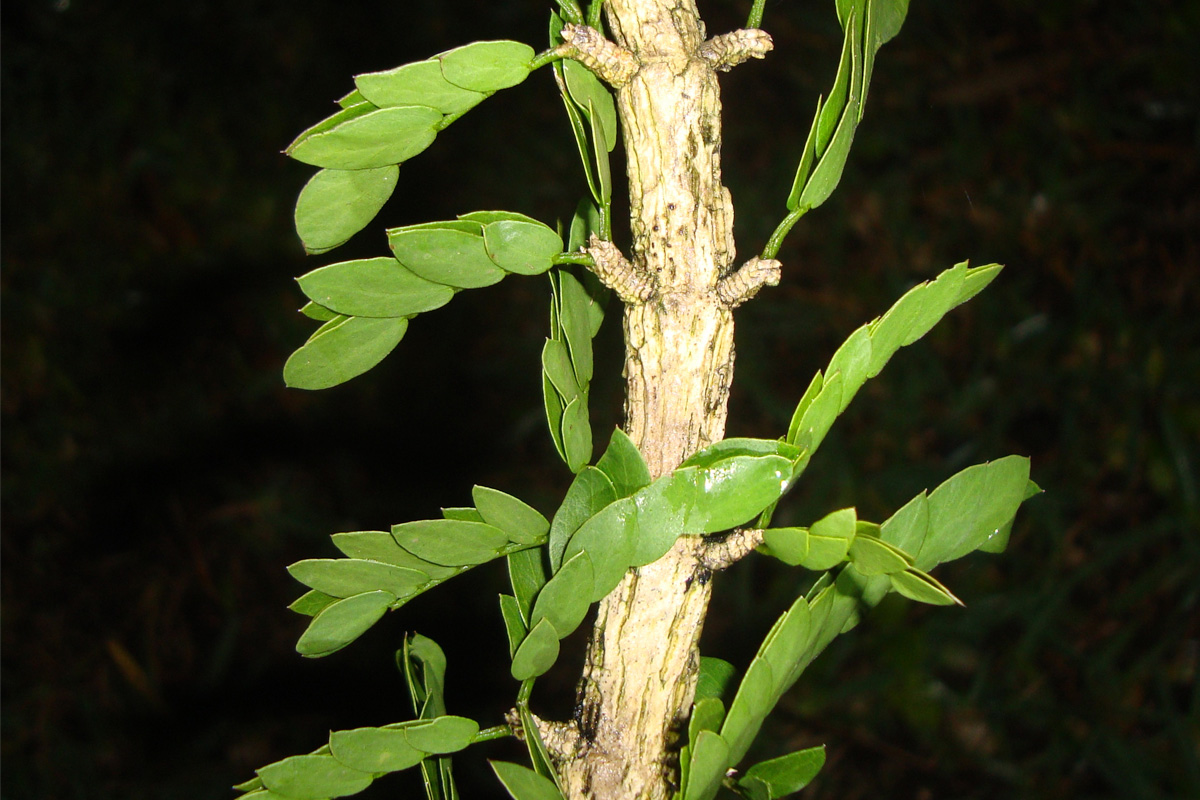
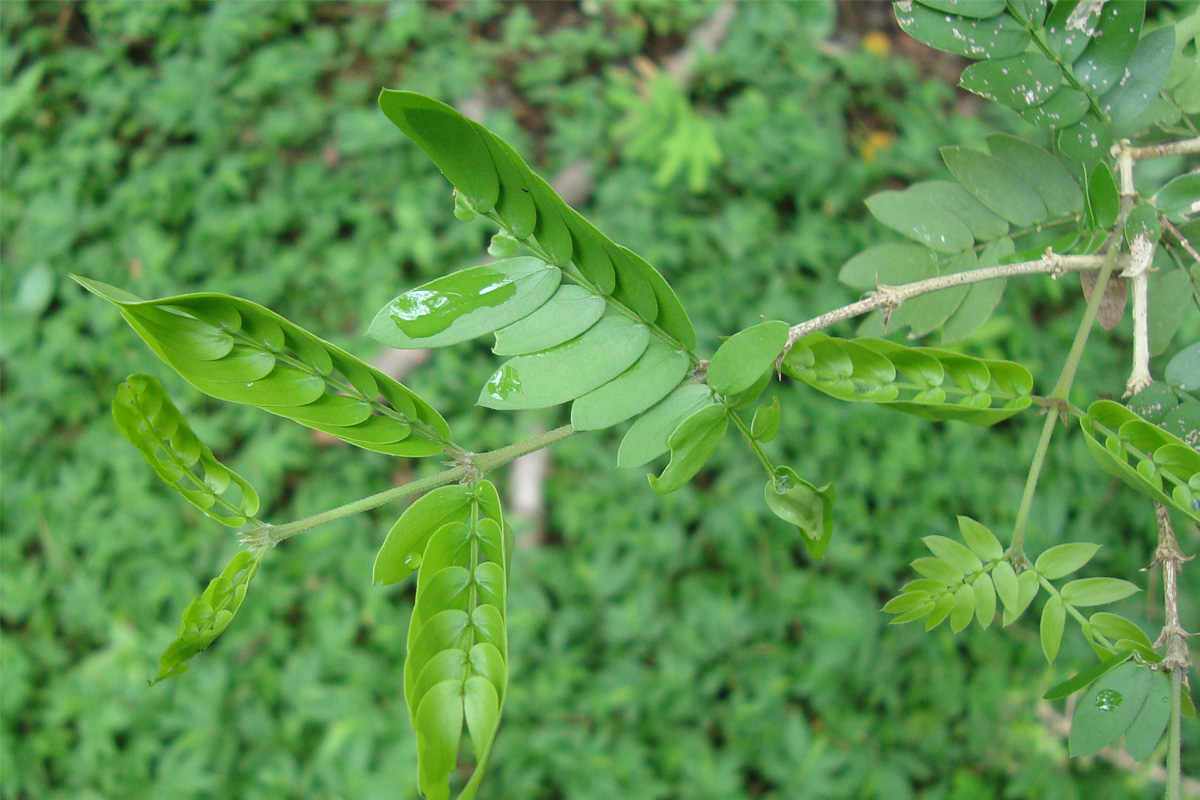
When royal guayacán (Guaiacum sanctum) trees are young, their trunks have a cork-like texture, and their tender leaves “go to sleep” at night—folding gently as darkness falls, only to reopen with the morning light. As the tree matures, the trunk gradually loses its corky appearance, and no more bedtime for the leaves—maturity keeps them wide awake through the night!
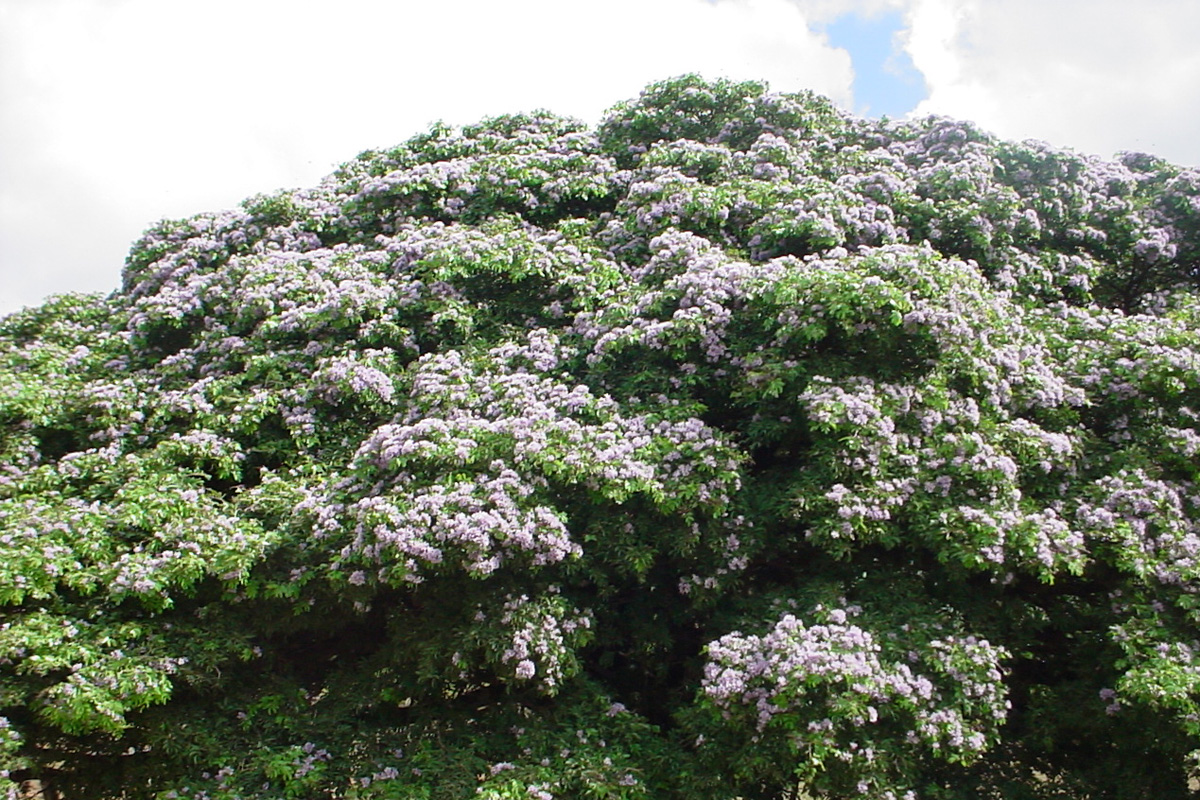
The foliage of the tree is truly beautiful, and its flowering becomes increasingly spectacular with the passing years. Although the tree retains its leaves year-round, the blossoms eventually blanket them in a dazzling display.
Planting royal guayacán trees brings an added benefit: the joy of watching native bees revel in their blossoms.
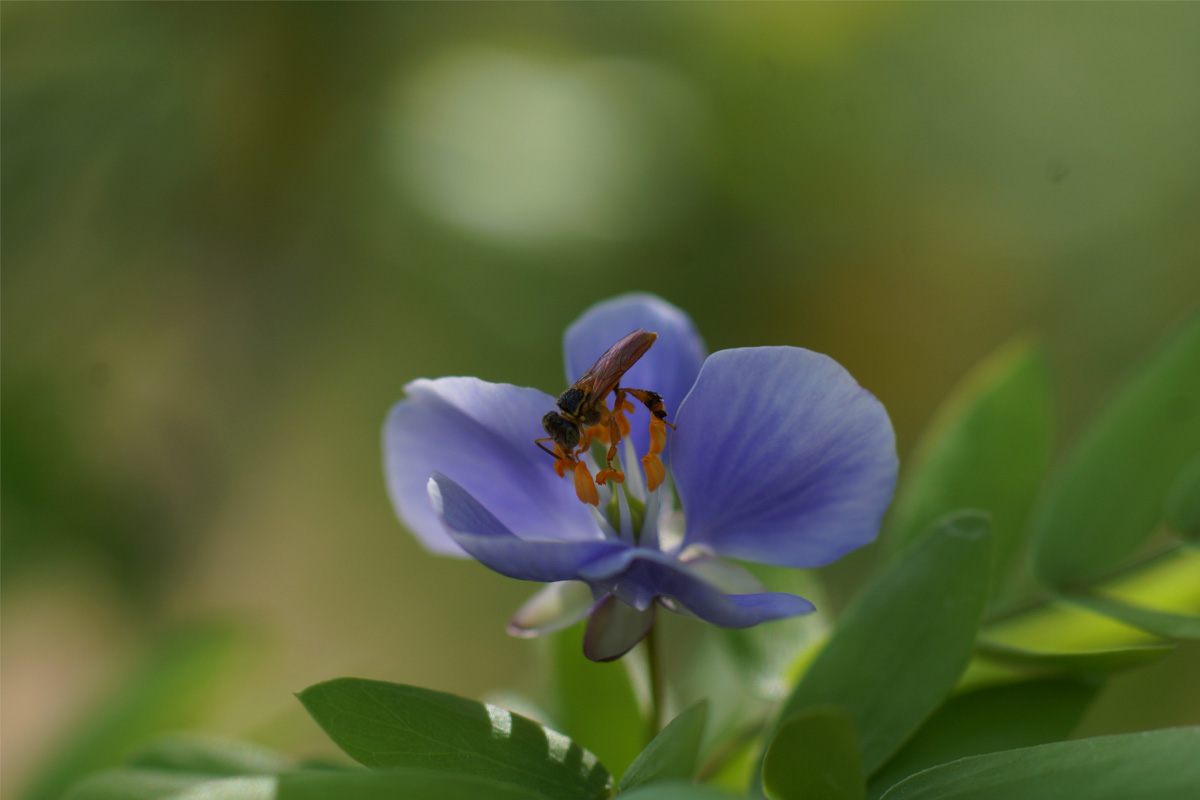
La siembra de guayacanes reales conlleva otro beneficio: el poder apreciar las abejas nativas disfrutando de su floración.
Video: Mariola bees (Tetragonisca angustula) visiting royal guayacán (Guaiacum sanctum) flowers
Video: Apis and Mariola bees (Tetragonisca angustula) visiting royal guayacán (Guaiacum sanctum) flowers along the Boulevard of Royal Guayacanes in San Lorenzo.
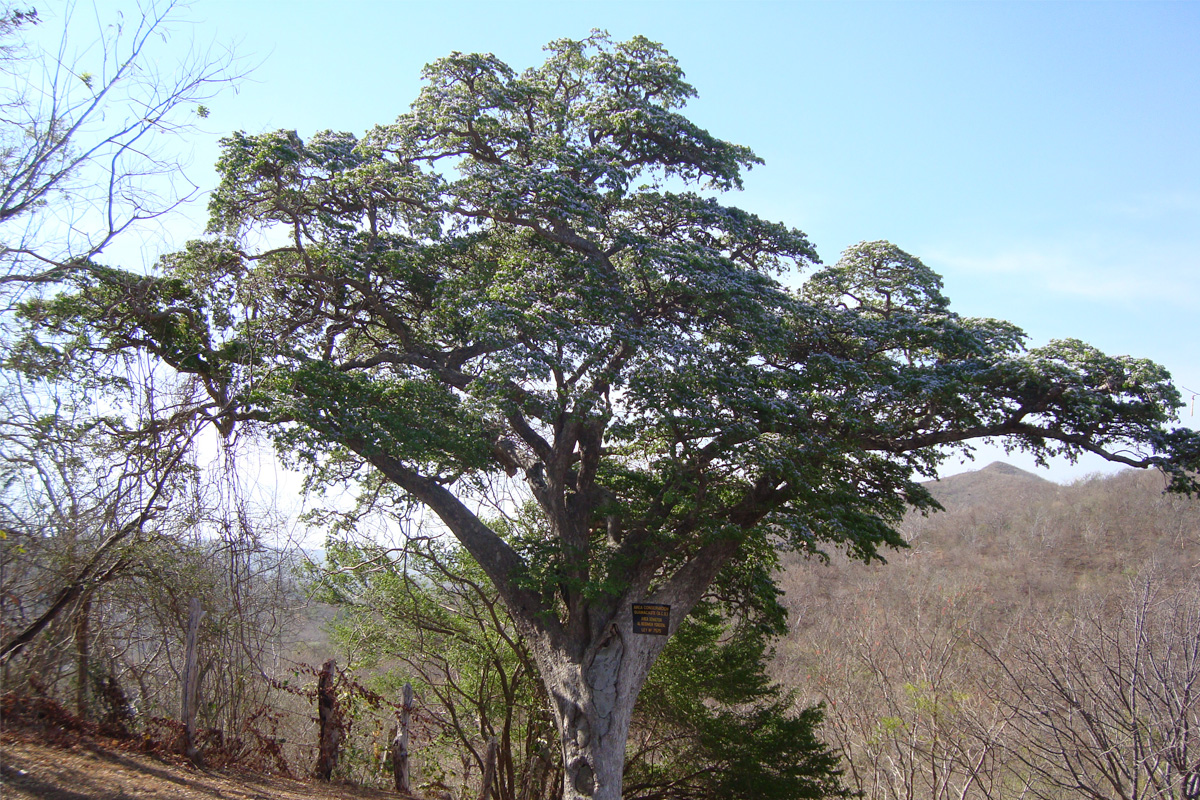
The first flowering of royal guayacán (Guaiacum sanctum) trees in San Lorenzo occurred in 2001, with specimens barely nine years old. By 2009, a widespread bloom was recorded across the project’s trees, offering a truly spectacular display. Unfortunately, in more recent years, flowering has become increasingly irregular.
Nearly every royal guayacán tree in San Lorenzo traces its lineage to a single legendary source: the celebrated MAGÓN. Here, we’ve embraced and nurtured the descendants of a multi-centennial tree.