
Anchored in Historical Legacy

Delving into historical accounts, it is evident that the Taíno people—whose presence in the Caribbean islands predates the arrival of the Spanish in the Americas by several centuries—recognized and utilized the valuable properties of royal guayacan wood. They also attributed medicinal qualities to its natural oil, guaiacol, integrating the use of this forest species into their cultural practices.
Carbon dating conducted in the late 20th century on structural posts from ancient Taíno dwellings on the island of Saint Thomas (east of Puerto Rico) revealed an age of approximately 800 years, confirming their origin in the pre-Hispanic era. Additionally, ceremonial seats carved from royal guayacan wood have been discovered, indicating the species’ cultural and ritual significance among the Taíno people.
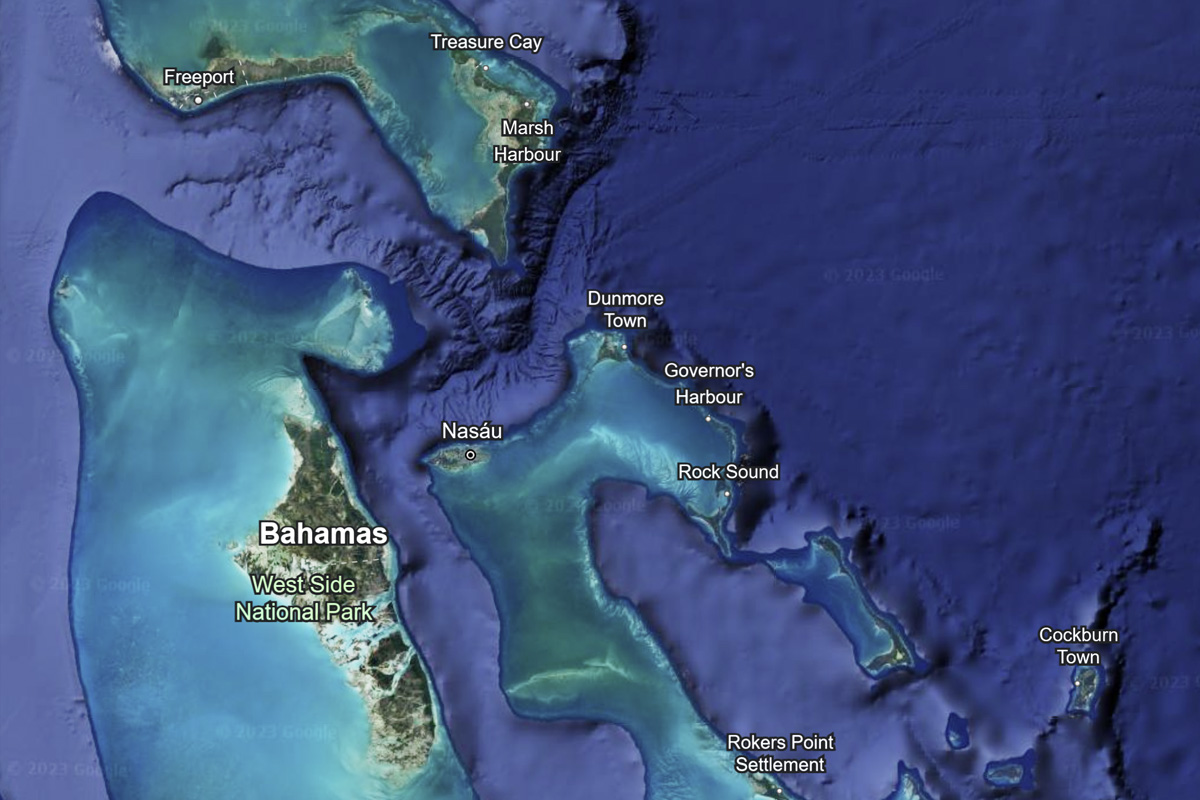
This was the reality encountered by Christopher Columbus and his men upon arriving at the idyllic islands of the Caribbean Sea in the late 15th century, where they first established contact.
European explorers thus discovered in the New World a wood of exceptional mechanical properties, which Indigenous communities also valued for its medicinal qualities—factors that contributed to its high cultural and economic significance.
Given these attributes, it is unsurprising that royal guayacan wood was among the earliest exports from the New World to Europe—a fact substantiated by historical records dating back to 1508.
Despite the exceptional mechanical properties of royal guayacan wood, it was the medicinal attributes ascribed to guaiacol that most significantly fueled the excessive harvesting of this species. The demand led to widespread logging and the export of sawn timber to Europe—and later to other parts of the world—bringing the species perilously close to extinction.
Royal guayacan, once abundant in its native habitat, has now either vanished entirely or become extraordinarily scarce across many Caribbean islands and several continental countries where it once thrived.
Whether substantiated or not, among the medicinal properties attributed to guaiacol, its most significant was its use as a treatment for the venereal disease syphilis. This belief led to an overwhelming surge in European demand for royal guayacan wood.
In this way, Lignum-vitae became part of the earliest medicinal preparations developed in Europe to treat syphilis, remaining one of only two recognized treatments until 1909. Whether guaiacol was truly effective remains a subject of ongoing debate. Fortunately, the advent of penicillin—and later, a range of antibiotics—ultimately replaced the use of Lignum-vitae in medical applications during the 20th century.
As noted anecdotally by professionals from the organization El Mundo Forestal (www.elmundoforestal.com), syphilis became the first human disease to drive a forest species to near extinction.
As a result of all these factors, unlike other types of timber—which were typically traded by volume—royal guayacan wood was commercialized by weight, commanding an exorbitantly high price: seven gold crowns per pound. This made the harvesting and sale of royal guayacan an exceptionally lucrative enterprise.
Over time, the destination of this Caribbean hardwood expanded well beyond Europe, reaching Asia and other regions of the world—driven by its exceptional qualities and global demand.
According to CITES records, Japan, Germany, China, and the United States of America led the list of royal guayacan wood importers toward the end of the 20th century. Since 1979, Mexico has been listed as the sole exporting country, with some re-exports of Mexican-origin guayacan wood recorded in other nations. The oldest historical entry in the CITES database, dated 1978, documents a major export from Costa Rica totaling 101 cubic meters of timber.