Planting royal guayacans

The planting of real guayacán trees (Guaiacum sanctum) began in San Lorenzo in 1993. At that time, it was estimated that the number of mature guayacán trees in Costa Rica barely exceeded 100 individuals. The urgency to take concrete action to increase their population—and thereby help prevent their extinction—was pressing.
Four years later, in 1997, through Executive Decree No. 25700-MINAE, the Government of Costa Rica officially declared the real guayacán (Guaiacum sanctum) an endangered species within the country.
The real guayacán planting program has been sustained throughout the first three decades of the project. To date, over 1,000 specimens have been planted. The most developed trees are reaching trunk diameters of approximately 20 cm and heights exceeding 4 meters, while others show significantly less growth. Given that the largest individuals are around 25 to 30 years old, we have confirmed that the real guayacán (Guaiacum sanctum) is a very slow-growing species.
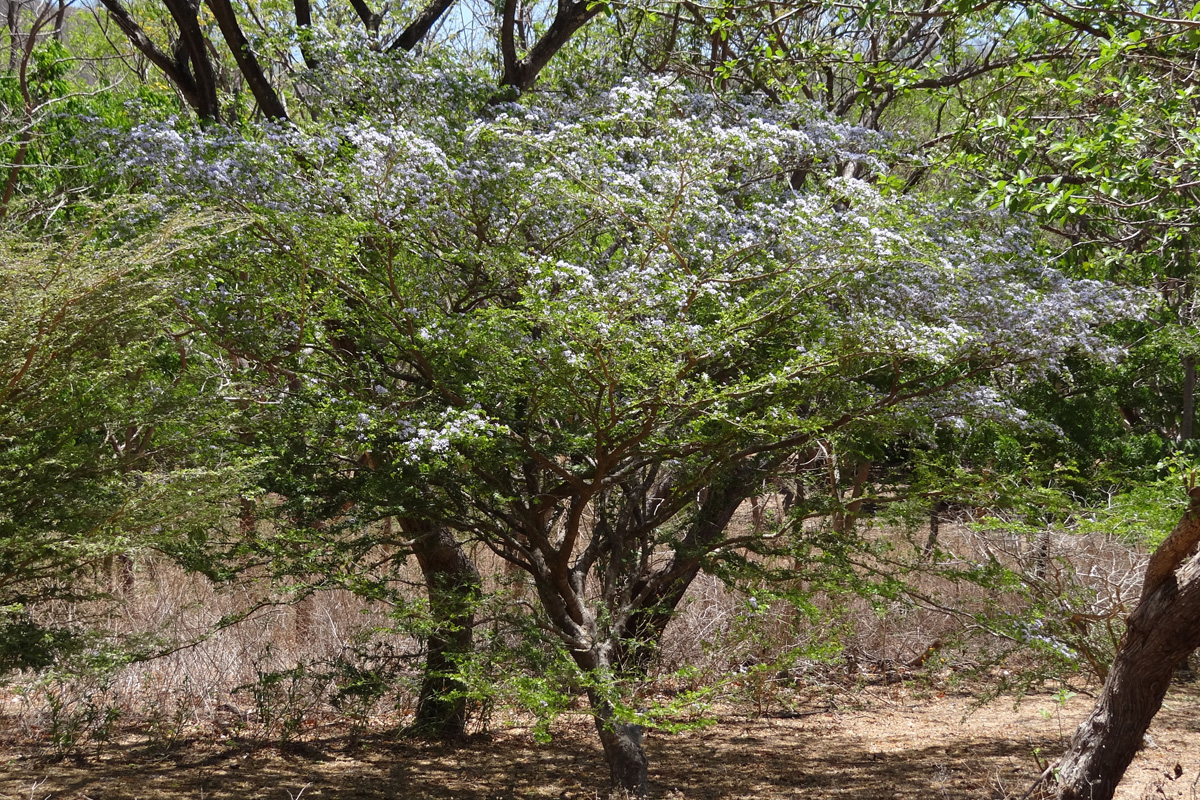
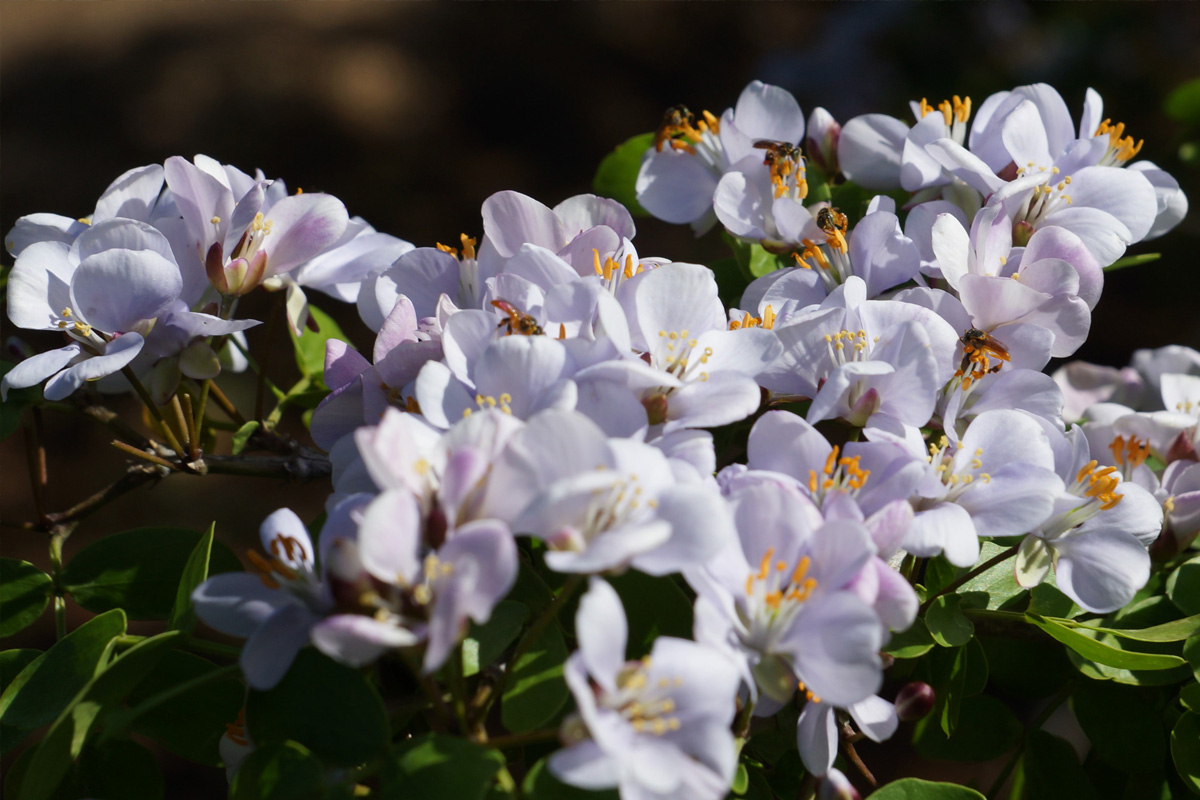
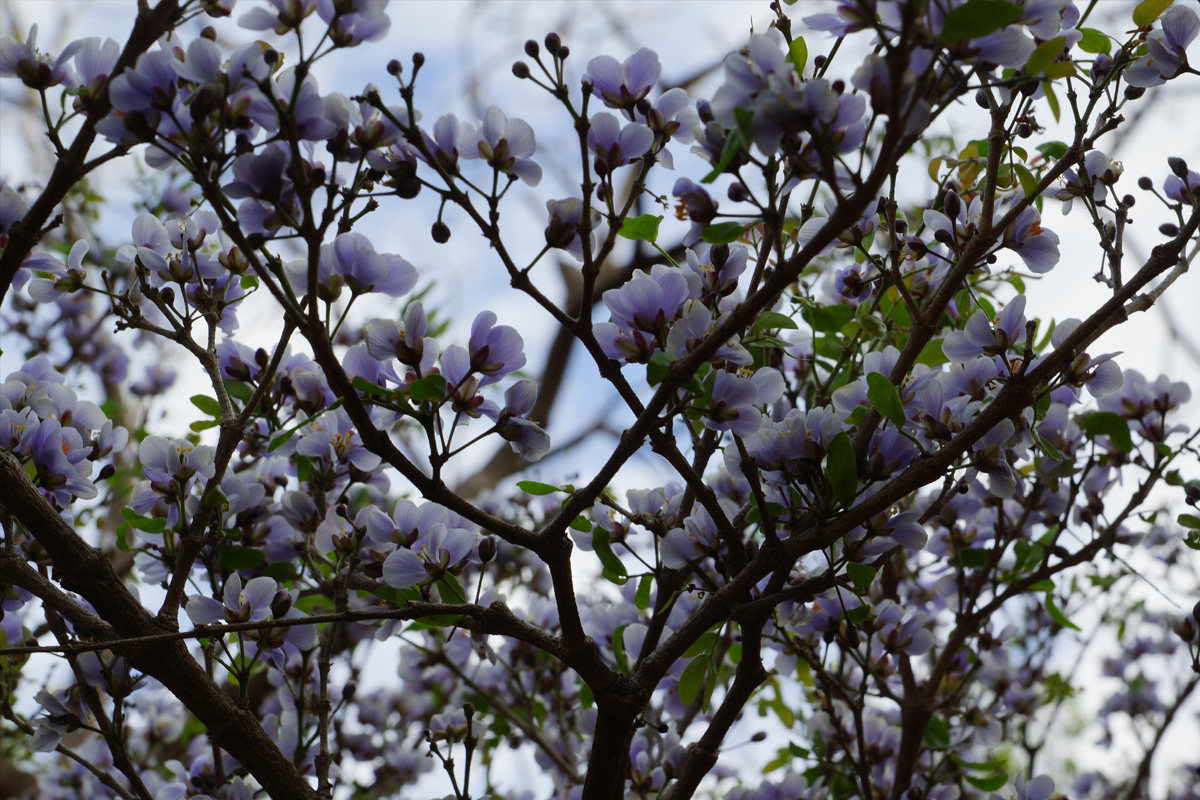
The real guayacán (Guaiacum sanctum) is a species of exceptional ornamental value. Its branching structure and foliage are remarkably elegant, and its flowering displays are nothing short of spectacular
The varied branching forms of the real guayacán trees make each one truly unique:
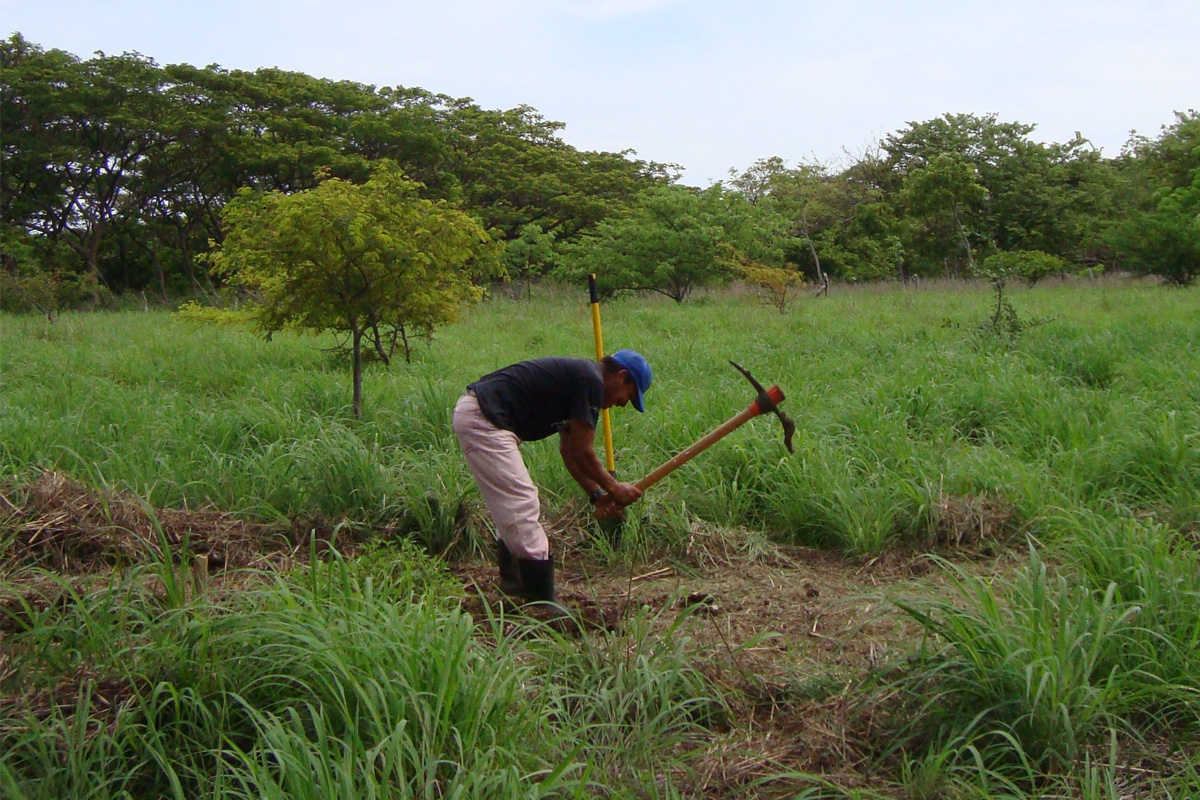
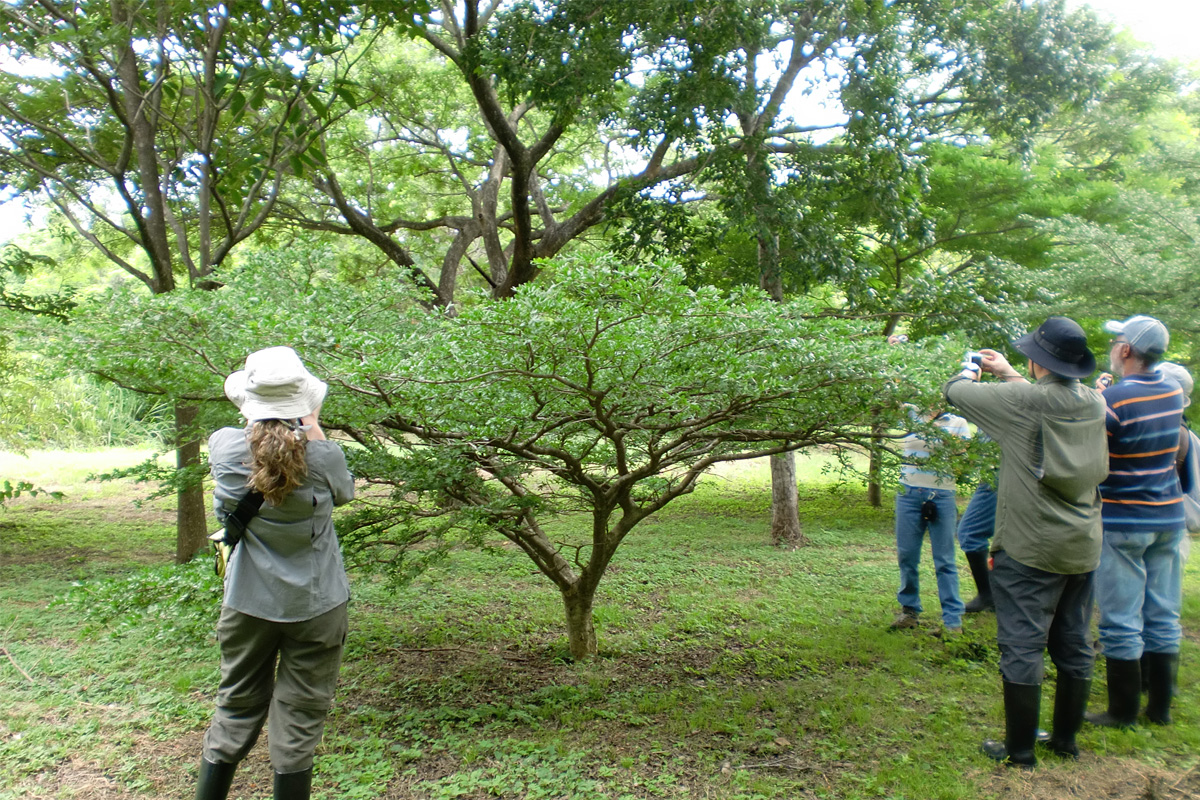
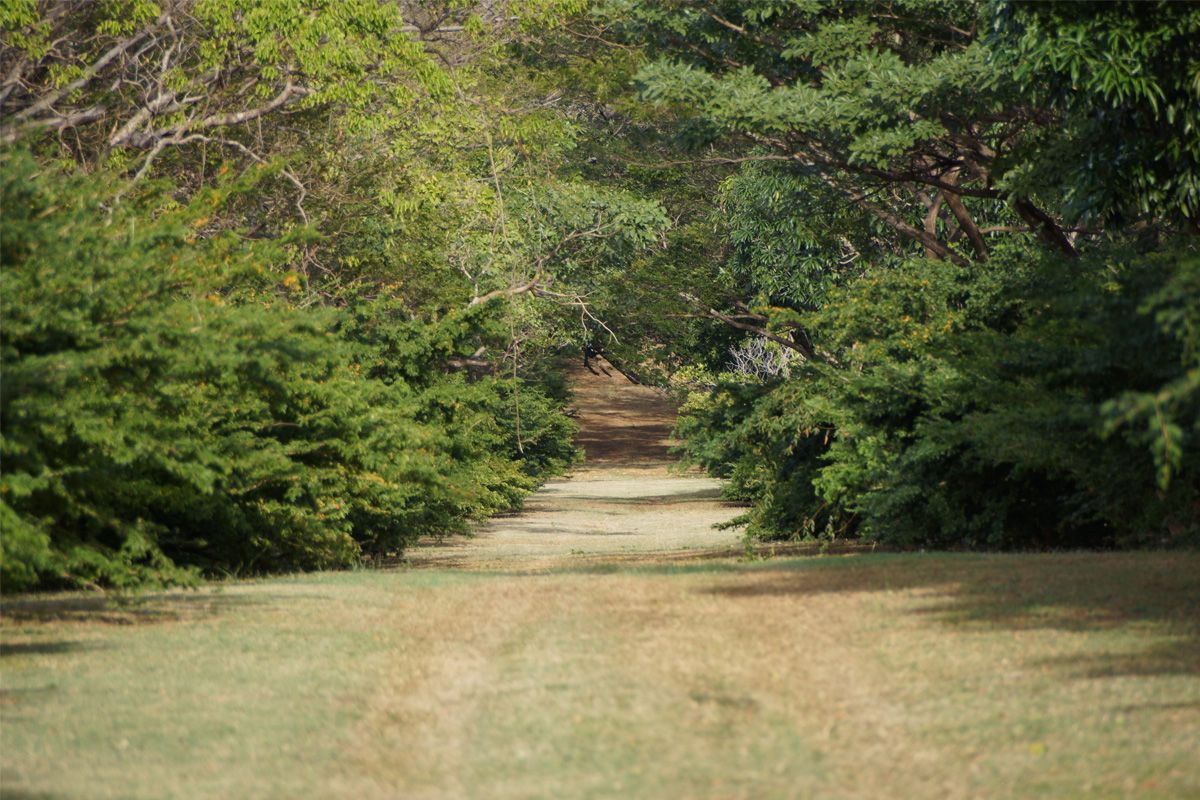
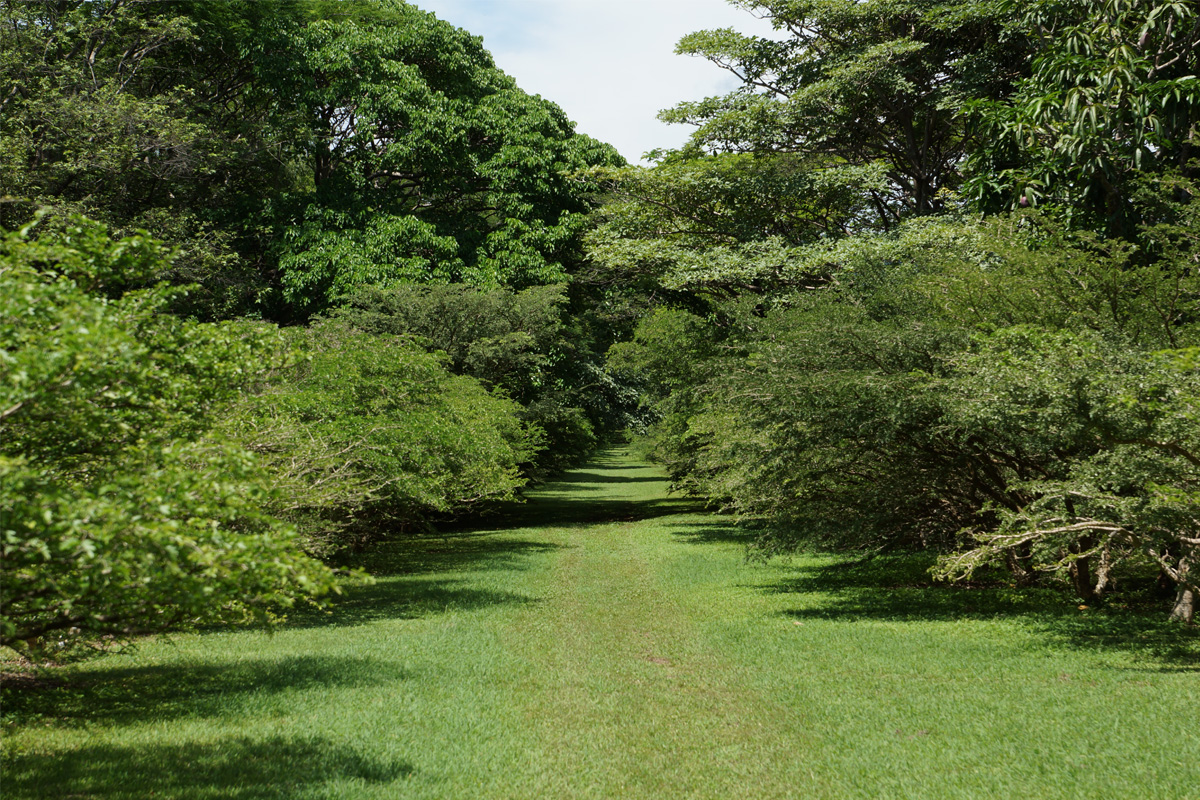
To our knowledge, no other project since the 1990s has planted such a significant number of real guayacán trees (Guaiacum sanctum) in their natural habitat, while also integrating them with other native forest species typical of the Tropical Dry Forest ecosystem.
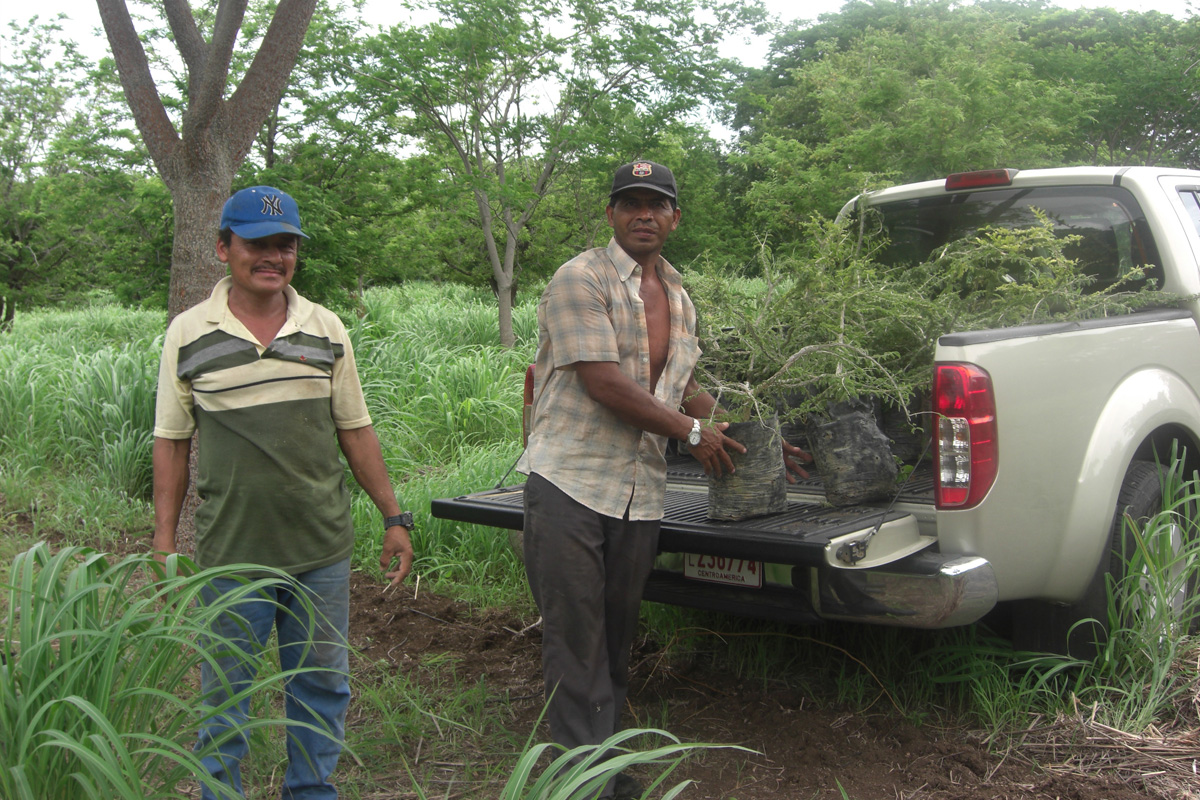
Nearly all of the real guayacán trees (Guaiacum sanctum) planted in San Lorenzo trace their lineage back to MAGÓN—a multi-centennial specimen and the emblematic tree of the Proyecto Guayacán Real. For years, seedlings born beneath MAGÓN’s protective canopy have been carefully collected and nurtured in the nursery for 2 to 4 years, until they reach the minimum size suitable for planting in the field.
Once transplanted, these young trees continue to receive dedicated care for many years. This includes regular watering during the dry season and clearing of surrounding vegetation during the rainy season. Because the guayacán real grows so slowly, nearby plants can quickly outpace and overshadow it, severely hindering its development.
Video: Extraction of Seedlings from MAGÓN (1993)
Despite the extremely slow growth of the real guayacán (Guaiacum sanctum)—a key factor contributing to its endangered status—its cultivation and care are deeply rewarding. Within the project, the first blossoms appeared just before the trees reached 10 years of age. From that point onward, they began producing fruit and seeds, enabling the natural propagation and long-term conservation of the species.
We are proud to contribute—through concrete actions—to the recognition, honor, and preservation of this celebrated forest species, which has given so much to humanity.