
Conservation of Melipona beecheii

Among the stingless native bee species (Meliponines) of the Tropical Dry Forest, Melipona beecheii holds a place of profound cultural and ecological significance. Revered since ancient times by the forest’s inhabitants, this species embodies the deep ancestral connection between humans and bees.
In the Yucatán Peninsula, the Maya civilization practiced meliponiculture—raising stingless native bees and harvesting their honey and other hive products—in an extraordinarily extensive manner. Among these bees, Melipona beecheii was their preferred species.
In the Mayan language, the stingless bee Melipona beecheii is known as “Xunan Kab,” which translates into Spanish as “lady bee” or “royal lady.” The Maya civilization bestowed a sacred status upon the stingless bee Melipona beecheii, this profound relationship is documented in the Madrid Codex,
The Maya civilization valued the honey of Melipona beecheii so highly that it became a cornerstone of their economy, served as a form of tribute within their economic system. storical accounts tell that the Spanish took jars filled with honey from this species back to their homeland, as a sample of the novel products native to the newly discovered lands.

Several elements have likely contributed to the special appreciation of Melipona beecheii throughout history:
Several factors may have contributed to the special appreciation of this species of bee. Certainly, one of them is the exquisite flavor of its honey and its usefulness as an ideal sweetener for foods and beverages. This honey was also attributed with important medicinal properties. Another contributing factor is that, among the various species of native stingless bees, Melipona beecheii is one of the most productive in terms of honey yield—a highly valuable trait, even though its production is significantly lower than that of the European honeybee, Apis mellifera.
An additional and highly relevant characteristic of Melipona beecheii is its exceptional docility. This gentle nature allows meliponiculturists to open and handle the hives with ease, extracting honey and inspecting the colony without encountering resistance or aggression from the bees.
The recognition and appreciation of Melipona beecheii extended far beyond the Maya civilization. Its value was embraced by numerous human groups inhabiting the Tropical Dry Forest along Central America's Pacific coast, where this stingless bee was abundant until the mid-20th century.
In the province of Guanacaste—home to the Guayacán Real Project—Melipona beecheii has long been known by its traditional name: abeja jicote gato. The term “gato” (cat) refers to the bee’s distinctive light-colored eyes.
Until the mid-20th century, the inhabitants of Guanacaste maintained a deeply rooted tradition of meliponiculture centered around the Melipona beecheii, locally known as jicote gato. After locating and extracting wild colonies from the forest, they would hang the hives along the corridors of their homes—preserving them within the very logs or branches where the bees had originally nested.
Once a year, families would harvest the honey produced by the Melipona beecheii—locally known as jicote gato—and store it in clay vessels. From these containers, the honey was gradually used to sweeten foods and beverages throughout the following twelve months, serving both nutritional and medicinal purposes.
The bees themselves were treated with deep affection, often regarded as beloved household companions rather than mere insects.
The close relationship between Melipona beecheii and the people of Guanacaste—as well as other communities across the Tropical Dry Forest—began to fade during the second half of the 20th century. A key factor in this decline was the widespread deforestation of the Tropical Dry Forest, which led to the near disappearance of the bee’s natural habitat.
The decline of Melipona beecheii populations was further exacerbated by the widespread, unmanaged expansion of the European honeybee (Apis mellifera) across the region. As this non-native species established itself in the wild, it introduced intense competition for floral resources—resources that were already dwindling due to deforestation and habitat fragmentation.
The departure of Melipona beecheii from the daily life and culture of these communities was further reinforced by the widespread availability of refined sugar and honey from Apis mellifera in the market at very affordable prices. Refined sugar became the dominant sweetener for foods and beverages, effectively displacing traditional honey from this role.
Recent scientific surveys conducted in the Guanacaste region have revealed a significant and deeply concerning decline in the presence of Melipona beecheii. In several key areas, researchers have documented a complete absence of this culturally and ecologically important stingless bee species.
For all the reasons outlined above, it became especially valuable and important to incorporate a dedicated initiative within the project's broader programs aimed at contributing to the recovery of the Melipona beecheii species. This program includes:
-
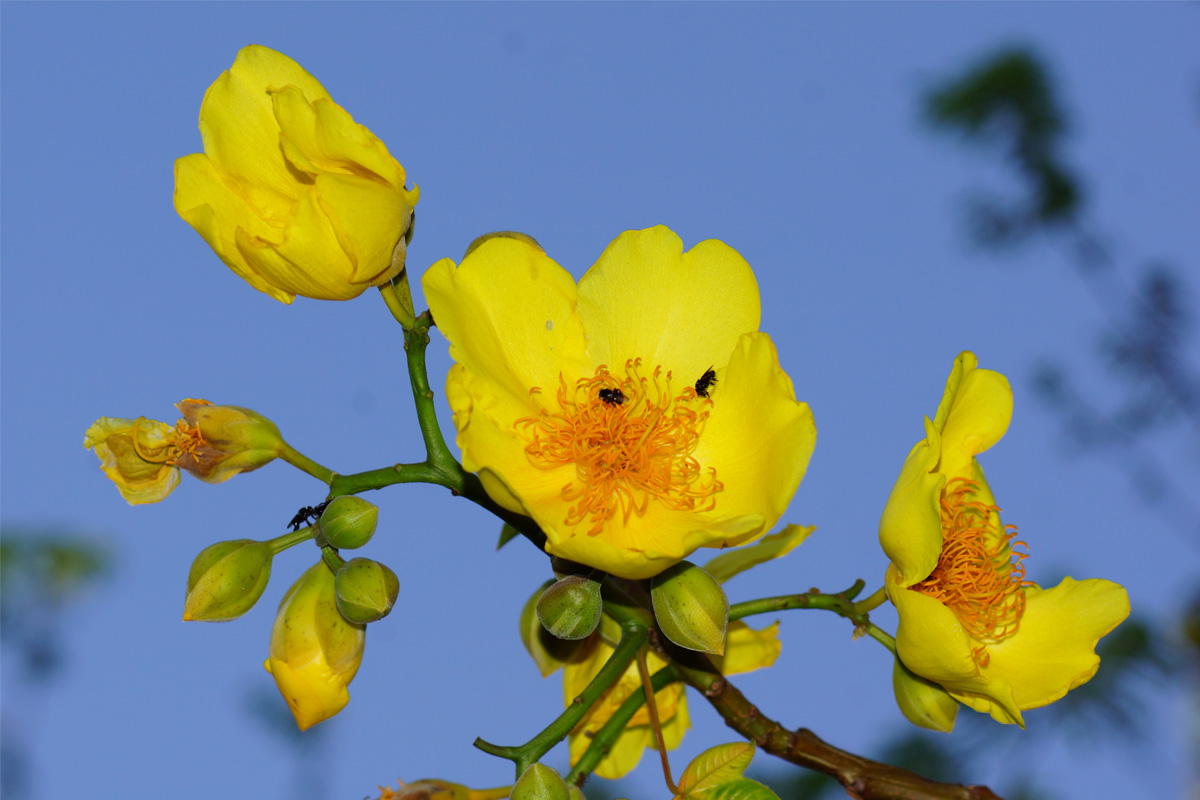
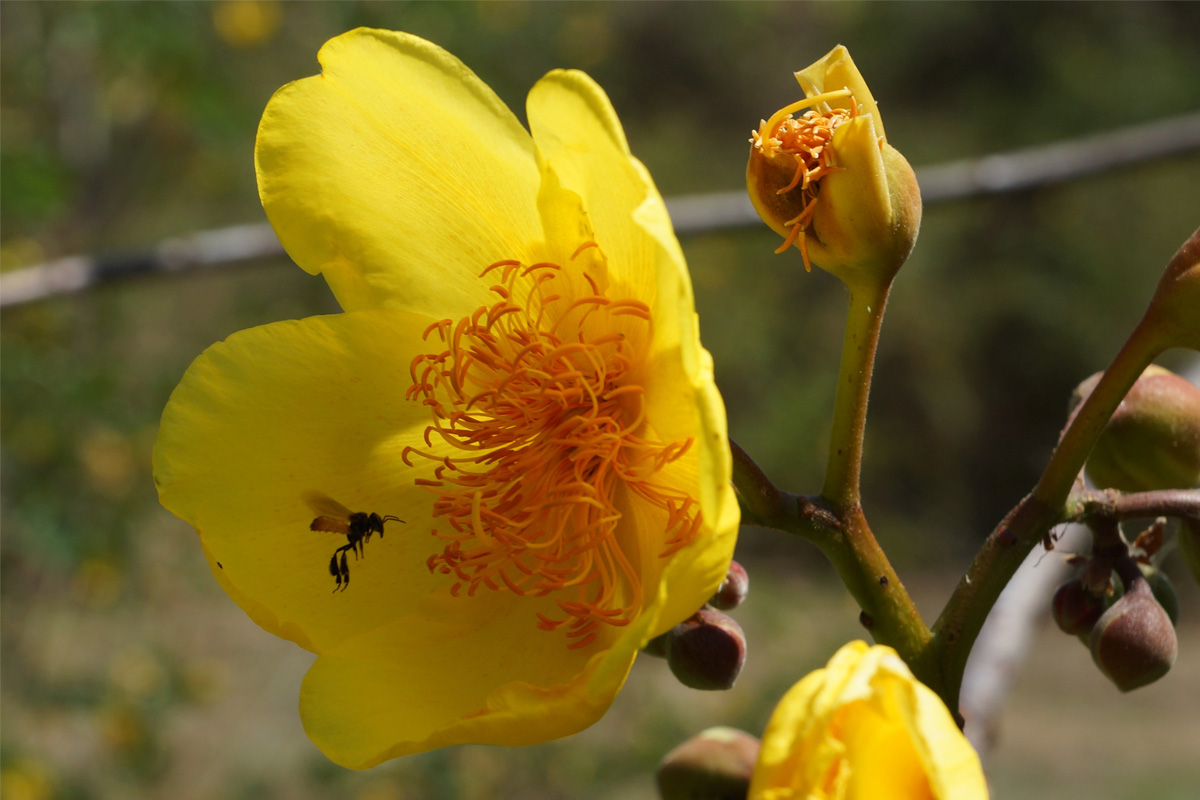
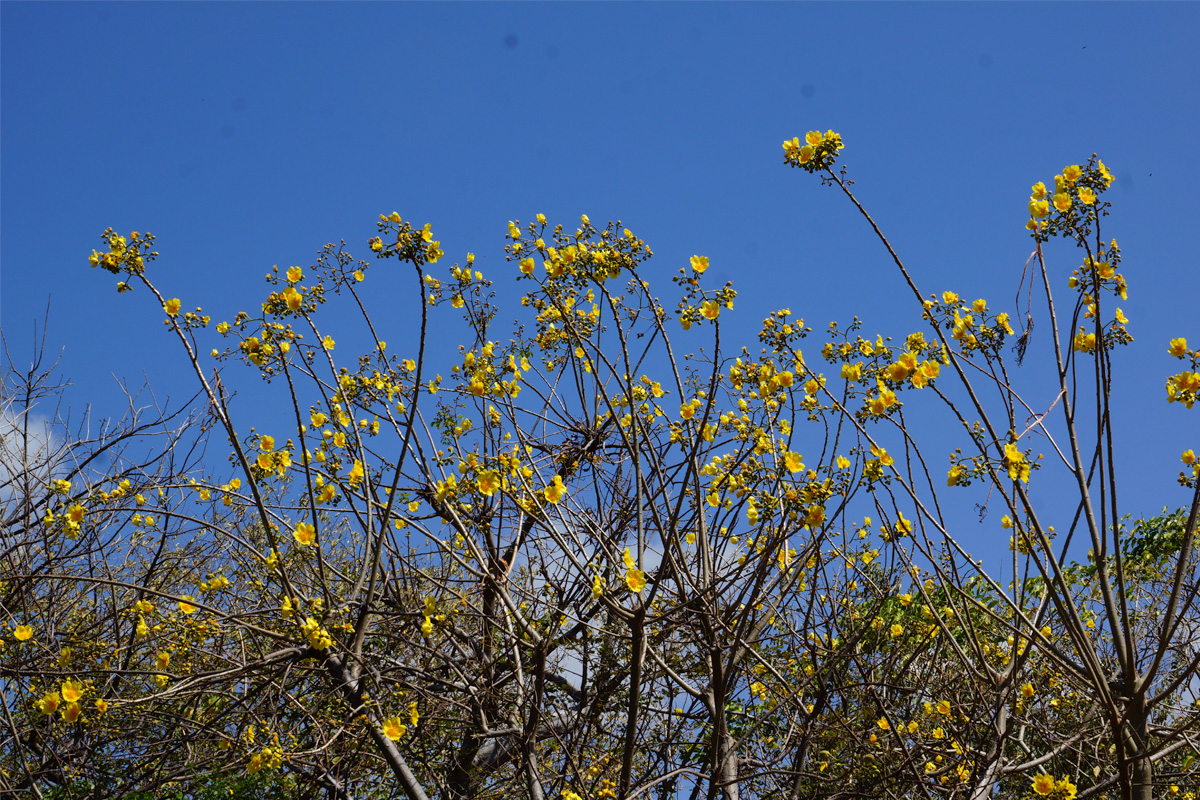
This activity involves cultivating plants, shrubs, and trees that provide essential resources for the survival of Melipona beecheii, The effort is supported by our own nursery .
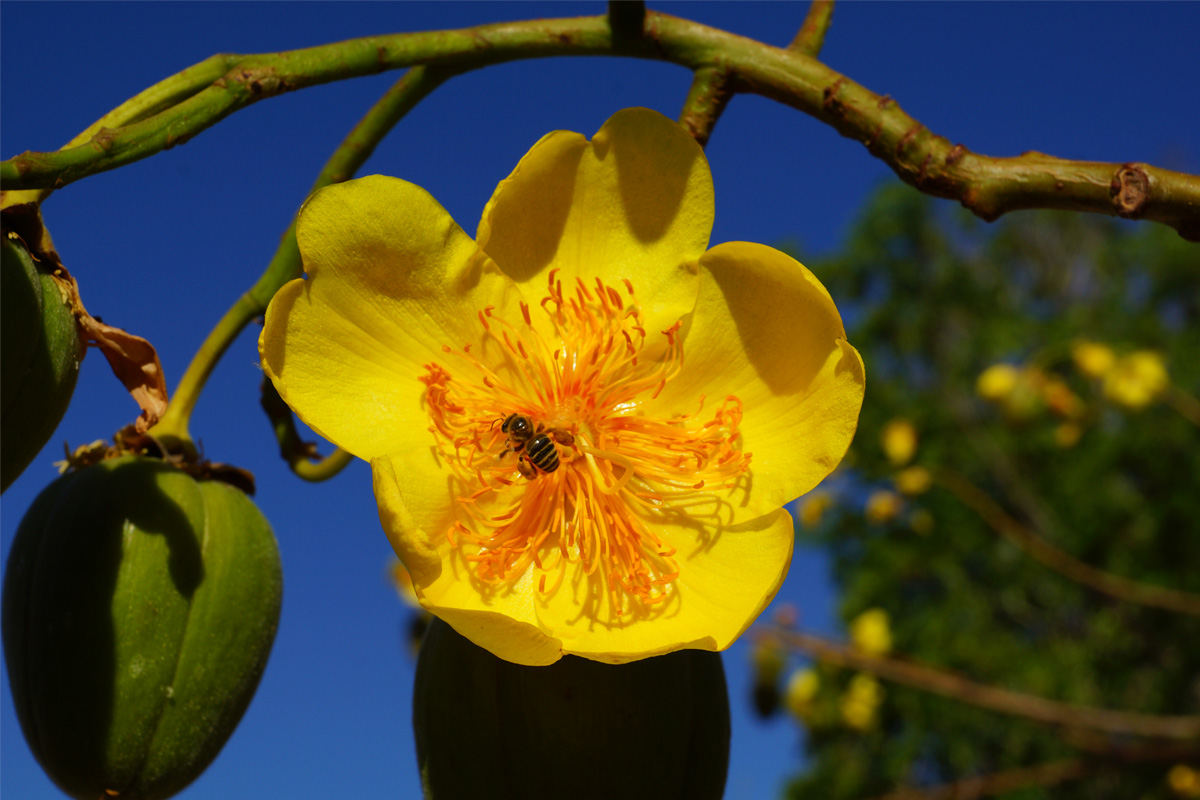
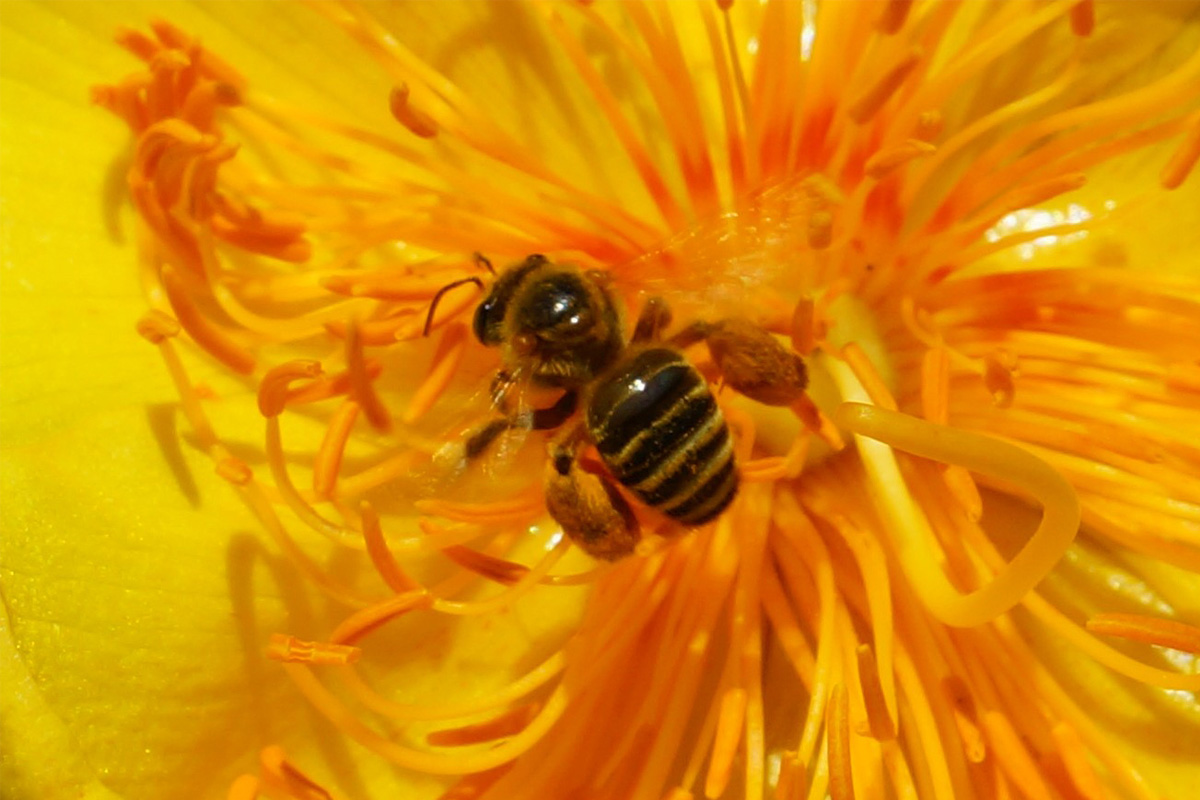
Melipona beecheii Demonstrating Its Preference for Poro-Poro (Cochlospermum vitifolium) Blossoms
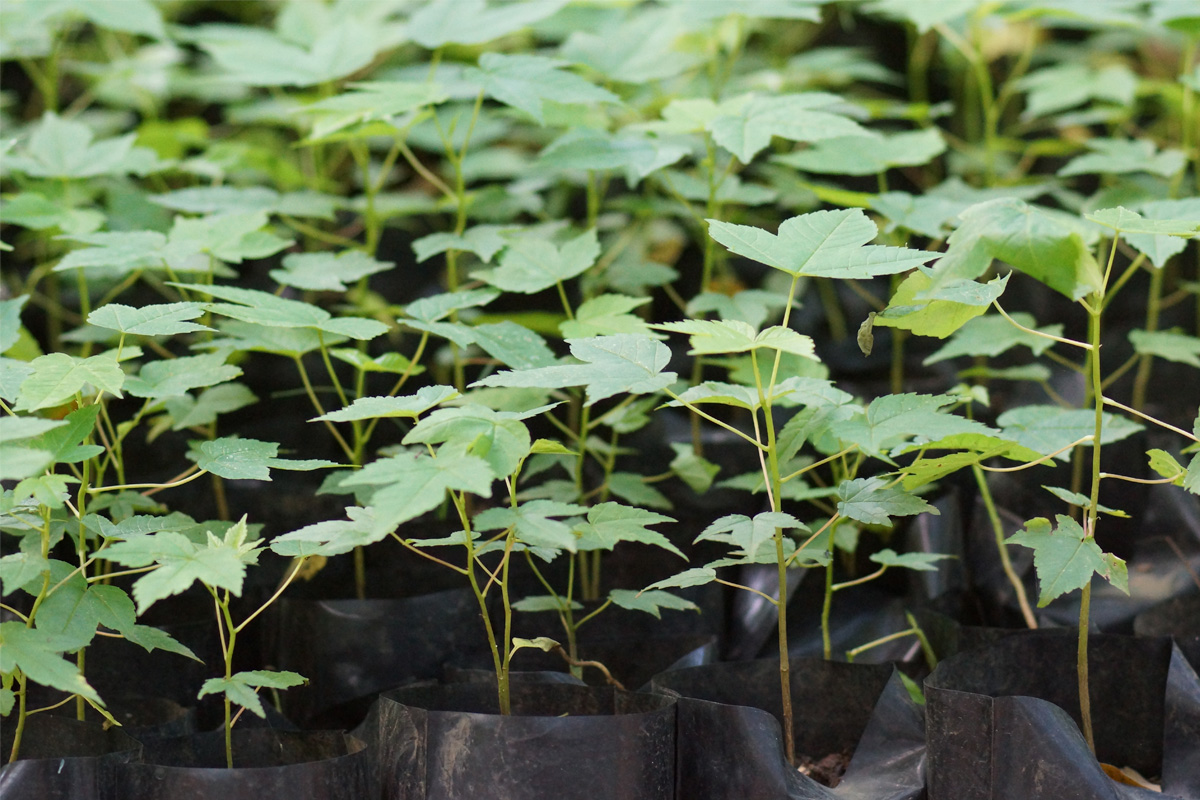
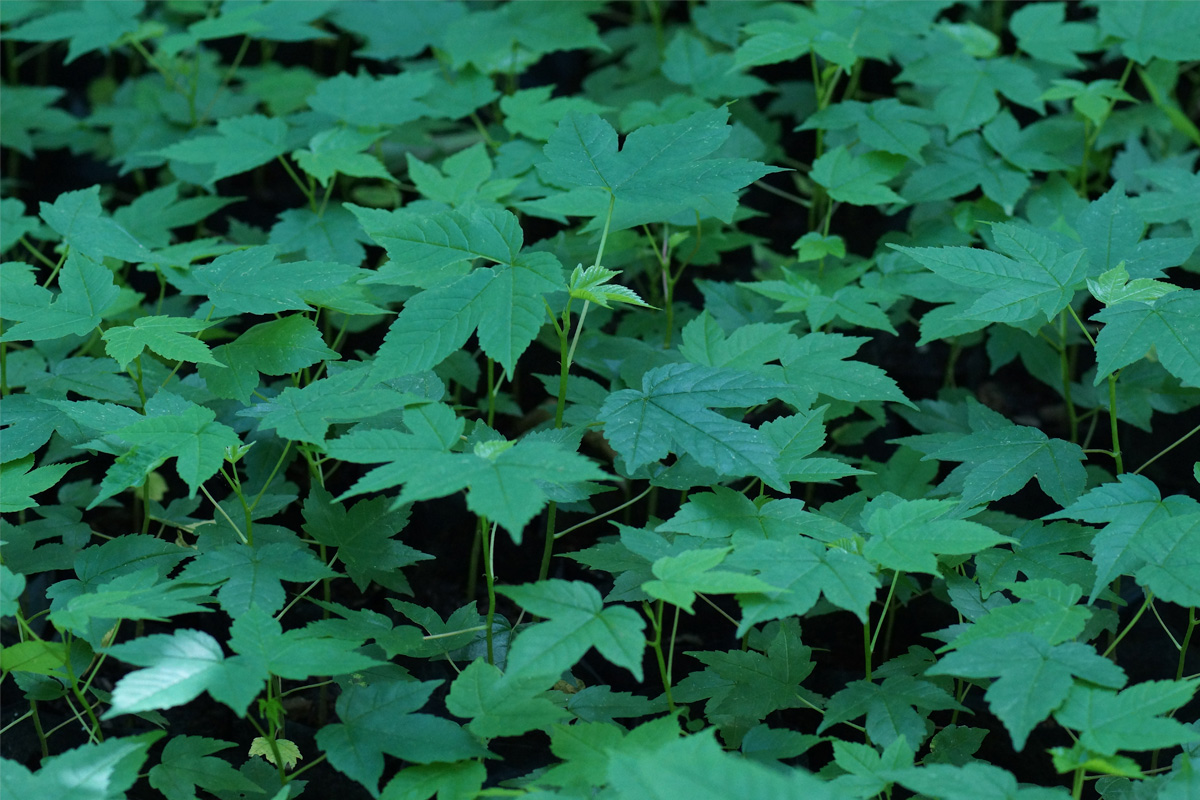
Young poro-poro trees (Cochlospermum vitifolium) at the San Lorenzo nursery are being carefully cultivated until they reach optimal planting size. Once established in the field, these native trees will provide vital floral resources for local pollinators—especially the stingless bee Melipona beecheii

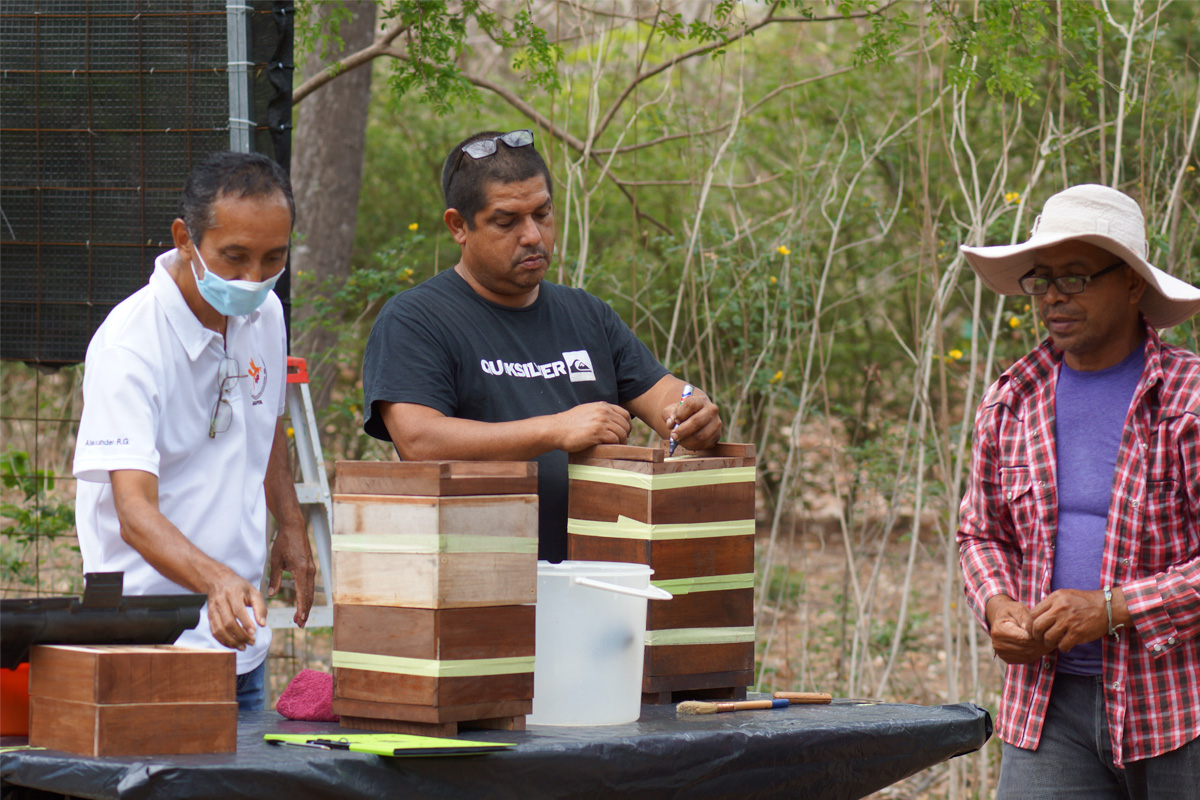
- A Careful and Intensive Hive Multiplication Program: This initiative involves the strategic division of Melipona beecheii colonies using technified rational hive boxes, which are then placed within protective metal structures to ensure their safety and proper management.
The program benefits from the technical guidance of Mr. Alexander Rosales, a specialist in the field who has been instrumental in reviving the nearly lost ancestral knowledge of meliponiculture. His expertise and experience have significantly enriched the project’s efforts to restore and sustain native stingless bee populations.

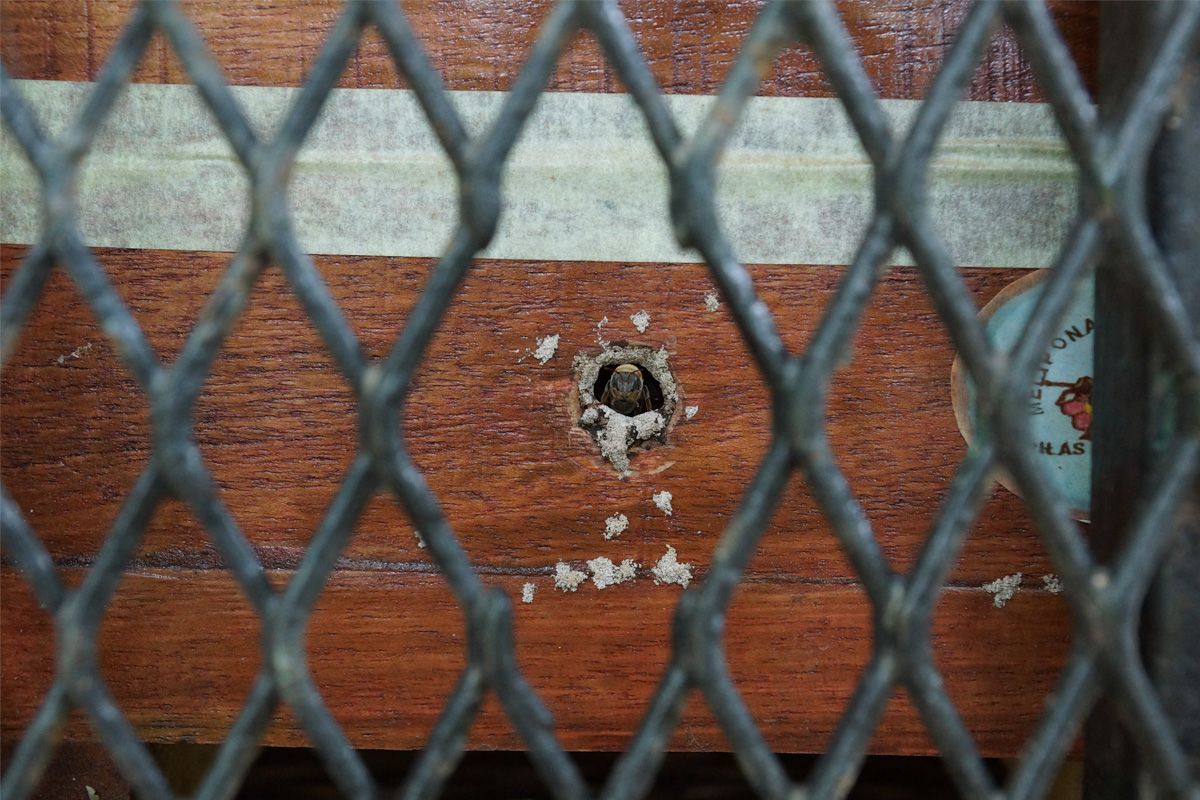
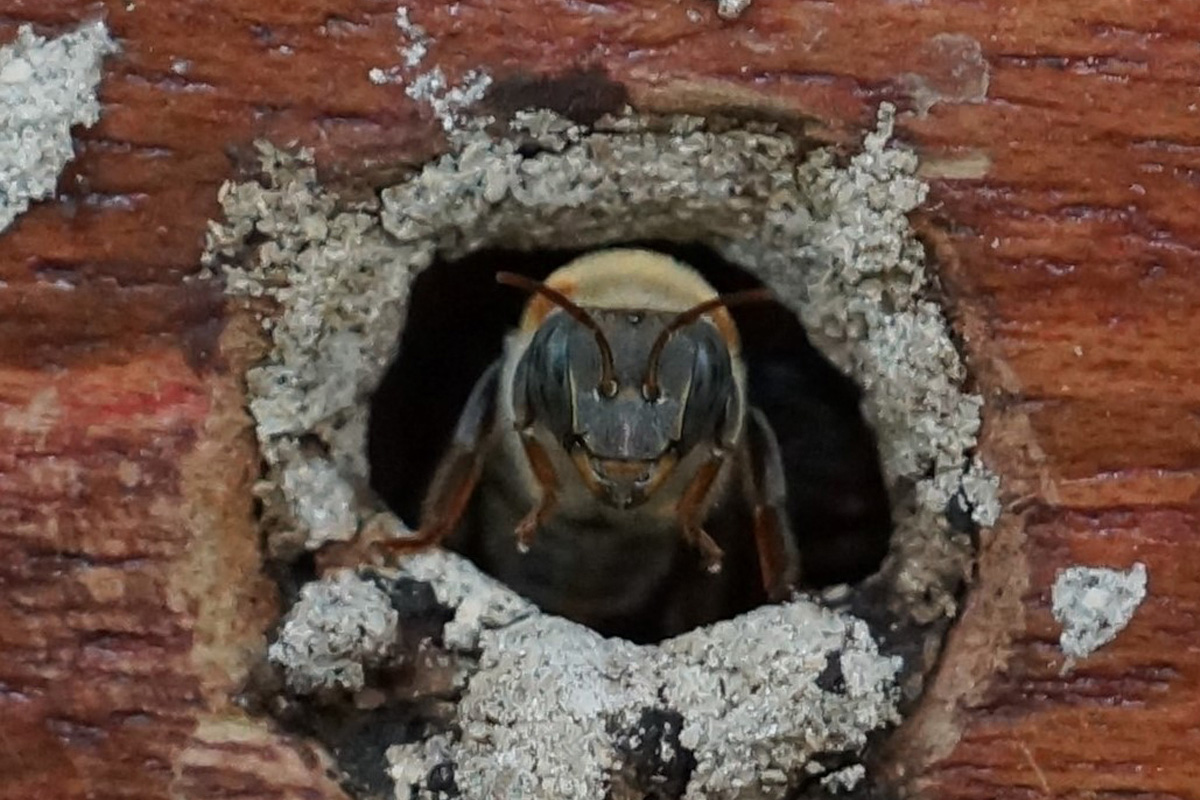
Melipona beecheii Guarding the Entrance to Its Hive
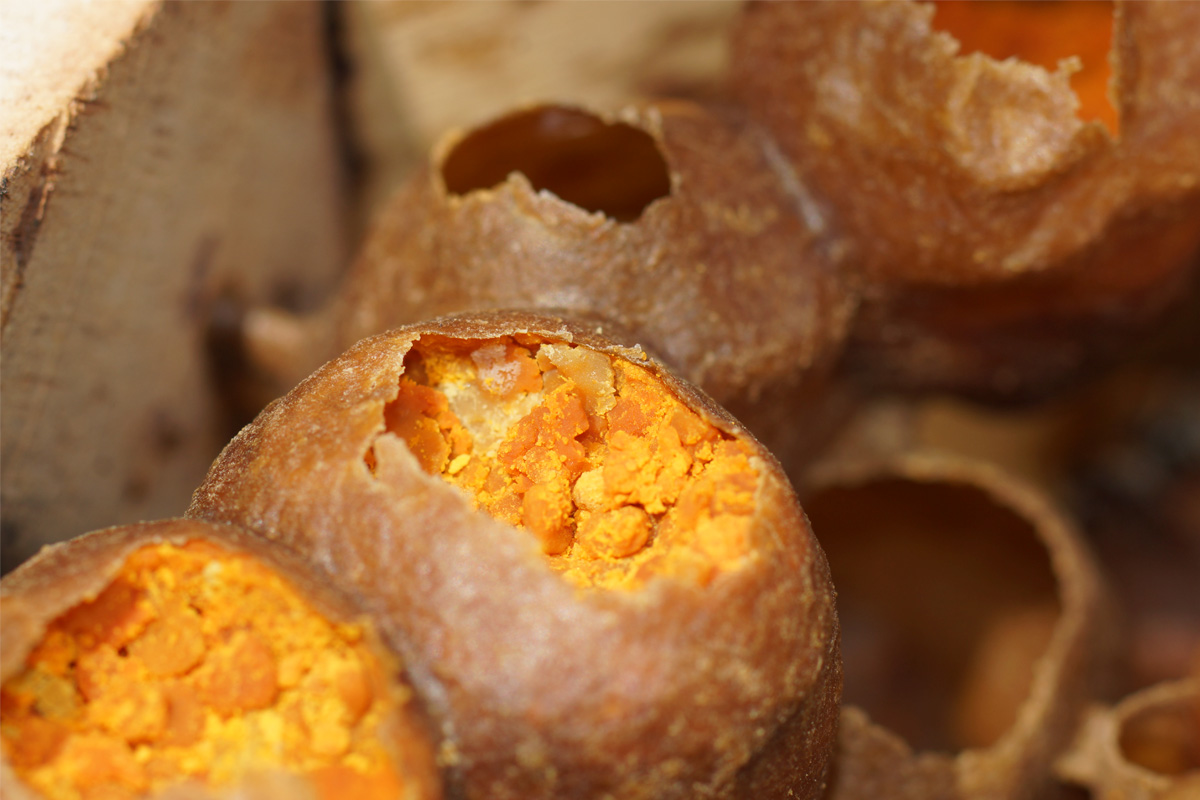
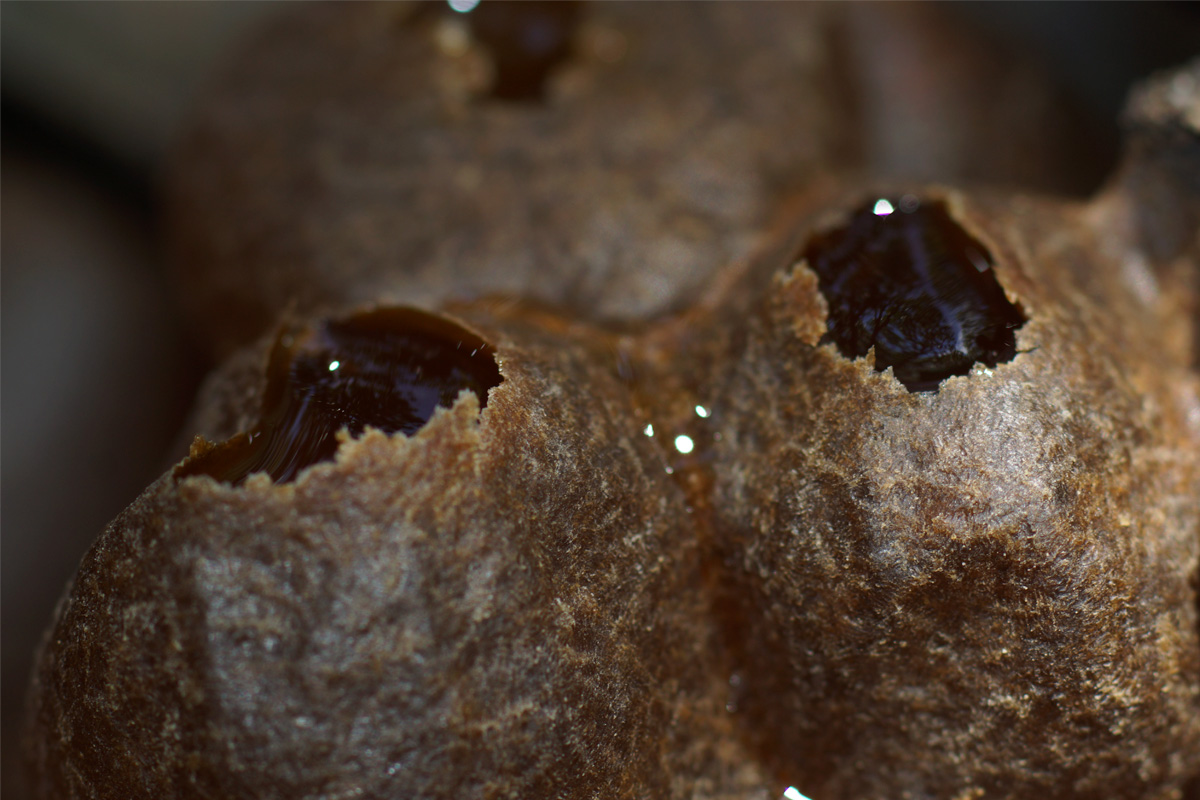
Inside the Hive: Pollen Pots of Melipona beecheii
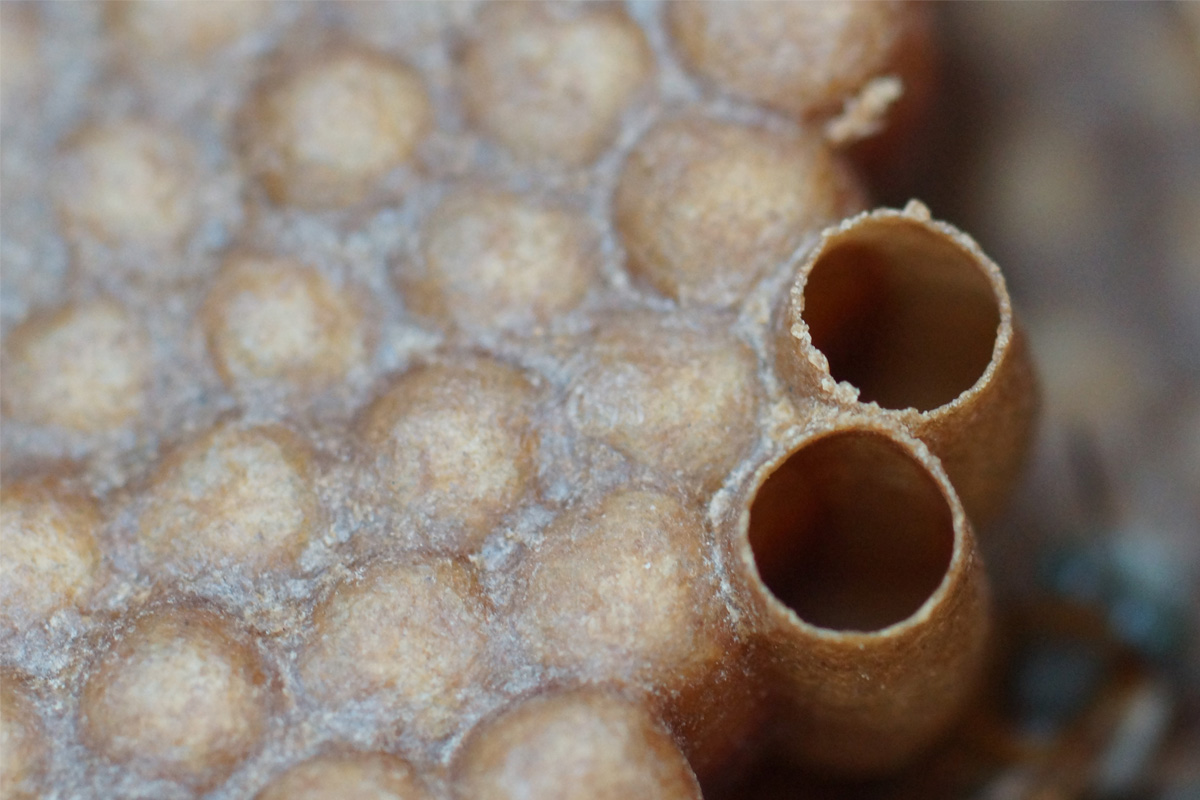

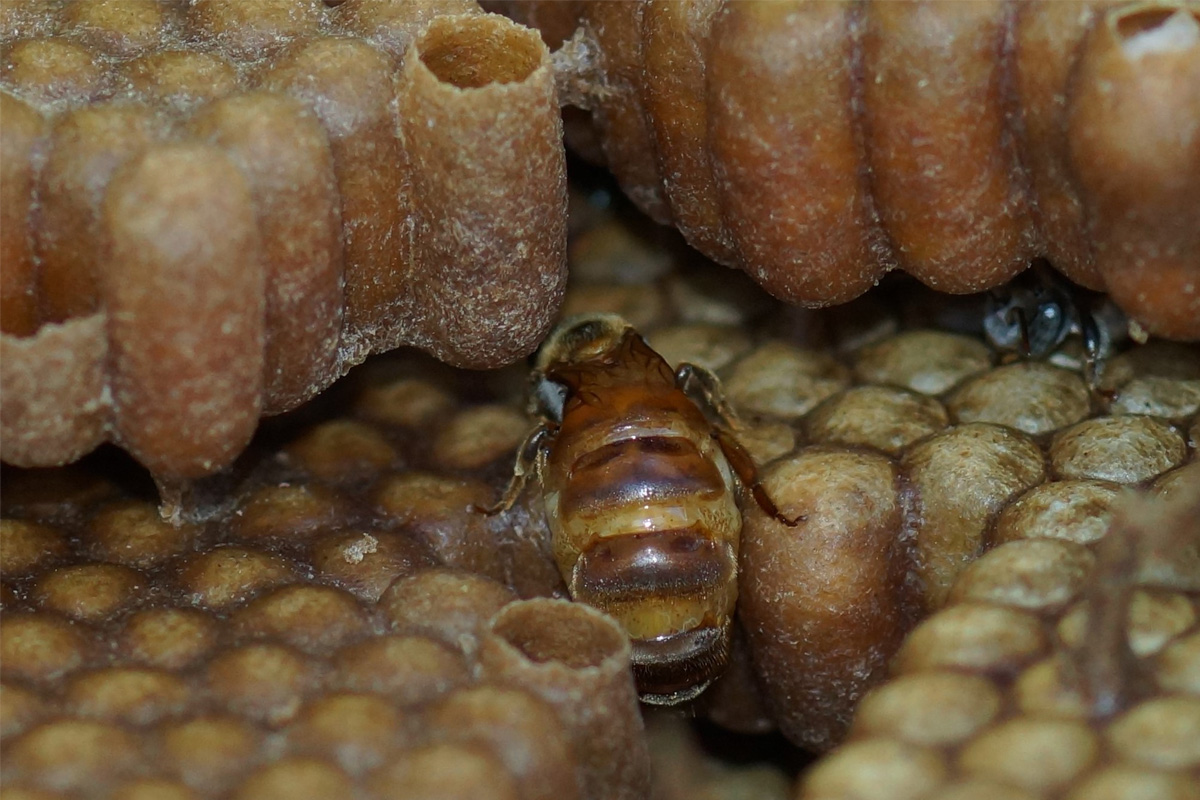
To date, the results achieved through this program have been highly satisfactory and promising. The development of the hives has shown excellent progress, and the rate of colony division has exceeded expectations. These outcomes represent a significant and positive contribution to the recovery of Melipona beecheii, aligning closely with the program’s core objective.
It is important to highlight that the benefits of this program extend well beyond its immediate scope. A remarkable outcome is the natural dispersal of princess bees—young potential queens—from the managed hives. These bees are expected to establish wild colonies independently, choosing nesting sites in trees within the project area or even beyond its boundaries.
Abeja Melipona beecheii resguardando la entrada a su colmena.