Native Bee Conservation

a) Program Background
After three decades of environmental restoration in San Lorenzo, the project has progressively fostered optimal conditions for the presence of a rich and expanding diversity of native bee species.
Native bee species have naturally begun to return to the project area, drawn by its abundant floral resources and establishing hives within its trees.
In light of this ecological resurgence, the Native Bee Rescue Program aims to transform San Lorenzo into a sanctuary for native bees—providing optimal conditions for nesting, reproduction, and foraging.
These are native bee species characteristic of the forests of the Americas—specifically, of the Tropical Dry Forest, a unique ecosystem that once extended along the Pacific coast of Central America, from southern Mexico to Costa Rica’s Guanacaste province, where San Lorenzo is located.
Today, it is estimated that only 2% of the original Tropical Dry Forest remains.
Abejas Nativas - Guayacán Real
The existence of native bees has largely gone unnoticed and remains vastly unknown to most people, who are accustomed to associating bees exclusively with the well-known species Apis mellifera—now widespread across the Americas, yet not native to its forests.
Native bees have been responsible for a significant portion of pollination in the forests of the Americas for tens of millions of years. In contrast, Apis mellifera—the European honeybee, originally from the Mediterranean basin—was introduced to the Americas only a few centuries ago, making its presence relatively recent in ecological terms.
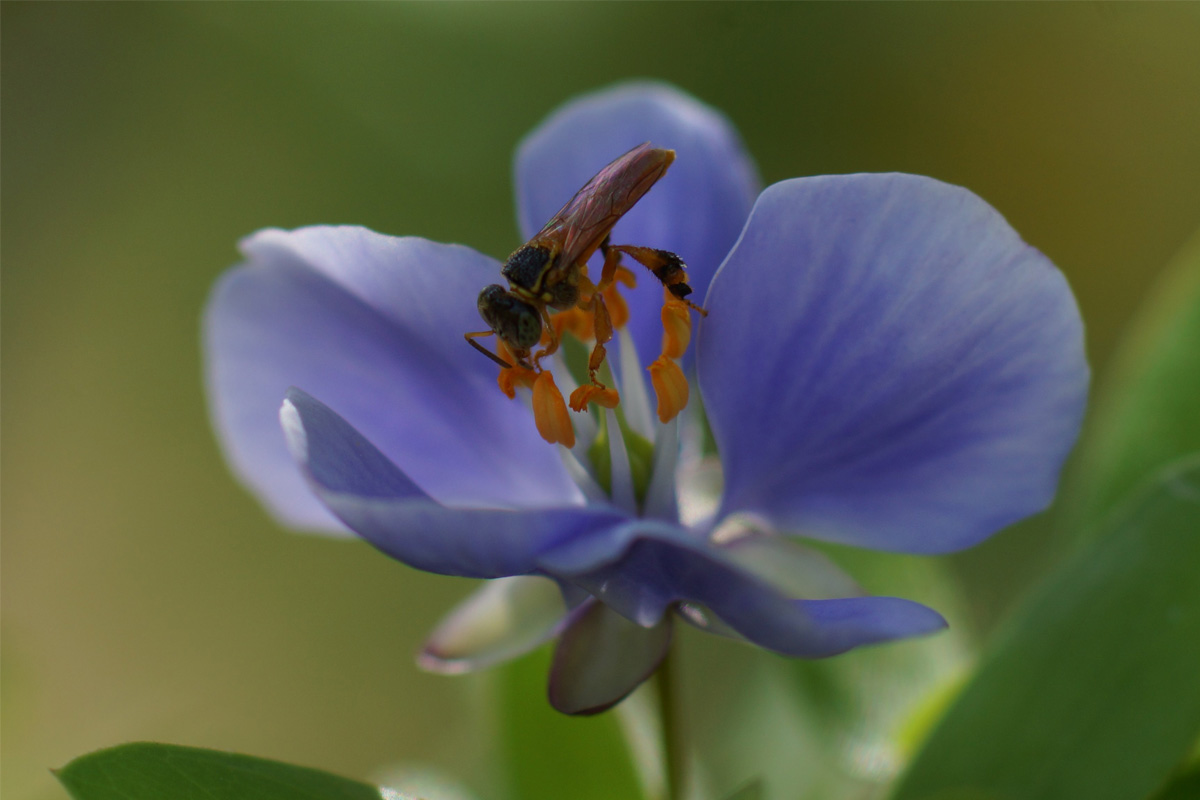
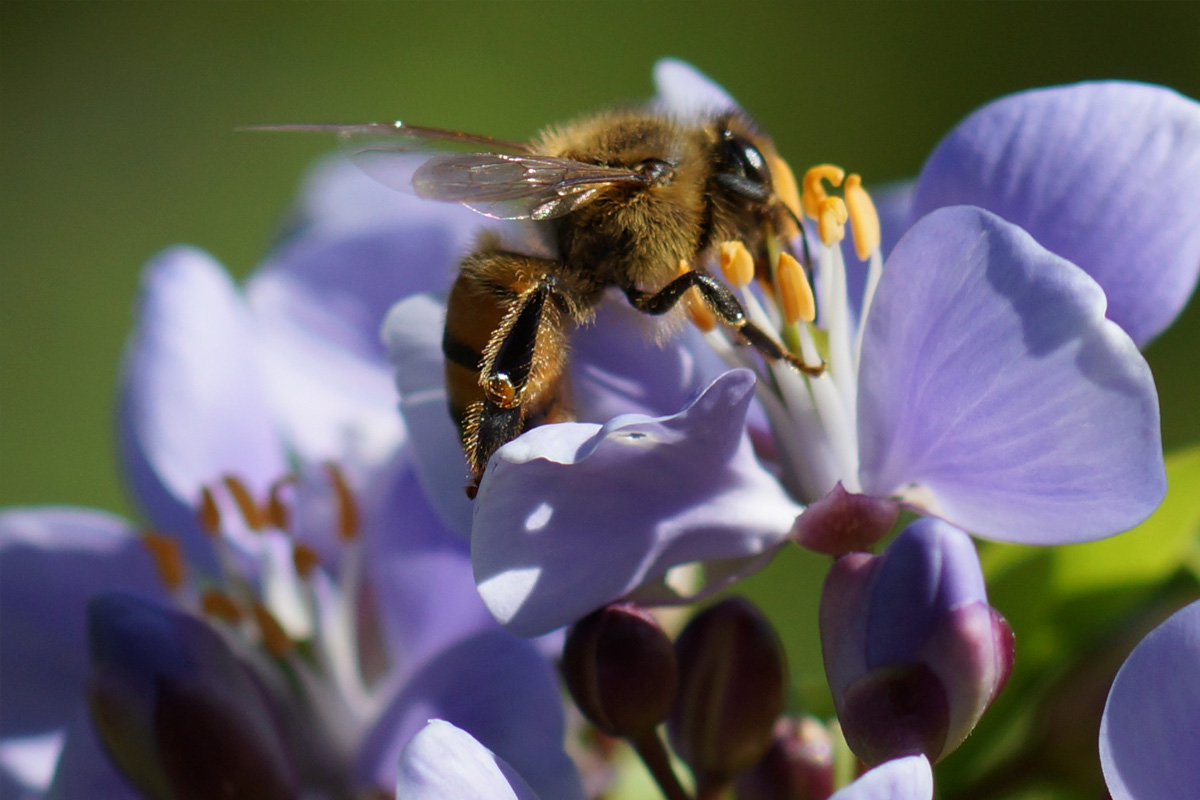
Mariolas visitando la floración del guayacán real
In San Lorenzo, one can observe a variety of native bee species visiting the flowering plants cultivated through the project. It is truly a delight to witness the gentle behavior of Mariola bees (Tetragonisca angustula) as they forage among the blossoms of the real guayacán (Guaiacum sanctum), collecting nectar and pollen while actively contributing to its pollination.
This interaction is especially striking for the deep ecological bond between these two species!
Video: Mariola Bee Visiting the Bloom of the Real Guayacán
San Lorenzo is home to both major types of native bees:
1) These are native bee species that live in colonies, forming highly organized communal societies. A distinctive trait of many of these bees—such as those in the Meliponini tribe—is the absence of a stinger, which means they cannot sting. These bees produce and store honey, and they are exceptional pollinators.

Colony of native bees of the species Chicopipe (Nannotrigona perilampoides) nesting inside a branch of a Genízaro tree (Samanea saman) in San Lorenzo.
2) Solitary Native Bees These are native bee species that do not live in colonies, but rather reproduce in individual nests, solitary native bees do not produce or store honey. However, they are widely recognized as extraordinary and highly specialized pollinators, their ecological value and contribution to ecosystems is immense.
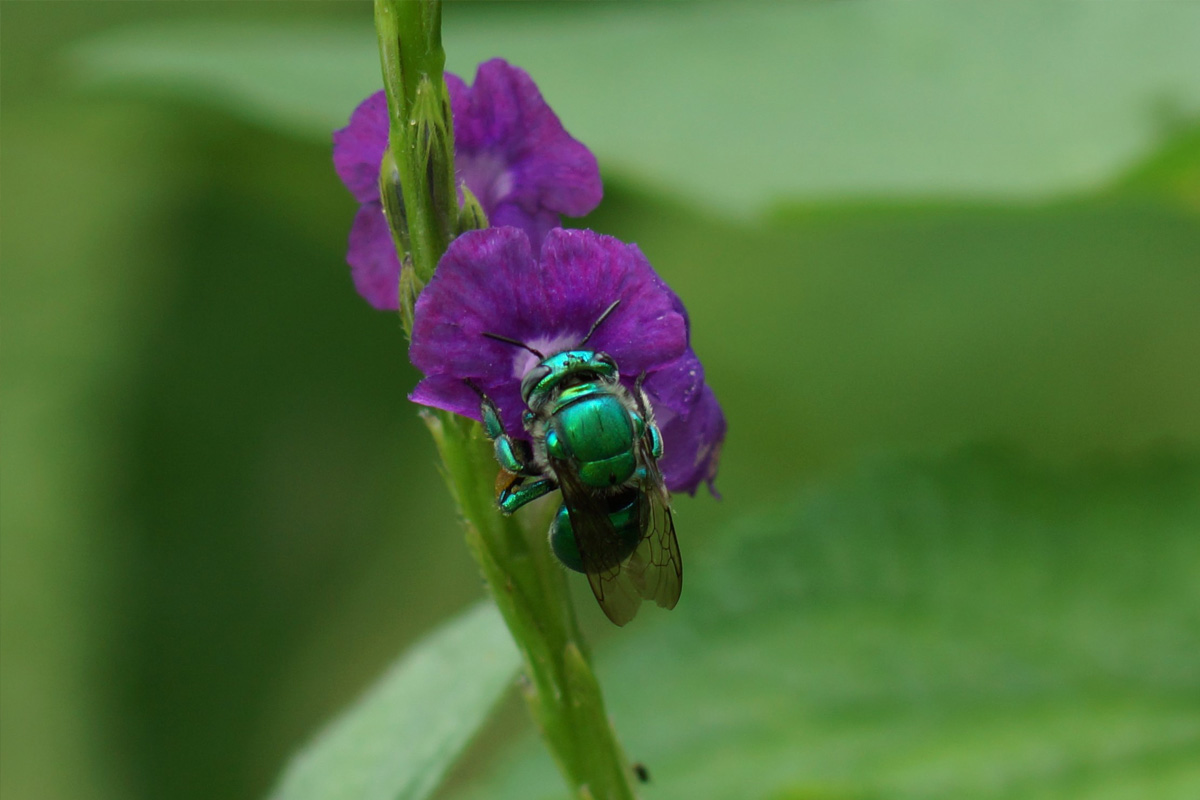
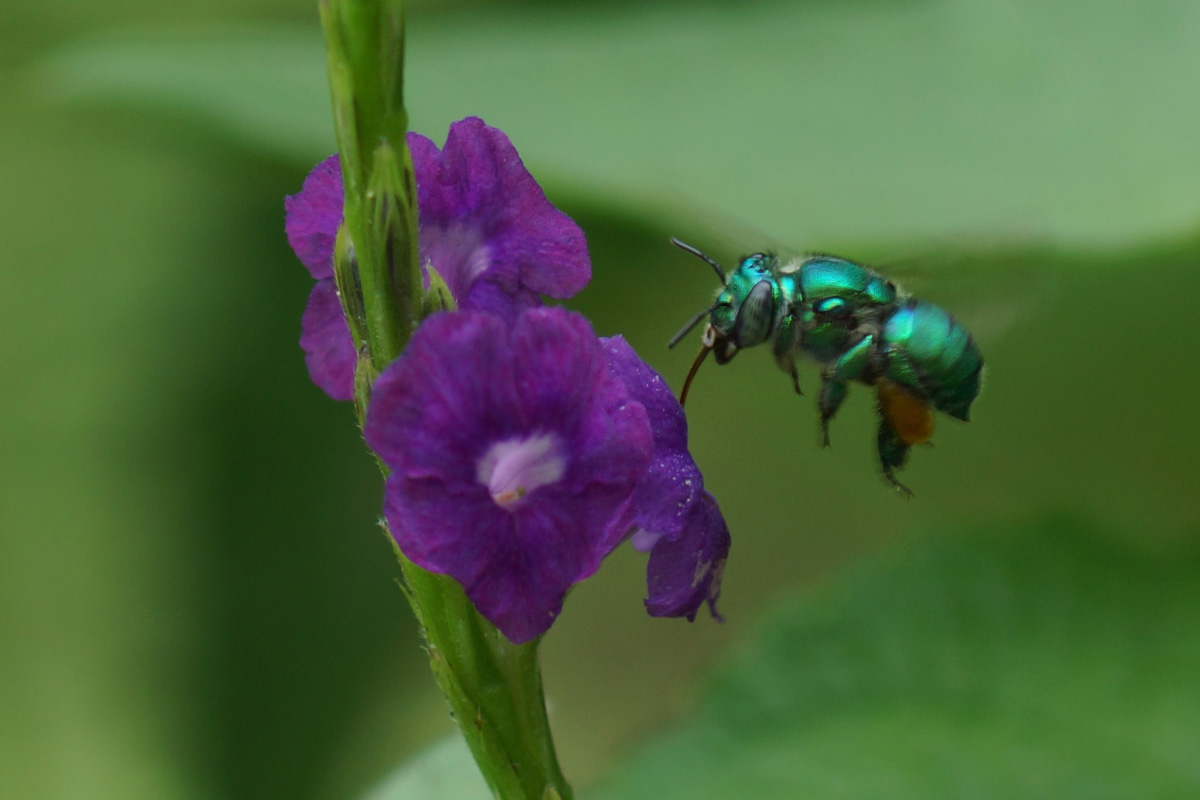
Solitary bee of the genus Euglossa spp. visiting a Stachytarpheta spp. flower in San Lorenzo.
The remarkable ability of Apis mellifera to produce honey and wax—precisely the trait that motivated its introduction to the Americas centuries ago—has, unfortunately, led to a significant displacement and decline in interest toward native stingless bee species, whose honey production is significantly lower in quantity.
In addition to their extraordinary capacity as pollinators—and thus, their invaluable role in ecosystems—science is only just beginning to uncover the immense medicinal potential found in the honeys produced by stingless native bees.
We are pleased to be contributing to the advancement of scientific knowledge by making the native bee colonies of San Lorenzo available to the scientific community., these colonies are already being utilized in high-impact research.

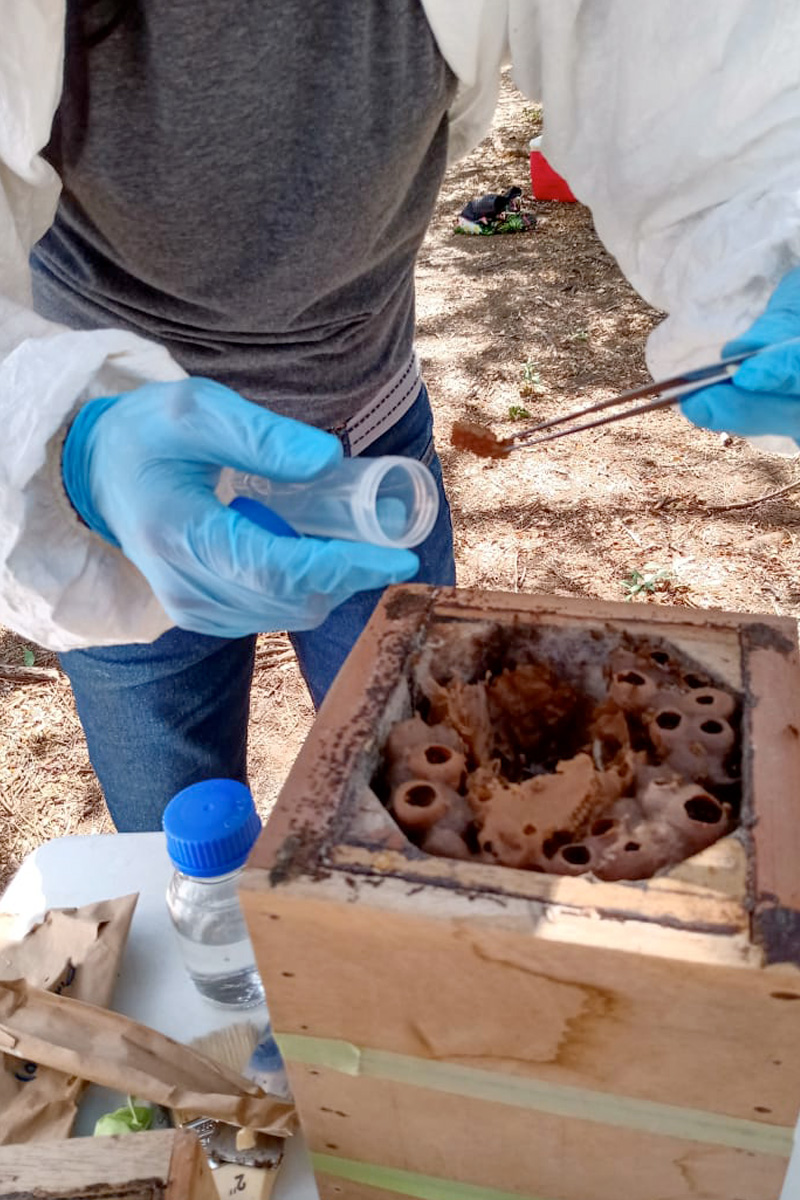


The reasons outlined above—combined with urgent conservation and biodiversity concerns—clearly demonstrate the critical importance of rescuing, protecting, and studying native bees, with the goal of increasing their populations, which are also facing a troubling decline.
b) Scope of the program
Activities Included in the Native Bee Rescue Program
- The care and protection of stingless native bee colonies that have naturally established themselves in cavities and hollows of trees within the project area. These colonies are found primarily in the few remaining old-growth trees that were already present on the San Lorenzo property at the start of the project—trees that are likely to be centuries old.

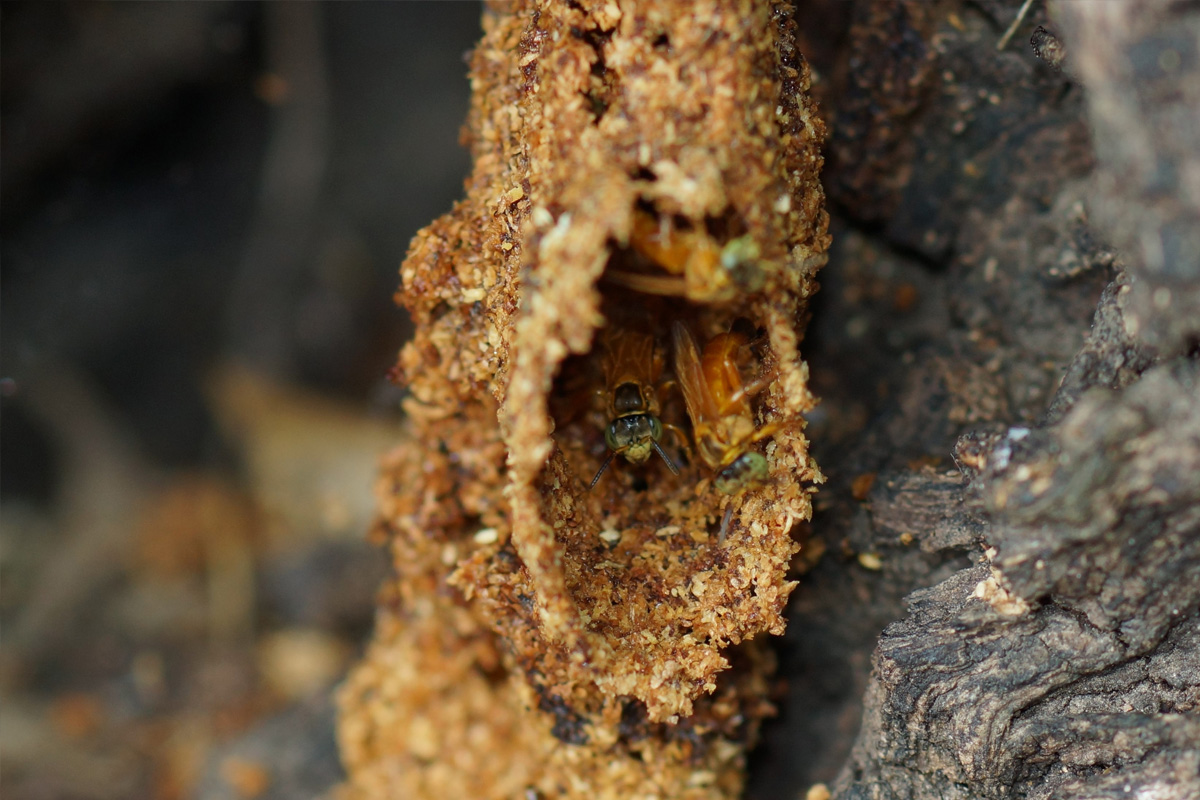
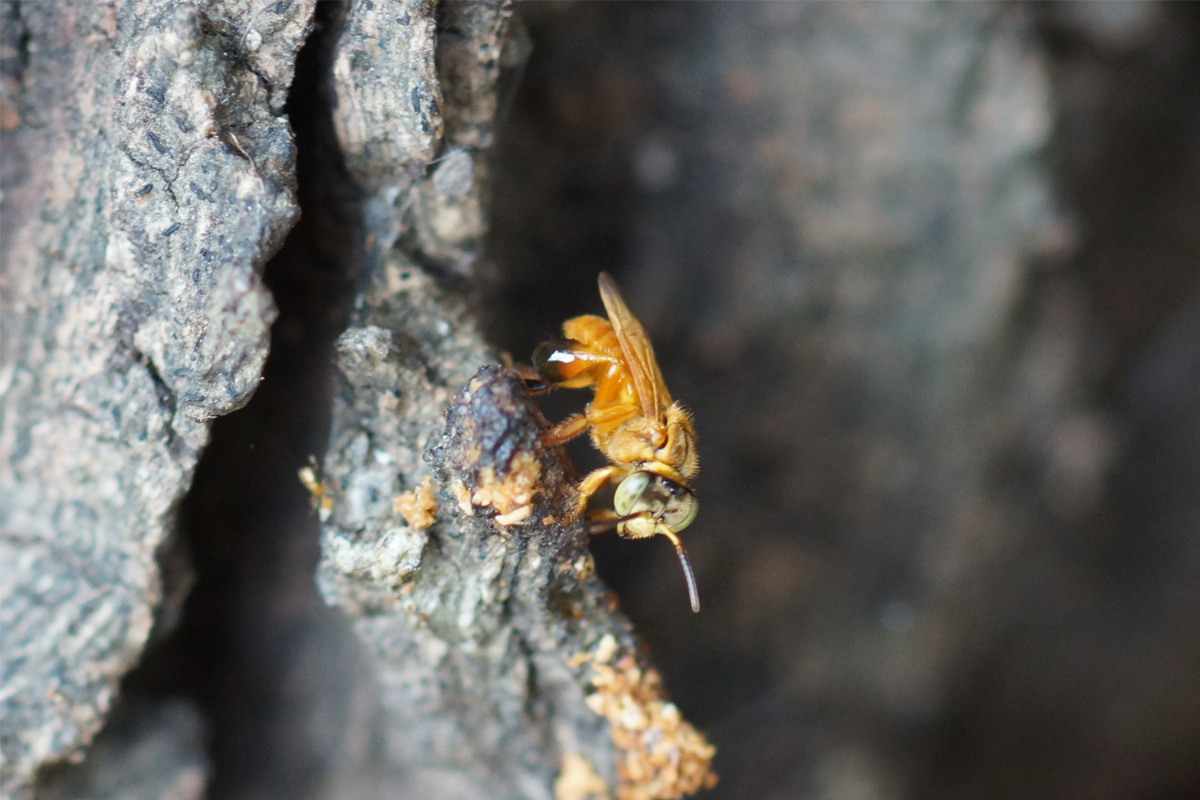
Entrance of a “Mariolón” (Tetragona zieglerie) Bee Colony Located in a Cavity of an Ancient Pisonia macrantocarpa Tree
-
The program has redirected its reforestation strategy to prioritize tree, shrub, and plant species known for their capacity to provide nectar, pollen, oils, and resins essential to native bees. This approach—referred to as eco-reforestation—serves as the foundational platform for the native bee rescue initiative.

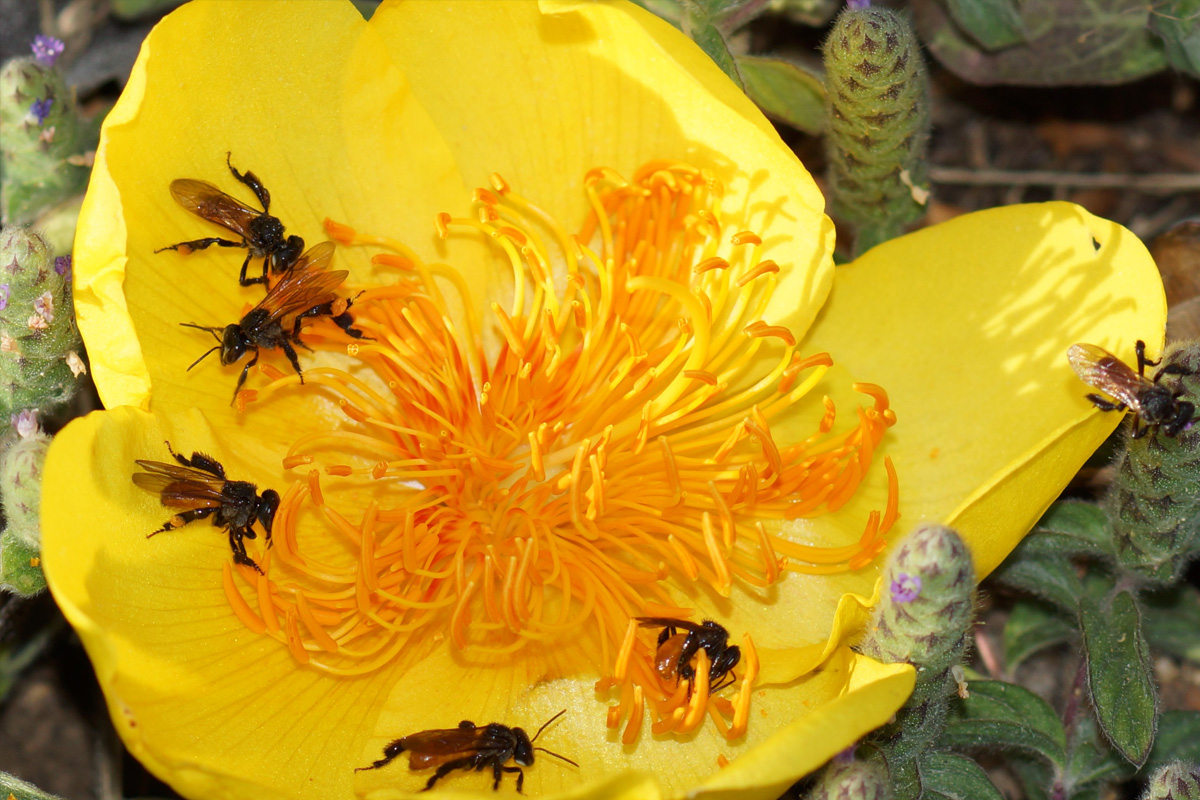
Bees (Trigona fulviventris) foraging on a flower of the poro-poro tree (Cochlospermum vitifolium) recently dislodged and brought to the ground by the wind. The poro-poro tree species (Cochlospermum vitifolium) has been one of the cornerstone selections within the reforestation program focused on supporting native bee populations.
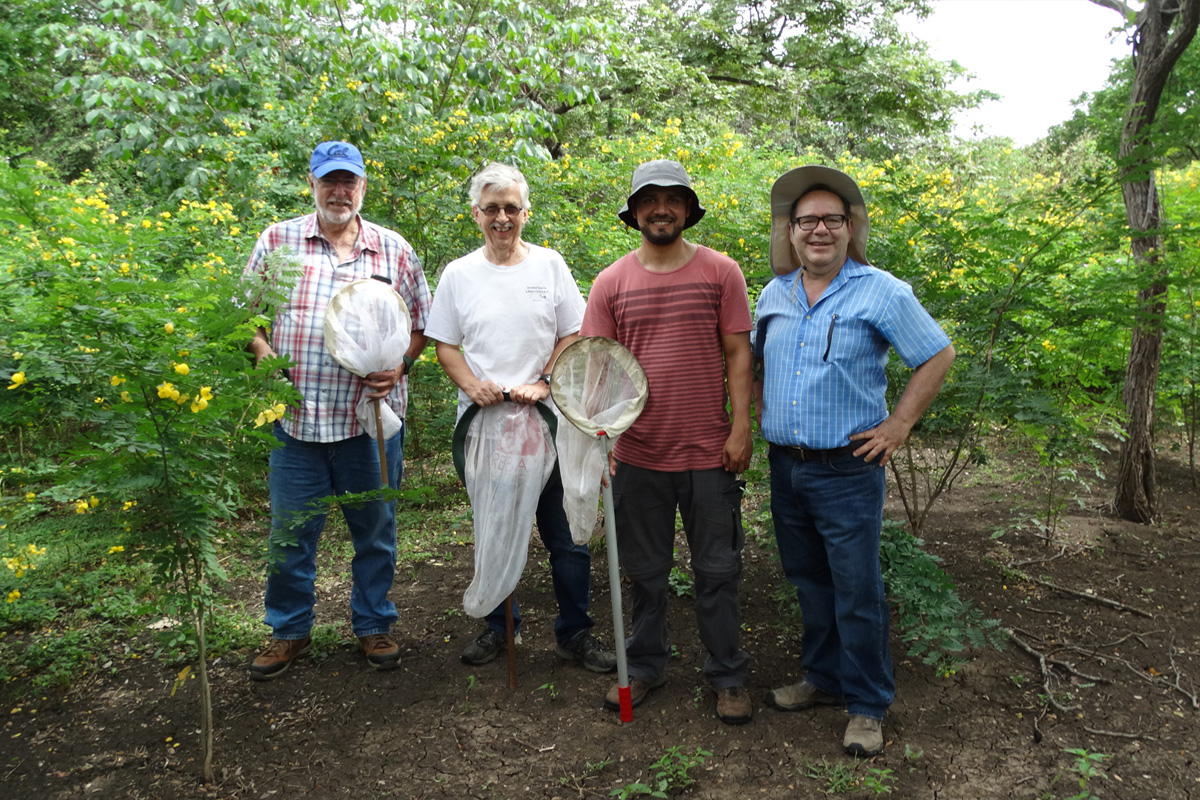
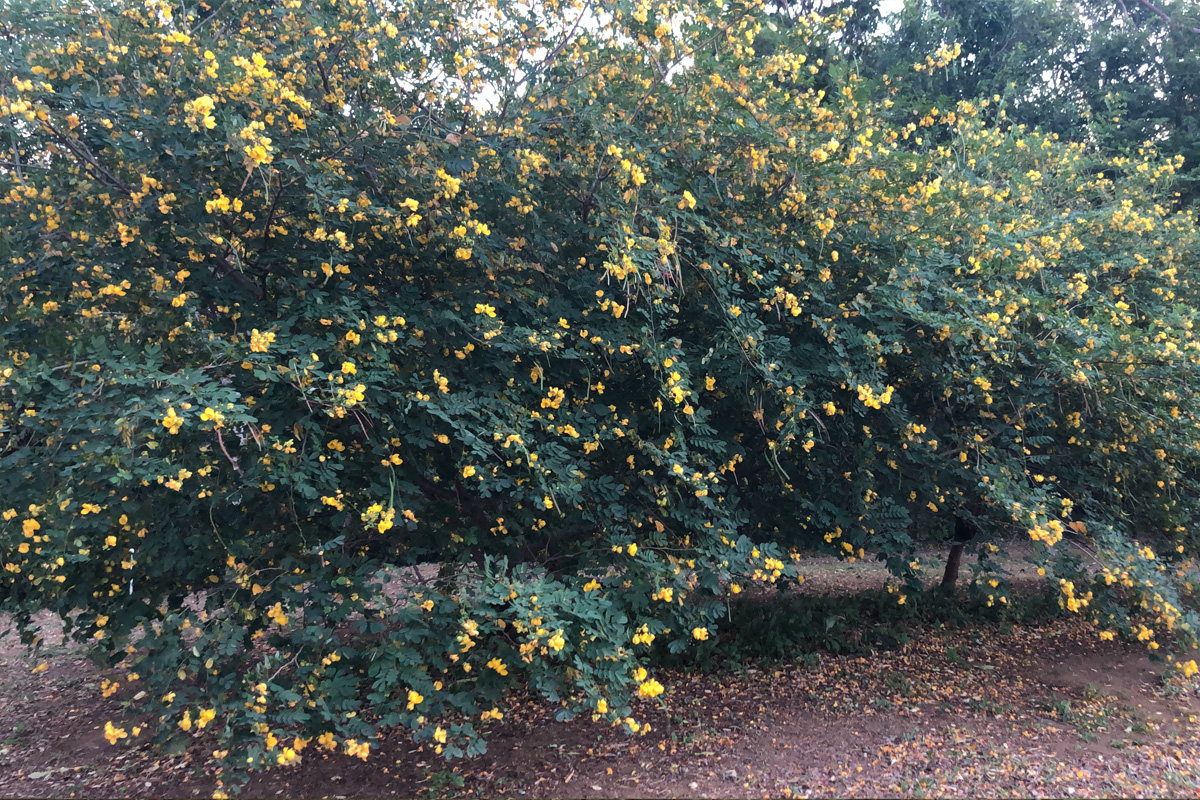
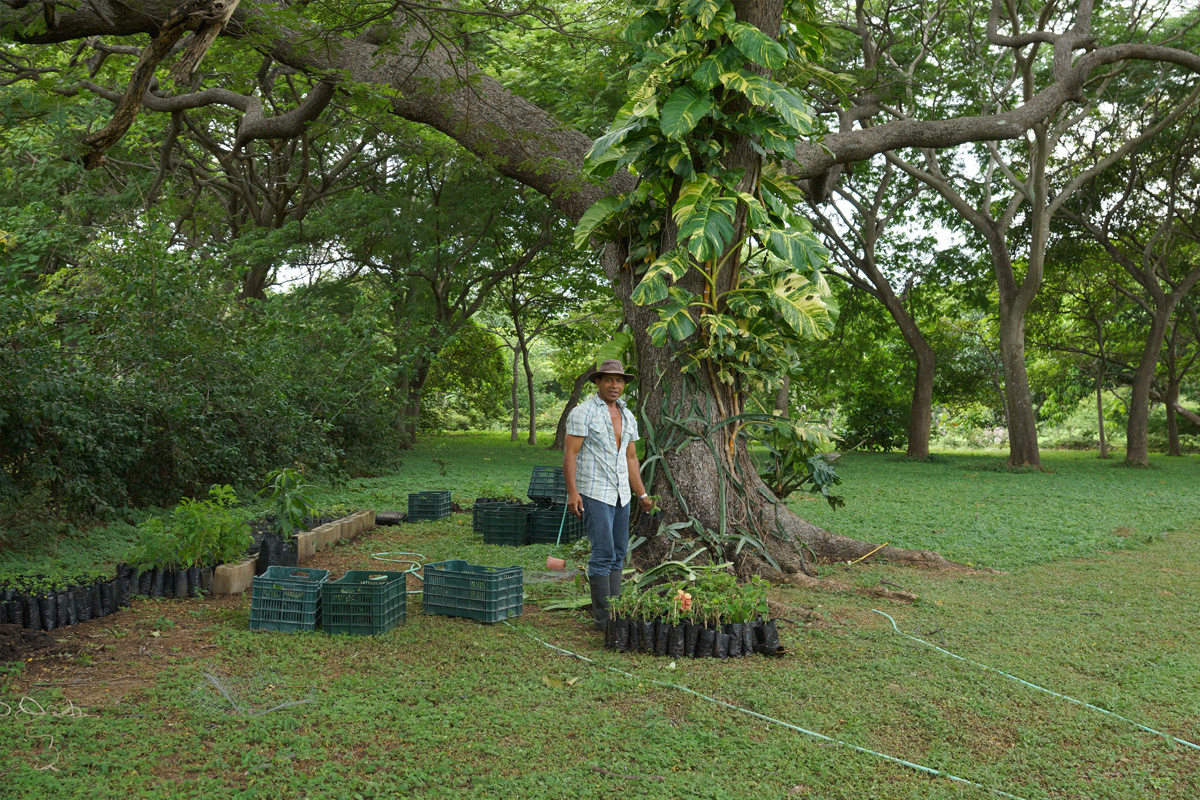
Dr. Gordon Frankie, from the University of California, Berkeley, expresses great satisfaction upon observing the flowering of the Senna pallida (abejoncillo) plantation in San Lorenzo—an initiative born from his expert recommendations on suitable species for native pollinators. He is accompanied by Drs. Paul Hanson and Mauricio Fernández from the University of Costa Rica. On the right stands Engineer Rodolfo González, Director of the Guayacán Real Project.
-
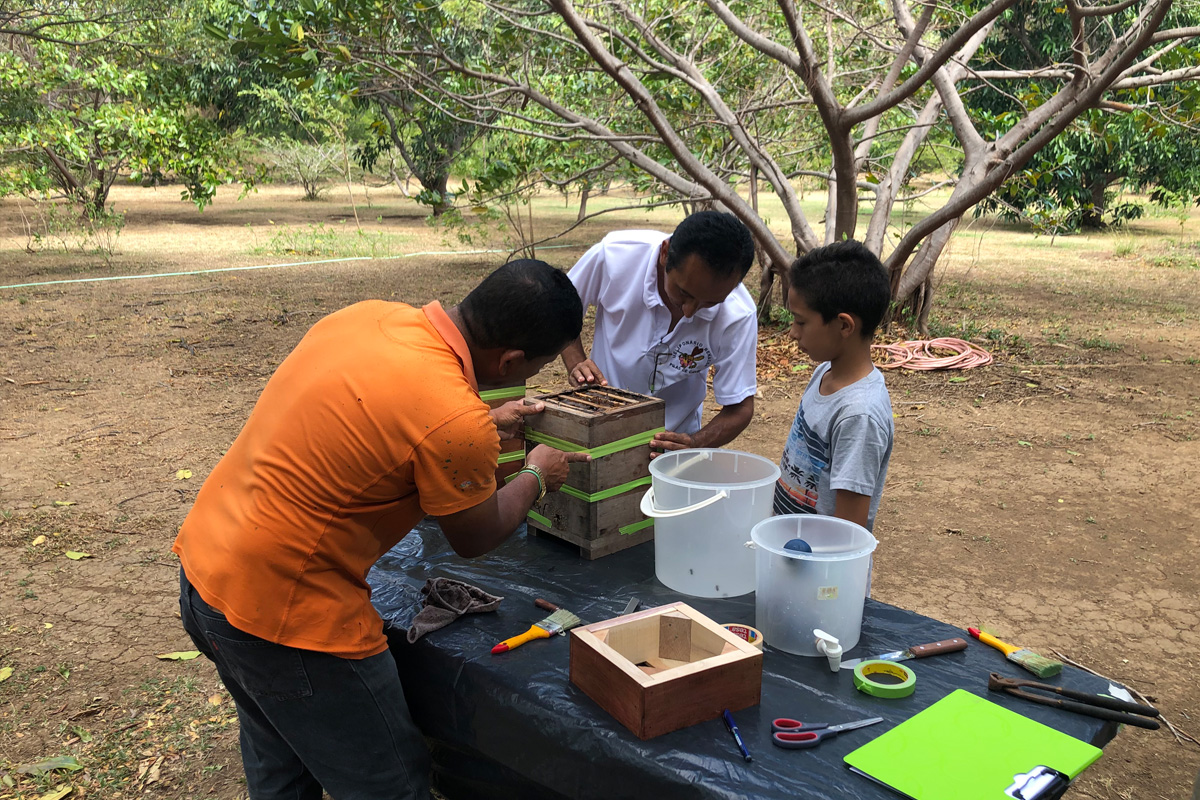
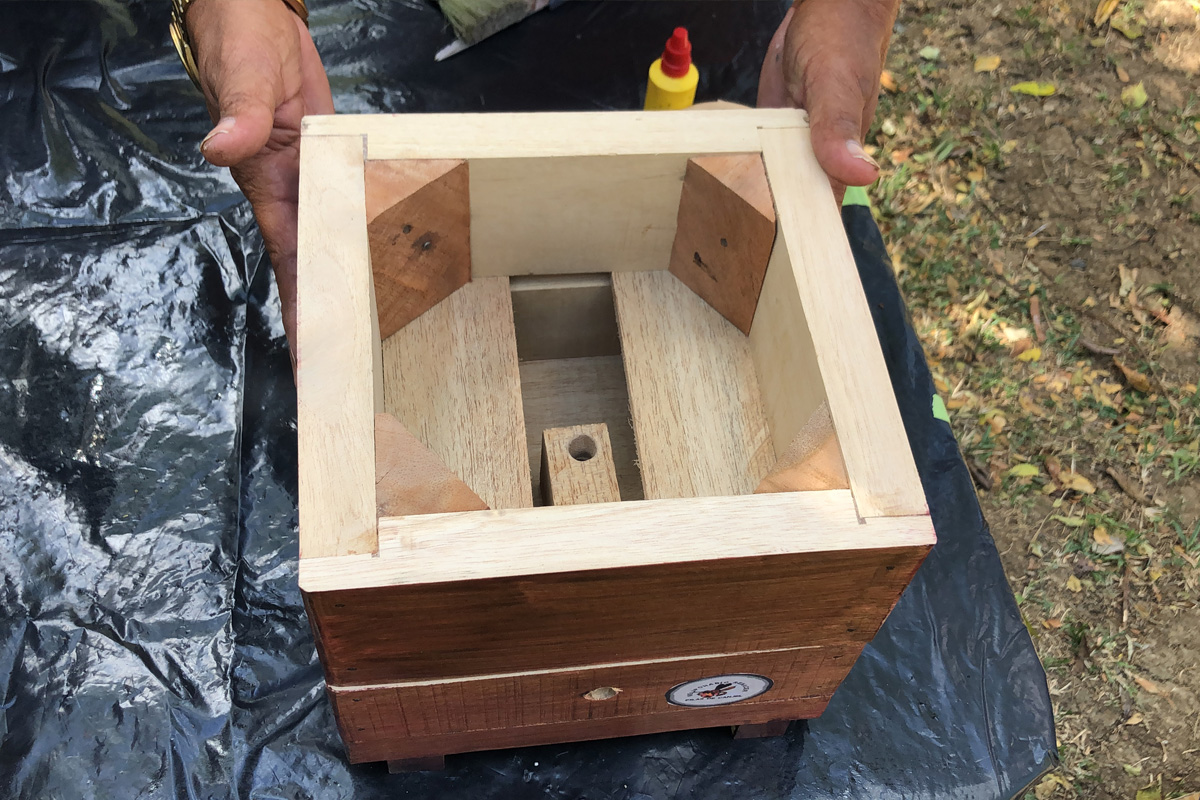
- As part of the native bee conservation initiative, colonies are being established in specialized rational hives—wooden enclosures expertly designed and constructed to provide optimal conditions for colony growth and reproduction. These hives support the natural division of colonies, thereby facilitating the expansion of native bee populations.
These hives are strategically placed within the project site inside metal-framed structures equipped with roofing and lateral sunshades, designed to provide essential care and protection for native bee colonies.
- As part of the native bee conservation initiative, colonies are being established in specialized rational hives—wooden enclosures expertly designed and constructed to provide optimal conditions for colony growth and reproduction. These hives support the natural division of colonies, thereby facilitating the expansion of native bee populations.
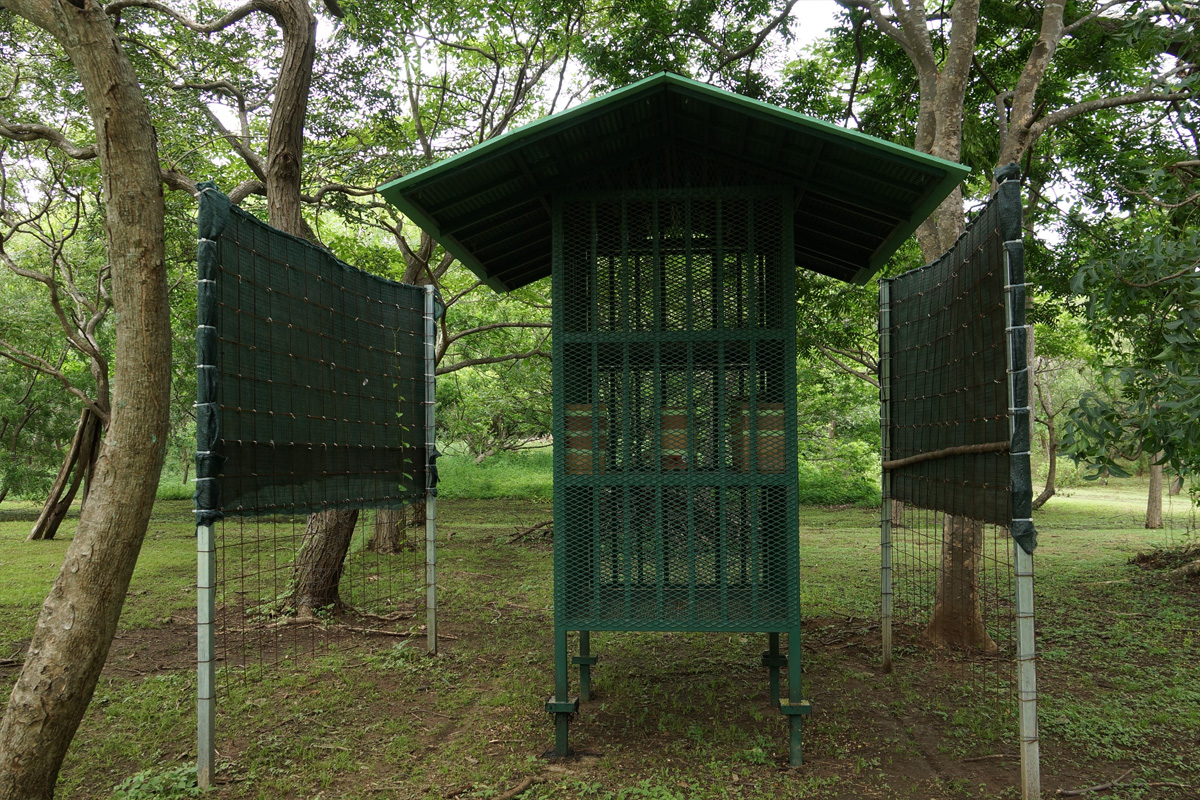
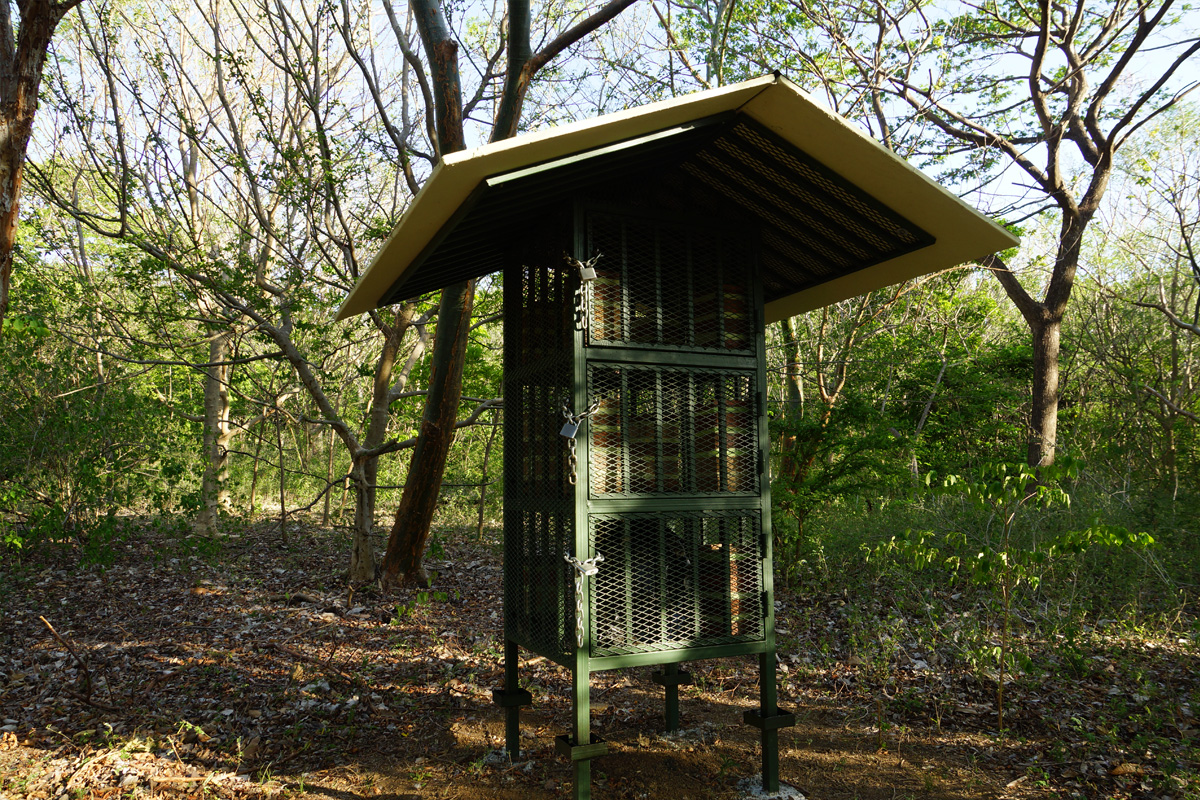
Metal Enclosures with Roofing and Lateral Sun Screens Housing Rational Hives for Native Bee Colonies.
The hive division process has offered a unique opportunity to closely observe and appreciate the fascinating world of native stingless bees.
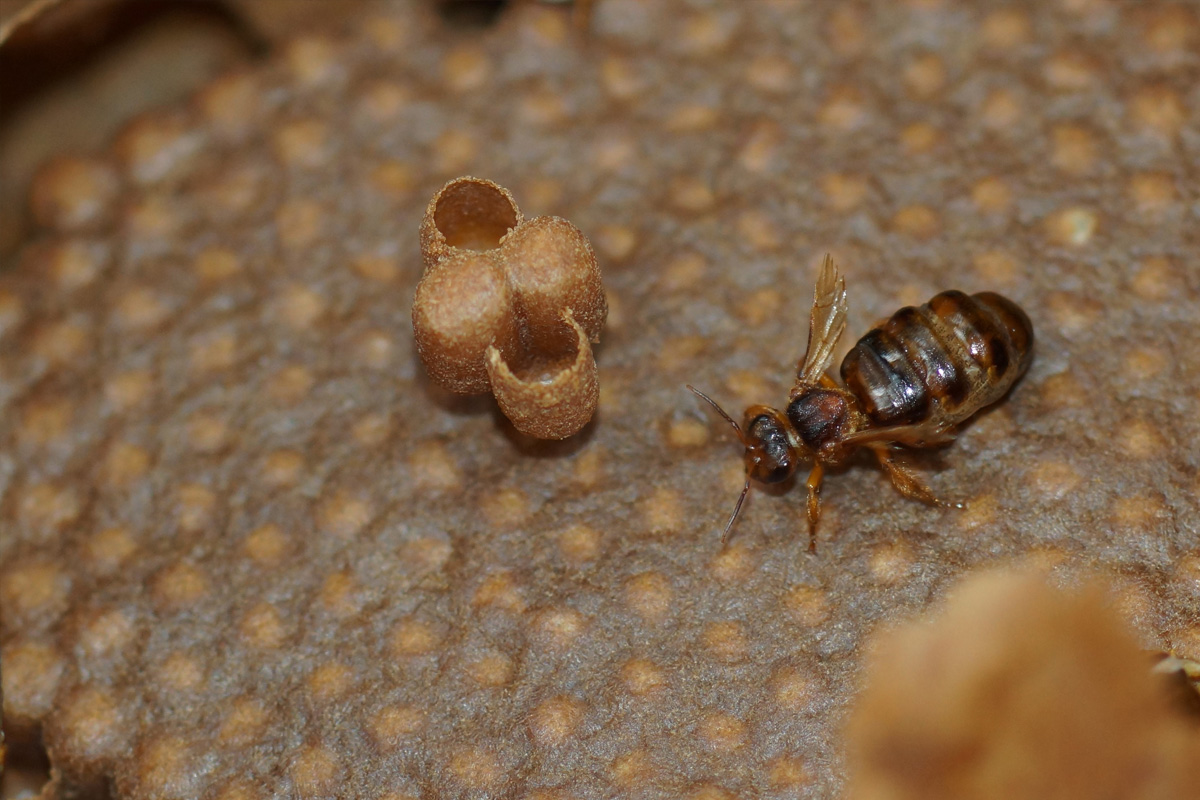
1) Queen Bee of the Soncuano Species (Scaptotrigona pectoralis) in the Brood Section of the Hive.
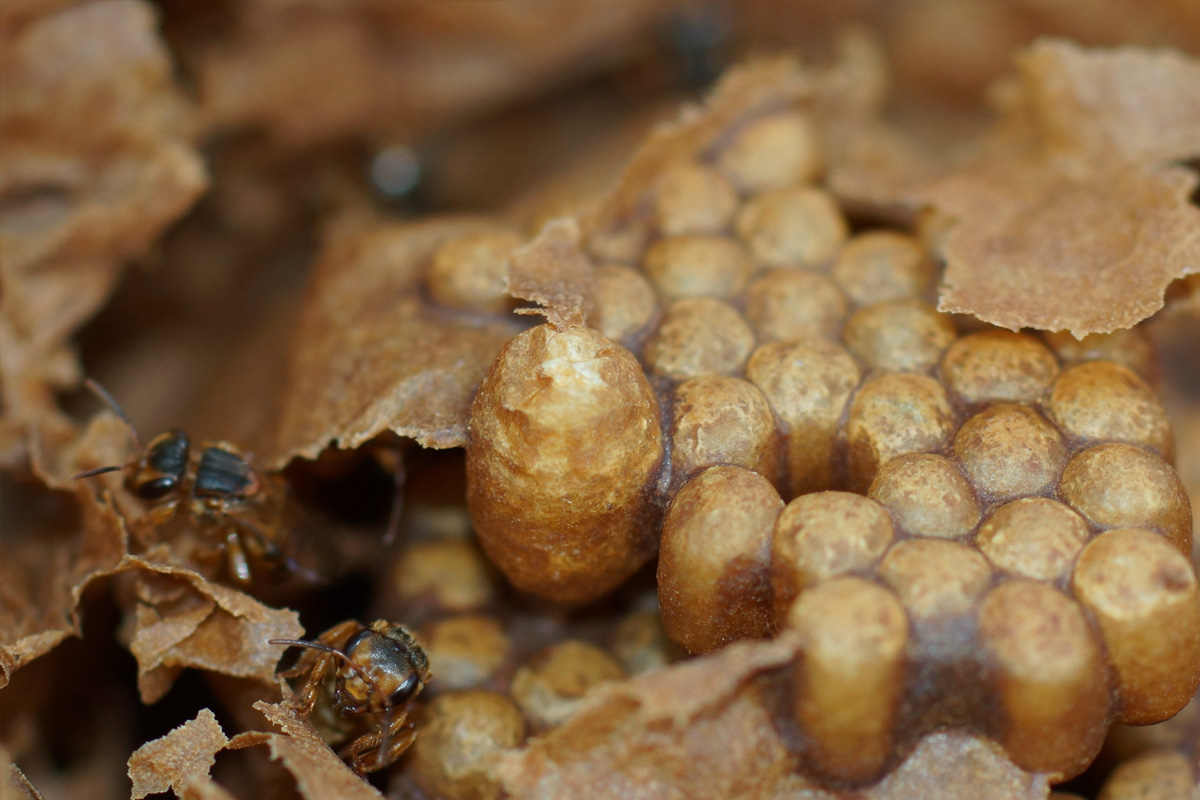
2) Egg of a Future Queen Bee of the Soncuano Species (Scaptotrigona pectoralis) Beside Worker Bee Eggs.
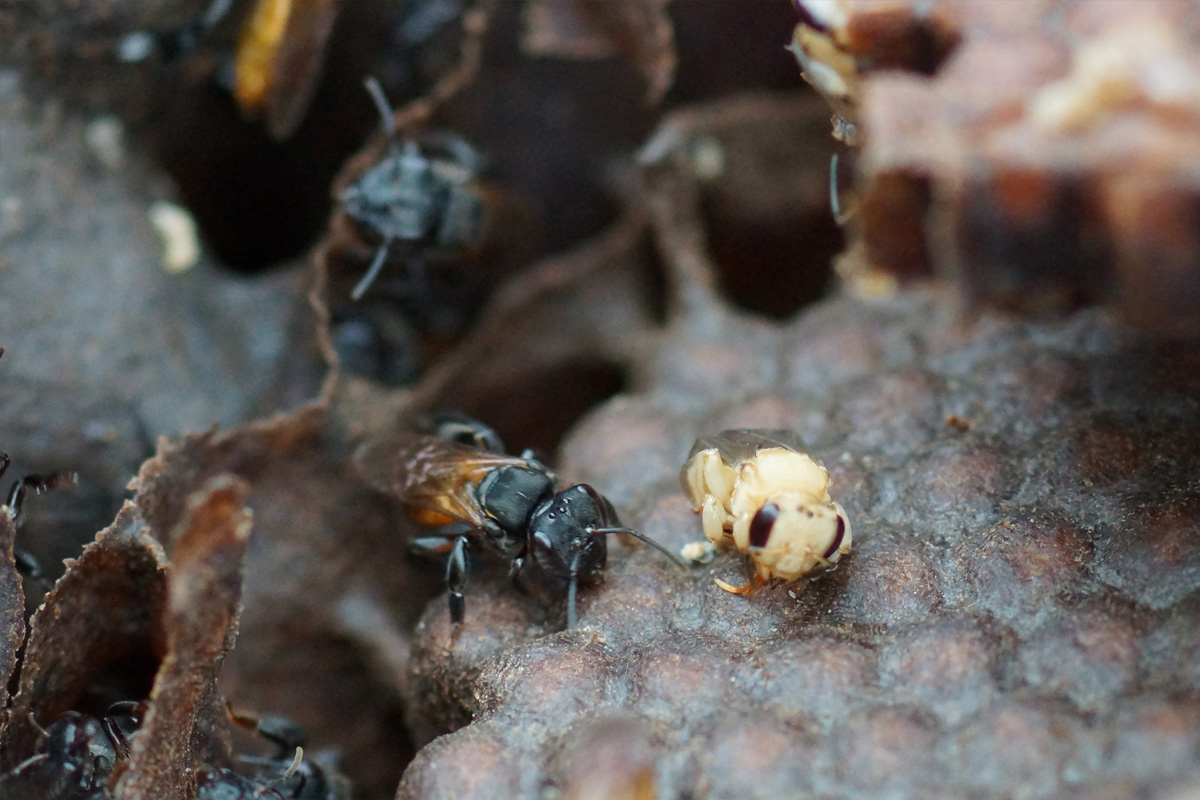
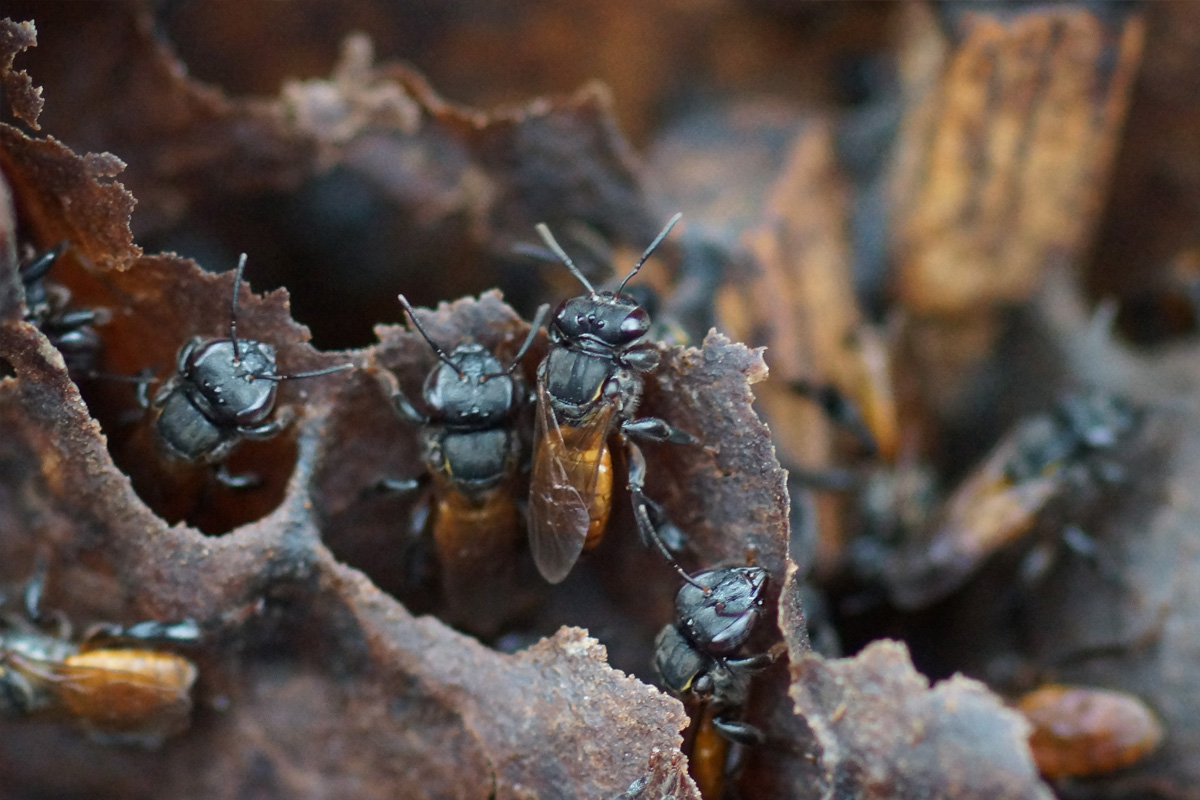
1) Tamagá Bee (Cephalotrigona zexmeniae) Emerging from Its Egg
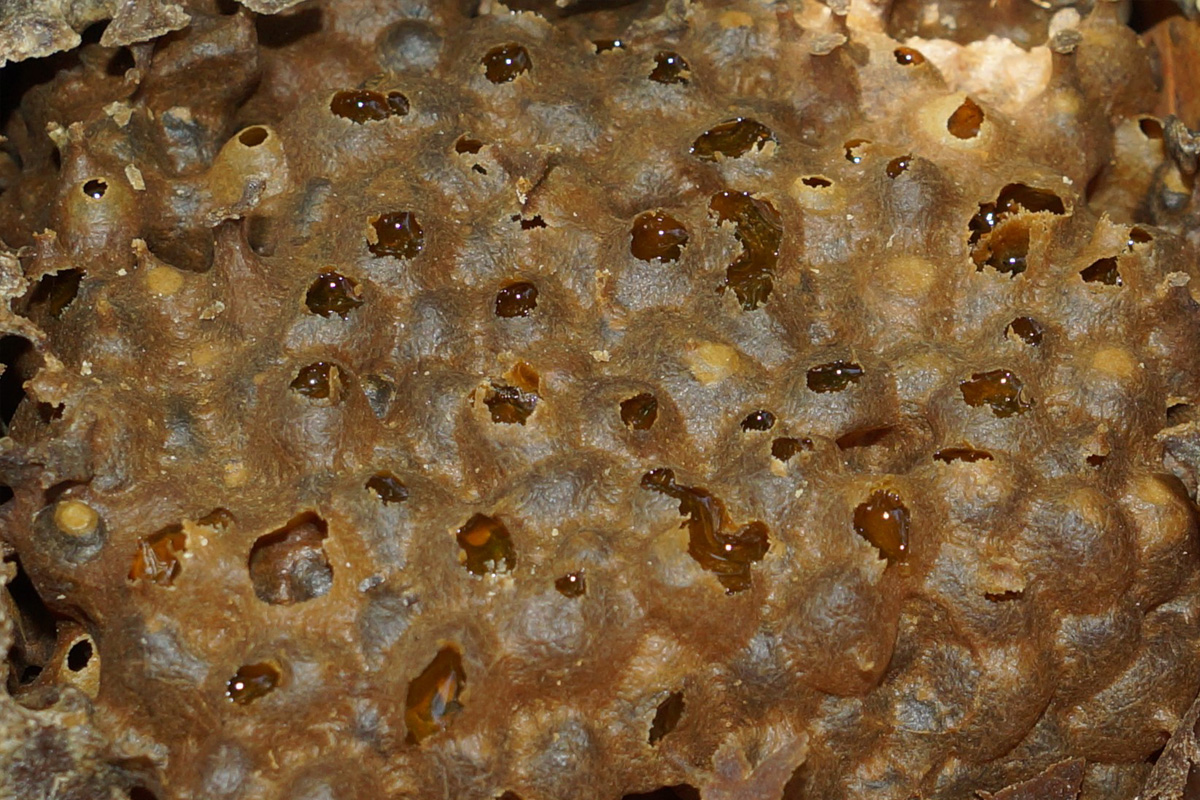
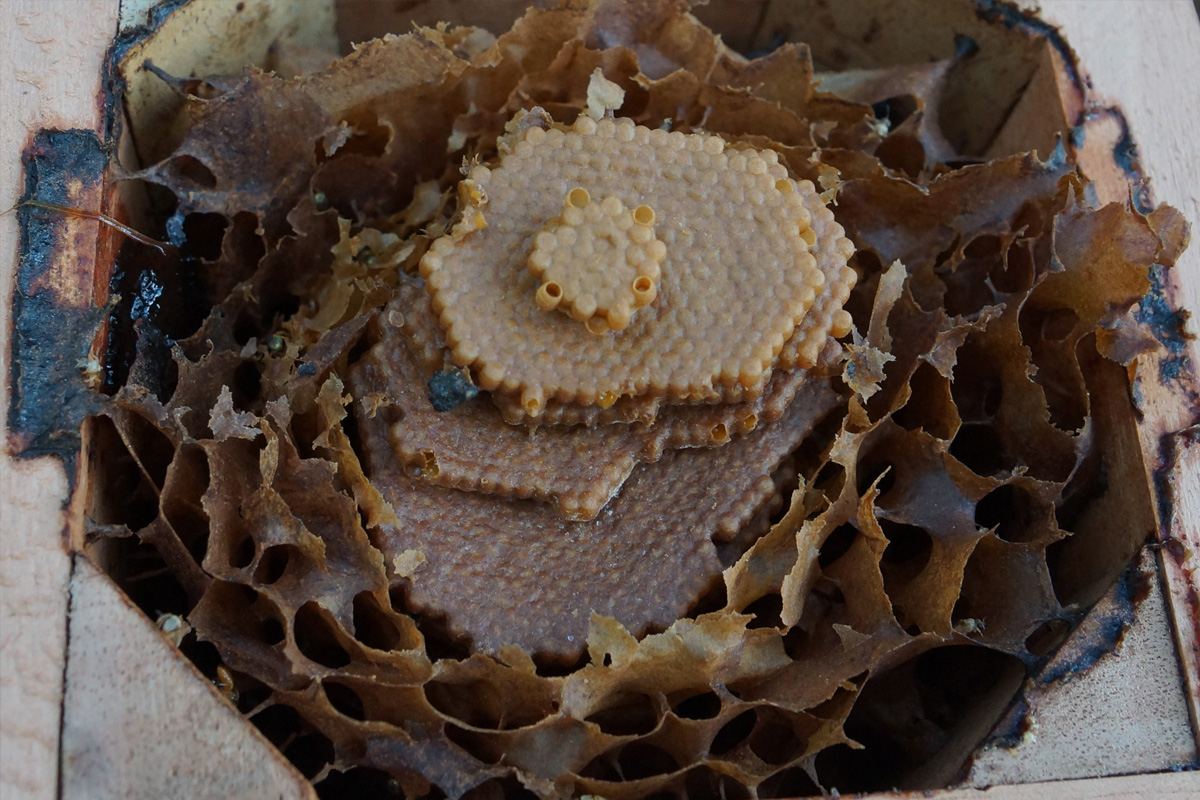
2) Worker Bees of the Tamagá Species (Cephalotrigona zexmeniae) Constructing the Storage Section of the Hive.
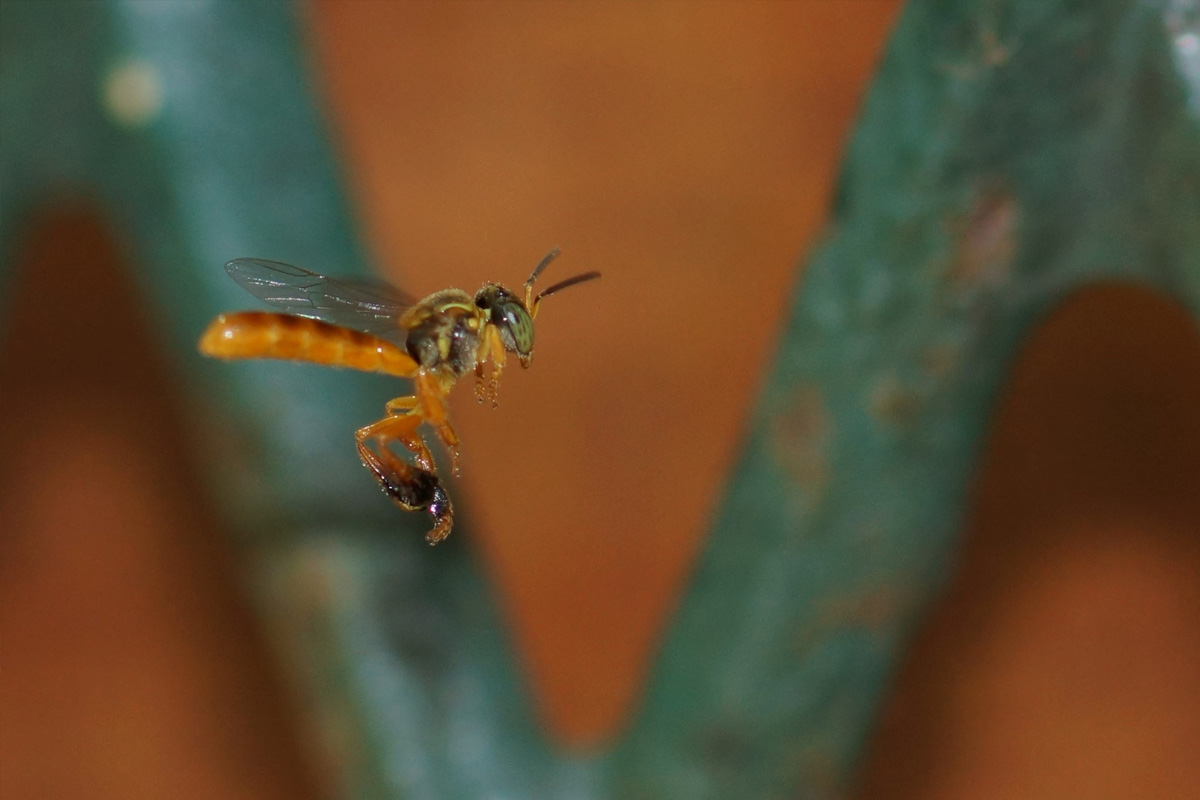
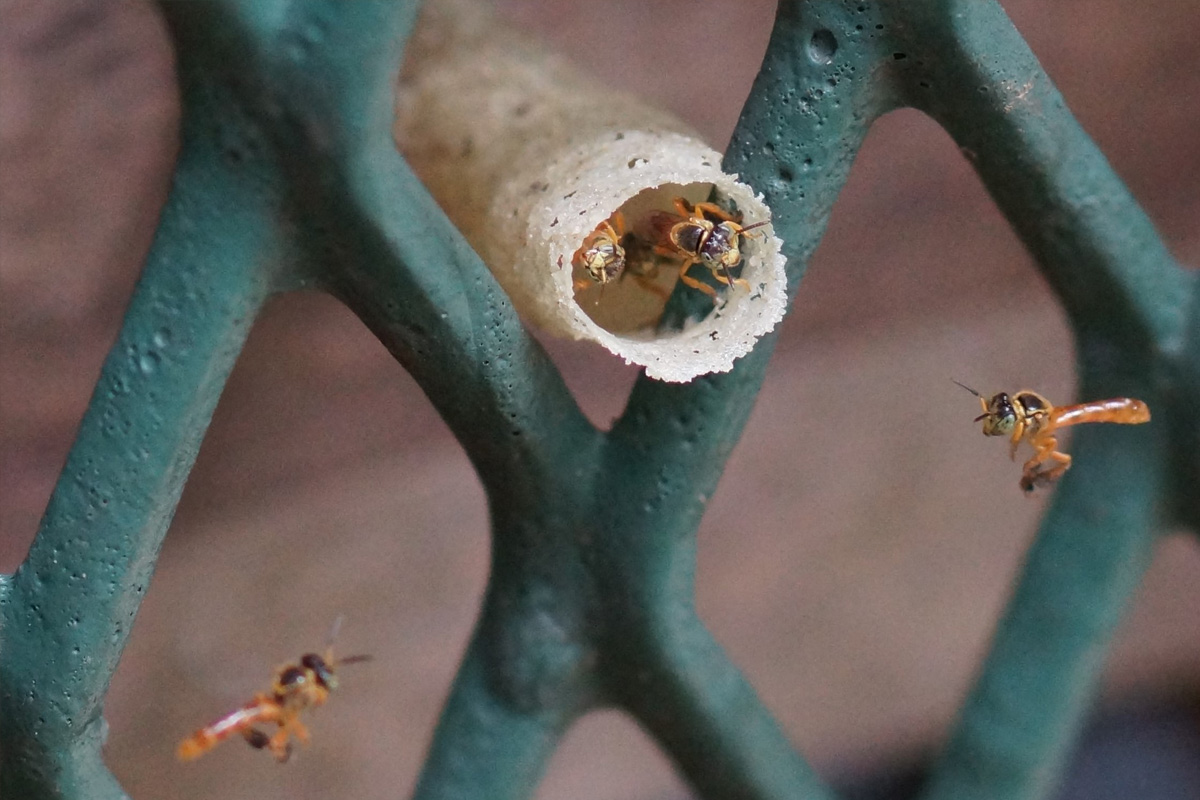
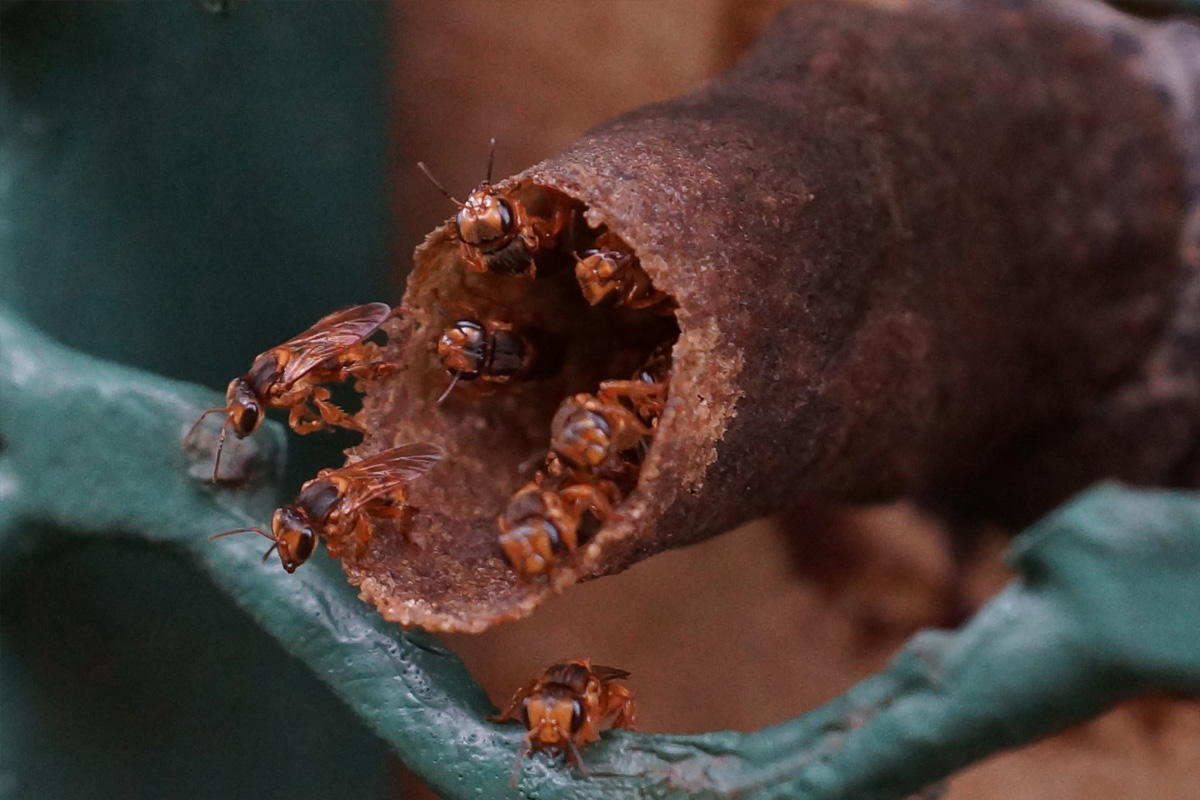
1) Mariola Bee (Tetragonisca angustula) Returning to Its Technified Rational Hive.
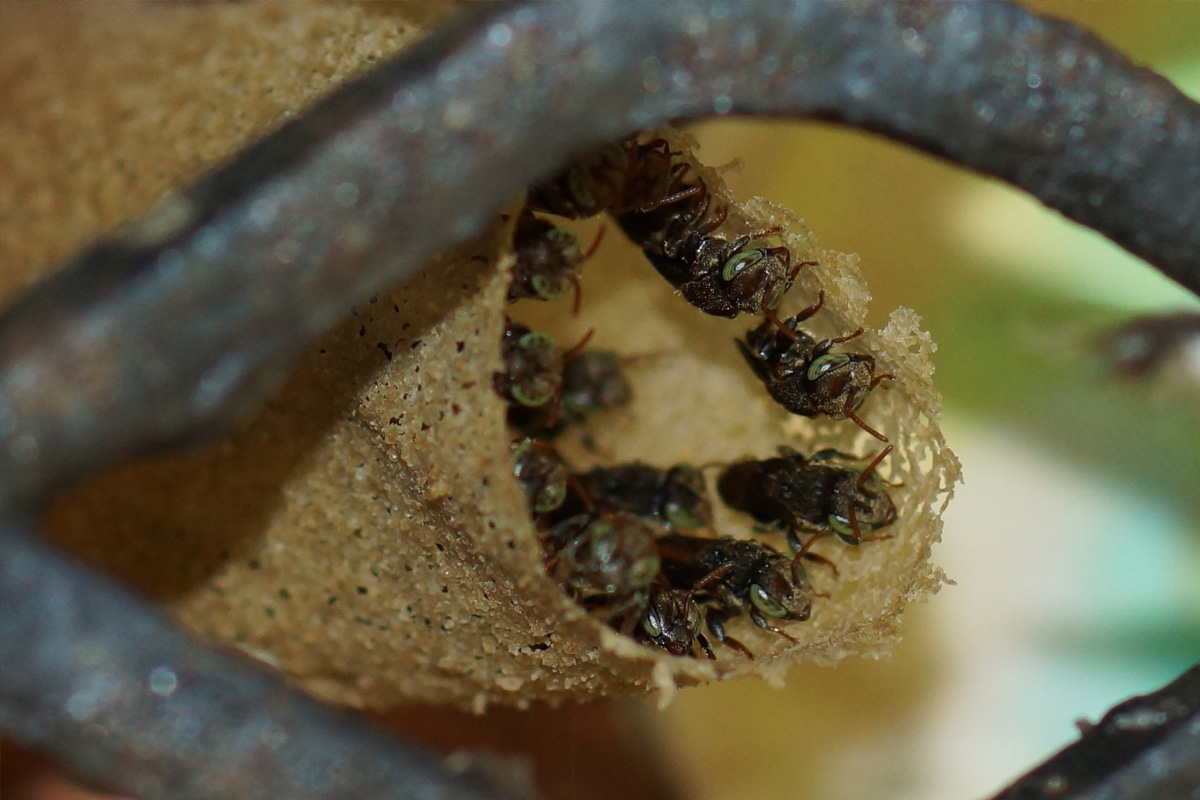
2) Detail of How Mariola Bees (Tetragonisca angustula) Extended Their Entrance Tube into the Metal Enclosure.
-
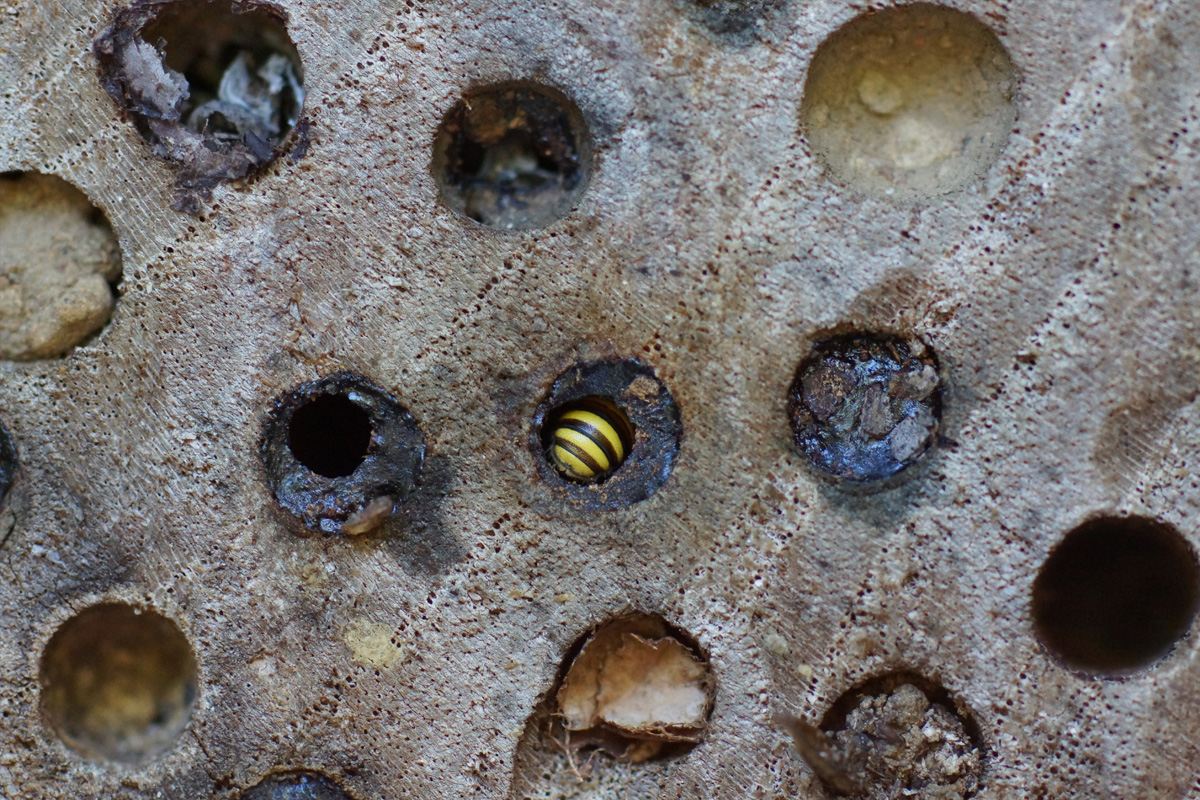
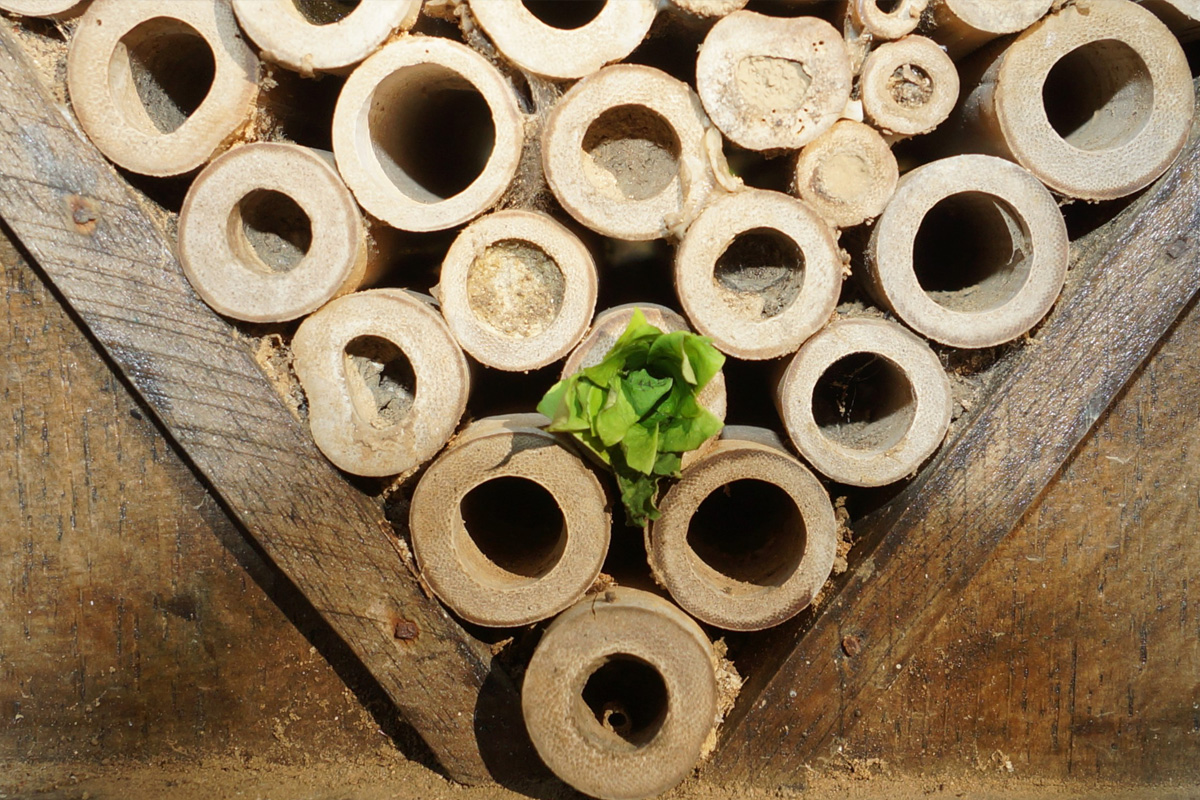
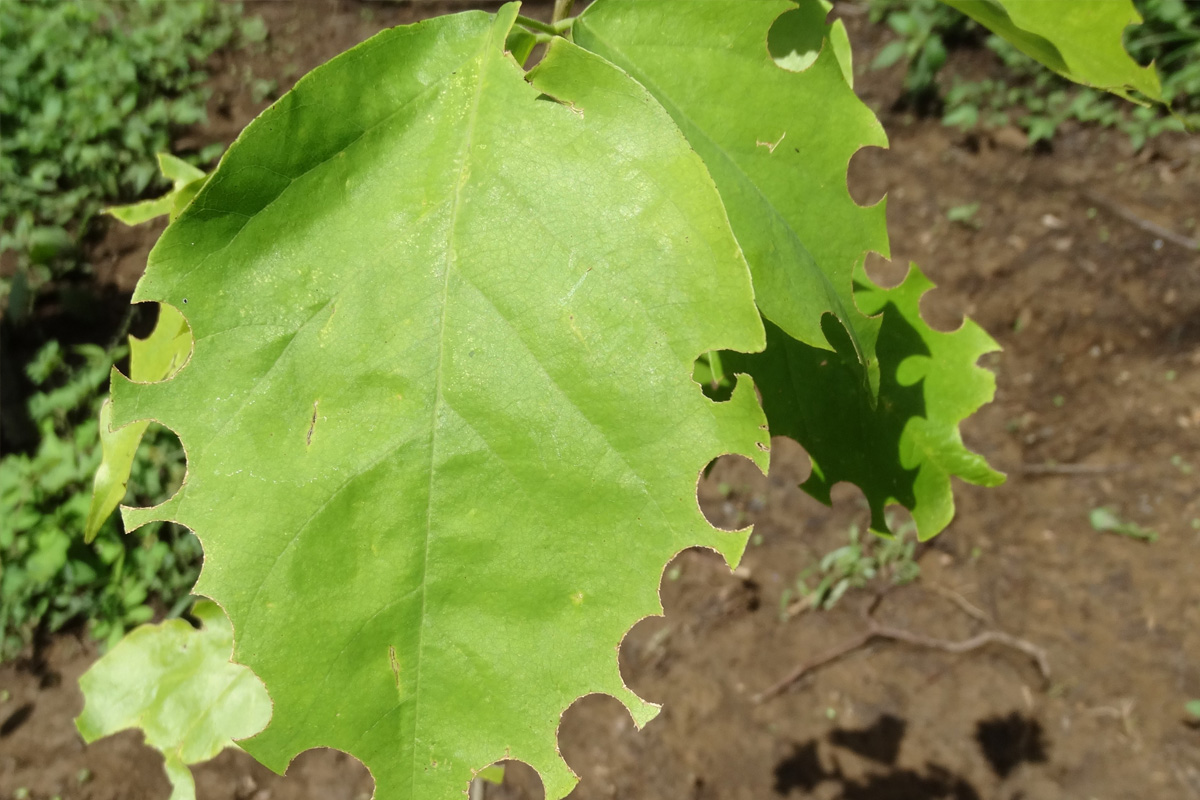
The establishment of “hotels” for solitary bees, aimed at facilitating their reproduction and, in turn, increasing their populations. This is the most recent program within the project.
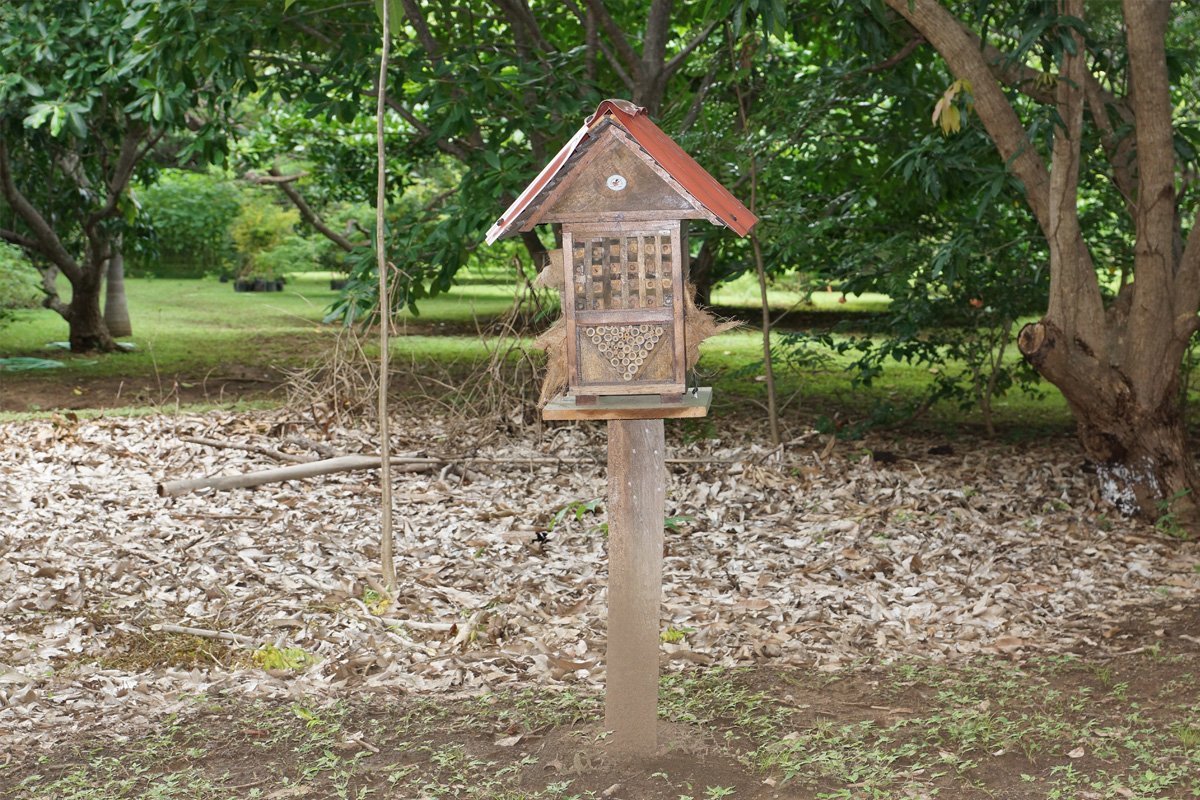
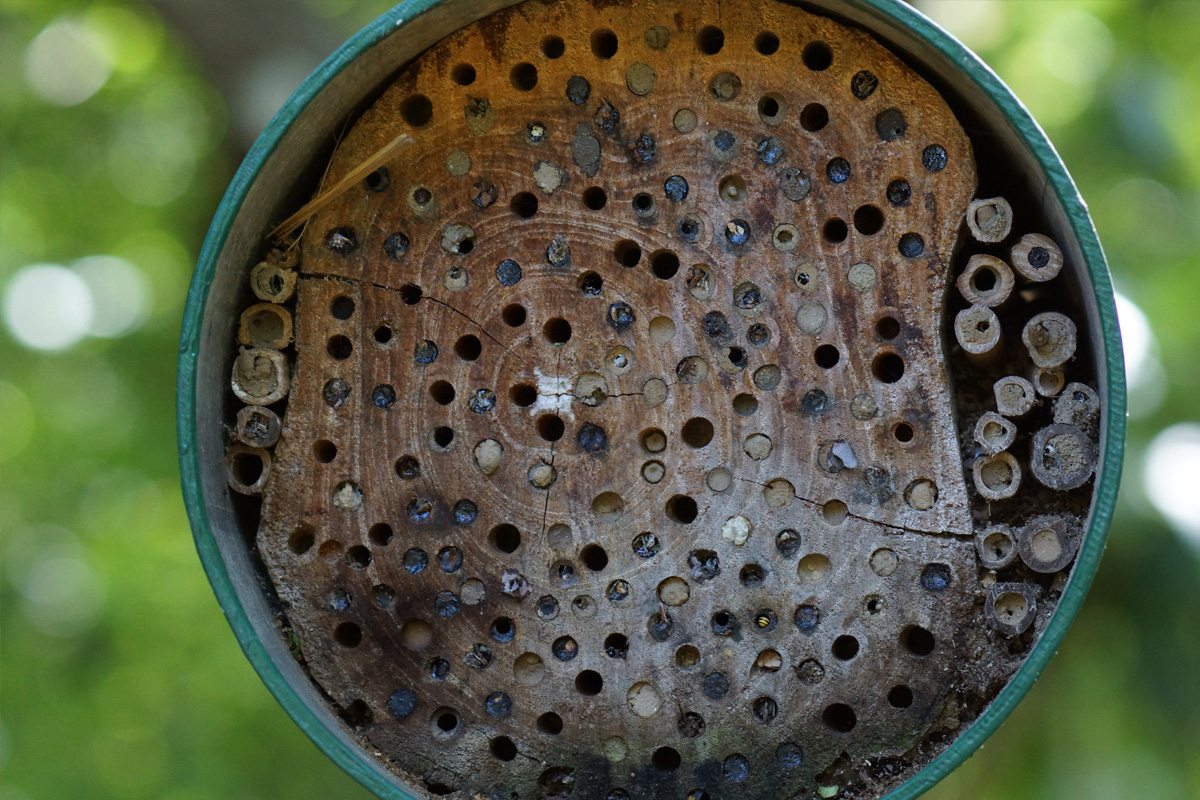
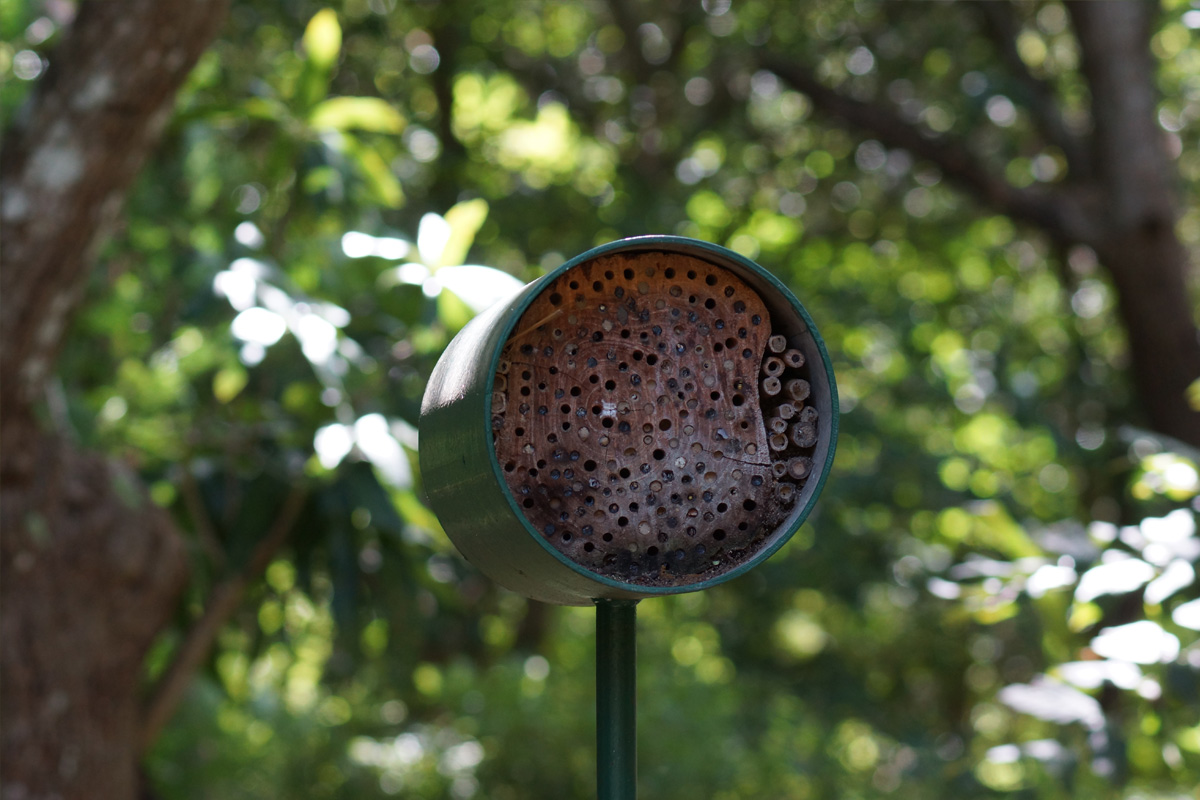
1) Solitary Bee “Hotel” Showing High Occupancy Evidence.
2) Solitary Bee “Hotels” Installed Across Multiple Sites Within the Project.